



Table of contents
Thanks to the movie industry, bars are often portrayed as glamorous hangouts with a friendly bartender who’s quick with a smile and a free pour. In reality, running a bar means dealing with challenges most people don’t see. Beyond mixing cocktails, you’re managing late-night hours, training staff to handle difficult situations, and operating in an industry where margins are often razor-thin. Like any other business, you also need to stay profitable, keep operations smooth, and give customers a reason to return. On top of that, bars face some of the strictest licensing and compliance rules in hospitality.
Whether you’re opening your first bar or leveling up an existing one, these tips will help you build a profitable spot people love.
1. Prioritize licensing and compliance
Alcohol laws can be complex, and overlooking a requirement can get your bar shut down. So before you even pour your first drink, make sure you’ve checked all the legal boxes.
Start by securing all required permits and licenses. These can include liquor licenses, business registration, health department approvals, and possibly even signage permits. You might also need to revisit your lease agreement to make sure it allows for your type of business, especially if you’re making changes to the space. Keep in mind that alcohol licensing laws vary not just by state, but sometimes by county or even city. If you’re unsure what you need, it’s worth working with a hospitality lawyer who can help you navigate the paperwork and avoid costly mistakes.
Once you’re up and running, stay up-to-date with changing regulations, especially those related to alcohol laws and food safety. Build policies that ensure your staff understand and follow these rules, including how to serve alcohol responsibly.
Compliance might not be the most exciting part of bar management, but it’s one of the most important. Putting the right systems in place early can save you major headaches down the line.
2. Benchmark competitors
One of the best ways to learn how to manage a bar is by paying close attention to your competition — both the bars you admire and the ones that seem to struggle. Visit several local spots and evaluate their menus, pricing, and overall vibe. What kind of drinks are they known for? What’s the service like? Is the space packed on weeknights or only during weekend rushes?
Look for patterns in what they do well, whether it’s a signature cocktail, an engaging service style, or creative events. Just as important, note the gaps: opportunities they’re missing that you could step into.
Beyond in-person visits, online reviews and social media can give you a window into customer sentiment. Sites like Yelp, Google, and even TikTok are full of unfiltered feedback that can reveal what people truly value in a bar experience. Social listening tools make this easier by tracking mentions of competitors and highlighting recurring themes, but even a simple scan of comments can tell you what’s making customers happy and what’s driving them away.
Monitoring competitor promotions and seasonal offerings is also a smart move. Many bars experiment with new ideas around holidays, sports seasons, or local events, and seeing what draws crowds can spark ideas for your own calendar. Pay attention to which discounts or themed nights get traction, and think about how you can adapt those approaches to fit your brand. This kind of competitor awareness sharpens your bar marketing strategy and helps you stay a step ahead.
3. Ensure your finances are in top shape
Effective bar management starts with strong financial habits. Beyond selling drinks, you need a plan for keeping cash steady, covering expenses, and maximizing profits. Here are a few essentials:
- Create and stick to a bar-specific budget. Factor in fixed costs like rent, utilities, and insurance, along with variable costs such as liquor, mixers, garnishes, and staff wages. Make room in your budget for seasonal promotions, staff incentives, and inevitable equipment repairs.
- Track your cash flow daily. Staying on top of money coming in and going out helps you spot issues early. A reliable bar POS system makes it easy to monitor sales against expenses in real time so you’re never caught short on payroll, inventory, or licensing fees.
- Know your pour cost and profit margins. Each drink should be priced to balance quality with profitability. Aim for a target pour cost between 18% and 24%, giving you healthy margins while keeping prices fair for your customers.
- Partner with a hospitality accountant. An accountant who knows the bar industry can guide you on liquor tax compliance, cost-control strategies, and forecasting. Their expertise can keep your finances in order as your business grows.
- Build an emergency fund. Even with careful planning, surprises happen — a cooler breaks, a license renewal comes due, or sales dip in a slow season. Having a cushion in place helps you handle these bumps without disrupting operations.
- Use data to forecast smarter. Don’t treat your POS like just a cash register. It’s a powerful tool for spotting trends. By reviewing your sales data, you can identify your busiest nights, best-selling drinks, and items that sit too long in inventory. These insights help you fine-tune staffing, plan promotions, and make stronger long-term financial decisions.
4. Optimize your bar layout
Overcrowded spaces are everyone’s worst nightmare. When you’re designing your bar’s layout, be sure to put yourself in the customers’ shoes. How much standing room will your customers want? How many barstools can you add without cramping the space? Putting yourself in the mind of your customers when you are planning the design of your bar can be extremely beneficial down the line.
The layout and design of your bar should communicate the kind of experience customers can expect. Start by aligning your design with your brand identity. If you’re running a dive bar, for example, the décor, lighting, and furniture should feel casual and welcoming. An elegant cocktail lounge, on the other hand, might call for softer lighting, sleek furniture, and carefully chosen art. A dance bar or brewery will have a completely different vibe.
Great design also creates a cohesive customer experience. From the moment guests walk through the door, your interior should set the tone and atmosphere they’ll remember. That first impression is powerful, and it’s what encourages people to stay longer or revisit.
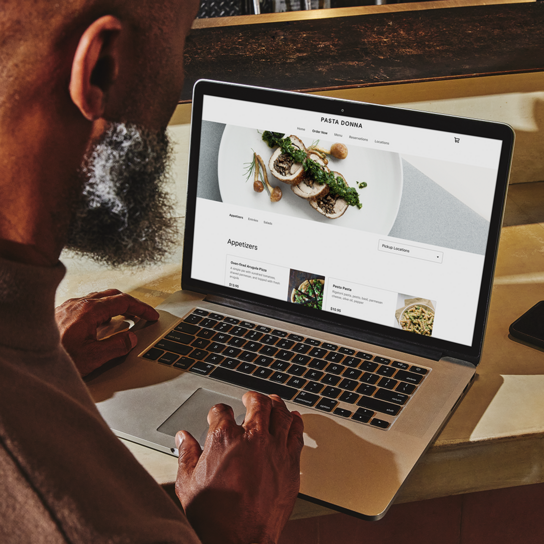
And don’t forget about your digital channels. Your website, social media, and listing directories should match the in-person vibe of your bar. If your bar is trendy and modern, but your online presence feels outdated, you risk confusing potential customers before they even arrive. A consistent look and feel, both online and offline, builds trust and helps customers know exactly what to expect.

5. Equip your bar with the best tools and tech
When your bar gets busy, your tools need to keep up. Bottlenecks at the register, slow service, or inventory guesswork can give both staff and customers a hard time — and cost you money. That’s why it pays to invest in systems built for the speed and complexity of bar service.
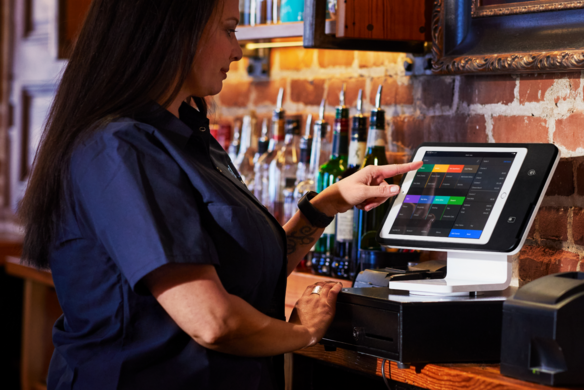
Use a POS system that’s made for high-volume environments. Look for features like fast tab management, split billing, integrated inventory tracking, and real-time sales reporting. With everything in one system, your team can move faster, track sales as they happen, and stay on top of bar inventory management with less guesswork.
From there, layer in other time-saving tools. Digital menu boards help guests make quicker decisions, while handheld ordering devices and contactless payment tools keep lines short and service moving. The right tech stack makes your bar more efficient, supports your team, and helps you deliver a great experience every night.
6. Focus on your bar inventory management
A big part of running a successful bar is knowing exactly what’s in stock and what’s not. Shrinkage — whether from overpouring, waste, or theft — can quickly eat into your profits if you don’t stay on top of it. The first step is to track your stock daily or weekly so you always know what’s on hand and what needs replenishing.
The right inventory management tool makes this process easier. With real-time tracking, you can see exactly what’s selling, what’s running low, and what’s moving too slowly. Pair this with portion control and standard drink recipes to make sure every cocktail is poured consistently and profitably. For example, you can use jiggers, measured pour spouts, or digital scales to control serving sizes. Even pre-batching popular cocktails can help reduce waste and speed up service without sacrificing quality.
For deeper insights, use POS analytics and reporting to spot trends in your sales and make smarter purchasing decisions. This data can highlight which drinks are driving revenue and where inventory costs can be trimmed.
If you’re new to this, check out practical guides that show how to manage bar inventory. The more you understand your numbers, the more confident you’ll feel in running a profitable bar.
7. Offer an outstanding customer experience
The best bars help people create moments they want to relive. Consistent, friendly service is where it starts. Guests notice when they’re remembered by name, when a server picks up on the nod for their favorite drink, and when the staff feels genuinely glad they came in. Those small touches build lasting loyalty.
A great experience also depends on how empowered your team feels. Train staff to spot opportunities to go the extra mile, whether it’s offering a small freebie to smooth over a mishap, or doing something thoughtful for a loyal regular. Of course, you should set clear boundaries so employees know when it’s appropriate.
And don’t underestimate customer feedback. Asking guests what they think, and acting on it, shows that you care about their experience. Tools like Square Messages make it easy for customers to share their feedback privately and for you to respond in real time. When people feel heard, they’re not just more likely to return, and they’ll often bring friends with them.
8. Keep your drink menu simple yet profitable
An overloaded drink menu can overwhelm customers and inflate your costs. Instead, focus on a curated selection that balances customer favorites with profitability. Build your core menu around signature cocktails and a few high-margin staples, like draft beers or house wines, that deliver strong returns without sacrificing quality.
Seasonal specials are another smart way to keep things fresh. Rotating in a new cocktail or themed drink gives regulars a reason to come back and try something different, while also letting you test what resonates before committing it to the permanent menu.
The goal is a drink list that is simple enough for staff to execute quickly, but dynamic enough to keep customers excited — and, of course, profitable enough to keep your business going.

9. Invest in your staff training and retention
The people behind the bar shape the entire customer experience, so it makes sense to train them well and treat them even better. Start with the essentials. Every customer-facing team member should know the difference between common drinks, like a lager and a stout. They should also understand how your house cocktails are made and be able to talk confidently about the menu. That kind of product knowledge builds trust with guests and makes service smoother.
Customer service training matters just as much. Bartenders and servers need to know how to read the room, handle difficult customers without escalating tension, and make everyone feel welcome, whether it’s a regular or someone walking in for the first time.
But training only goes so far if your team keeps turning over. If you want staff to stick around, give them reasons to. Pay competitively. Offer small incentives or perks. Create a team culture where people feel respected, supported, and involved in the success of the bar. Even something as simple as a shift meal or regular team check-ins can go a long way.
Cleanliness and hygiene training should be part of your onboarding process, not an afterthought. It helps avoid health violations, protects customers, and signals professionalism across the board. When staff know what’s expected and feel taken care of, they’re more likely to take care of your business in return.
10. Enforce strict cleanliness standards
Customers may not always mention when your space is spotless, but they’ll definitely notice when it’s not. At the end of the day, no one wants to sip a cocktail from a stained glass or sit at a sticky bar top. So, cleanliness is the baseline.
Keep standards high by using daily and weekly checklists so nothing gets skipped, from wiping down counters to deep-cleaning equipment. Glassware deserves special attention. A perfectly clean glass says a lot about the care you put into your bar. Make sure staff follow proper sanitation procedures and know how to check for cleanliness before pouring.
Health inspections are another reason to stay vigilant. They can happen without much warning, and violations can get expensive fast. Train your team on what inspectors look for, and walk through your space regularly with a critical eye. When cleanliness is part of the culture, your bar feels more welcoming and safe, and customers are more likely to stick around for another round.
11. Market your bar and increase community presence
To build steady business, people need to know your bar exists — and feel like it belongs to the neighborhood. Start with the basics: post regularly on social media, not just promos but behind-the-scenes content, staff intros, or new drink features. People want a reason to care that goes beyond another happy hour flyer.
Get involved locally. Partner with nearby businesses on joint events or cross-promotions. Host themed nights, open mic sessions, or game-day screenings that give people a reason to show up midweek. These events serve as anchors that connect your bar to your community.
You can also build loyalty in quiet but powerful ways. Branded merchandise can turn regulars into walking billboards, and loyalty programs make repeat visits feel like a reward. Tools like Square Marketing make it easy to send out targeted emails or texts when you’ve got something worth sharing.
Marketing doesn’t always have to feel like a campaign. Done right, it’s just about being visible, memorable, and consistently present both online and off.

How to run a bar FAQ
How do I run a bar with no experience?
Start by educating yourself on the basics of bar management, including licensing, inventory, staff training, and customer service. Work or volunteer in a bar if you can, even for a short period, to get hands-on experience. Surround yourself with experienced staff and consider hiring a seasoned manager to guide operations while you learn the ropes.
How can I reduce liquor waste and improve profit margins?
The key is portion control and consistent bar inventory management. Use measured pour spouts, jiggers, or digital scales to avoid overpouring. Track your stock daily or weekly, and calculate pour cost so you know exactly what each drink costs versus its selling price. These small steps protect your margins and help you stay profitable.
How do I attract and retain customers to my bar?
Create a welcoming atmosphere with consistent service and events that give people a reason to return, such as trivia nights, seasonal cocktails, or live music. A strong bar marketing strategy helps too, from engaging social media to loyalty programs. Retention often comes down to listening to feedback and making sure regulars feel valued.
What security measures help keep customers and staff safe?
Check IDs consistently, monitor alcohol service, and train staff to handle tense situations calmly. If your bar sees high traffic or late-night crowds, consider hiring trained security personnel. Physical security matters too. Install cameras in key areas, ensure all entrances and exits are well-lit, and have clear policies in place for dealing with disruptive behavior. Aim to prevent issues before they happen.
What makes a great bar manager?
A great manager knows how to balance operations with people skills. They understand finances, scheduling, and compliance, but they also motivate staff, build a strong culture, and make sure customers are consistently happy. In short, good bar management combines business sense with hospitality.