



Table of contents
In 2018, Magen Bynum opened a soap store on a small town square in New Albany, Mississippi. Population: 6,400. That’s about how many people walk through a flagship Manhattan retailer on a single busy Saturday.
In her first year, that 1,200-square-foot storefront pulled in over $700,000. Since then, Magnolia Soap & Bath Co. has grown to more than 50 locations across 17 states in eight years.
This scale started with a single, clear insight born from a personal problem. As a new mother, Bynum couldn’t find products she trusted for her daughter’s sensitive skin. “[Products] that say things like ‘baby wash, baby lotion,’ you’d think that those would be super clean and free and good for you, and then you dig a little bit deeper and you see that it’s not,” Bynum said. “I was just appalled that that was what was going on my baby. I knew there had to be a cleaner version.”
At the time, most personal care brands were competing on scent, packaging, and shelf space. Bynum decided to start a retail business that competed on something else entirely — clean soap.
Then she built a brand around it. One rooted in trust, transparency, and Southern charm. Bynum proved her concept in a small Mississippi town, where every customer mattered, every repeat visit meant something, and every sale taught her what the business could become.
We talked to Bynum to hear how she scaled Magnolia Soap & Bath Co. from a Mississippi storefront into a 50+ location franchise.
1. Keep risk low while you prove your business model
In the early days, Bynum and her husband did everything. She made the soap at home in her kitchen. He designed the store layout. She worked the floor. He created custom furniture. Both knew the why behind every single sale.
This kind of proximity is nearly impossible to manufacture in a high-traffic, high-cost market. A pricey lease doesn’t leave much room to experiment or iterate. “The risk was not that expensive,” Bynum explained. “That was okay for me to go into a retail storefront with cheap rent and just see how it does. And it turns out it absolutely crushed it that first year.”
An affordable one-year lease in an affordable town left space to learn and grow. The low rent and overhead allowed the business to survive the learning curve that every new brand has to work through.

2. Earn trust with a single, strong product
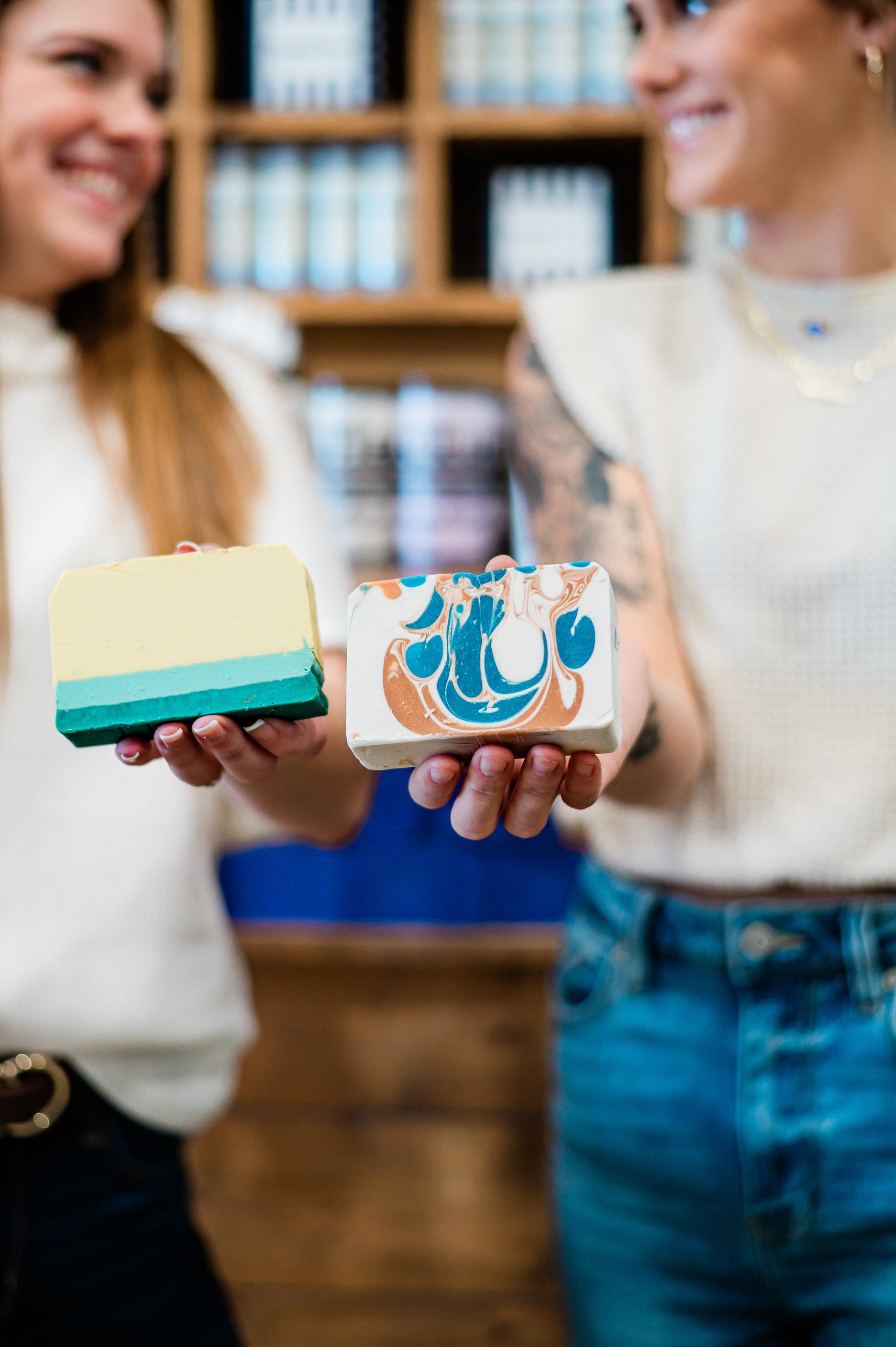
Magnolia Soap didn’t launch with a full product line. It started only selling bar soaps.
Bynum identified the gap in personal care early. “I looked at the industry and realized there was no clean and free version of anything,” she said.
Instead of spreading herself thin with a large product line, she focused on getting one thing right: a natural, plant-based soap made without harsh chemicals or unnecessary fillers. “We didn’t have to have 20 or 30 ingredients in every one of those products,” Bynum said. “We put it down to five or six ingredients that you can read, that you know, so you’re more comfortable putting that on your body.”
One problem, solved well, builds a strong business model.
A tight product line is easier to manufacture, easier to train staff on, and easier for customers to trust and talk about, especially in the beginning. The soap bars are priced around $8 — a low-cost first purchase and an easy repeat one.
“We gain a customer and then we keep them for life,” Bynum said. Over 300,000 customers walk through a Magnolia Soap location each year.
The product line has expanded significantly since those early days. But every new addition still follows the same logic: natural ingredients and something customers were already asking for.
We listen to our customers. What are they using that we don’t have, that they want more of?”
Magen Bynum → Owner, Magnolia Soap & Bath Co.
3. Make your store feel like an experience
Walk into any Magnolia Soap location and it feels like you’re participating in something special.
As Bynum explains, “There’s a million and one brick-and-mortars out there, but how many experiential retail [stores] are there where you can actually come in and not only see the products being made in front of you, but also get to experience them and do them yourself?”
This is what makes customers come back and bring friends. In an era when customers can buy anything online, a physical store gives them a reason to show up in person.
Bynum also built community directly into the Magnolia Soap business model. Every location participates in Hope in Soap, a monthly program that partners with a different charity each month. Customers buy a charity-specific soap, 100% of the proceeds go to the organization, and the store becomes a place that’s genuinely invested in the community it serves. “The stores that really get in there and get behind those initiatives and market their store properly, they end up being really successful and exciting stores,” shared Bynum.

That sense of purpose resonates with customers and staff alike. The Magnolia brand holds a Net Promoter Score of 92.6 and an average customer rating of 4.95 stars. (Retailers with NPS scores above 70 are generally considered world-class.) These scores signal how much customers love to share the brand with family and friends.
4. Control your costs to scale faster
After the first store proved the concept, Bynum didn’t rush to scale everywhere at once.
She moved to Oxford, Mississippi to test a college-town market. Then Jackson, to test what the business looked like when she wasn’t in the building every day. “And in that Jackson location, I got my first call from somebody saying, ‘Hey, I don’t know what you’re doing, but I want to be a part of it,'” Bynum said. “‘Can I open a store in Memphis?'” Each move answered a specific question before the next one was asked.
“You have these other franchise systems where they have to go into super busy places and they’re spending close to $120,000 a year in rent,” explained Bynum. “They have to do all that stuff just to stay known. We’re able to slide into these downtowns that work well. We can go into a strip mall, we are even in retail malls and doing really well.”
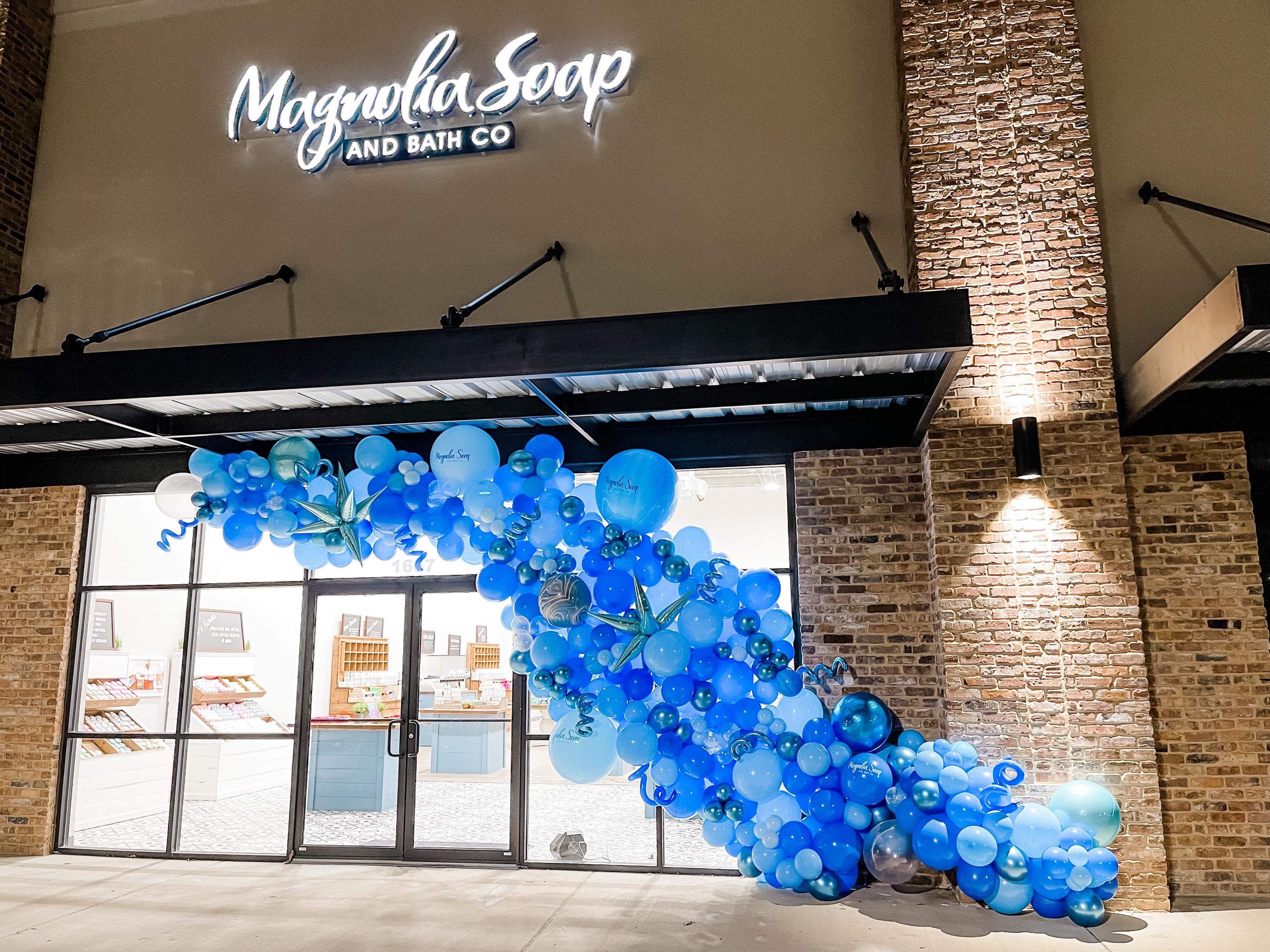
The physical design of the stores reflects the same thinking. Magnolia Soap stores typically run on the smaller side. The stores are around 1,500 square feet, cost less than $350K to open, and take less than six months to open, Bynum shared in a previous interview. A right-sized store means lower rent, easier construction, simpler operations, and a faster path to profitability. All accomplished without sacrificing the in-store experience.
“We kind of adapt anywhere, and that’s the beauty in our brand,” Bynum said.
5. Power every location with the right retail tech
Franchisees see immense success with their Magnolia stores, and quickly. In fact, 50% of first-time franchise owners end up opening a second location in their first year. With that came the new challenge of getting all the stores to feel like the same brand. Bynum turned to Square for Retail for help.
Square has molded to us and they’ve grown with us, and really helped us as we expanded nationwide.”
Magen Bynum → Owner, Magnolia Soap & Bath Co.
Square handles the full digital infrastructure for Magnolia Soap. “We use [Square] for all of our reports when we’re pulling our KPIs as we’re meeting with our franchisees one-on-one,” Bynum explained. “All of that absolutely runs through Square. So we use it in all aspects from coaching to inventory down to, of course, everyday processing.”
Every franchise location operates its own Square-powered microsite with online ordering, party bookings, same-day pickup, and local delivery through DoorDash. Every store gets the same setup, without franchisees having to figure it out from scratch.
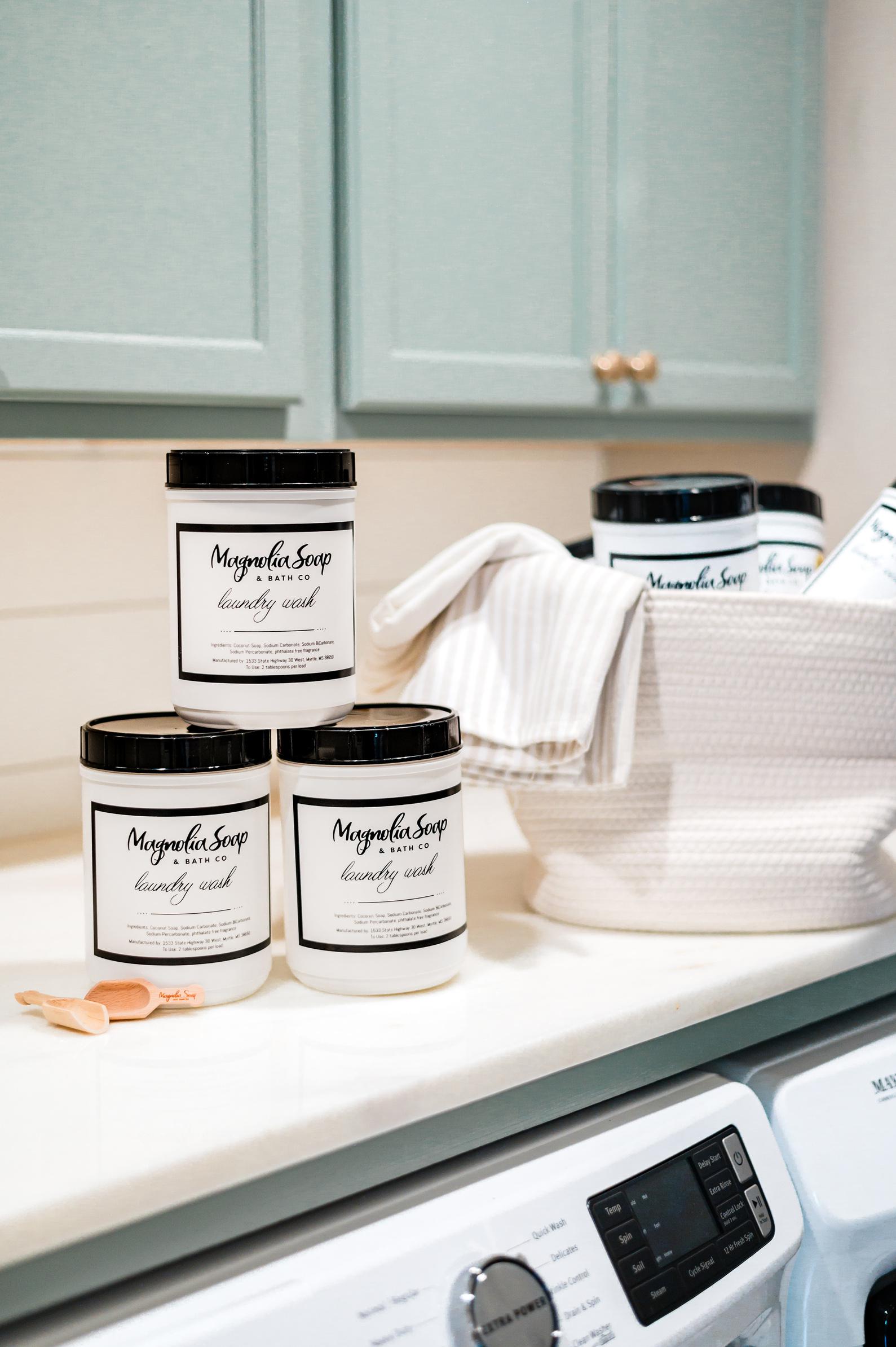
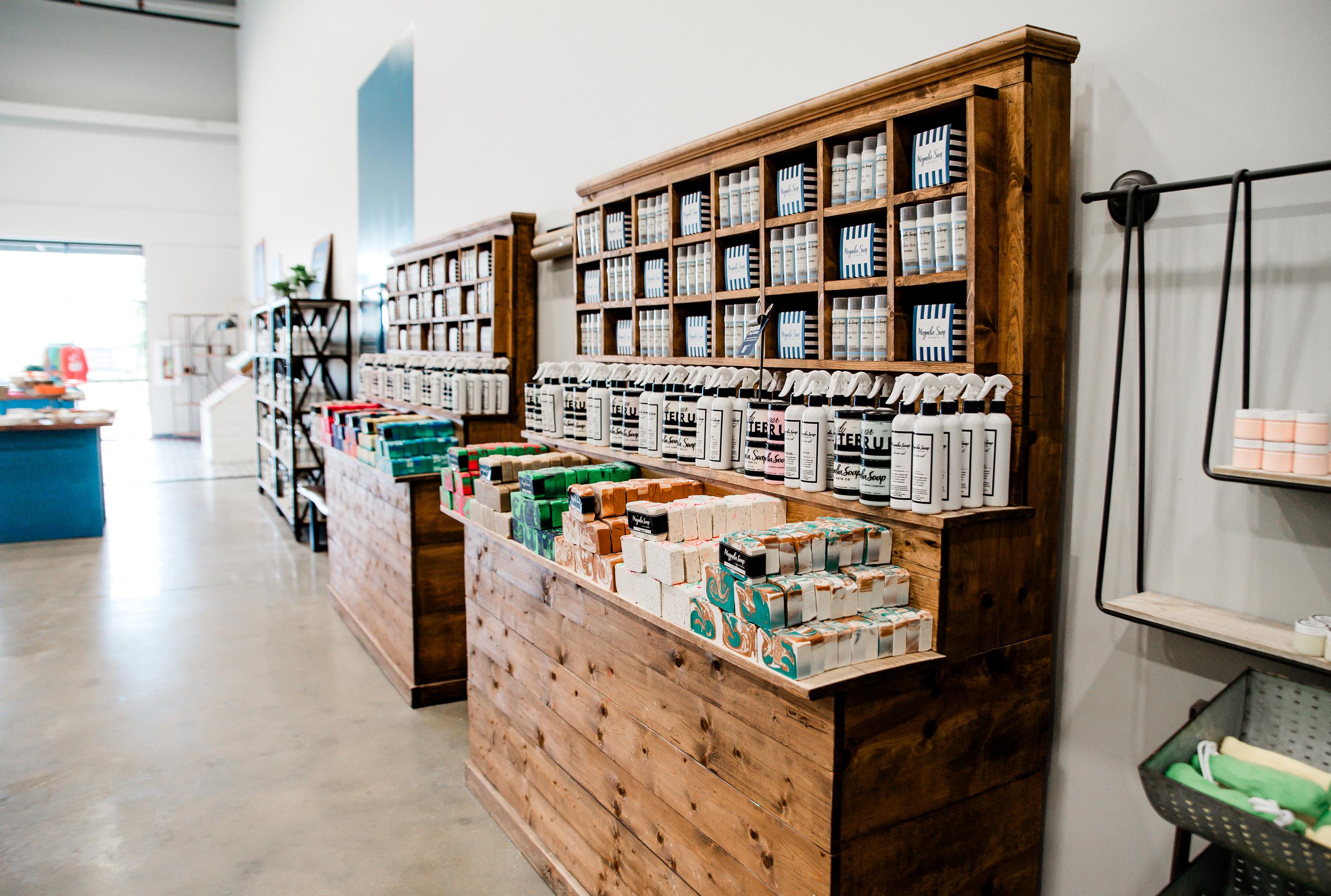
No amount of technology replaces a great team member on the floor, but the right technology clears the path for them. With Square handling the retail back-end, the staff member selling soap products or booking a birthday party can give their full attention to the human in front of them.
The store strategy that scales
The retail brands that go big from day one rarely figure out how to course-correct when something isn’t working. They’re too exposed to slow down, too committed to change direction.
The stores that last, the ones that actually build something worth scaling, usually started smaller than anyone expected or remembers.
Magnolia Soap slowly grew to 50+ locations. Bynum proved the concept first, kept the costs lean, and built deep customer relationships. “I’ve been in Jamaica before… someone came up to me talking about the products they use,” Bynum said. That’s what happens when a brand is built on solving a real problem. Customers buy, return, and talk about it thousands of miles away from the store.
Bynum’s successful franchise proves a quiet truth about retail — that starting small is how you learn what’s worth scaling.