






Table of contents
Insights from a conversation between Pooja Tripathi and Rachel Despeaux, the founder of Awoke Vintage.
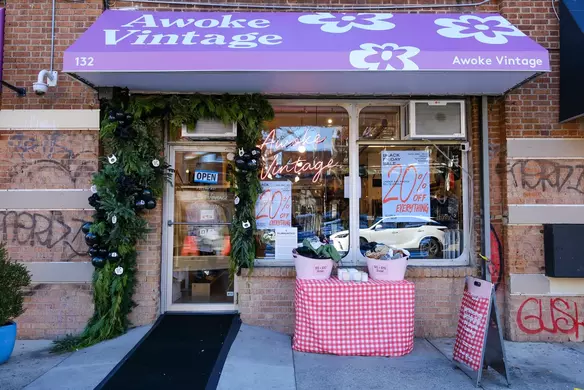
If you want to understand vintage retail trends, go where the shoppers go — sharing thrift store hauls on social and following entrepreneurs like Pooja Tripathi and Rachel Despeaux. Tripathi is a comedian and creator of the satirical series Brooklyn Coffee Shop, and Rachel is the founder of Awoke Vintage, a cult-favorite vintage store with four locations across Brooklyn and Manhattan.
These two New York City tastemakers met up this Black Friday and had a conversation that was honest, hilarious, and packed with predictions about where independent retail is heading. Here are the seven trends retail store owners should pay attention to according to Tripathi and Despeaux (even if you’re a secondhand skeptic).

1. Emotionally charged products are a huge marketing opportunity
Shoppers want gifts that feel personal, expressive, and aligned with their values. Tripathi asked how Despeaux chooses gifts, and she revealed a simple but powerful philosophy. “I’m always looking for that kind of moment that really connects with them as opposed to being like, is it the perfect fit?”
When talking about gifting vintage watches, she explained how particular items, like watches, can be especially meaningful. “This signifies the time that we’ve had together and our future time together.”
Vintage is about that spark. That gut feeling, that memory, that inside joke that comes to life when you discover the perfect find. Tripathi said, almost as a thesis for vintage retail, “We want our items to have lived, too.”
Retailer insight: Organize merchandise by feelings, memories, or eras, instead of traditional product categories, and update your brick-and-mortar store and online store to reflect them. Try terms like “vacation energy,” “college towns,” or “pieces your grandmom would have loved.”
2. Inclusive sizing invites more customers to your store
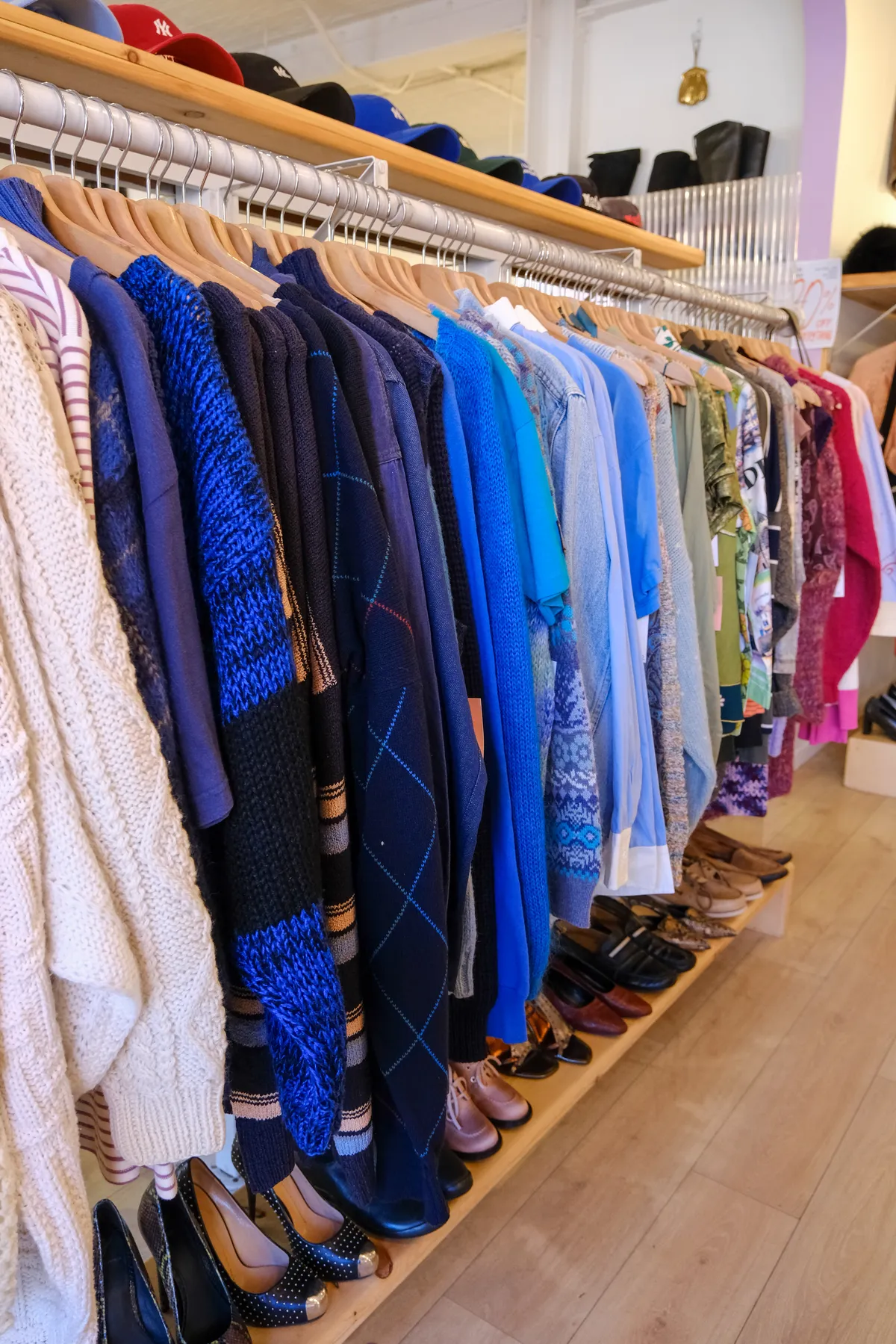
Awoke Vintage built a reputation on approachability and inclusivity. “We want to have every single size… We go from 0 to 4X.” Despeaux emphasized, “There’s something for everyone.”
Her buying philosophy reflects the same principles. “If you look at me, my style is not represented in the store… I’m not shopping just with my own style. We want every style in every era.”
Retailer insight: Review your size offering and ask whether all your customers feel represented and welcome. Highlight inclusive size ranges in store signage, website copy, and search filters. You can also include more photography and video in your online listings so shoppers can get a better idea if the pieces will fit, which will also increase average order value.
3. Storytelling gives vintage items instant selling power
Shoppers love pieces with personality and history. When Despeaux realized a T-shirt she found was an authentic ’90s Nirvana tee and not a replica, her reaction was priceless. “Oh my gosh, this is real history… this came from someone who was totally ahead of the curve… This is like the real fans.”
Tripathi added her own version of this idea when she said, “You just can’t find materials like this anymore,” referring to gems discovered in her mom’s closet. Vintage shoppers are not just buying clothes, they’re buying stories.
Retailer insight: Add storytelling notes to displays, tags, and in your product descriptions, which is especially important for gift givers. Examples include “sourced in Italy” or “NYC made.”
4. Vintage luxury is having a moment
Tripathi and Despeaux lit up when discussing Coach bags and other vintage designer pieces. Despeaux says resale is competing with today’s designer brands. “All of the fashion houses right now, they’re being outsold by their vintage reseller counterparts… we want something that’s actually unique.”
This is one of the biggest vintage retail trends of the moment. Shoppers are craving luxury with personality, and vintage luxury offers both.
Retailer insight: Test a curated vintage luxury assortment in your store. Begin with entry-point items like belts, wallets, watches, and other accessories across low to medium price points. These items draw new audiences and can lead to higher ticket sizes.
5. Comeback trends are untapped event opportunities
Vintage retailers sit at the front line of trend cycles. When Tripathi asked what trend was returning next, Despeaux did not hesitate. “Skinny jeans, I mean get ready.” Tripathi groaned jokingly, “My heart aches.”
Together they captured the push-pull of trend comebacks. The good news is that vintage shopping makes it easier for customers to try trends in sustainable and low-commitment ways.
Retailer insight: Turn returning trends into events. Try closet revival weekends or “bring back your skinny jeans” shopping hours to frame comeback fads as fun instead of intimidating.
6. The best retail stores are experiential
Vintage shopping is inherently social and experience-driven. Despeaux described one of her favorite moments: “When we have a mom come in with a daughter and then they both buy something totally different… that’s cute and cool and not always the case at a retail store,” she said. Store experiences are also a driver of repeat visits, so lean into that.
Retailer insight: Design your in-store shopping experience for discovery. That can include mood racks, easy try-on zones, photo-friendly corners, or monthly community swaps. Add signage inviting shoppers to tag your store so you can easily find and amplify UGC.

7. Your neighborhood identity is a competitive advantage
For Despeaux, New York is a part of the Awoke Vintage brand. As she puts it, “That’s the whole reason my business gets to be successful is because I’m here.” Vintage thrives in places with strong neighborhood energy because shoppers want to feel plugged into the local ecosystem of sellers and buyers. Shopping at local vintage stores gives you a true taste of the neighborhood, since you get to see the items your neighbors love on full display.
Retailer insight: Use your location as a differentiator. Build relationships with nearby businesses through creative collaborations, showcase your staff and their favorite products, and highlight local sourcing and vendors in your store marketing.
The future of retail has a vintage past
Tripathi summed it up perfectly when she said, “We want to live our lives. We want our items to have lived, too.” Despeaux embodies that philosophy every day by curating pieces that feel perfectly imperfect at Awoke Vintage.
Vintage retail reflects what shoppers want more of: sustainability, personality, and connection. For modern retailers, that trifecta is the key to building a store customers fall in love with, block after block.


