




Table of contents
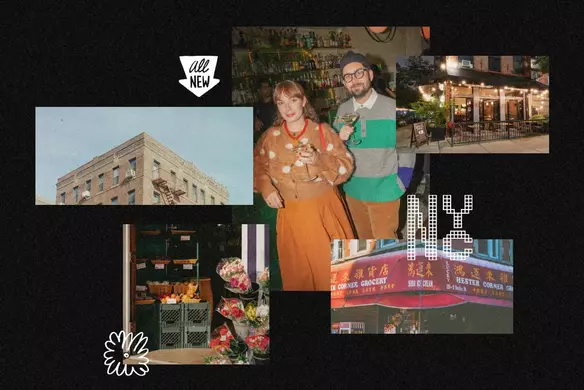
Anna and Garrett Albury of coolstuff.nyc have spent more than five years spotting the city’s coolest businesses and sharing those gems with thousands of New Yorkers. Here are nine lessons they’ve learned.
New York City has always had its own definition of “cool.” It’s the neon glow of a diner that hasn’t changed in decades, the café with a line around the block, or the tiny bookstore that somehow feels like it belongs to the whole neighborhood. In a city where thousands of businesses open and close every year, standing out isn’t just about what you sell; it’s about how you make people feel. For me, it’s easy to fall in love with a business when you walk through the doors and feel both right at home and impressed.

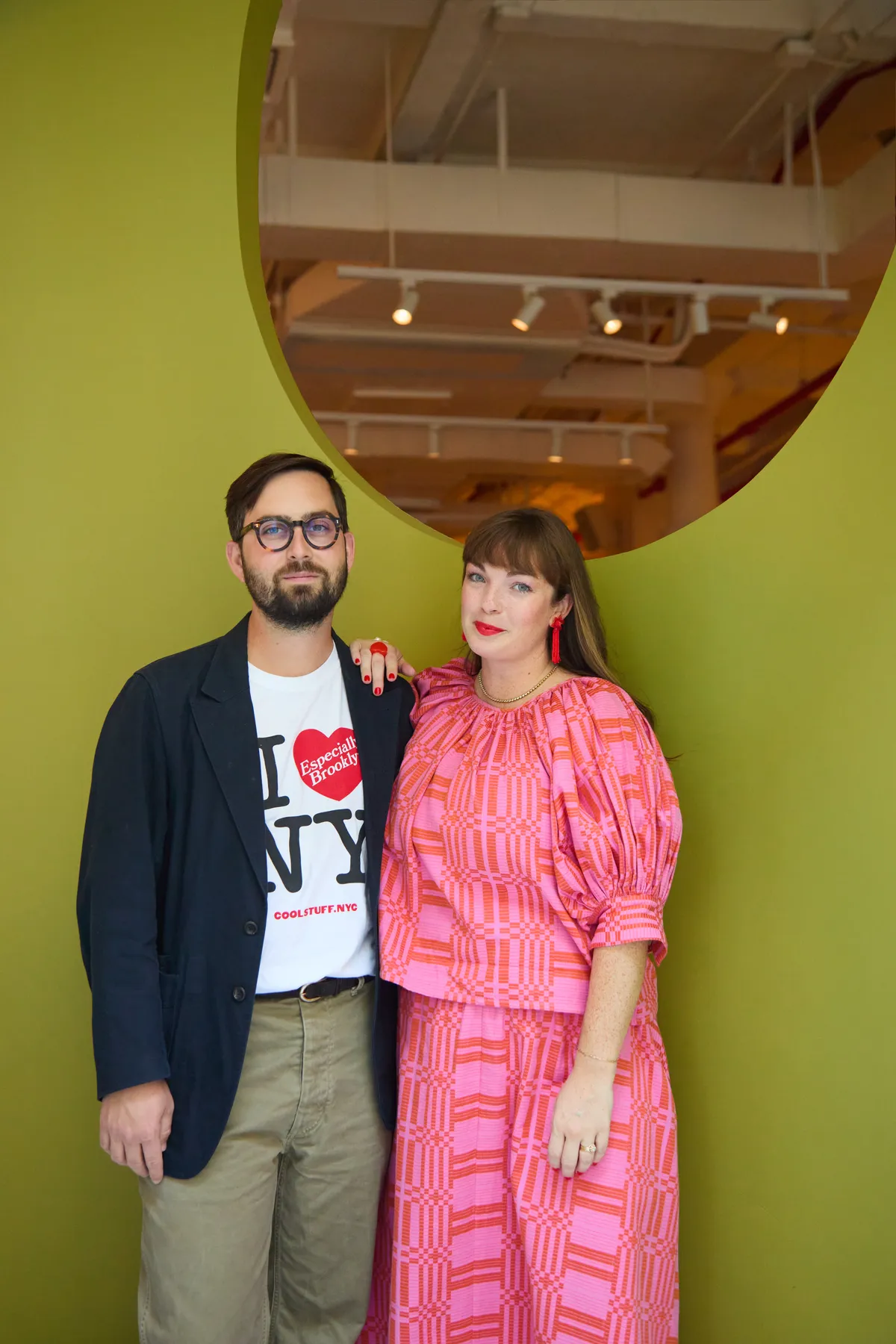
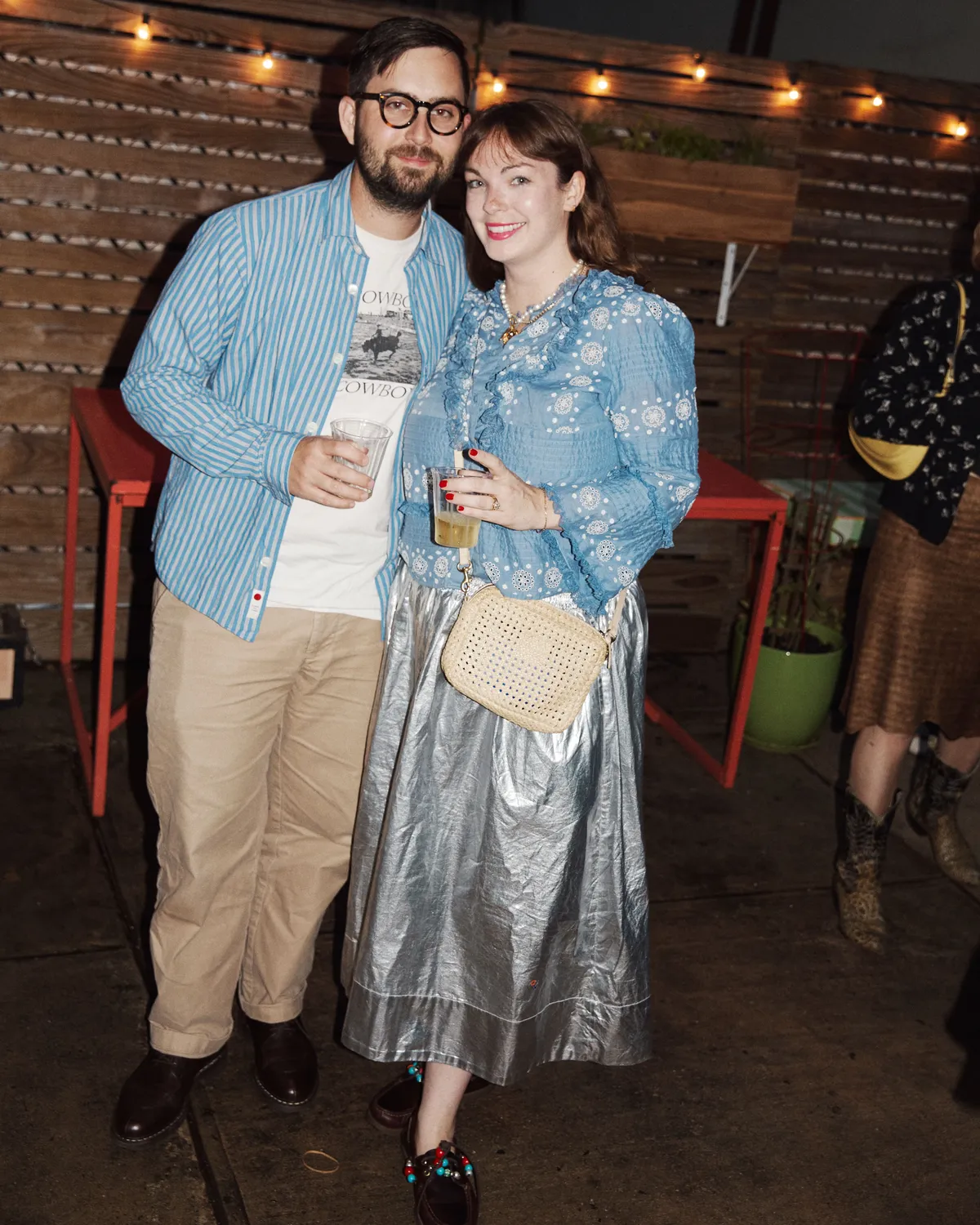
Few people know this better than Anna Albury and Garrett Albury, the husband-and-wife duo behind coolstuff.nyc. What started in 2020 as a newsletter between friends has grown into one of the city’s most trusted curators of design-forward, community-driven places to go, people to meet, and things to experience. Every week, they spotlight the kinds of businesses that make New York hum with creativity and connection, filling our brains and calendars with must-see spots. “It was just a fun, silly way to send an email to friends to tell them what we found in the city,” Anna said.
For the Alburys, “cool” is about a business’s ability to bring joy, spark discovery, and anchor a sense of community in a city that never slows down. According to Garrett, “Whatever is happening changes on a weekly basis … it feels like shopping is becoming more local, and small businesses are coming back.” Their newsletter is part guide, part love letter to New York, and part reminder that the smallest details, like a hand-painted sign or a perfectly crafted latte, can have the biggest impact.
We sat down with Anna and Garrett to explore what they’ve learned from years of curating the city’s coolest businesses, and what lessons every entrepreneur can borrow from the New York playbook.
Lesson 1: Have a strong point of view
Garrett: Having a strong point of view is what makes a business cool. I always love when I walk into a place and I can see the human touch, whether it’s a menu or a selection of products they’re selling, or even something they’re designing and making themselves.
Anna: The community aspect — maybe they do pop-ups or collaborations with similar brands to lift up other small businesses — makes a business really cool. Try to bring things to life and connect with customers who are interested in the brand.
Lesson 2: Sweat the small details
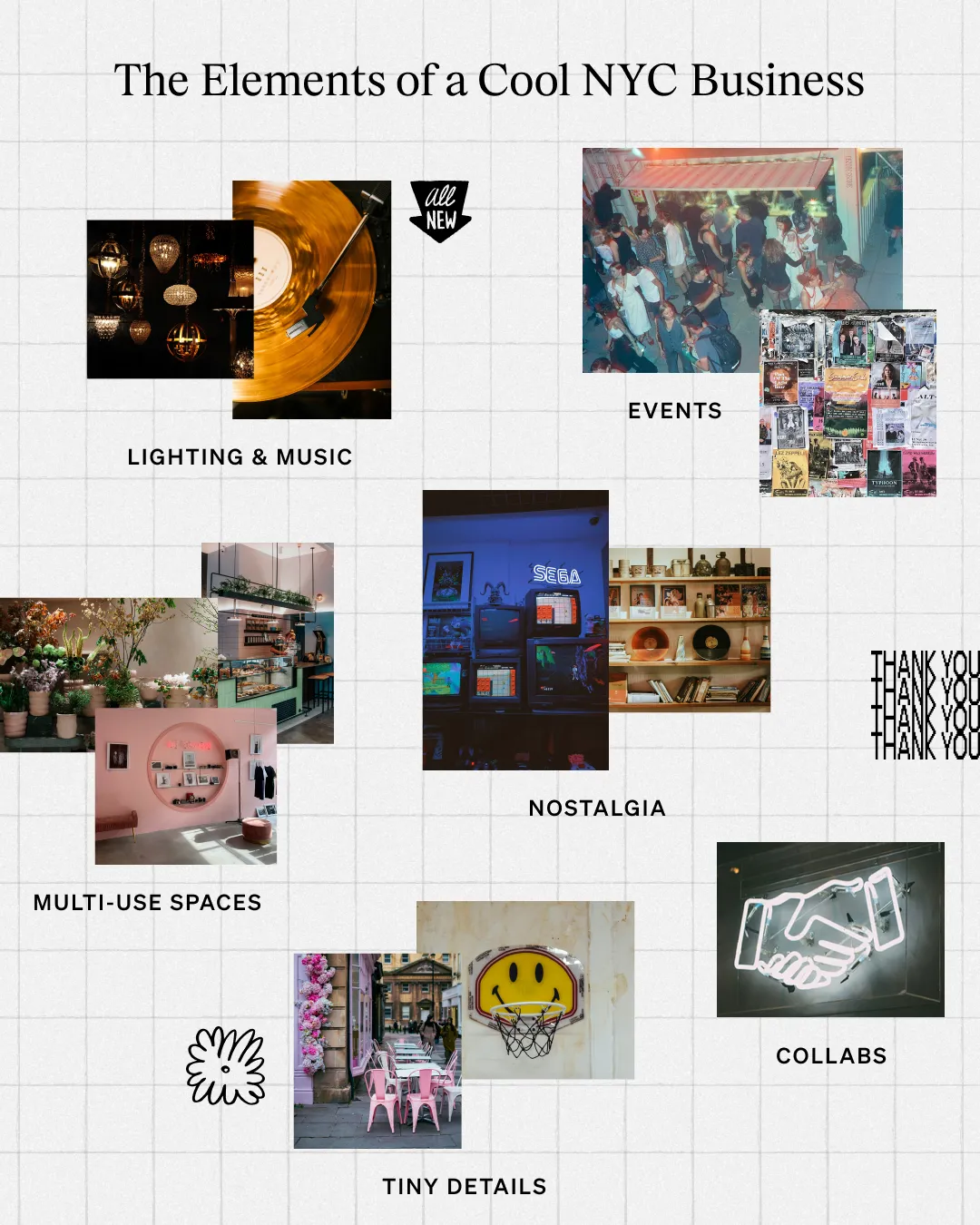
Anna: We go to a lot of restaurants, and we feature a lot in the newsletter. So for a new restaurant, or even returning to one that we’ve been to before, I feel like getting the mood just right is really hard to do. When we walk into a space and it feels like they thought about all the details and the vibe is really good, it’s amazing. Maybe it’s the perfect volume of music or the best lighting. It’s all the little things that feel like an afterthought that are actually the most important.
Garrett: I was also going to say music and lighting, but it doesn’t have to be the most high-end version. I always think back to this really great, tiny bakery upstate. We walked in, and it had all those things going. But when you looked closer, the lamp shades were made out of brown wax paper from the bakery. They were all hand-done in this really DIY, cool way. Even with the most basic version of the whatever it is, you can still get it right.
A lot of businesses here have a lot of multitudes going on… That’s super New York — to utilize one space as a lot of different things to bring more people in.”
Anna Albury → Co-founder of coolstuff.nyc
Lesson 3: Master the multi-concept space
Anna: A lot of businesses here have a lot of multitudes going on. Maybe it’s not just the one thing that they’re selling. Maybe they have workshops going on in the back, and there’s also a little cafe moment on the side. That’s super New York — to utilize one space as a lot of different things to bring more people in.
Garrett: I was going to say events, as well. It seems to be a great way to get people in the door of a small business. But it really does build that community aspect that’s so crucial to the types of businesses we like to feature right now.

Lesson 4: Build authentic community
Garrett: There’s this gallery called Lyle Gallery that the owner, Lynn, is really involved with. She’s not just trying to find the best artists, but also artists who are part of her community locally. The gallery used to be based in Chinatown, and it went a little nomadic. She would try to find local artists that were young, up and coming, and really bring them in and help them design the show and the opening.
Anna: We feature Big Night quite often, just because we love their product and space. They have a location in the West Village and one in Greenpoint. They do everything so well, and they really lean into the community aspect. There’s this great backyard at the Greenpoint location, and they’ll have a new olive oil brand pop-up in the back and charcuterie to try the product. New businesses that are sold at the store showcase their products, which brings new people in. It’s just always a really great place to be at both locations.
Lesson 5: Design shows your vision
Anna: We’re both full-time designers, so we appreciate good design, and we put a lot of weight on that in the places that we feature. It really does show the vision of the space and what the founders are trying to convey, so it’s super important. And maybe that’s not even the most trendy font on the sign. Maybe it’s like something really retro, but it’s unique and original and different.
Garrett: Just this past week in our neighborhood in Park Slope, there was a sign that caught my eye in a storefront that was under construction. It’s a new print shop that’s about to open called Mr. Boddington’s Studio. They make their own product, and it’s really fantastic. But it was the design that initially caught my eye. They had brought their branding elements even into the little “We’re under construction opening soon” sign on a sheet of paper. Also, the consistency throughout shows when brands have a clear taste and language they stick to.
Lesson 6: Honor your space’s history
Garrett: Some of these newer businesses are actually the ones that may engage with legacy businesses the most. When I think of legacy New York businesses, I think of the Odeon. A lot of their clientele are folks who are actually doing the more experimental places. There was even this one shop in the Lower East Side that was selling these bootleg hats with the Odeon logo. The cool thing about New York is there’s such a conversation between the two. I really love thinking about how those businesses actually utilize it. If they’re moving into, let’s say, a storefront that has been there forever. I love when they leave the exterior completely how it was, while putting their own stamp on the interior.
Anna: I love when businesses really lean into the purpose of a space — even if it’s something completely different — and still find a way to connect it to what they’re working on now. It’s really cool to lean into the history, especially in New York.

Lesson 7: Think small spaces, big impact
Garrett: Hospitality is a big one, and the workshop culture feels like a big trend right now, whether it’s a flower arranging class, or inviting people in to make their own products. Susan Alexandra is a great downtown-based designer business. She redesigned part of her showroom to make a DIY jewelry section. Clearly, the trend is working, because she’s designed the physical footprint around something that used to just be events and workshops.
Anna: Another trend is restaurants and boutiques that allow their space to be an event venue for a totally separate company. Bringing it back to Big Night, they had a Rent the Runway dinner party. It’s cool that a company that’s so different from what the store is related to sees its space as an opportunity to bring customers to its brand.
Garrett: It’s truly a space thing, especially when we’re talking about these small businesses. It’s a tiny toolbox footprint, so everything is really considered, especially the stocking and buying. I think about Beverly Shop or Porta. They’re both interior and home goods stores, but they have these really small spaces, half the size of a studio apartment, and there’s something to look at in every corner. It’s always really consistently exciting and awesome.
Lesson 8: Don’t be afraid to stand out
Anna: Have a really different product — which is really hard to do in New York because there’s so much, and there’s only so many things that a store could sell, especially if you’re in the same category. Being different from what’s around you always sets you apart.
And community is so important.
Lesson 9: Think about legacy, not just profit
Garrett: I’ve been seeing more businesses mix in vintage and used pieces alongside a new selection. I’ve also seen more businesses be intentional about actually taking time off, whether it’s to source new things for their shops or just to give their staff a break. The coolest places also have great respect for the people that work for them and are trying to think about not just, “How do we make the most money all the time?” but also, “How do we keep this fresh and keep it going for a long time?”
Anna: Leaning into old-school things rather than always the newest, most modern version of the thing is key. For example, Mr. Boddington’s Studio is super nostalgic-feeling and very calligraphy-heavy, which is cool to see in a city that’s always been about what’s new and modern. What’s cool is something that looks to the past for inspiration and makes it new again.
If there’s one thread that runs through Anna and Garrett’s philosophy, it’s that “cool” is more than surface-level. It’s design with intention, community built on authenticity, and a willingness to keep evolving while staying true to what makes a business unique.
While New York City may provide the perfect stage for business owners to experiment, reinvent, and thrive, the lessons apply everywhere: invest in the details, honor your community, and don’t be afraid to let your personality shine through. As the Alburys remind us, being “cool” isn’t about chasing trends — it’s about building something that lasts, even in a city defined by constant change.
Explore the iconic NYC businesses powered by Square, and see how Square can help yours thrive too.