







Table of contents
Whether you’re launching your first product or expanding your brick-and-mortar business, learning how to sell online can open up powerful opportunities to grow your customer base and drive more sales.
But selling products online involves more than building a website — you need a targeted strategy, the right tools, and a clear understanding of your customers. This comprehensive guide breaks down how to sell products online in seven actionable steps, with tips, examples, and answers to common questions.
1. Find products to sell online
The first step to selling products online is to identify which products to sell, what’s trending, and how you’ll make a profit. Coming up with product ideas can be challenging, but these considerations can help narrow down your choices.
Choose the type of products to sell
If you already have a business that you want to take online, your in-store sales experience can help determine popular products that may do well online.
Instead of spending hours brainstorming your niche, use these tips to help gain clarity:
- Start with your passion: Are you into fitness or could you spend hours researching non-toxic cleaning products? Aligning your niche with your interests isn’t always necessary, but it makes it easier to create a brand that will resonate with people, as you might understand customers desires and pain points on a personal level. Plus, it also makes the process of building your business more enjoyable.
- Find in-demand products: Narrowing down your niche from a category standpoint is one thing, but it’s equally important to focus on products that people actually want to buy. Check out places like Amazon Best Sellers to get an idea of top-performing products in different categories.
- Test-drive your idea: Before setting up an entire online store, it can be smart to create a minimum viable product (MVP) and start selling it with a simple landing page. For example, let’s say that you want to sell scented candles. Make a small first batch without worrying about scalability or perfecting the packaging just yet. If it sells out and people rave about the scents, your product has potential.

Identify your target customers
Identify your target market of customers to understand who your audience is and to cater your product offerings and sales channels to them. These customer insights can help you determine how and where to reach customers, what they care about and how you can expand into untapped markets. Customers can also provide valuable insights and feedback on products, which can help you refine your product offerings.
Research the market
Conduct research, including a SWOT analysis and a competitor analysis, to understand the market, the potential demand for the product, and the competition.
Pay attention to direct competitors who go after your potential customers with the same product, but also to indirect ones who may offer different products or services to the same audience. Look at their prices, core products and branding to assess how you can position your own brand and products. Will you target high-end customers and position yourself as a luxury brand, offer affordable goods or compete somewhere in the middle?
Online reviews can also reveal untapped opportunities to serve customers better. If people keep complaining about a product feature, you might be able to create a solution they’d prefer.
But don’t stop there. Look into historical sales data and market trends to understand whether people would be likely to buy the product. Dig into insights to learn more about customer behaviour in your niche.
- Google Trends can help you look into what people are looking for and when interest peaks, like spikes for the keyword “vintage watches” around the holidays.
- Think with Google is a good resource for understanding customer behaviour, like how Gen Z shoppers make decisions and prefer to pay.
- Platforms like Statista and IBISWorld can also give you a sense of market size and whether your niche can be profitable.
The goal of this process is to spot gaps and spark ideas. Suppose that you want to sell pet accessories. You look at a few competitors and notice a trend in their online reviews: Customers struggle to find durable options. You consider selling longer-lasting pet accessories and discover that the pet retail industry is booming in Canada. You’re excited because your research just confirmed that your concept has potential.
Develop a unique selling proposition (USP)
Selling durable pet accessories isn’t a unique selling proposition (USP) in itself. Your USP is the one aspect of your business that makes you stand out in a crowded market. It’s what makes customers choose you over the competition. And you should be able to articulate it in a strong, impactful statement. For example, “the last leash you’ll need” instantly communicates the durability, reliability and long-term value of your product.
To develop your USP, evaluate your product’s strengths and how people experience them through interviews and surveys. You might be surprised to learn that what stands out to them is different from what you expected – and that’s exactly the type of information that can help refine your USP.
Estimate costs and profits
A business plan will help you estimate the costs and profits of selling products online. If you’re starting a business for the first time, it’s smart to create one, as it provides a roadmap to turning a profit and can help you secure external funding. Your business plan should include the startup costs and operating expenses that come with running your business so you can make a realistic budget for your launch.
The type of products you decide to sell and how you distribute them can also influence your online business expenses. Will you sell DIY products that you make yourself or will you be buying wholesale products to sell online? Will you handle fulfillment yourself, or will you use a dropshipping method? All of these factors can influence the costs and profits of your online business.
2. Select an eCommerce platform
Once you’ve selected products to sell online, you’ll need to choose an eCommerce platform. Keep these factors in mind while you select the right eCommerce platform for your business needs.
Online store
When comparing eCommerce platforms, it’s important to select a website builder that allows you to customize your online store to reflect your business and brand, helps you personalize the shopping experience and lets you to connect your store to popular selling platforms, such as social media.
Inventory management
Inventory management is a critical step to avoid overselling products, which can lead to a poor customer experience. Syncing your inventory across platforms is especially important if you sell products in multiple locations, such as a physical store and an online platform. A system that automatically integrates with your POS system and tracks and manages your inventory will save you from having to do it manually.
Online checkout and payments
Online checkout is a must for selling products online, and the easier you make the online checkout process, the more likely a customer will complete a purchase with you. Make sure the eCommerce platform you select offers a simple and seamless checkout page that customers can access easily from a variety of channels, such as social media, marketing emails and even payment links and QR codes.
Once customers get to your checkout page, giving them multiple, flexible options to make a purchase increases your chances of making the sale. Offering traditional credit and debit card payments is essential, but digital wallet payments (like Apple Pay or Google Pay) and a way to pay in installments (such as Afterpay) means you can cater to a broader group of shoppers and their financial preferences.
Protecting sensitive cardholder information and preventing fraud should also be top of mind when choosing a service provider. Be sure to choose a payment processor like Square that uses security measures such as end-to-end encryption and comes with built-in PCI compliance to keep data secure, giving you peace of mind when customers buy products through your website.
3. Sell online where customers spend time
It’s not enough to simply create an online store and hope that customers will find it. Consumers shop across a variety of online platforms, so you’ll want to make sure that your online store and your products are visible to them where they spend time.
Social media
Consumers spend their time and their money on social media platforms. In fact, data from Grand View Research shows the social commerce market in the U.S. is expected to grow at a compound annual growth rate of 29.2% between now and 2033.
To increase your online sales, it’s smart to be present on social media platforms where customers shop. There are plenty of ways to engage in social commerce, from syncing your online store to platforms such as Instagram and Facebook to creating shoppable posts that direct users to your online checkout page.
- TikTok: Nearly half the U.S. population, along with 5 million businesses, are on TikTok, according to TikTok Newsroom. Use its video format to show off your products or give users a glimpse into the behind-the-scenes action of your business.
- Instagram: With its visual focus, Instagram is perfect for posting high-quality photos of your products and campaigns, highlighting customer reviews in carousels or resharing user-generated content. The shoppable posts feature, which lets you add clickable product tags to photos or videos, encourages users to click through to your website right from a post, which reduces friction and can potentially lead to more sales: 54% of shoppers say they’d be more likely to buy a product on social media if they could click a post to get product info, according to The Bazaar Voice.
- Pinterest: Pinterest is a source of visual inspiration for shoppers, and it can send traffic to your website through aesthetically pleasing pins of your products or graphics featuring tips for your audience, such as style advice if you sell clothing.
- Facebook: Facebook is still the second-most used social platform in the U.S., so having a presence on it is a smart choice, especially if you plan on running ads, since the platform has advanced targeting options to narrow down your desired audience. You can target people based on factors like age, location and interests, as well as those people who have previously visited your website or engaged with your content.
- YouTube: According to Pew Research, YouTube is the most-used social platform among U.S. adults. It’s also a search engine, which means people use it to discover content. Its focus on long-form videos can help you showcase in-depth reviews or how-tos to draw new customers to your brand.
Appearing in Google’s search results increases the visibility and reach of your online store. From optimizing product metadata to making sure your site is mobile-friendly and you are products discoverable on Google Shopping, here are a few things to focus on.
- Build a mobile-friendly site: According to Pew Research, three quarters of U.S. consumers buy products using a smart phone, and this number is even higher for consumers under 50. This means your site needs to be mobile-friendly in order to attract that business. Square Websites takes care of that for you with customizable mobile-friendly themes that load fast and work well when customers shop on their phones.
- Set up Google Shopping: Create a Google Merchant Center account to add your product library to Google Shopping. They’ll show up as individual listings with photos and prices when users search for certain keywords, like “corduroy couch” or “boho rug”.
- Follow simple SEO tactics: Use a tool like SEMRush to research what keywords people are searching for in your niche, as that’s how they discover online stores similar to yours. Use competitors’ sites as inspiration to structure your own content. Category pages can help customers browse your offerings and improve search engine visibility. For example, if you sell home décor, it might make sense to categorize living room and bedroom furniture separately.
- Optimize product descriptions: Include relevant keywords in your product descriptions too, such as features like color, material and size. Write your descriptions in an engaging, conversational way. Add metadata and alt text to all items – including photos, which helps them show up on Google Images.
- Update product feeds regularly: Google tends to recommend sites that have relevant, fresh information, so it’s important to keep your product library updated on a regular basis. This is where having an integrated POS makes things easier and can save you hours of work. Square Websites integrates with inventory management tools to sync your online product feed with actual inventory availability and pricing in real time.
Marketplaces
Marketplaces such as eBay, Amazon or Etsy offer various solutions to get your products in front of more customers.
Keep in mind that each marketplace comes with its own fees, requirements, rules and unique consumer base. If you’re interested in selling on a marketplace, make sure you research and understand the platform requirements, the costs and what customers look for when they shop there. For example, Amazon may work well for mass-produced wholesale products, whereas Etsy is better suited for curated and unique DIY products.
- Facebook Marketplace: If you have a local store or sell products with local relevance, like apparel and accessories that feature your city’s landmarks, Facebook Marketplace can be a way to attract new customers within a specific radius of your chosen location.
- Etsy: If you sell handmade goods or are an artist, Etsy may be the best marketplace for your business, as it attracts shoppers looking for unique and creative finds.
- Amazon: Whether you run a dropshipping operation or have the capacity to fulfill a high volume of orders, Amazon can be a way to grow your business fast because it gives you access to a huge customer base.
- eBay: If your business specializes in collectible goods like vintage designer accessories, the auction-style pricing model of the platform might help you find the right buyers for your products.
In-person
It may seem counterintuitive to selling online, but in-person experiences can help generate online sales. If you have an existing brick-and-mortar store, a physical location or even host a temporary storefront, like a pop-up shop, you have a great opportunity to help customers discover and purchase from your online eCommerce store.
Use your face-to-face interaction with customers to let them know that they can browse more products on your online store, place an order, or use a digital promotion or coupon code to purchase at a discounted price.
- Build your email/SMS list at checkout: With Square Marketing, shoppers can opt into your email or SMS list at checkout. Team members can ask them whether they want to sign up as they pay and have them enter their information straight into the POS. You can then target them with personalized offers, like incentivizing first-time buyers to return or rewarding regulars for their loyalty.
- Offer an online-only perk for in-store shoppers: An exclusive perk, such as a 20% discount on their next purchase, can encourage in-person customers to go on your website and place their next order from the comfort of home.
- Leverage QR codes: You can use QR codes on your checkout counter, receipts, or in your window to direct customers to your online store. You can even include them on the packaging of your products to create an online experience, such as having customers scan a QR code to get step-by-step instructions for using a hair tool.

4. Promote your online business and products
Once you’ve established where you’ll sell your products online, you need to make sure that potential customers know about them. Your SEO optimization efforts should help shoppers discover your products organically, but these simple and strategic marketing tactics can help bridge any gaps to promote your eCommerce offerings.
Paid social media ads
If you sell on social media, paid social can help enhance your reach. Paid social ads come in a variety of forms — pay-per-click advertising, sponsored posts or influencer marketing content — and can be especially effective for targeting specific audience segments or groups of consumers.

Email and text message marketing
When customers interact with your online store, opt in for emails or promotions or complete a purchase, asking them to provide some contact information can benefit your marketing efforts. Email and text message marketing campaigns can help engage existing customers and reach new ones by letting them know about new products, promotions, flash sales or limited-time offers.
You can also use buy buttons and payment links in your emails and text messages to drive customers back to your online store to complete a purchase.
Coupons and loyalty programs
Nothing inspires shoppers to make a purchase quite like a sale or limited-time offer, so providing promotions or digital coupon codes can help drive customers to your online store. You can send discount or promotion codes to customers via email or text message marketing, or you can create pop-up banners on your website to advertise the promotion to active shoppers.
Once you’ve established some customers, offering them a loyalty program can improve their experience and encourage them to keep shopping on your online store. In fact, according to the Square Future of Retail report, 77% of retailers say their loyalty program fosters repeat visits, 76% say it helps increase order/basket size, and 74% agree that it drives ROI.
Work with other businesses
Get the word out about your online store by collaborating with businesses with a similar target audience. There are plenty of ways to create win-win partnerships. For example, if you sell supplements, ask a local gym if you can give samples out in-person along with a QR code directing people to your online store. If you specialize in gourmet hot chocolate products, work with other businesses to put together holiday gift bundles featuring a variety of products.
5. Develop a shipping strategy
If you’re selling products online, you’ll need a quick and cost-effective way to get the products to your customers. Depending on whether you have a physical store location and where you ship, the following strategies can be useful for selling online.
Standard shipping
The standard way to get online products to customers is through ground shipping. Compare shipping options from carriers such as FedEx, UPS and USPS to see what’s available and which offers the best price. You’ll need to determine what you’ll charge for shipping and where you’ll ship.
If your online store is hosted by Square, shipping options are a bit simpler. Through your dashboard, you can see which carriers are available in your location and choose which shipping method you want to use. Choose between flat rates, real-time rates, free shipping or shipping by order weight, order total or item quantity. You can also set up a shipping profile to simplify and streamline the shipping process by controlling where and how you’ll ship items depending on the customer’s location.
Dropshipping
Dropshipping is an order fulfillment method in which a business doesn’t actually keep the products that it sells in stock, but instead purchases the products from a third party to fulfill orders. Dropshipping can work well if you sell products purchased from a manufacturer or wholesaler.
Once a customer places an order, you alert the manufacturer or wholesaler, which packages and ships the product to the customer. The supplier charges you, and you charge the customer as part of their purchase. There are plenty of pros and cons to dropshipping, but the products you sell and the supplier you work with will ultimately influence whether or not dropshipping is viable for your eCommerce business.
Buy online, pick up in-store
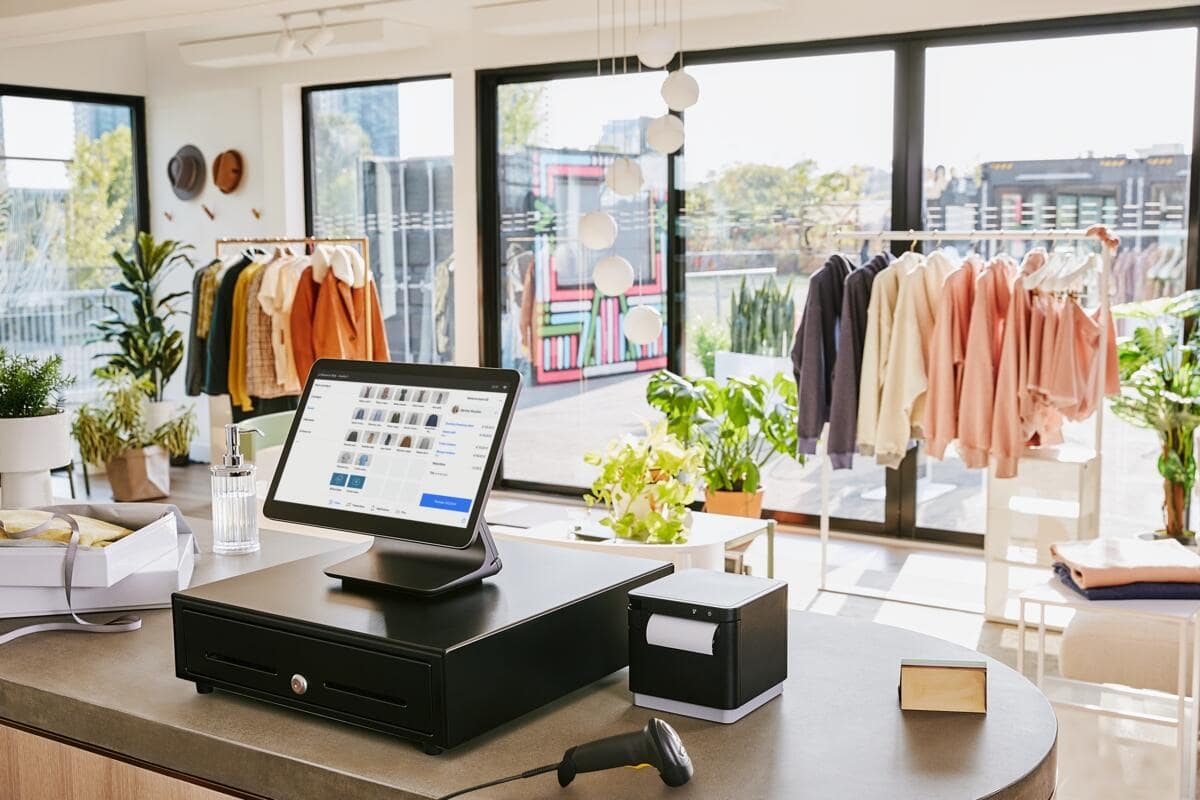
If you have a physical location, you can offer the option to buy online, pick up in-store in addition to standard shipping. This method lets customers place an order at your eCommerce store but pick up the order at your physical location when it’s convenient for them. While this can help cut down on shipping logistics and associated expenses, this method is only available to local customers.
6. Scale your eCommerce business
As you build out your eCommerce business, market your products and grow your customer reach, you’ll want to continue to improve your services so shoppers keep coming back. Once you’re established, it’s useful to analyze the success of selling products online and the potential to scale your business into a larger operation.
Determine profitability of selling online
Determining whether or not your online business is profitable is an essential part of selling products online, especially if you want to add new products to your online store or scale up your business in some way. Calculating your business profitability will help you determine whether you need to reassess your original business plan or if you’re ready to take the next step in business growth.
On a basic level, your profit is your total revenue minus your total expenses. Profitability is the measurement that determines how efficient you are at generating that profit. There are different profitability metrics you can track to gauge that, like your gross profit, which extracts your cost of goods sold from your revenue so you can know how much money you make after production costs.
Grow your business
If your online business is profitable enough to consistently surpass your break-even point, which is when revenues equal costs, it may be time to consider new opportunities for growth. Whether that means bringing on new products, taking your marketing efforts to the next level or exploring in-person shopping experiences to get in front of more consumers, be sure to reconsider your business plan and to use tools that will help you connect your eCommerce store with new aspects of your business.
Managing different aspects of your business from one place helps you streamline operations and gives you the right foundation to scale. For example, with Square, you can pull real-time sales reports across channels and locations, create personalized email or SMS marketing campaigns or track your team’s time without needing to juggle multiple platforms.
7. Analyze store performance
Tracking your store’s performance on a regular basis helps you make data-driven decisions, like refining your retail marketing strategy to promote your best-selling products, removing a slow-moving item from your inventory or addressing a shipping issue brought up in customer reviews.
POS analytics reports
As a business owner, you may have amazing instincts about the kind of products that will perform well with your audience and the kind of promotions you should run. But business performance reporting tools take those hunches to the next level by giving you actionable data to work with.
Your Square Dashboard can become a daily source of insights that help you drive more sales. You can zoom in and look at product-level performance, but you can also zoom out and take a look at longer-term trends. This knowledge leads to more intentional decisions, like running a two-for-one sale on your most popular product on Saturdays, when more people visit your website.
Customer reviews
Customer reviews contain a wealth of insights too. Look at what people are saying about your brand and products to identify strengths you can build on and areas of improvement you can address.
Do customers keep praising your high-quality materials? Talk about them in your marketing. Are they often saying they wish your product came in other colours? Consider adding new colour options to your inventory.
If there are recurring complaints, like comments about fragile packaging that gets damaged during shipping, you can work on making changes to fix those issues.
Tips for selling online
If you want to sell products online, it’s important to try different channels and strategies as you learn what works best for your business and customers.
Use the following tips as inspiration and track the impact of your efforts with tools like Square Dashboard to maximize your chances of success.
- Optimize for SEO: Target shopping-related keywords that your ideal customers are searching for, make sure your site is mobile-friendly and easy to browse, write clear product descriptions and leverage metadata to help your site show up in search results.
- Build a social media presence: Pick the platforms where your ideal customers are most likely to spend time and create different types of content to engage them, from educational tips to product recommendations.
- Partner up with other businesses: Network with other business owners to establish mutually beneficial partnerships, whether you promote each other’s brands on social media or host an event together.
- Grow your email/SMS list: Use tools like Square Marketing to grow your email and SMS list so you can deepen relationships with your community and drive repeat business.
- Consider PR campaigns: Getting featured in the media can generate buzz and boost online sales, so consider building PR campaigns around special events, new releases and seasonal trends.
How to sell online FAQs
What products can I sell online?
You can sell almost any type of product online, but if you don’t know where to start, think about the hobbies and interests that light you up and that you could talk about for hours. Consider whether there’s a potential problem you could solve with a product in that space, and do market research to understand whether there’s demand to support your idea.
Which products are the most profitable to sell online?
According to insights from IBISWorld, some of the leading online product categories in the U.S. include apparel and accessories, electronics, groceries, and health and wellness products. However, keep in mind that strong customer demand, effective pricing, and effectively managing expenses are the factors that impact whether a product is profitable online, so be sure to research, plan, and market your products accordingly.
What is the best platform to sell online?
The best platform to sell online is the one where your ideal customer spends time and is most likely to come across your products. For example, if you sell printables, Etsy might be a good place to advertise your designs, whereas if you resell wholesale apparel, Amazon may be the best place to start.
Where can you sell online?
If you’re wondering where to sell online, you have several options, some of which might make more sense than others depending on your business.
- Website: Sending people to your website through tactics like SEO helps you fully control the customer experience.
- Social media: Use platforms like Instagram and TikTok to showcase your product and send people to a checkout page via shoppable posts or a link in your bio.
- Marketplaces: Marketplaces like Amazon and Etsy are easy to set up and come with the benefit of built-in traffic and a trusted shopping environment.
- Email/SMS: Sixty-five percent of consumers told Square they prefer when retailers communicate with them by email, and nearly 40% lean towards receiving text messages from brands. Use those channels to send offers with call-to-actions (CTAs) and buy buttons.
- Mobile app: Building your own app – which a developer can do with Square’s APIs and SDKs – gives users a mobile-first, tailored shopping experience.
How can I legally sell products online in the U.S.?
To legally sell products online, you have to comply with the same rules as brick-and-mortar businesses. You’ll need to:
- Register your business as as a sole proprietor, LLC (common for online sellers), or corporation (often for larger or funded businesses).
- Get required licenses and permits. These may differ for online versus in store sales, so always check your local, state, and federal regulations.
- Comply with all tax laws. This means reporting all online income and keeping accurate records of revenue and expenses.
- Follow consumer protection laws, including clear product descriptions, honest pricing, and clear return and refund policies.
- Create legal pages for your website outlining terms and conditions, shipping and return/exchange policies, contact information, and other details required by the jurisdictions your selling in. Be aware of any privacy laws that apply to sales in certain states, like the CCPA in California.
- Use complaint payment processing that follows PCI-DSS rules for card payments, like Square. Never store customer credit card data outside of your compliant payment processor.
- If you’re selling internationally, you must follow shipping and international trade rules. Be sure to research and understand these requirements in the countries you plan to ship to.
Do I have to pay taxes on items I sell online?
Yes, your business must pay income tax on the sales it generates online. You may also be responsible for sales tax or self-employment tax. Be sure to understand what you’re responsible for at tax time by doing your own research or consulting a professional.


