



Table of contents
What Field + Fort understands is that a destination is rarely one thing. It is the antique you didn’t know you needed, the citrus garden you want to sit in, the savory porridge lunch you didn’t plan for, and the sense that every inch of this space is meant to be savored.
The white farmhouse sits in Summerland, California, a small coastal town just south of Santa Barbara, where the land slopes toward the Pacific. Kyle Irwin and his business partner Susie Bechtel opened Field + Fort in November 2019 to support their town in recovery.
As Irwin told the Montecito Journal when the shop opened, “After the Thomas Fire and mudflow, we began seeing the toll the disasters were taking on local businesses. We believed that if we committed to opening up a retail space, and committing to the community, that others would follow.”
Inside, a long table salvaged from a monastery anchors the room, and from the start it did something unusual. General manager Paul Burns still lights up recalling those early days. “It was really interesting in the beginning to watch people come and enjoy their food at that table and sit across from people they didn’t even know,” he said. “It was really a fun start.”
The name serves as a reminder of the intent, Field for the garden and Fort for the home, two halves made to bring people together. The community came for the place and keeps returning for the ritual, six years and counting.
We talked to Burns about the retail strategies that keep Field + Fort a daily destination.
1. Design your store for all five senses
Most retailers design a store you look at. Field + Fort designed one you experience with every sense.
Each sensory layer gives customers another reason to stay longer and come back sooner.
It begins with the arrival Burns describes with obvious pride, “It’s this beautiful white farmhouse building that has a nice veranda that wraps around it. We’ve got some beautiful old olive trees that frame the driveway, and you walk up to this really fun building that just invites you in,” he shared.
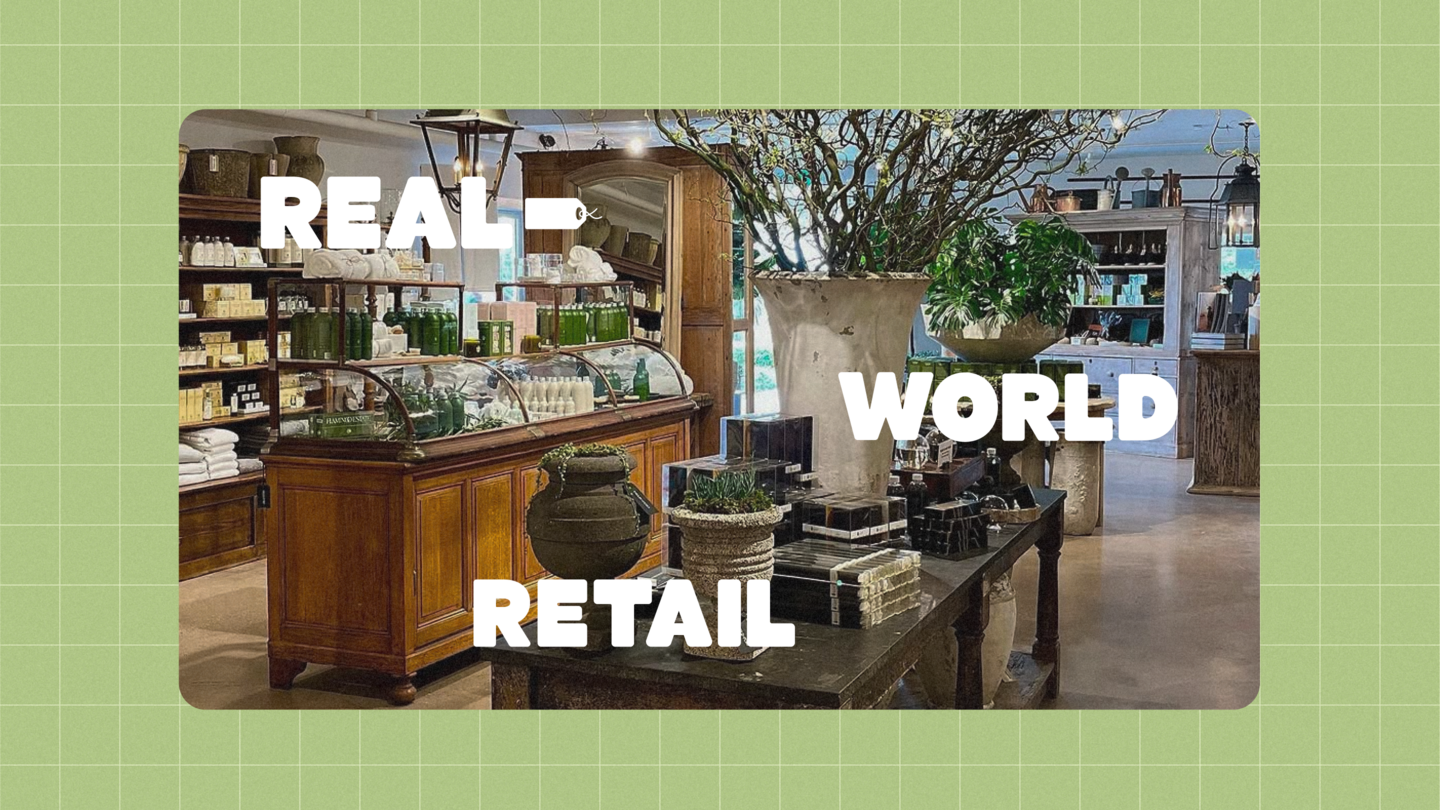
Inside, there’s scent, in the area where the store carries Trudon products, a centuries-old French perfumery, alongside refillable oil candles and locally poured wax in custom colors.
There’s taste, anchored by the cafe and coffee program.
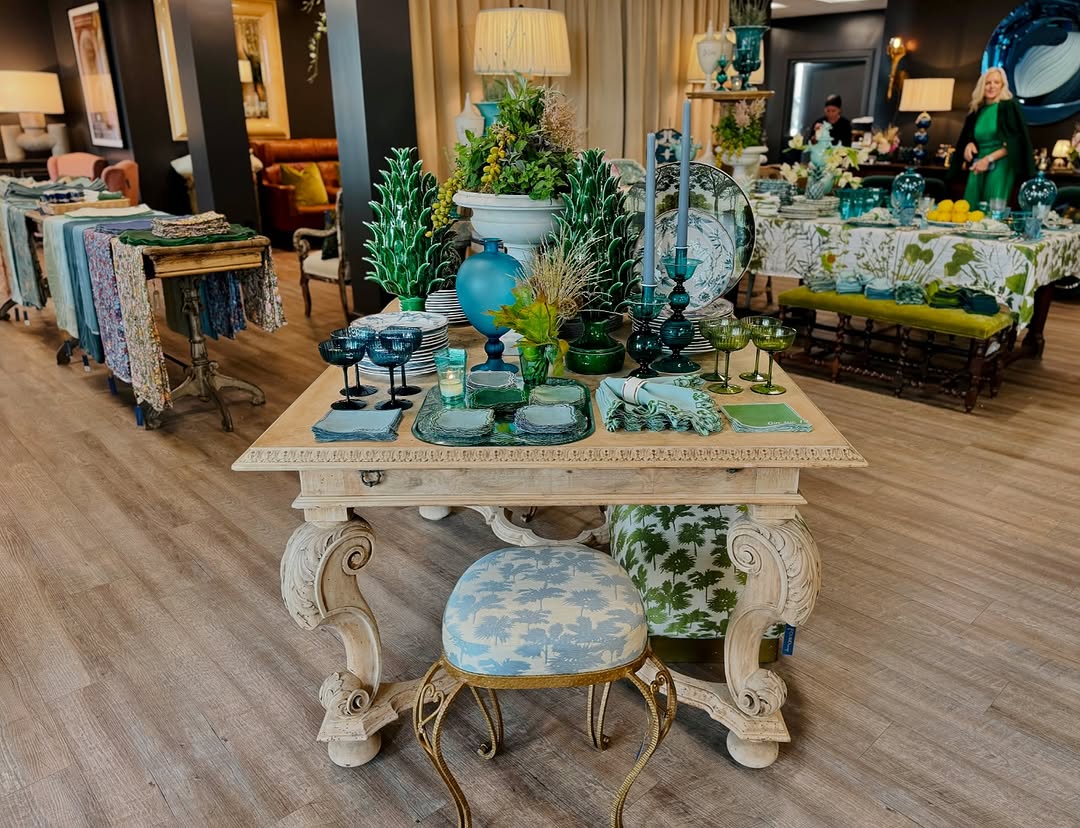
There’s touch, in the patina of layered antiques, the weight of vintage silver-plated hotel barware, the tabletop pieces from makers like Ginori and Sheldon Ceramics.
And there’s sound, in the hum of conversations across a shared table. Together, this creates an experience that you feel.
2. Anchor the experience in your people
Ask Burns what actually creates the Field + Fort experience and he says the staff.
I think the people are the main part of what creates this experience for our customers.”
Paul Burns → General Manager, Field + Fort
“We’re really proud of the staff that we’re able to retain,” Burns says. “They enjoy working here, we take care of our staff, everyone gets an order off our menu and has a shift meal, and we support them with vacations and work-life balance.”

That retention is what makes the experience repeatable and remarkable to customers. In retail, repeatability equals revenue.
The team knows the regulars by name and by order. Field + Fort hires carefully, often with a trial shift to see if the fit is real, and coaches in real time. “We’re big on providing feedback in the moment,” Burns said.
It starts with the leaders. Asked what most retailers get wrong, Burns didn’t hesitate. “Any business, from the top down, starts at the top and trickles down. The resources and support that the owners provide has been vital. Without that, we wouldn’t be as successful as we are today by any means,” said Burns. “I see other businesses fail because that is the first point of failure.”
3. Curate like it’s an obsession
The fastest way to make a store worth returning to is to always have something new. Field + Fort treats that as a discipline with the utmost care.
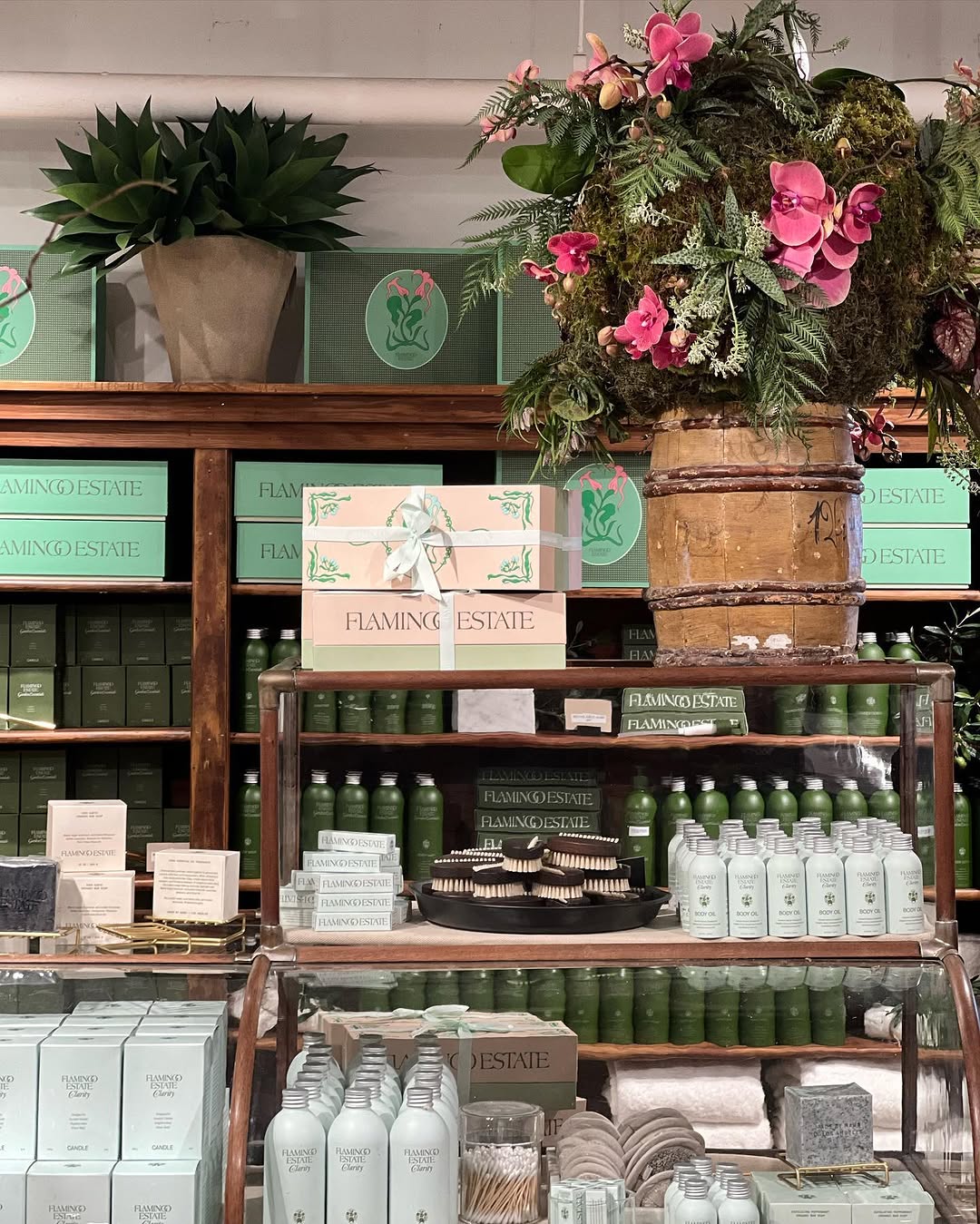
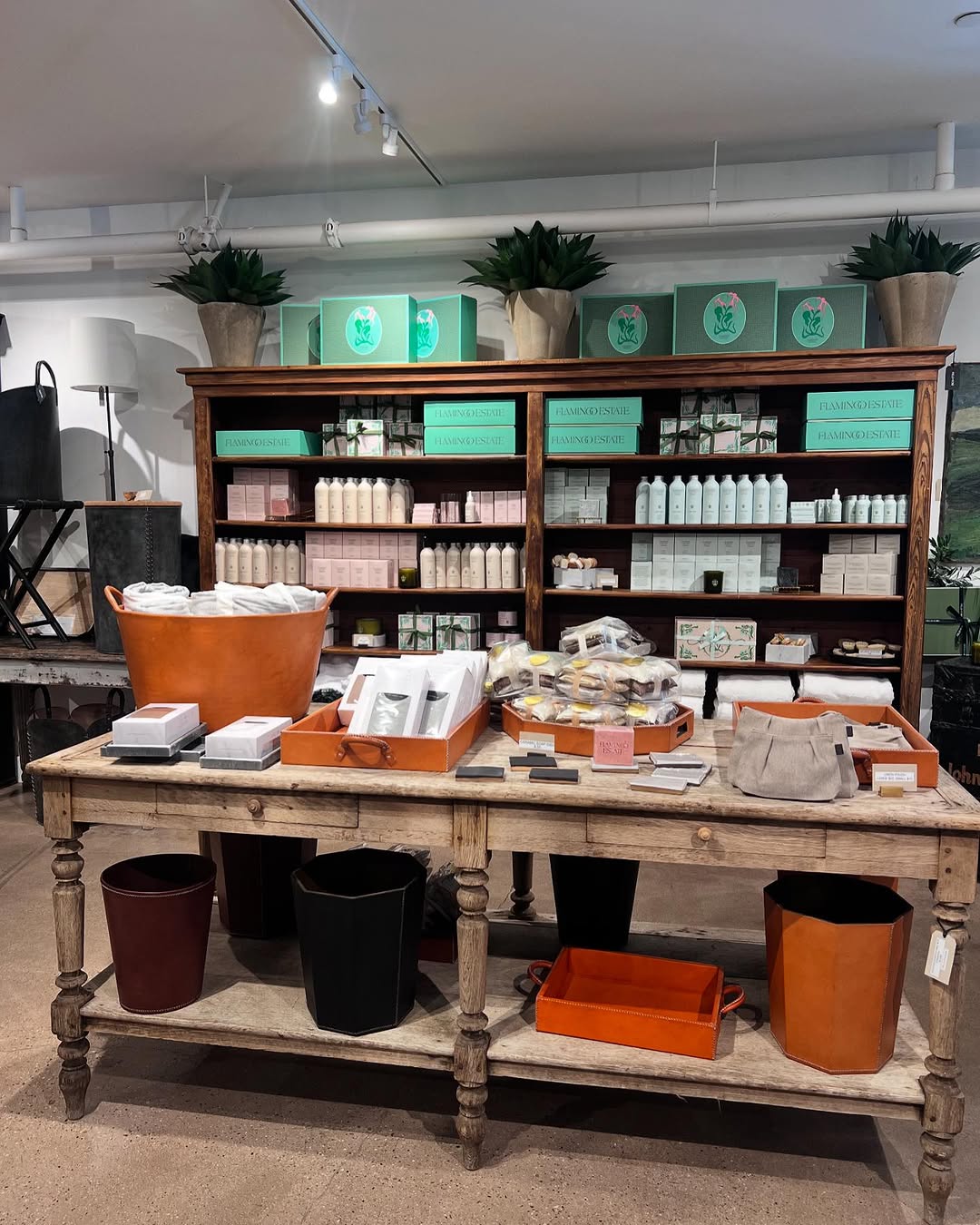
“We’re constantly curating. It’s an obsession at this point,” Burns said. “We try to keep it very fresh, with always something new to discover on repeat visits.” The team starts with foundational pieces, story-rich antiques with real patina. Then it layers in rotating brands like elizabethW out of San Francisco, Flamingo Estate out of Los Angeles, and monogrammed stationery from a maker in Palos Verdes presented in a giftable Lucite tray.
The harder half of curation is subtraction.
“There are times when you need to make a decision and move on from certain products or brands, and we’re not afraid to make those decisions,” Burns said. The owner is hands-on, the team is small, and products are edited out before they go stale.
That obsession with the curated object even extends to the tools behind the counter. When Burns describes why the store first chose Square Register, the answer is pure Field + Fort.
It’s a beautiful piece of equipment. It looks great on the counter surface.”
Paul Burns → General Manager, Field + Fort
In a store that curates beautiful things, even the point of sale has to earn its spot.

4. Welcome the whole household
A destination people visit once is a nice afternoon. A destination people visit daily is a thriving business. Field + Fort closes that gap by serving the entire household, including the four-legged members.
“We’ve got some customers with little furry friends who actually comment that their dogs look toward the store as they pass by, like, ‘Wait, why aren’t we going in yet?'” Burns said. The dog section with treats, leashes, and monogrammed collars draws the whole family in.
That design pays off in regulars who treat the place like a second living room.
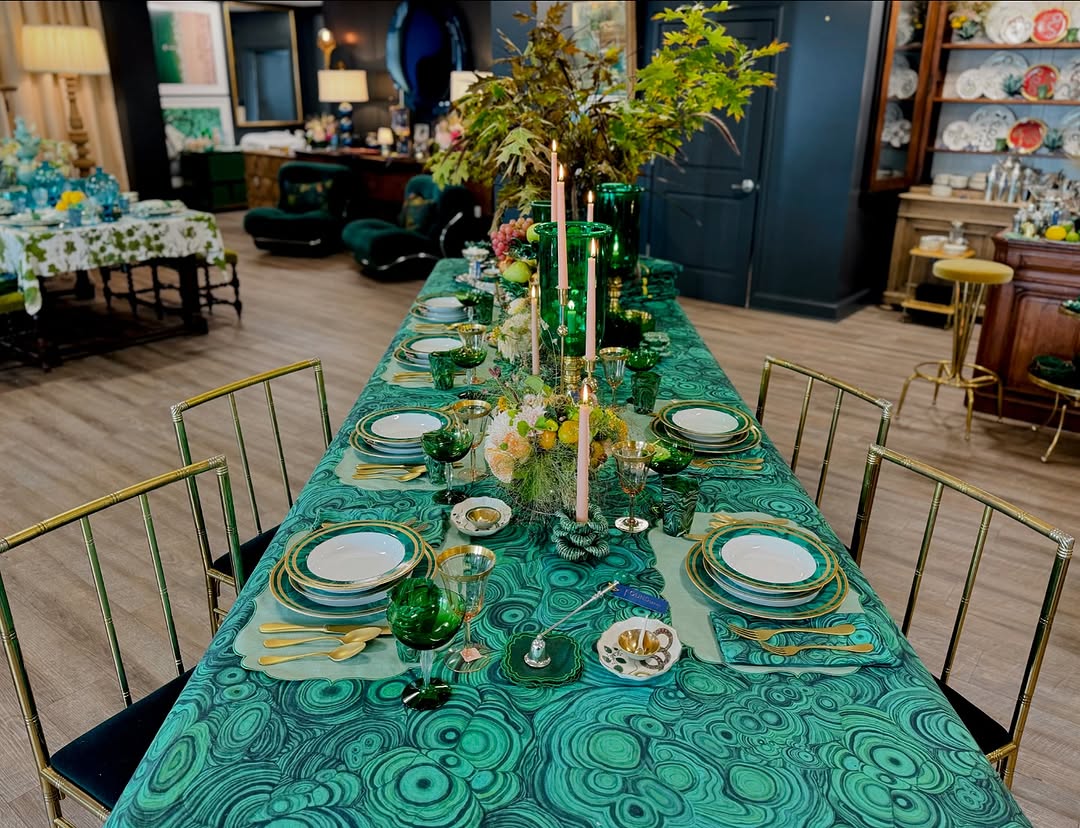
“A couple of customers who come every day get the same thing off the menu every time,” Burns said. “We ask, ‘Do you want to switch it up?’ And they say, ‘No! I love what I like!'” Some are interior-design clients of co-owner Kyle Irwin, whose design studio sits upstairs on the property. Some just come to see what’s new and say hello.
5. Protect quality at all costs
Every strategy rests on one non-negotiable.
“I just want to protect our quality at all costs,” Burns said. “Quality is number one for us, whether it’s in the service that we provide or the products we provide, food, or merchandise. And if something is not meeting our standards, we’re not afraid to let it go, change it, or fix it.”
Protecting quality across a cafe, a retail floor, a showroom, and now a second kitchen means the operational details can’t slip. That’s where the right technology earns its keep, clearing the path so the team can stay focused on the guests.
For Field + Fort, that’s meant leaning on Square as the retail operating system, and the partnership has grown with the business. “It’s a very user-friendly interface,” Burns said. “Square meets their customer demands and evolves and changes with the feedback they receive.”
The practical wins are the ones that protect consistency, like item management with photos attached to inventory, invoicing that pulls directly from stock once an order is paid, and the ability to personalize receipts with return policies. “We’ve noticed the development over the years and appreciated it.”
6. Stack businesses that share customers
Field + Fort has grown by adding complementary businesses that share a customer. It now spans a home and garden store, a cafe, an antiques showroom, and soon a second off-site kitchen, each one another reason to return.
The pieces feed each other. The retail floor draws browsers. The cafe, Feast, gives them a reason to linger and return tomorrow. The showroom next door, stocked with antiques, art, and garden finds, deepens both the visit and the basket.
When Feast outgrew its kitchen, the team decided to take over a building ten minutes away in Carpinteria with a full commercial kitchen, called The Larder. “We’re just maxed out,” Burns said. Going off-site expanded its capacity and let it finally answer a request customers had been making for years, to take the food home.
“I want you to take your tomato jam home,” Burns said. “We just didn’t have the ability to do that here.” Soon they will, with soup, sandwiches, a whole chicken with sides for dinner that night, grab-and-go that carries the brand beyond the cafe walls.
Prioritize growing in the areas your customers are already asking for.
The store worth the trip and the return
Most stores settle for being good at one of these things. Field + Fort runs all six at once: a space designed for every sense, a team it protects first, a floor curated like it matters, a welcome built for the whole household, a standard of quality it refuses to bend, and businesses that reinforce each other.
A destination earns the trip, but a daily destination earns the habit.
Field + Fort earns both, one repeat visit at a time with the customer whose dog steers them through the door, the regular who won’t switch his order, and the celebrities, like Anine Bing, who love it loudly enough to call it their favorite shop.