





Table of contents
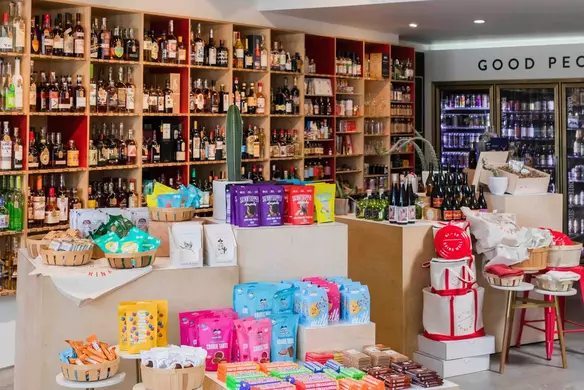
Bookstores and cafes. Trendy restaurants and must-have merch. Some business concepts are no-brainers. But today, hybrid businesses are going even further to blur category lines entirely, like a cereal bar that hosts game nights, an art gallery inside a plant store, or even a karaoke restaurant with a dog park.
Multi-concept businesses, also known as multihyphenates, are taking off as a way to satisfy customers’ penchant for fresh experiences while also helping owners stabilize revenue. In our 2026 Industry Trends report, featuring predictions from Square business owners, innovation was the top trend cited as a way to contend with macroeconomic pressures, including “re-strategizing offerings in a way that blurs category lines.” And according to our Future of Multihyphenate Business Report, 40% of customers are very or extremely interested in trying a new type of offering from a business known for something else.
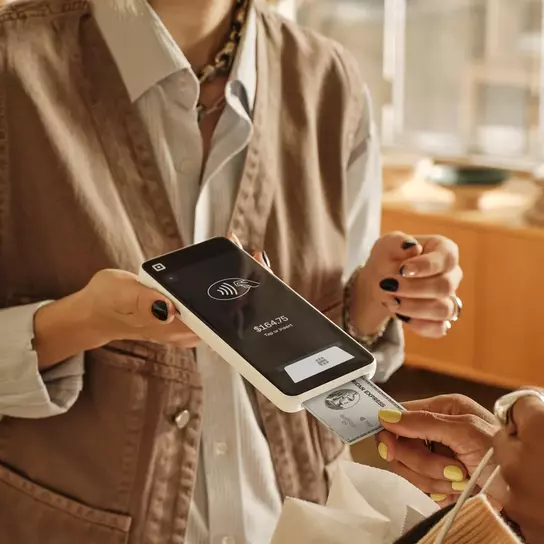
When most business owners hear “new revenue stream,” they think “new tools” and the research that goes along with them. The good news is that expanding your business model doesn’t mean replacing your point-of-sale (POS) system. In many cases, it means unlocking new ways to sell within the system you already use. The key is choosing a POS built to support multiple business concepts.
Change your business model without switching your POS system
When you launch a new revenue stream, certain elements need to evolve, like expanding your menus and product catalogs, or updating your pricing strategy to account for bulk discounts for catering orders or subscription tiers for regulars. You’ll also likely shift your staffing and workflows, like a restaurant accustomed to table service reorganizing to accommodate pickup windows and delivery zones, or a hair salon offering after-hours parties and bridal showers.
While those operational pivots demand focus, the underlying capabilities you need, like payment processing, customer relationship management, inventory management, and reporting, can stay the same. A sale is still a sale whether customers order at the counter or online.
Rather than adding disconnected software, Square Point of Sale brings these tools together in one integrated platform, so you can experiment with new offerings without rebuilding your tech stack.
Why a flexible POS is essential when adding a new revenue stream
Most entrepreneurs recognize that every piece of software adds friction:
- Reporting gets fragmented across dashboards, making it difficult to see the full picture of your operation.
- Customer data gets duplicated or siloed in different systems that don’t talk to each other.
- Staff training needs expand as you add new revenue streams, which can exhaust team members.
Experimentation can slow when you’re consumed by coordinating tech stacks, and often when you can least afford the disruption. With one POS solution, you can launch a new concept quickly, adjust on the fly, and recalibrate if something doesn’t pan out.
Case in point: Anand Upender, a San Francisco-based business owner and designer who runs the award-winning beverage pop-up, York Street Collective, recommends temporary spaces as a lower-risk way to fine-tune ideas. “Let your concept evolve based on real feedback, and use your tech to help elicit and collect that feedback,” he suggests.
Upender’s approach mirrors what many successful business owners have discovered about experimenting with new concepts. According to CapitalOne Research, 80% of retailers who opened a pop-up shop considered it a success, and nearly 60% said they planned to open another one. Testing concepts is easier without adding a new business tool to the mix.
How Square supports multiple business concepts
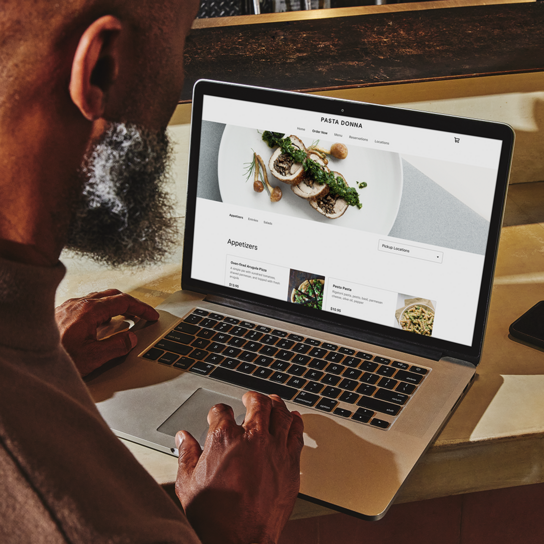
As the foundation of a growing business, a POS system can do more than process transactions. The right POS becomes part of your growth strategy when it’s designed to evolve with you.
When running hybrid revenue streams or testing new business ideas, the right POS can handle:
- Multiple selling workflows without requiring separate software for each one
- Shared backend data so inventory, customer profiles, and sales sync across every revenue stream
- Concept-level reporting that generates tailored reports
- Role-based permissions and staff management for teams working across different parts of the business
- Integrated banking tools that give you fast access to funds and visibility into cash flow as you grow
Square Point of Sale includes purpose-built modes — Quick Service, Full Service, Bar, Retail, Services, and Bookings — so you can tailor your setup to each concept without migrating to a new platform.
You can add the right Square products as you expand into new revenue streams, all within the same platform. That means you can add retail, services, classes, catering, or a café concept without replatforming, retraining staff on an entirely new system, or losing historical data.
Example workflows for multi-concept businesses
Here’s what a few example workflows can look like for multi-concept businesses:
Café with a retail shop
A coffee shop selling bags of beans, mugs, and local goods alongside drinks can run both workflows through Square. Drink orders can be customized (extra shot of espresso, please!) and sent to the bar while retail items ring up through Retail mode with built-in inventory management. With the right inventory setup, you can track whether a bag of beans was sold at retail or used as an ingredient — and view overall performance across both in one dashboard.

Brunch restaurant with a wine bar
A restaurant offering weekend brunch and an evening wine service can use Full Service or Quick Service modes by day, while tracking performance in one dashboard. While the morning crew rings up pancakes and mimosas, the night shift pours natural wine and serves small plates. Customer data stays unified, so you can invite brunch regulars back for a wine tasting using Square Marketing or Square Loyalty, all from the same platform.
Retail store with events
Sell games by day, host board game tournaments by night. Using Square, the evening crew can easily collect fees from attendees at the door and sell pre-packaged snacks and drinks to players. By keeping sales, customer profiles, and reporting connected, you can see which events drive the most revenue — and follow up with targeted promotions to turn attendees into repeat shoppers.
Whether you’re testing one new concept or building a portfolio of revenue streams, multi-concept businesses have gone mainstream. The right POS evolves with your goals, so when your business model changes, your tech is up for the challenge.
Learn how Square Point of Sale can help you add new revenue streams without switching your POS system.


