






Table of contents
If your business relies on appointments, complex schedules, or employee management, the right scheduling software can save you serious time and headaches. Here’s what you need to know about scheduling software, how it works, and how it helps different types of businesses run more smoothly.
What is scheduling software?
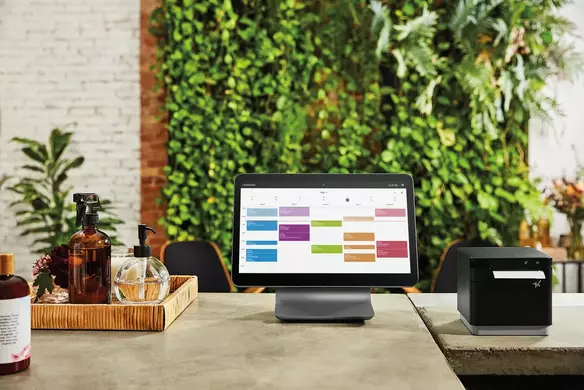
Scheduling software is a computer or application-based tool that helps businesses easily set up, track, and manage things like appointments, employee shifts, clients, and reservations. It automates the manual task of scheduling, helping coordinate availability, timing, and resources to make sure your business runs smoothly.
Scheduling software can help businesses:
- Book and manage appointments 24/7
- Coordinate staff schedules and resources across locations
- Assign staff members to specific appointments or tasks
- Send automated appointment reminders or notifications to clients
- Accept payments seamlessly at the time of booking, during service, or after completion
- Track customer preferences and history for personalized service
- Access insights and reports to optimize scheduling and performance
Different types of scheduling software
Depending on your business type and operations, certain features of scheduling software will matter more than others. Here are some of the most common types of scheduling software and what each does.
Appointment scheduling software
Appointment scheduling software is commonly used by service-based businesses to let clients book appointments directly. Health and beauty businesses — such as salons, barber shops, or fitness studios — and appointment-based businesses like consultants or accountants use appointment scheduling software for online bookings, syncing their business calendars, sending automated appointment reminders, managing staff schedules across locations, and collecting payment information (or a deposit) during booking.
Appointment booking software is also common among the services and trades industries. Contractors, auto shops, and field-based professionals rely on scheduling software to schedule and reschedule jobs, book consultations or service slots, manage customers, and collect payments (including integrated invoices).
Employee and shift scheduling software
Shift scheduling software is essential for businesses who need to manage staff schedules, time tracking, and shift assignments. Whether you run a multi-staff salon or a service team, shift scheduling software can help you assign clients to specific team members, manage availability and time-off, let employees swap shifts, and track performance, commissions, and payroll integration.
Some scheduling software, like Square Appointments, has built-in employee management features designed to schedule, assign, and track staff activity directly within your booking system for an all-in-one approach.
Class or event booking software
An increasing number of businesses are adding new revenue streams to cater to clients, often in the form of classes, events, or live tutorials. This could look like a retail shop offering personalized shopping events or private fittings, or a salon hosting after-hours classes for small groups. Scheduling software allows clients to book these experiences online, sends automated follow-ups and reminders, and helps facilitate payment.

How does scheduling software work?
A client might find a stylist on Instagram, click “Book Now”, and be directed to an online booking page showing open time slots. They’ll add their payment information, pay a $25 deposit fee at checkout, and then receive a confirmation email followed by an appointment reminder 24 hours before the appointment.
On the day of the appointment, they’ll be checked in by staff, receive their service, complete their full payment, and then get follow-up correspondence from the salon reminding them to book their next appointment. Everything happens automatically in a single platform, eliminating the need for spreadsheets, third party calendars or extra systems.
In practice, this is how scheduling software works:
1. Setup
A business sets up their scheduling software, defining business hours, resources, staff availability, service types, prices, appointment lengths, and specific employee shifts.
Businesses can also set up specific features, like no-show fees, deposits, or prepayment during the setup process. The scheduling software then syncs with your business calendars to detect existing events and avoid any overlap.
2. Customer booking
Once the scheduling software is set up, clients can book appointments with your business. Booking can take place online, through social media links, or via QR codes or in app-scheduling widgets.
As clients book, the scheduling software will automatically check for real-time availability and only show clients open slots. Once the booking is confirmed, the system automatically updates the calendar for all team members, ensuring no double-booking.
3. Appointment confirmation and notifications
After an appointment is booked, the scheduling software sends an automatic confirmation to the client via email or SMS with the appointment details. As the appointment nears, the software will send out automated appointment reminders to reduce no-shows.
4. Calendar and resources sync
Behind the scenes, your appointment scheduling software will sync these new bookings with your calendars, staff schedules, and any necessary room or equipment availability. If you’re using Square scheduling software, you can manage this seamlessly across multiple locations and employees.
5. Client check-in and payment
When the client arrives for their appointment, staff can mark their attendance, start timers, or record any upsell during service. Clients can pay on site, or use the card they provided at the time of booking.
6. Automated follow-up
Return business is imperative, so after their appointment, clients should receive an automated follow-up — either to thank them for their business, to book their next appointment, or to leave a review.
Businesses can also offer automatic rebooking, or send triggered marketing messages to clients about upcoming specials, offers, or appointment reminders.
Benefits of scheduling software
At its core, scheduling software replaces manual booking and helps businesses manage time-based services with a connected, automated workflow. The main benefits of scheduling software for businesses are:
- Time savings: Scheduling software automates repetitive admin tasks like booking, reminders, payments.
- Reduced no-shows: Deposits and auto-reminders can significantly reduce cancellations and no-shows.
- Improved customer experience: Allowing clients 24/7 booking access and professional confirmations make the booking experience easier and more seamless for customers.
- Better staff coordination: Automated scheduling software helps avoid double-booking and scheduling conflicts.
- Deeper business insights: Most scheduling software comes with analytics and reporting tools, which can track appointment trends, revenue, and repeat visits in a single dashboard.
How to pick the right scheduling software for your business
The right scheduling software for your business will depend on your operations and business type. Most scheduling software offers standard elements like appointment booking capabilities, deposit and no-show fees, calendar syncing, and automated reminders, but if you need more features — like a free online booking website or the ability to manage multiple locations or staff schedules — then it’s smart to find a tool that offers more advanced features.
Here is how the top scheduling software stacks up:
|
Square Appointments |
Vagaro |
GlossGenius |
Booker by Mindbody |
|
|
Best for |
Beauty, wellness, health & fitness, services, trades |
Beauty, wellness, fitness |
Solo stylists, suites |
Enterprise salons/spas |
|
Free plan available |
Yes |
No |
No |
No |
|
Onboarding |
Self-serve with live chat & guided setup |
Requires training for advanced features |
DIY setup |
White-glove onboarding |
|
Free online booking website |
Yes |
Part of subscription |
No |
Yes |
|
Booking experience |
Branded booking page, Google & Instagram links |
Custom booking widgets, app store |
Branded app & link |
White-labeled booking portals |
|
Multi-location calendar & staff management |
Yes |
Yes |
No, one location only |
Yes |
|
Built-in customer database / CRM |
Yes |
Yes |
Yes |
Yes |
|
Marketing Integration |
Yes, Square Marketing & Square Loyalty |
Yes, text/email marketing |
Limited |
Yes, marketing campaign tools |
|
Banking integration |
Yes, Square Banking (instant access to earnings) |
No, external bank transfers only |
No, external bank transfers only |
No, external bank transfers only |
|
Analytics & reporting tools |
Yes |
Yes |
Yes |
Yes |
How does Square scheduling software help small businesses?
Square Appointments is a connected solution that offers transparent pricing, scales with your business, and doesn’t require long-term contracts or any add-on fees. The connected Square platform unifies appointment scheduling, payments, cash flow, and reporting into one intuitive system, so your business can work smarter and save time.
“With Square Appointments I’m able to save 150 hours per month, which I can redirect toward customer service, operational management, and growth,” said Money Singh, owner and founder of Dandies Barber & Beard Stylist.
“Square’s exceptional speed and user-friendly interface distinguishes it from the competition. It’s the best platform I’ve seen in the industry thus far,” he added.
Similarity, The Beautiful Co. Hair & Lashes salon has leveraged Square to manage appointments, track complex inventory, and maintain a 95% customer retention rate.
“We’ve used Square from the get go when we were first starting. It’s been incredible as our demands have grown and our clientele has grown and our team has grown,” said Jessica Heckman, owner of The Beautiful Co. “Square has helped change the course and organize things and structure things for the business. So it’s been a blessing.”

Scheduling software FAQs
What is scheduling software used for?
Scheduling software is designed to help service-based businesses manage bookings, client relationships, and staff schedules all in one place. Scheduling software like Square Appointments can help businesses manage scheduling across different locations and staff schedules.
What is employee scheduling software?
Employee scheduling software helps business owners schedule, manage, and pay their staff efficiently, all from one a single platform. Employee scheduling software like Square Shifts allows business owners to schedule shifts, track reporting and attendance, and manage labor cost reporting, payroll prep, and compensation management.
What is the best salon scheduling software?
The best scheduling software for your business will depend on your business type and needs. Look for a platform that offers a free plan and transparent pricing, and be sure that the scheduling software will grow with your business and allow you to tap into features you may need in the future, like marketing capabilities, loyalty programs, and even banking tools to access your funds instantly.
What scheduling software options offer calendar integration?
Most top-rated scheduling software platforms offer calendar integration, including Square, Vagaro, Gloss Genius, Booker by Mindbody, and Acuity. While many scheduling tools simply sync appointments to your calendar, Square goes a step further by connecting your calendar directly to payments, customer communication, staff schedules, reporting, and cash flow. So instead of juggling disconnected tools, you get a single, real-time view of your business, making it easier to stay organized, get paid faster, and make smarter decisions as you grow.
Which scheduling software offers analytics and reporting tools?
Most scheduling software platforms offer analytics and reporting tools, but keep in mind that those tools report on appointments alone. Platforms like Square give business owners a more holistic view of operations by tying scheduling data directly to payments, staff performance, and real-time business insights, so businesses don’t just see what’s booked, they understand what’s driving growth.
Which booking platforms offer customizable booking pages?
All top-rated booking platforms offer customizable booking pages, including Square, Vagaro, Gloss Genius, Booker and others, but the level of customization varies:
- Platforms such as Vagaro and GlossGenius provide branded booking pages, service menus, and booking rules.
- All-in-one platforms like Square combine customizable booking pages with payments, customer communication, and business insights to keep all sides of a business connected.
- Enterprise-level tools like Booker offer the deepest customization but with more setup and complexity.
How does Square Appointments compare to other tools?
Square Appointments is an all-in-one booking and business management solution — not just a calendar tool. It combines scheduling, payments, client management, staff coordination, marketing, and banking, all within one ecosystem.
Here’s where Square stands out from competitors:
- Simple to set up, and easy for staff and clients to use
- Transparent, flat-rate pricing, with a free plan available
- No contracts
- Offers integrated team management and payroll capabilities
- Allows businesses to manage schedules across multiple locations and different staff schedules
- Offers more client booking experiences, including a free online booking site, Google integration, Instagram links, automated reminders, and booking through the Square Go consumer app
- Offers built-in tools to scale, like Square Marketing, Square Loyalty, and Square Banking


