


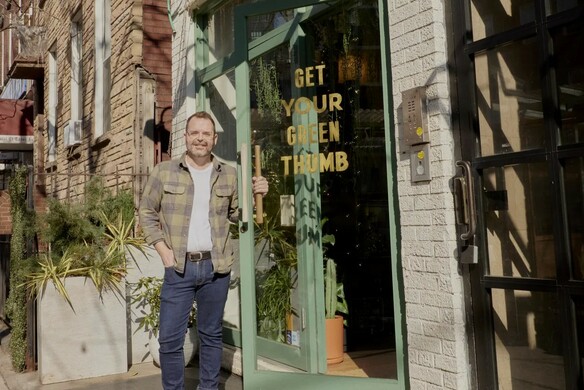


Opening a store wasn’t a foreign concept for Joe Ferrari. He spent two decades working with major fashion brands like Gap and Kate Spade, but opening a store of his own was new territory. After more than 20 years of overseeing operations, mapping customer journeys, and building out eCommerce, he had the scaffolding for success — and his passion drove him to start something on his own.
This new chapter started in 2018. Ferrari opened Tend Greenpoint, a 500-square-foot plant shop on a charming Brooklyn block. Nearly eight years later, he’s built the kind of neighborhood spot people fawn over and bring their friends and family to visit.
We spoke with Ferrari about leaving the corporate world, going out on his own to start a store from scratch, and what keeps customers coming back.
The following questions and answers have been edited and reformatted for clarity and length.

From corporate playbooks to neighborhood roots
You had a long and impressive corporate retail career. Why did you decide to start something of your own?
Ferrari: I always knew I wanted to run my own business. I loved retail, but I really wanted to be part of the decision-making – not just executing someone else’s playbook. Over time, in my career, I moved into operations leadership, where I oversaw store openings, eCommerce, and customer experience. By the time I had hit my 40s, I’d had an incredible run, but I knew there wasn’t another brand I wanted to completely start over with.
I took a sabbatical and enrolled in landscape design classes at the New York Botanical Garden to shore up what I already knew. I went back to work, but I couldn’t stop thinking about leaving. I finally left in January 2017, knowing it was time to start something of my own.
How did you land on opening a plant shop in Greenpoint?
Ferrari: Greenpoint is a rapidly expanding neighborhood, and it’s been my home for years. But I knew we didn’t have a dedicated gardening shop. My first step was printing out a huge map of Brooklyn and locating every single plant and garden shop in the borough.
For research, I visited as many as I could and noted what I liked about their business. Then, I read their Google reviews. Nine times out of 10, the biggest complaint was about customer service, and I thought, well, I come from a customer service background.
I also studied where new towers were going up, and whether or not they’d have balconies or rooftops. One night, I found myself walking down Franklin Street, and I saw the space. It was 500 square feet with a backyard that was visible through the storefront. I immediately called.
Before Tend, you were surrounded by prescribed store operations and playbooks. What did you borrow from that experience?
Ferrari: The operations world is where I’m most comfortable, and it translated to starting my own business. For the store, I wasn’t worried about what product I was going to carry. I wasn’t worried about where I was going to get shopping bags from. I knew all that stuff in my head. I was more concerned with negotiating a lease and figuring out how to get the store built.
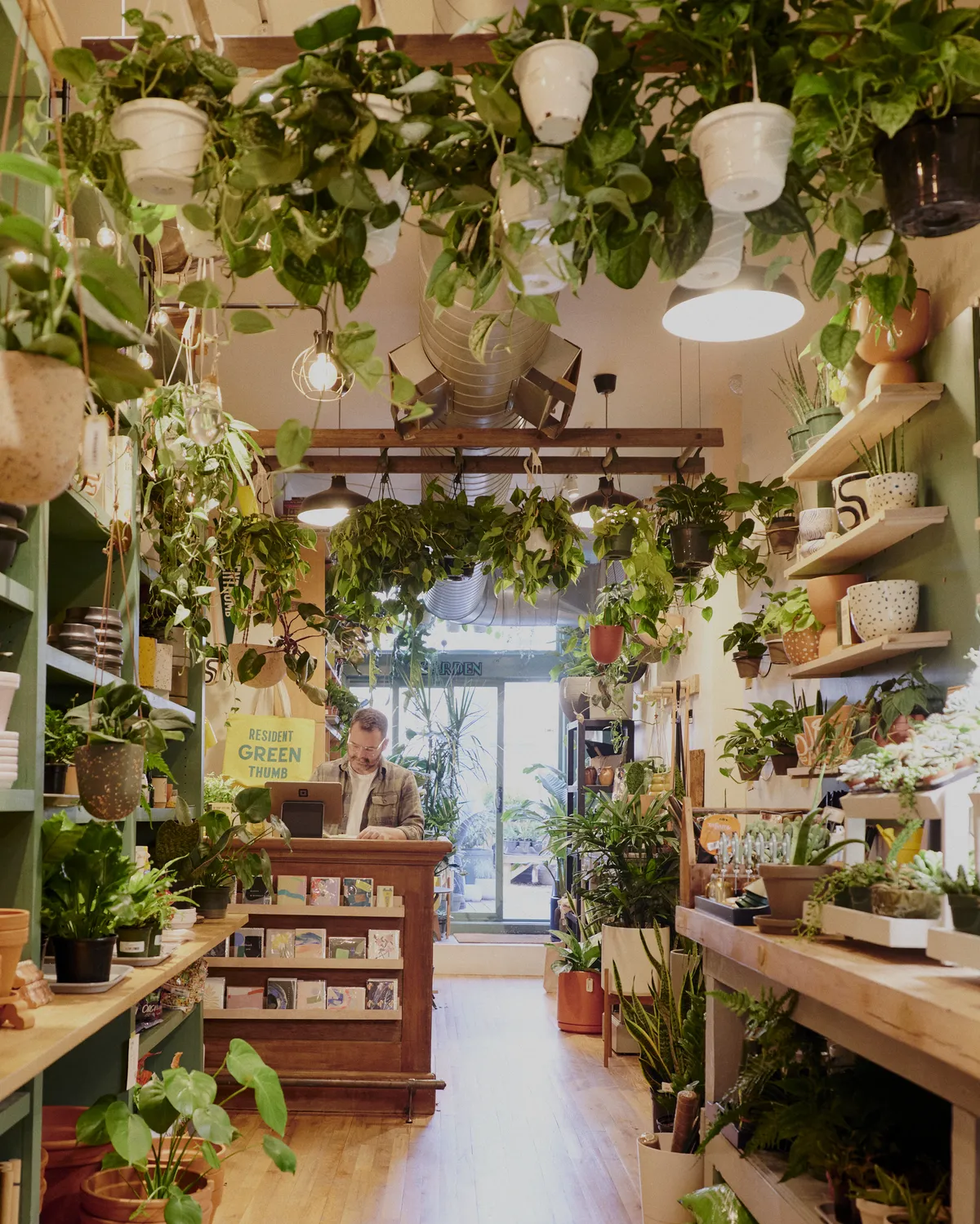
In the corporate world, I’d work with design teams for months before we opened a store, making sure stockrooms were properly structured. Before I opened Tend, I visited established nurseries and measured everything. How big is a standard tray of four-inch herbs? How many fit on a table? I even worked with a carpenter to maximize our capacity at the store. Our sales floor is 10 feet wide, at most, and eight in the middle.
I also applied the landscape design principles I’d learned to the layout of the store. The path winds through the space so customers can discover things as they go. We want that feeling of overwhelm when you walk in. The greenery. The music. Our custom candle scent. You smell the store, you hear it, you see it.
How do you think about the customer experience, starting the moment someone walks through the door?
Ferrari: Mapping out customer journeys was such a core part of my corporate career, and I carried that into Tend. We’re selling living things, and there’s a responsibility that comes with that. Most Tend customers ask questions before they make a purchase, and we’ve mapped out that conversation: Tell us about your light. What direction does your apartment face? Are there specific plants you’ve already had success with? It’s important to let the customer talk and then help them find the right thing.
We never let anyone walk in unacknowledged, but we won’t ambush you, either. You hear us say hello, you’ll get a few minutes to acclimate, and then we’ll check in. We also restructured our cash desk two years ago because it used to block the back of the store. We turned the register sideways, which is an operational headache, but now people can see that the path continues and explore the whole space.
Tend was originally opened as an outdoor gardening shop. How were you able to adapt your inventory as the business grew?
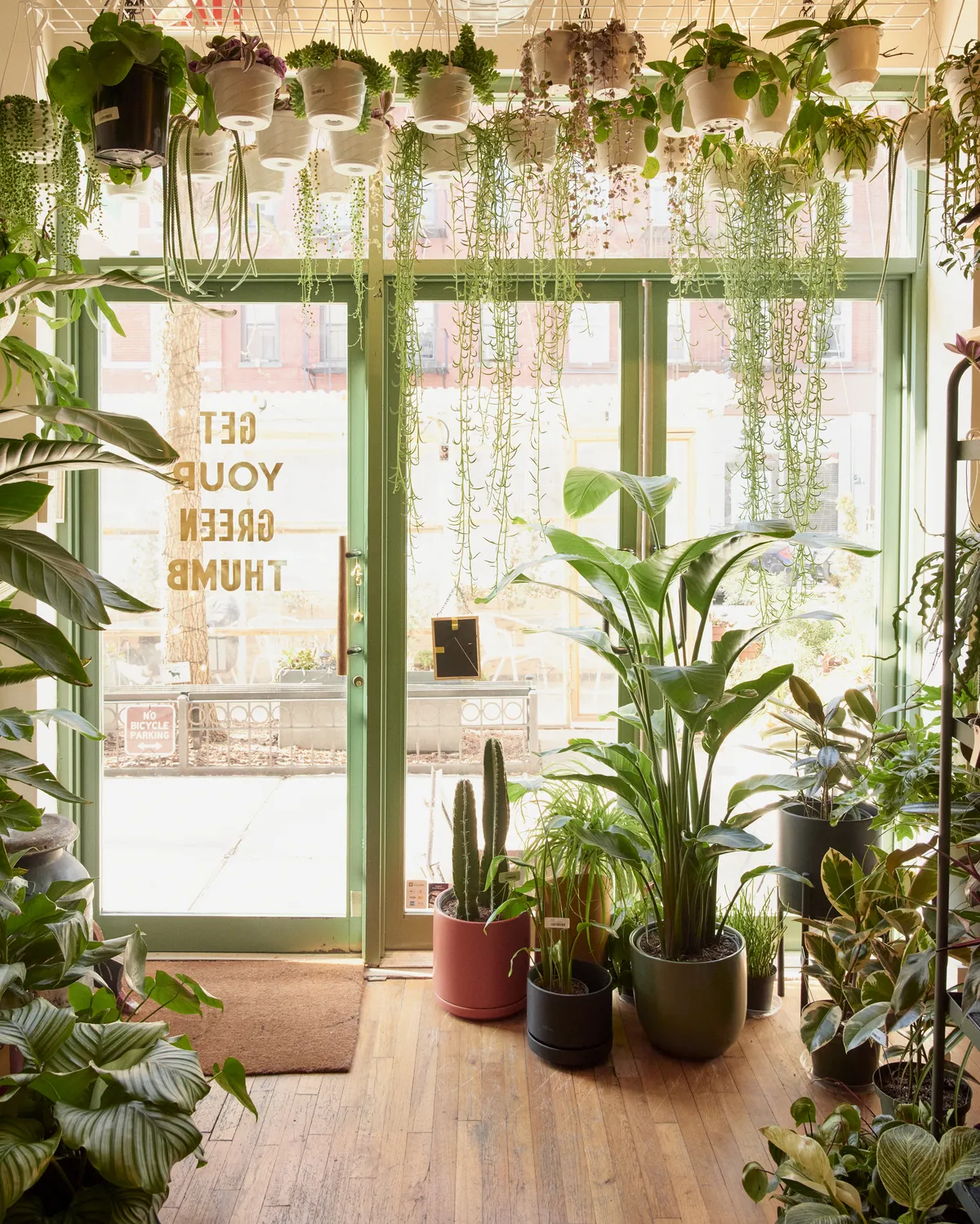
Ferrari: This was definitely the biggest early lesson. I opened Tend thinking we would cater to outdoor gardeners because Greenpoint has a ton of backyards and balconies. But the first weekend we were open, I found myself fielding back-to-back questions about houseplants. I had bought a tray of 20 small succulents as an afterthought, and they sold out within the first hour. Within six months of being open, it was clear that we were a houseplant store.
I was kicking and screaming because that wasn’t my vision, but customers were telling me what they needed, and I had to listen. Start with what your customer needs, with a peppering of what you want them to eventually need. If we didn’t carry potting soil from day one, I don’t think people would have kept coming back. My favorite sale actually isn’t the $1,000 order, but the person who pops in for a $3 terracotta saucer because they knew we’d have one.

What were some of the turning points that made you realize the business was working?
Ferrari: By 2019, we could feel the business building. New towers were opening in the neighborhood. New faces were showing up. I came from eCommerce and was adamant about Tend being an in-person business, but when the pandemic hit, everyone left the neighborhood, and we had no choice but to go online. We launched the website and did all our business there, but the business wasn’t really building. So last year, we launched local delivery, and that really helped our business a ton. Most of our online store orders are for store pickup or local delivery. Even when in-store traffic dips, eCommerce keeps us steady.
I also lean on Square analytics. I’ll be at a wholesale show and pull up my mobile dashboard to check on how a candle sold last spring before I decide to reorder it. I’m hyper-analytical, but I move fast. I just need to know where to find the data, and Square makes that easy.
What keeps customers coming back?
Ferrari: If you come into our store and you’re buying a plant, we encourage you to share your email address, beyond just for marketing purposes. Obviously, you’ll be in our email marketing service, but also, if you choose an email receipt, the first thing under each item is the care instructions for plants. That’s our way of ensuring that people have a place to re-engage with us.
We also send birthday coupons through Square Marketing and have practically zero unsubscribes. We run win-back campaigns and automate Google Review requests for regulars, but our biggest driver is genuine interaction. Customers bring their families to the store and show us how their plants are doing. That kind of bond doesn’t come from a points system. It comes from making people feel like they belong.

What’s the best advice you can give to someone opening or scaling up their retail shop?
Ferrari: There are three things you really need to focus on. First, know your traffic and know the need. This means mapping out your competition, visiting the stores that have lasted, reading the reviews, and understanding what’s missing. Go and see the ones getting all the attention on TikTok or Instagram. Not because they’re necessarily doing everything right, but what’s making them get the attention? You may realize it’s not authentic, and that’s not what you want.
Second, think carefully about your inventory. Start with the essentials to build out a repeat base, then layer in products that you feel express your brand. Third, none of this matters if you don’t genuinely enjoy talking to customers. Yes, you might love plants or coffee or clothing, but your business exists for the people who are walking through your door. If that’s not your strength, hire great salespeople. Make the customer the primary focus because that’s what determines whether a shop becomes a neighborhood staple or a spot that comes and goes.
Growth and evolution
Nearly eight years in, Tend Greenpoint is still evolving. Ferrari is fully tapping into his lifelong passion to own and operate something on his own, with a loyal customer base and a backyard filled with regulars who treat the store like an extension of their own home.
But the takeaway isn’t that corporate experience perfectly translates to small business ownership. The instincts Joe built over decades worked because he was willing to throw out his playbook and adapt when customers made it clear that he needed to shake things up.