



Table of contents
At Cherry Bombe’s Mentor/Mentee event in Atlanta, produced in partnership with Square, four standout women in food shared their journeys, their challenges, and why mentorship matters more than ever.
Mentorship isn’t always the first thing that comes to mind when we talk about running a restaurant. Chefs and operators are often so focused on managing teams, perfecting dishes, or balancing the books that the idea of carving out time to guide, or be guided, can feel impossible. But mentorship is one of the industry’s most powerful tools. It helps cultivate confidence, transfer knowledge, and, most importantly, keep talent in an industry that can be grueling.

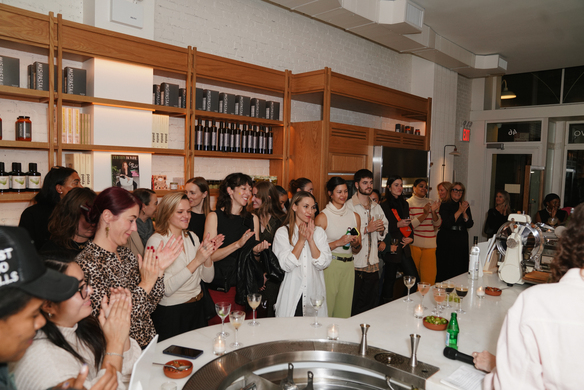
For Cherry Bombe’s recent Mentor/Mentee Dinner in Atlanta, we brought together some of the city’s top chefs and restaurateurs, each accompanied by a mentee. In addition to networking and a delicious dinner, guests were treated to an inspiring panel moderated by Cherry Bombe founder and Radio Cherry Bombe host Kerry Diamond with four dynamic voices—Deborah VanTrece of Twisted Soul Cookhouse & Pours and Oreatha’s At The Point, Mia Orino of Kamayan ATL, Katie Barringer of Lucian Books and Wine, and Forough Vakili of Le Bon Nosh. These entrepreneurs opened up about mentorship, their own career paths, and the lessons they’re passing down.
What emerged was an honest, inspiring conversation about why mentorship matters, and how you can start seeking or offering it in your own corner of the restaurant world.
Square Sidebar
Not all of them started in restaurants, and not all followed a straight path into the industry, but each became a leader by combining resilience, creativity, and a commitment to lifting others up. Their stories reflect what Square sees every day: entrepreneurs who carve their own way forward while building systems that support both their businesses and their communities.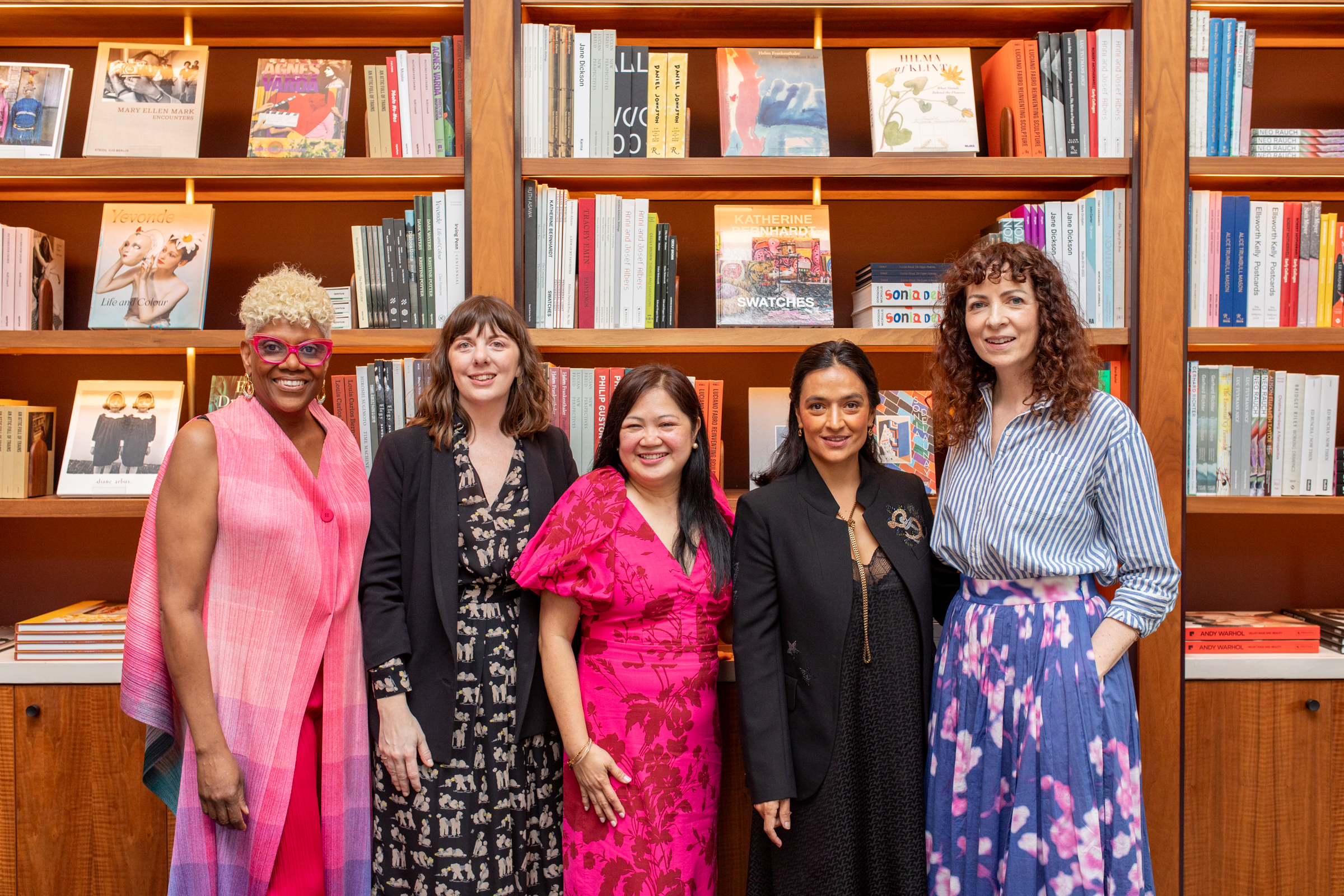
The Power of Mentorship: Lessons from Atlanta’s Food Leaders
Deborah VanTrece: “Be your own competition.”
Chef, restaurateur, and industry veteran Deborah VanTrece didn’t have a mentor when she started out. She pivoted into restaurants from a career as a flight attendant and had to navigate the challenges of being a woman—and a Black woman—in an industry that didn’t always welcome her.
Today, as the chef-owner of Twisted Soul Cookhouse & Pours, she sees herself in both roles: mentor and mentee. “I learn every day from everybody who’s in this business,” she told the crowd. Her advice for the next generation? “Be your own competition. Don’t get caught up in comparing yourself to others or chasing social media clout. Focus on your craft, set your standards, and keep working at being great.”
Square Sidebar
She noted that staying focused on the work—not distractions—was key to her success. Square reporting and analytics tools align with that mindset, giving restaurateurs like Deborah the ability to measure progress against their own benchmarks instead of chasing comparisons.
Mia Orino: Finding resilience and building legacy
Mia Orino didn’t set out to become a chef or to help lead Atlanta’s growing Filipino food movement. Her first pop-ups were inspired by her mother—who had recently been diagnosed with dementia—and by the realization that the city lacked Filipino restaurants.
“I didn’t even know how to turn on a commercial stove,” she said with a laugh. But she learned quickly, listening and observing while leaning on informal mentors. One of them was fellow Atlanta chef Jiyeon Lee of Heirloom BBQ Market, who guided her without ever officially calling it mentorship.
From those beginnings, Mia grew Kamayan ATL into a thriving brick-and-mortar. For her, mentorship is as much about honoring the people who shaped you as it is about supporting the next generation. She shared how cooking helped her heal and brought her mother joy in her last years, a gift that continues to fuel the way she mentors others in her kitchen.
Square Sidebar
As Mia’s story shows, scaling from pop-up to permanent space demands more than passion—it requires building new systems of professionalism and structure. Many restaurants at this stage lean on platforms like Square for payments, scheduling, and inventory, tools that provide stability without overshadowing the creativity and personal legacy at the heart of the business.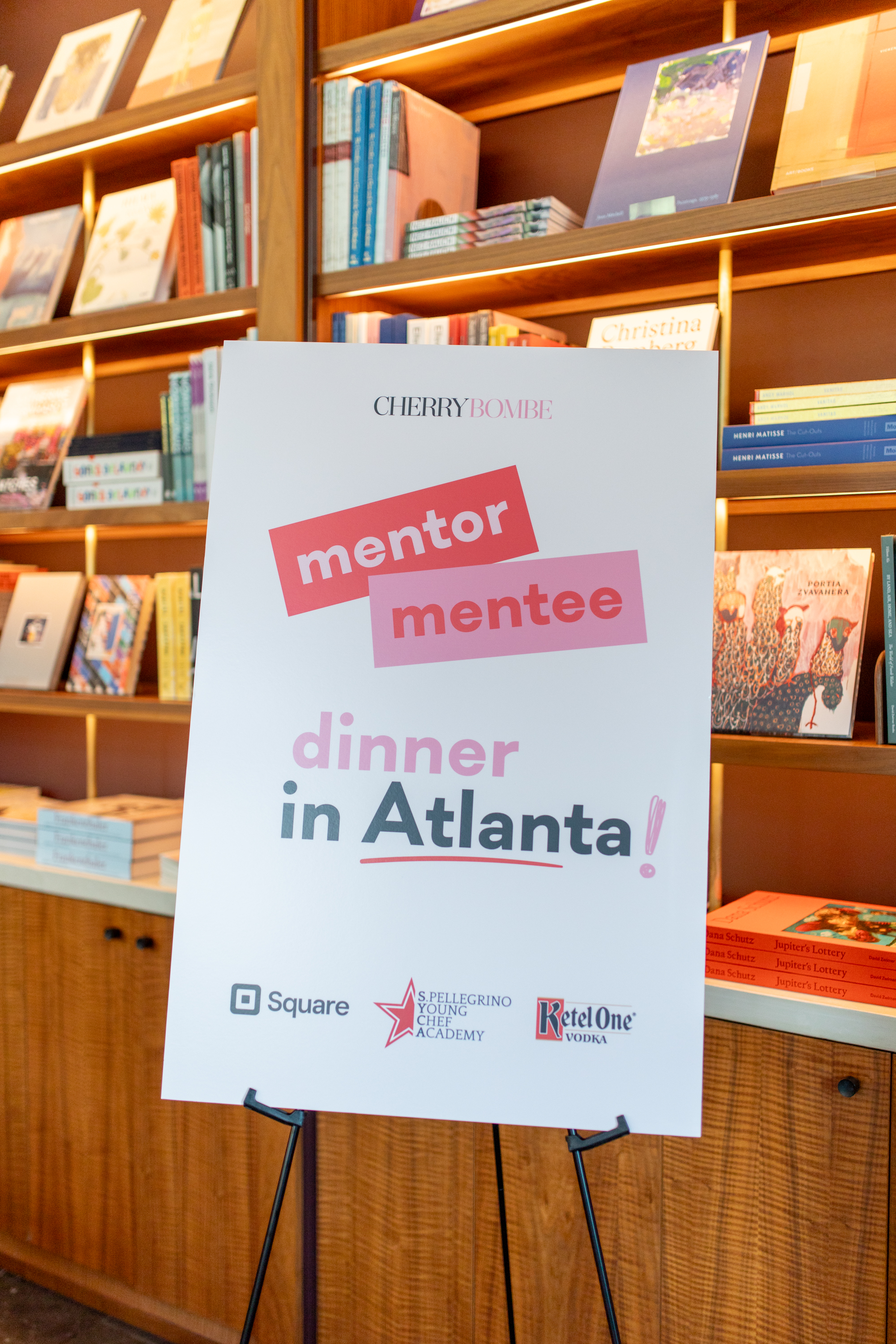
Katie Barringer: Protecting the spark
Katie Barringer, co-owner and general manager of Lucian Books and Wine, where the Cherry Bombe Mentor/Mentee event took place, believes good mentorship is about spotting and protecting someone’s spark—the thing that makes them special.
“When you identify that quality in someone, it’s your responsibility to nurture it, not stifle it,” she said. “Channel it, celebrate it, and give them space to grow.” Her advice to mentees? Find environments where your spark is recognized as an asset, not a threat.
Square Sidebar
Katie also emphasized the importance of clear, documented communication in the restaurant world. “If it’s not in an email, it didn’t happen,” she told the crowd, underscoring how important paper trails are for keeping teams and businesses on track. Tools like Square Invoices and Contracts echo this philosophy, giving owners a professional way to keep records and ensure nothing slips through the cracks.Forough Vakili: “You don’t need to know every step.”
Forough Vakili, the engineer-turned-chef behind Le Bon Nosh, didn’t come from a traditional restaurant background. Before opening her beautiful Buckhead eatery, she worked in engineering and consulting. What gave her the confidence to take the leap was a mentor—an early supporter who believed in her passion project.
Now, she encourages her team to embrace uncertainty. “You don’t need to know every single step on the path,” she said. “Dream big, take the first step, and trust that the rest will follow. The universe is working with you, not against you.”
Square Sidebar
Forough’s advice mirrors how many entrepreneurs start with Square—taking that first step with a simple tool like a card reader, then layering on payroll, banking, and marketing as their vision expands.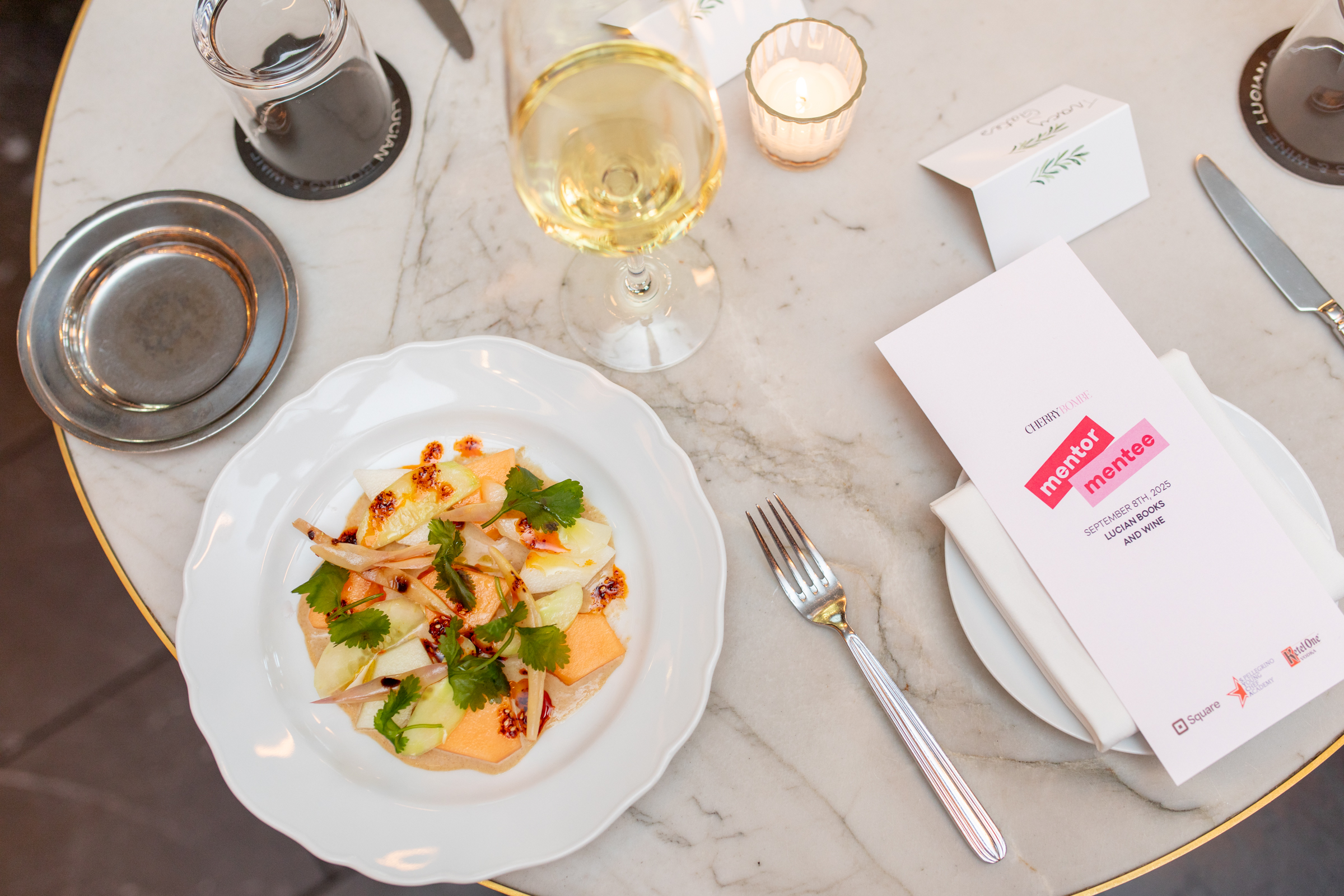
Key Takeaways for Restaurateurs
The Atlanta panelists shared wisdom that anyone in the restaurant industry can apply, whether you’re a chef, GM, baker, or barista:
- Mentorship doesn’t have to be formal. Sometimes it’s about listening, observing, and absorbing wisdom from those around you.
- Seek connection, not perfection. Mentorship often happens through everyday interactions, not structured programs.
- Protect your spark. If you see potential in others—or in yourself—find ways to cultivate it.
- Be your own competition. Growth comes from setting personal standards, not comparing yourself to others.
- Take the first step. You don’t need the entire road map before you start.

Why Mentorship Matters Now
The restaurant industry is at an inflection point. Staffing challenges, rising costs, and burnout continue to take their toll. Mentorship is one of the most effective ways to retain talent, share hard-won knowledge, and foster resilience.
Events like Cherry Bombe’s Mentor/Mentee series, powered by Square, spotlight the women who are doing this work every day—running businesses, shaping culture, and building pathways for the next generation.
For chefs like Mia Orino and Deborah VanTrece, Square is more than a POS—it’s a partner that helps streamline the business side so they can focus on nurturing people. Technology can’t replace mentorship, but it can help create the space for it to thrive.
The Future Is Female—and Mentored
As the evening in Atlanta showed, mentorship isn’t about hierarchy. It’s about exchange. Every chef, baker, and restaurateur on stage spoke about how they are still learning—even as they teach. That’s the future of restaurants: collaborative, curious, and committed to lifting one another up.
Square Sidebar
Just as mentorship provides structure and support, tools like Square give restaurateurs systems they can rely on—so they can focus on creativity, people, and growth instead of chasing receipts or reconciling messy spreadsheets.At Cherry Bombe, we’re honored to help facilitate these conversations. And at Square, we’re proud to share them, because mentorship and community are the foundations of a stronger, more sustainable restaurant industry.