




Table of contents
At the final stop of Cherry Bombe’s 2025 Mentor/Mentee series, in partnership with Square, three leading New York chefs—Missy Robbins, Ayesha Nurdjaja, and Dianna Daoheung—shared how mentorship, patience, and purpose keep their kitchens thriving.
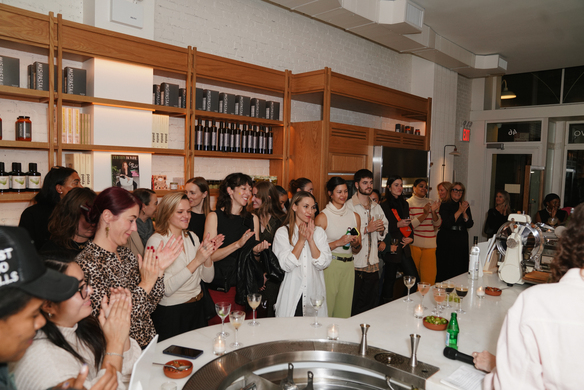
When it comes to building a lasting career in restaurants, talent alone isn’t enough. Success often comes down to the people who guide you—those who open doors, set examples, and remind you that growth takes time. That was the heart of the conversation at MISIPASTA in Williamsburg, Brooklyn, where Cherry Bombe hosted the grand finale of its Mentor/Mentee series in partnership with Square.
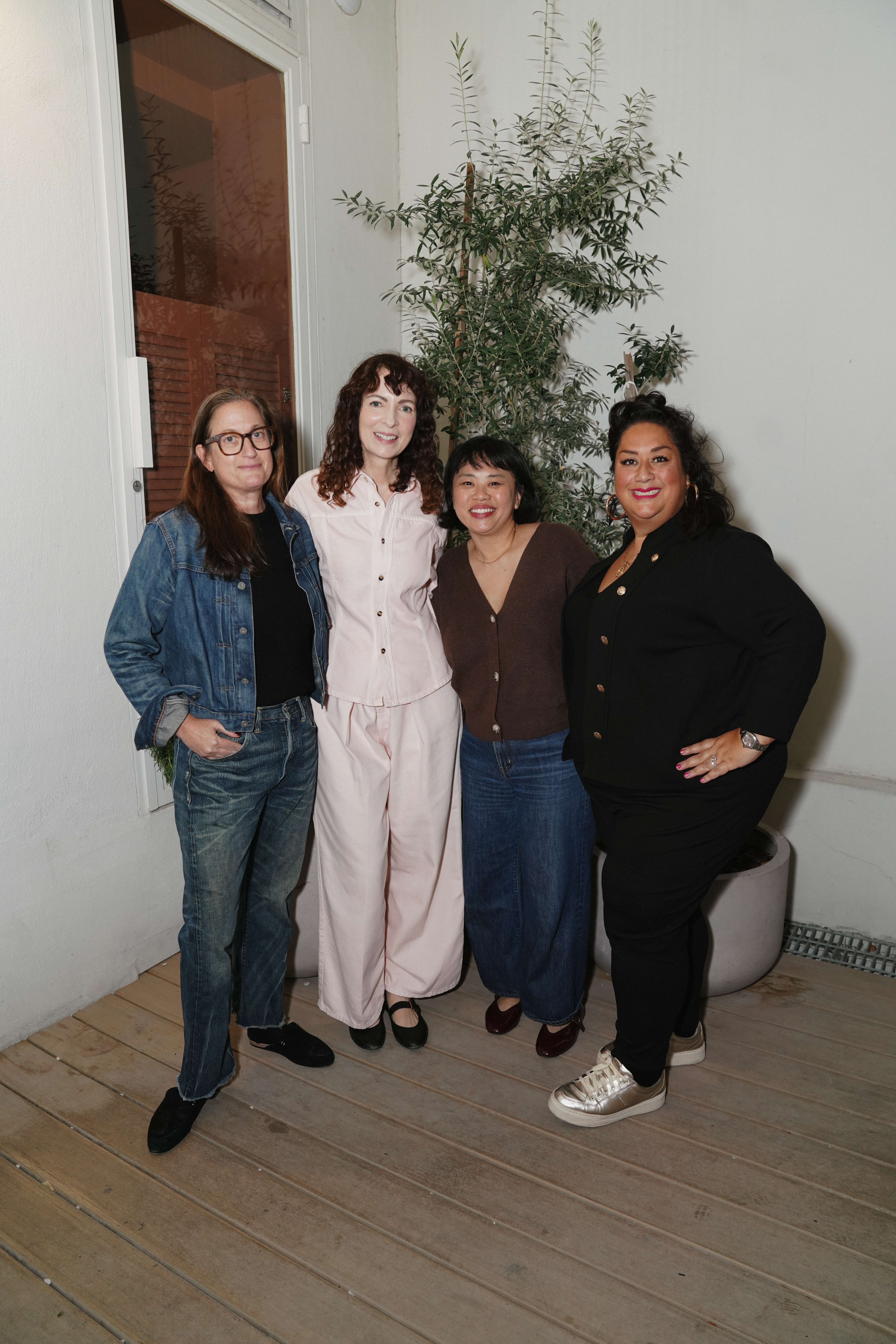
Moderated by Cherry Bombe founder Kerry Diamond, the panel brought together three New York culinary leaders—Missy Robbins, chef-owner of Lilia, Misi, and MISIPASTA; Ayesha Nurdjaja, the powerhouse behind Shuka and Shukette; and Dianna Daoheung, co-founder of Black Seed Bagels. Together, they shared how mentorship has shaped their careers and the importance of passing that wisdom on to the next generation.

The Long Game of Growth
For Missy Robbins, mentorship begins with patience. The Michelin-starred chef has spent years refining her craft, leading kitchens, and building a hospitality group that reflects her values. “It’s about showing up every single day,” she said during the panel. “Being consistent, being patient—it’s not always about the big wins.”
That message resonated with the audience of up-and-coming chefs and restaurateurs. In an industry that celebrates speed—new openings, viral dishes, overnight fame—Robbins’ advice was a reminder that sustainable success takes time.
Ayesha Nurdjaja, who leads two of the city’s most vibrant Mediterranean restaurants, echoed that sentiment. “You have to have a long view,” she shared. “There’s so much pressure to get everything right immediately. But mentorship is about giving yourself and others permission to grow over time.”
From Guidance to Grit
For Dianna Daoheung, mentorship often looks like creating space for others to fail—and then try again. As the founding baker at Black Seed Bagels, Daoheung has trained dozens of young cooks, many of whom had little baking experience before joining her team.
“I didn’t have a traditional mentor early on,” she said. “But I learned the value of leadership by realizing what kind of environment I wanted to work in. Now, I try to be the mentor I didn’t have—someone who listens, who encourages, who doesn’t make people feel small when they mess up.”
It’s a philosophy that also drives Ayesha Nurdjaja’s approach to leading her kitchens. “I tell my cooks: you’re allowed to make mistakes, but you have to own them,” she said. “That’s how you learn. That’s how you get better. And that’s how you build trust.”
Mentorship, the chefs agreed, isn’t just about career advancement—it’s about building cultures of mutual respect and confidence.
Simplifying Mentorship with Tech
For many chefs and restaurateurs, time is the hardest ingredient to come by. Square tools—like Team Management and Payroll—make it easier for operators to focus on mentoring their teams by simplifying scheduling, payroll, and tip tracking. Because when the back office runs smoothly, there’s more time to invest in people.Celebrating the Small Wins
Throughout the evening, one theme kept resurfacing: celebrate your wins, no matter how small. “We don’t do that enough in this industry,” Robbins said. “You’re always thinking about what’s next—what’s the next restaurant, the next review. But taking a minute to say, ‘We did something great today’—that matters.”
It’s a practice Ayesha Nurdjaja carries into her own leadership style. “We’re so focused on what we haven’t done yet,” she said. “Sometimes you just need to look around the room and recognize that your team showed up, your guests are happy, and that’s a win.”
For Dianna Daoheung, the little victories often happen in the quiet moments, watching a young baker pull a perfect batch of bagels out of the oven or seeing a former team member go on to open their own business. “That’s the best feeling,” she said. “When you realize you helped someone get there.”
The Power of Paying It Forward
Each chef agreed that mentorship is cyclical—today’s mentees become tomorrow’s mentors. “I see it every day,” Robbins noted. “Someone I taught ten years ago is now running a kitchen and teaching the next generation. That’s the ripple effect.”
For Nurdjaja, mentorship extends beyond her own staff. “It’s about the larger community,” she said. “Supporting other women in the industry, sharing information, not being afraid to reach out. That’s how we all get better.”
From One Restaurant to Many
Both Lilia and Misi, Missy Robbins’ acclaimed Brooklyn restaurants, use the Square Restaurant POS system to manage multiple concepts seamlessly. The Square integrated platform helps operators like Robbins focus on their craft while maintaining consistency and control across their business.Mentorship in Action
What does effective mentorship look like day-to-day? The chefs offered simple but powerful guidance:
- Be available, but set boundaries. “Your team should know they can come to you,” said Nurdjaja, “but also that you trust them to handle things on their own.”
- Lead with empathy. “Everyone’s carrying something,” Daoheung added. “The best mentors remember that.”
- Invest in your own growth. As Robbins put it, “You can’t pour from an empty cup. Keep learning, keep challenging yourself.”
The chefs also reminded attendees that mentorship doesn’t have to be formal—it can be a conversation, a shared meal, or a moment of encouragement that shifts someone’s path.
Mentorship Meets Metrics
Great mentorship builds great teams—and great teams drive business results. Square’s real-time sales and labor insights help operators identify their strongest performers and understand how mentorship impacts efficiency and morale.
Building the Future Together
As the evening wrapped, the mood in the room was hopeful. These three women—leaders, mentors, and change-makers—had not only built extraordinary careers but created communities around them. Their stories reminded everyone in the audience that mentorship isn’t just a one-time act—it’s an ongoing exchange that strengthens the entire restaurant ecosystem.
At Cherry Bombe, we’ve seen that firsthand throughout our national Mentor/Mentee series. And with partners like Square supporting small businesses at every stage, the future of mentorship, and the restaurant industry, is in very good hands.