




Table of contents
I’m confident that no singular food item has weathered more technological disruption and innovation than pizza. Not only is pizza an original delivery food — the first pizzas were delivered in America around the end of World War II — but it’s also survived waves of change, including the rise of national chains, the spiking popularity of delivery apps, and robots that promise to prep, cook, and even deliver by land or by air.
Plus, Americans love it. In a survey taken a couple years ago, about one in five Americans rated pizza as their favorite food. Another analysis found that over 10% of Americans eat pizza on any given day. And while that particular data point is five years old, the industry clearly sees a bright future: In a survey conducted by industry publication Pizza Today, most pizzeria operators — close to 80 percent — expect their sales to rise this year. According to internal company data, Square recorded over 36,000,000 sales transactions at pizzerias last year.
All this to say: The pizza business is booming as operators embrace more change to keep diners happy (and fed). There’s something about pizza that lets tech handle a lot of behind-the-scenes labor, making pizzerias, in my opinion, especially well-positioned to ride the next wave of tech intervention: artificial intelligence.

Different locations, different diners, but the same technology.
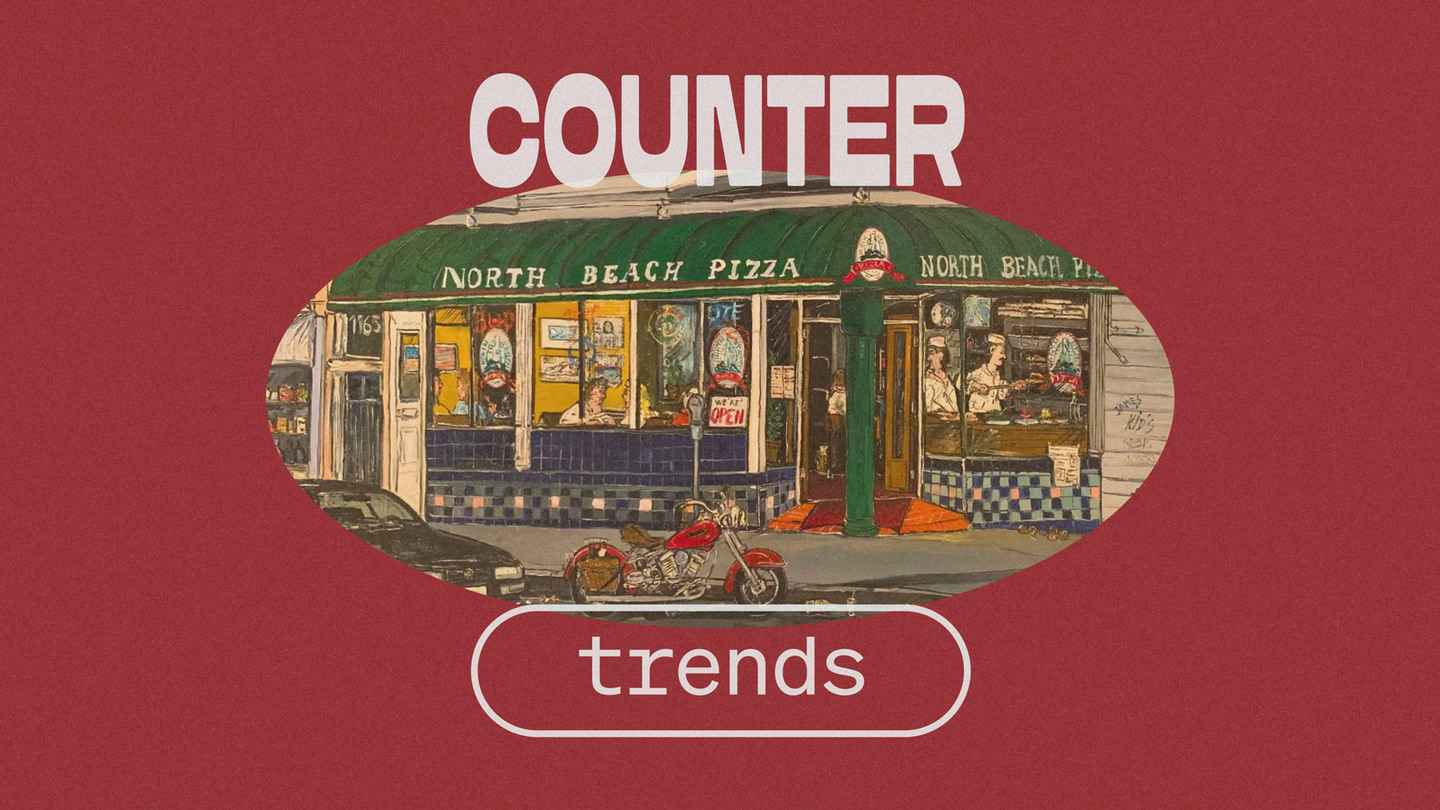
North Beach Pizza opened its original location in San Francisco, the current center of the AI universe, in 1982. In the decades since, the business expanded to six more Bay Area locations, stretching an hour south to Half Moon Bay and across the San Francisco Bay to Berkeley. Like the broader pizza industry, it’s seen a lot of change in 43 years; the original location in North Beach, a historically Italian neighborhood, sits just a few miles north of the companies that are spearheading AI development for everyday life.
Alexander Leniv, who manages the pizzeria’s flagship location and technology for the entire group, identifies as a personal technology enthusiast. He’s excited about AI’s potential, broadly, but also pragmatic about the way it can transform business operations.
“The next step I’m thinking is, ‘Ok it looks cool, but how can it be efficient for myself, for what I’m doing, for the business in general?’” he told me in a recent interview. “I know it’s capable of giving me data, but I’m not using it just for fun.”
So far, he said, the AI that’s now baked into the pizzeria’s Square Point of Sale system can give him clear and fast answers to questions about sales and performance at each location, augmenting the information he already understands after years in the business with the type of specific, real-time data that allows him to act quickly to make the business work even better.
Pizzeria employees already know what menu items tend to work best from store to store; the North Beach spot, for example, receives an outsized number of catering orders, routinely delivering extra-large pizzas and trays of wings to nearby offices. Or, south of the city near the beach in Half Moon Bay, restaurant customers prefer to linger over salads and small pizzas.
“They’re not in a hurry,” Leniv said.
But AI that stretches across locations goes deeper, helping to quickly identify repeat catering customers or analyze sales data to flag a particularly well-performing salad. It gives fast answers to straightforward questions — “How many customers placed orders over $200 in the last month?” — saving Leniv from manually combing through sales data to find the same insights. That information informs broader company decisions, like localized marketing, advertising, and menu strategies, and it all happens much faster with AI.

People are embracing AI, and feel its benefits while dining out.
An October McKinsey analysis found that roughly half of consumers are using AI-based search to make purchasing decisions. This figure spans industries that include grocery and travel and is not specific to food or restaurants. But the trend is clear: People — consumers, buyers, diners — are quickly getting comfortable with AI. (44% of AI-powered search users say it’s their “primary and preferred source of insight,” per the report.)
It might matter less to diners (even those that are, like Leniv, professed AI enthusiasts) that their favorite local pizzeria is using AI to streamline its back-of-house operations, but they’ll probably notice its effects.
Automating as many daily operational tasks as possible improves the quality of service, Leniv explained. It reduces labor costs, minimizes errors, and boosts sales — all long-touted benefits of AI in restaurants, but vital to its successful implementation. In the distinctly human business of hospitality, letting the software handle the heavy lifting lets the humans handle the parts that should stay humanized.
That, and, the computers don’t get exhausted after a long and busy shift.
“By the end of the day, when I have a lot going on in the restaurant… [I can ask] a broad question and getting a straight answer,” Leniv said.