




Table of contents
Molly Moon-Neitzel knows her salted caramel ice cream isn’t for everyone. It’s super salty — in the best way, she says — and inherently craveable. Three-quarters of her customers at Molly Moon’s, an 11-location ice cream shop based in Seattle, love it. For the remaining quarter, Moon-Neitzel suggests another flavor.
Salted caramel has been a popular dessert mainstay for at least two decades. But Molly Moon’s is different. “Once you have my salted caramel ice cream,” Moon-Neitzel said, “you will never order a salted caramel again.”
I haven’t yet tried Moon-Neitzel’s version but support a confident bet on bold flavor. It’s the kind of move that makes an independent business stand out in a sea of chain store same. It’s also maybe a little bit risky. “I’m not allowed to do customer service anymore,” she admitted during our interview. I laughed even though she wasn’t joking because her honesty and commitment to a polarizing choice was perfectly on brand.
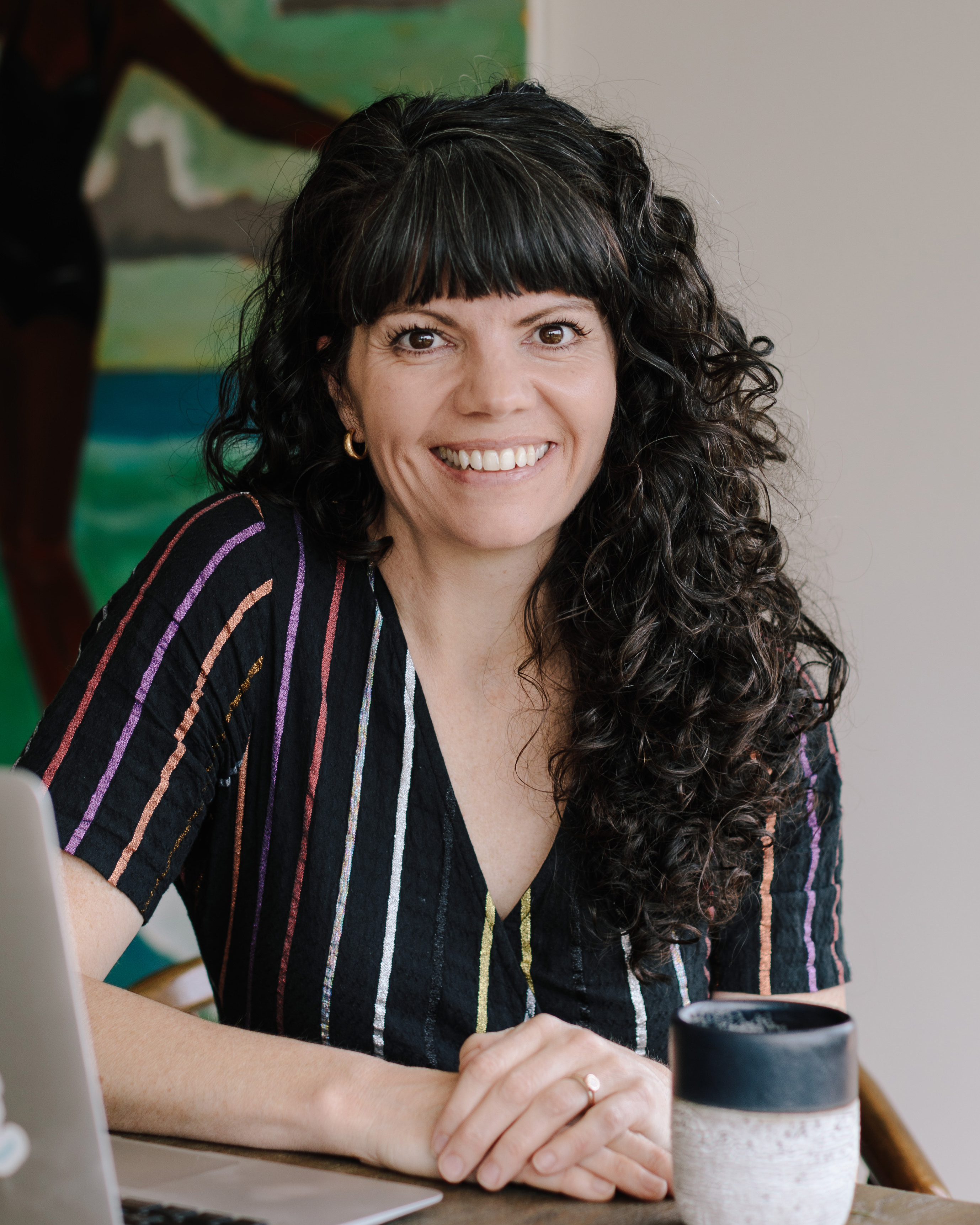
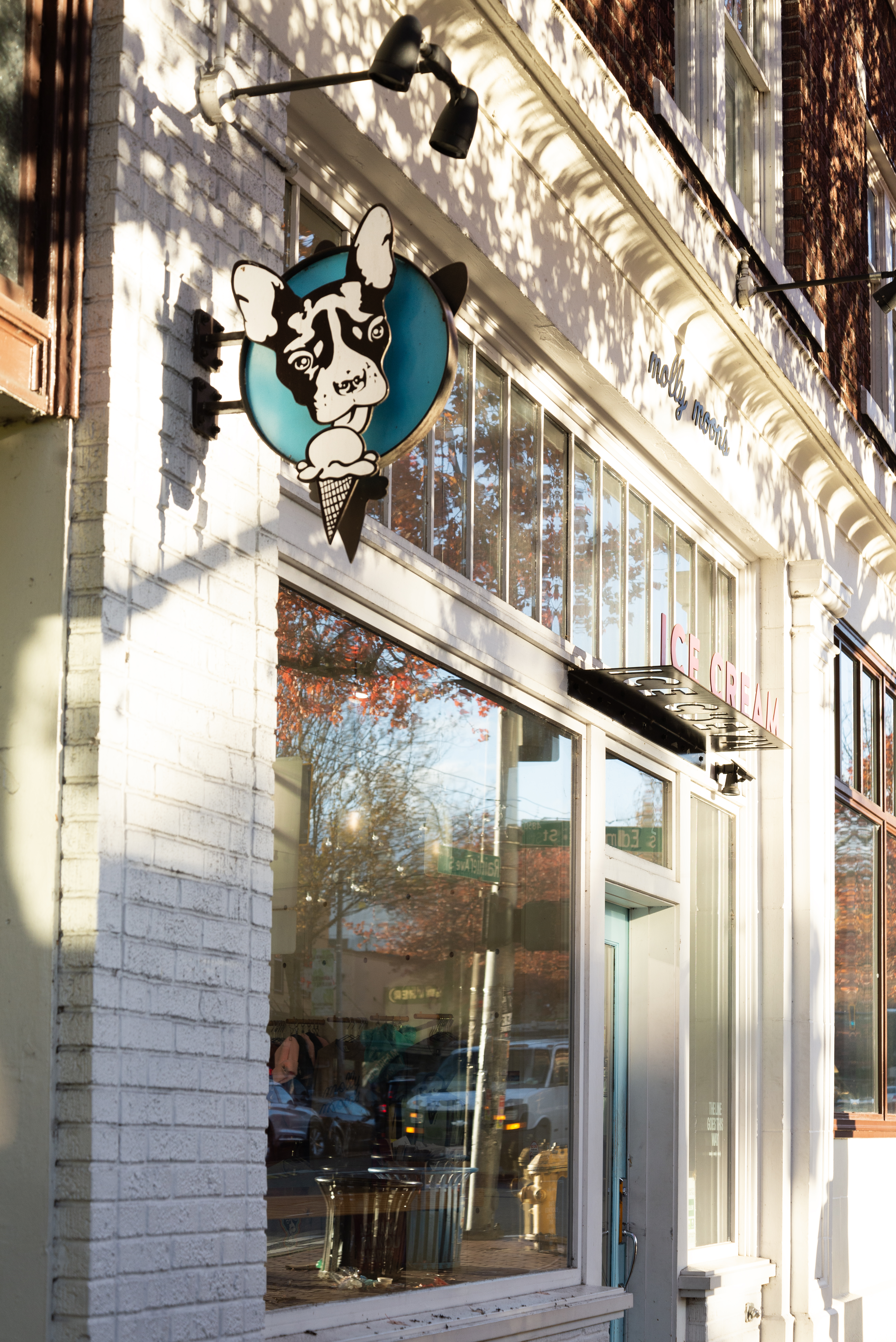
This is a story about ice cream, but it’s also a story about what’s most important inside a hospitality business. Moon-Neitzel, an outspoken community activist, started the business as a kind of experiment. After years of running a political non-profit, she was curious if she could also run a for-profit business that aligned with her values. She landed on ice cream, in part, because she spent her college years working in a Missoula, Montana ice cream shop. (She called the shop’s owner for his blessing before opening and even used his industrial ice cream maker to write her now legendary salted caramel recipe.)
There’s a bigger lesson in the recipe that, at one point, accounted for a third of the company’s sales. As Moon-Neitzel describes it, identifying and sticking to strong beliefs and values — values like care and community that transcend polarizing culture and politics — is critical to Molly Moon’s success. The business is on track to pass $15 million in sales this year.

From day one, a values-forward strategy has helped Molly Moon’s grow — fast.
Molly Moon’s opened in Seattle’s Wallingford neighborhood in the spring of 2008. Since its first day in business, the company has covered employees’ health insurance and provided a living wage while serving ice cream made from local and organic ingredients in compostable packaging. And also since day-one, Moon-Neitzel has been loud about it. Customers listened, and many decided to visit because of those values. (I assume they stayed for the salted caramel.)
“We were crazy successful from day one,” she said. “Within the first two months, I was negotiating a lease on the second store, and I didn’t even want a second store.” Two stores became three, then four, and now, 17 years later, Molly Moon’s is still growing its footprint and about to start construction on its 12th location.
It sells pints in 150 local grocery stores. And it still offers a host of benefits to its employees, which has grown to include $1,000 per month child care subsidies for employees, a revamped compensation structure that eliminates tips, and a 401(k) match.
“I was loud about my values, and people would come in and tell me that they shared my values,” Moon-Neitzel said. “I was in community from the beginning.”
A focus on community and people made it easier to scale.
Restaurants — and food businesses like ice cream shops — make communities special.
“We know how incredibly important restaurants and the hospitality sellers that we work with, coffee shops, quick-service and full-service restaurants, are to the fabric of their communities,” Ahmed Ali Bob, director of social impact at Block (parent company of Square), told me in an interview.
“Restaurant and café owners are on the front lines,” he added. “They’re hearing directly from workers, families, their neighbors, every single day. That’s what makes them natural community leaders with a real pulse on what’s going on in the neighborhood.”
Molly Moon’s very quickly became a part of its first Seattle neighborhood. That first summer, a class of Montessori preschoolers came into the shop. The school owned a nearby cherry farm, and the kids were frequently tasked with picking the cherries. The farm produced more cherries than it knew what to do with, and, in an exceptionally pure sales strategy, it offered Moon-Neitzel the surplus.
“I have made cherry chunk ice cream every summer for 17 summers because those teachers walked in that day,” she said. Many of the restaurant’s beloved seasonal flavors have similar origin stories, she explained.
As the business has grown, Moon-Neitzel has thoughtfully chosen locations for new stores. To start, households that eat the most ice cream tend to have a higher than average income and higher than average kids per household. “I look for those ZIP codes first,” she said.
There are other factors, too. After analyzing store performance, which operators can do in the Square Dashboard, insights revealed that stores tend to do best in small business districts, neighborhoods with a cluster of casual restaurants and, ideally, activities like a theater or bowling alley. Moon-Neitzel has landed on an opening cadence of one new location every year or two. That pace, she said, is just right to support leadership development inside the company.
“It’s a pace that inspires our management to grow,” she said.

Looking toward the future
Like her salted caramel recipe, Moon-Neitzel knows not all of her views will resonate with everyone. But even during a polarizing time in America, she’s focusing on shared values.
“I believe humans are basically, at the core, decent, and we want the same things for our kids, and our families, and our communities,” she said.
Those are the initiatives she chooses to support. In addition to employee benefits that prioritize health, safety, and family, Molly Moon’s donates 10% of its annual profits or 1% of annual sales — whichever is greater — to community food banks, equity organizations, and women and girl empowerment initiatives, like the Girl Scouts of the USA.
“My big advice for people who want to start their own business and bake their values in, is not to wait. Bake it into the business plan from the beginning, Moon-Neitzel said. “It’s really, really hard once you see how much money you’re making, to be like, ‘You know what I’m going to do? I’m going to make less profit, and add that health care, or whatever it is.’”
It’s easy to think about business growth in terms of optimization and efficiency — I’m a technology writer, after all. But Moon-Neitzel’s story proves there are other ways to grow, too; scalability isn’t just for tech companies. In the very human business of serving others, it’s for everyone.