



Table of contents
Once the market or pop-up event is over, it’s natural to want to take a breather. But the truth is, the post-event cooldown is where the magic happens for business owners.
Throughout my career, I’ve spent years working in the arts and culture space. That’s included marketing for media companies and agencies, managing sales and vending, and running a consulting firm for makers and artists. My biggest takeaway: The market vendors who thrive are the ones who follow up, maintain relationships, and treat every interaction like it’s the beginning.
The post-event follow-up separates hobbyists from sustainable business owners. And building lasting customer relationships after an event doesn’t have to be complicated.
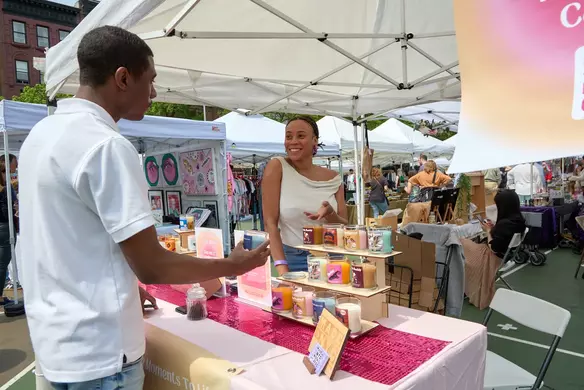
One day post-event: Take notes
As an event vendor, it’s deeply important to listen to your customers. They’ll give you a key that unlocks so much information if you just let them talk. The second half of that advice applies to after the event — take notes on the conversations you had during the pop-up or market so you can reference them in future planning and correspondence.
While it’s still fresh, use the information that you collected during the event. Start with a tool like Square Customer Directory to pull the emails of customers who actually made purchases. The emails are captured at checkout, so they’re easy to find. If you had specific conversations, keep that information organized and on file.
Don’t neglect the people who stopped by and browsed but didn’t actually make a purchase. Use a digital or physical email sign-up form to collect emails, and organize any notes you have.
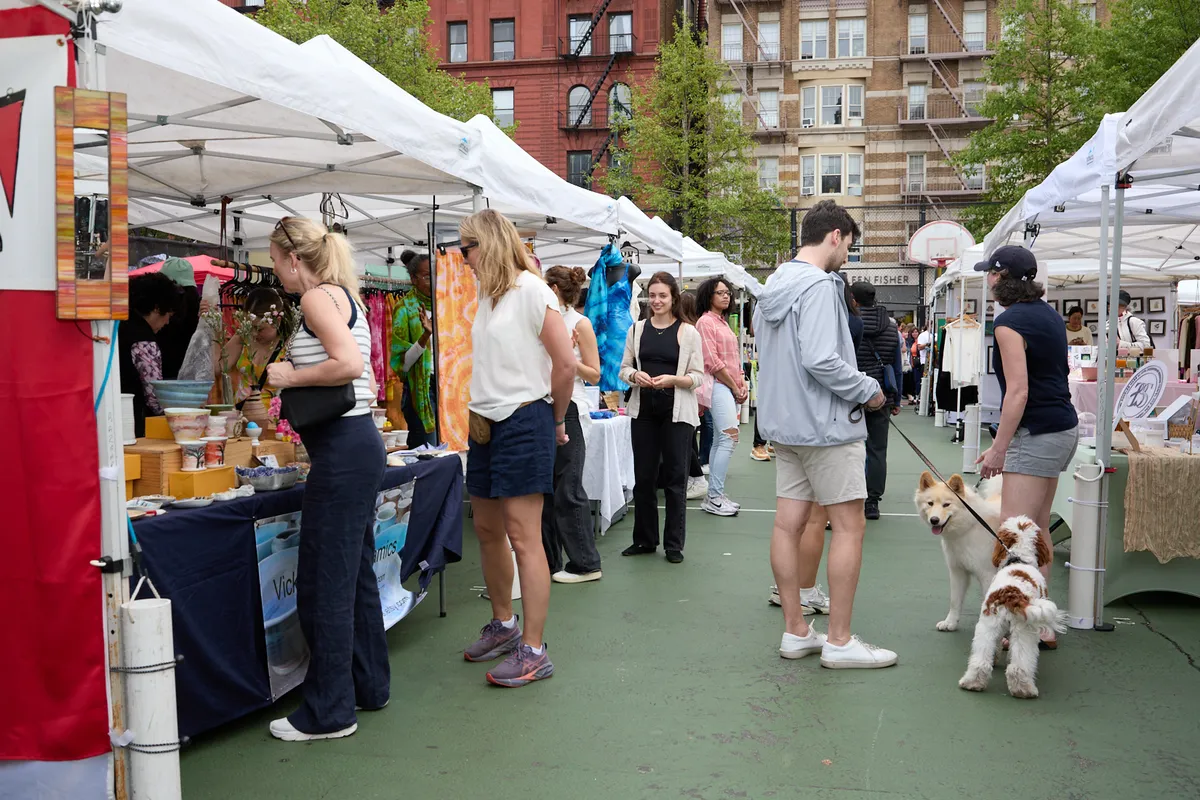
Across the board, the best salespeople I’ve encountered listen more than they talk, whether they work in high-end retail or at a local market. So much of the success comes down to the “Yes, and” improv approach. It’s important to create space for customers to tell you exactly what they want, how they want it, and why they want it — essentially how your product actually fits into their lives. And then you can take that and build from it.
When you take the time to follow up with your customers and visitors after an event, mention the talking points you connected on in person. Continuing the conversation digitally will take you a long way and help you build real customer relationships. That’s why taking notes before, during, and after the event is essential.
Two days post-event: Evaluate sales data and follow up with buyers
Use your sales data to identify bestsellers from the event as a roadmap to plan and move forward. If you use Square, your Square Dashboard can help you do this quickly and confidently, showing you top-selling products, peak selling times, customer patterns, and who showed up as a repeat buyer. Getting my clients to look at their analytics is the biggest hurdle, but it’s not about judgment — it gives them the insight to make better business decisions and hit sales goals.
Be sure not to write off products that didn’t sell well or didn’t sell as well as you’d hoped they would. Often, you can blame it on merchandising, marketing, or the types of customers who attended the market — rather than the quality of the item itself. That’s also why it’s important to pay attention to products that provoked questions and interest, even if they didn’t actually sell. This will help you solidify your approach for the next event. This might look like planning your booth setup around products that you know are winners. It’s important to let yourself get creative while still being strategic about what works.
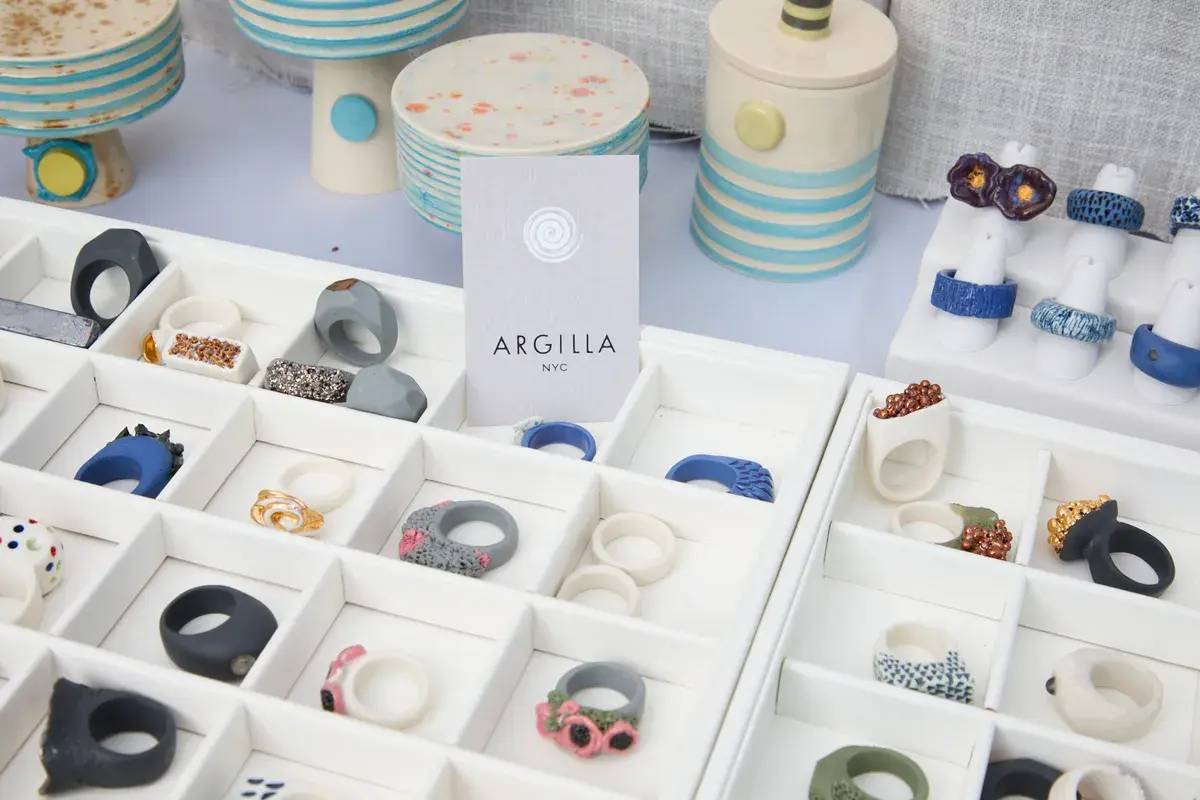
It’s crucial to then follow up after a market or pop-up. For a successful market booth follow-up email, include links to top sellers, your loyalty program sign-up, or save-the date reminders for future markets. Be sure to send your emails less than a week after the event ends, and reach out to everyone who stopped by to check out your booth.
If you choose to go a more personalized route, this is where the listening at the event really pays off so you can integrate small details from your interactions. If someone mentioned they were looking for a gift for their mom, for example, follow up with a mention of that conversation.
With personalized thank-you emails, you can show that you’re paying attention to detail. It makes customers feel like they matter to you and will make them feel more inclined to support your business.

One week post-event and beyond: Build for your next event and prioritize relationships
You don’t have to be perfect to be successful, but you should be consistent. Based on the information you’ve gathered, consider adding more technology or processes for your next event, and write out a game plan you can actually stick to.
Use social media scheduling tools, for example, to help promote the event, and start doing your research now, so you feel prepared when the next pop-up or vendor market comes to town.
Remember that you don’t have to automate everything, but taking some things off your plate will help you simplify and focus on areas you’re actually passionate about. For example, does crafting 30 individual emails after an event sound exhausting or exhilarating? If it sounds exhausting, use a tool like Square Marketing to automate the follow-up email process.
And while simplifying is wonderful, it’s also important to focus on maintaining strong relationships with your current and potential customers. One sale can lead to a customer for life, and that’s both daunting and incredibly powerful.