






Table of contents
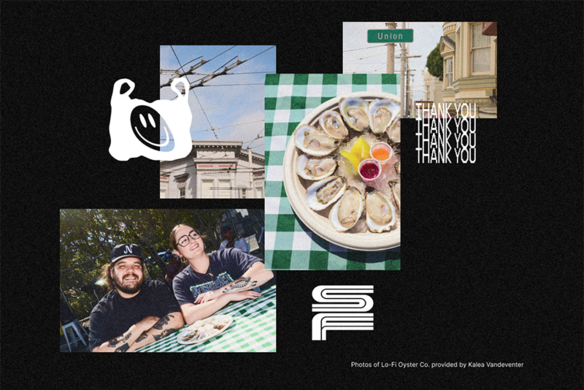
Before she co-founded Lo-Fi Oyster Co., Emma Thomas-Sand worked as the pop-up coordinator at Dolores Deluxe, a corner store at 22nd and Dolores St. in the Mission in San Francisco. Working with local vendors there inspired her to launch Lo-Fi Oyster Co. with her business partner Justin Esposito in 2023.
The community drew both of them in. “We really enjoy food pop-ups, and we were always meeting really nice people in those communities,” Esposito said. “What started as sort of a small oyster shuck at local wine shops and restaurants has developed into an experimental music and oyster service platform and events.”
Thomas-Sand brought the food and beverage chops, and Esposito has a background in jazz. Together, they created an experience that’s not only representative of the Bay Area, where oysters and natural wine are abundant, but is also fueled by both of their passions.
The team has a base commissary in Oakland, California, but you can find, taste, and hear Lo-Fi Oyster Co. all over the Bay Area — from wine bars and event spaces in Oakland’s Montclair neighborhood to the Mission in San Francisco. Reflecting on nearly two years in operation, the pair shared key pieces of advice about building and serving the community in the San Francisco Bay Area through pop-up events and local partnerships.
Tip 1: Immerse yourself in the pop-up scene before you start
Well before they started Lo-Fi Oyster Co., Thomas-Sand and Esposito built relationships with local vendors by attending events. It was crucial to create opportunities for their eventual business. “The spaces in San Francisco that we have been popping up at — El Chato, Bar Gemini, Dolores Deluxe — that all comes from meeting people through previous events, or just showing up at wine fairs, festivals, other pop-ups, building those connections, and really, friendships,” Thomas-Sand said.
Tip 2: Lead with passion and embody the community
Lo-Fi Oyster Co. is a complete extension of both Thomas-Sand’s and Esposito’s personalities, they said. That’s intentional. “The best way to grow, whether personally or professionally, is to really make sure you’re aligned with how you’re going to spend your precious time,” Esposito said. “For us, music, wine, community, traveling — these are all things that Emma and I really, really like.”
It wasn’t just important to create something that felt authentic to both founders. They also wanted to build experiences that resonated for people in San Francisco and reflected the community. Esposito compared the event business to the natural winemaking process, which is all about low intervention. “Nothing added, nothing taken away,” he said. The same goes for Lo-Fi Oyster Co.’s business model and offering. “It’s extremely representative of the Bay Area and also the surroundings that we’re in.”
Tip 3: Get clear on your vision and share it with others
After you develop your concept, having a really clear aesthetic for your business is step one Esposito shared.
“Our brand color is orange because our hot sauce is orange,” he said.
Another tip: Document the storytelling of your event. “One thing we really think is important is video content,” he added. “It’s a little easier for us than some other pop-ups because we have a music element. People are always looking at Yelp to see what the food looks like and what the menu is. But what about the experience? If you look on our social media channels, it’s pretty stacked with what we call montage videos.”
Tip 4: Create a home base then branch out
Thomas-Sand and Esposito met Taps and Takeout owner Joseph Frankel while having a beer at the dive bar in Oakland. After a casual conversation, they began first operating as a pop-up in an unused area of the business every other Friday for a year.
In addition to offering oysters, wine, and music, the pair took over wine buying for the business. “That was really crucial for our establishment in the winemaking community,” Thomas-Sand said.
They built relationships with regulars and established a reputation.
“I think to be a successful pop-up, I’d say, normalize your presence, and then from there, just blast off as fast as you can go to all the places,” she said. “I think one of the really exciting pop-ups for us in the beginning — especially for me as a cook who has looked up to a lot of these people — was getting to work with Ramen Shop and collaborating closely with them on the wine list and the menu.”
Seeing Lo-Fi Oyster Co.’s name on their menu was really cool, she said. She believes it also brought more respect to their business name, because Ramen Shop is so well revered.
Tip 5: Know your customer
Operating in the Bay Area, Lo-Fi Oyster Co.’s patrons range from 18 to 80 years old. Catering to such a wide range is both an advantage and a challenge, they said.
“We’ve found that there’s a lot more middle ground than differences,” Esposito said. “I’d say it can be a challenge because you’ve got to scope out venues, you’ve got to think about accessibility. You have to think about the price point. I have to think about whether the music is going to appeal to all audiences. Is this 80-year-old person going to get down with this new age sort of shredding jazz, or is this 18-year-old going to think this music sounds a little too dated?”
Tip 6: Don’t be afraid to ask for help
Any food and beverage operator will tell you that starting out, you don’t know what you don’t know. When asked what they would tell their past selves, Thomas-Sand and Esposito had one main takeaway: reach out to others.
“Ask people who may have more knowledge than you about what their experience was.” Esposito said. “We’ve gotten into the weeds — the whole temporary food facility thing, health permits, what it actually feels like with a health department inspector looking at your stuff. It’s a little scarier in the paperwork. You kind of realize that these are all just people.”
Tip 7: Choose the right tools
They also encourage operators who are interested in pop-ups and events to utilize and understand tools that are meant for fast-paced, high-volume work environments.
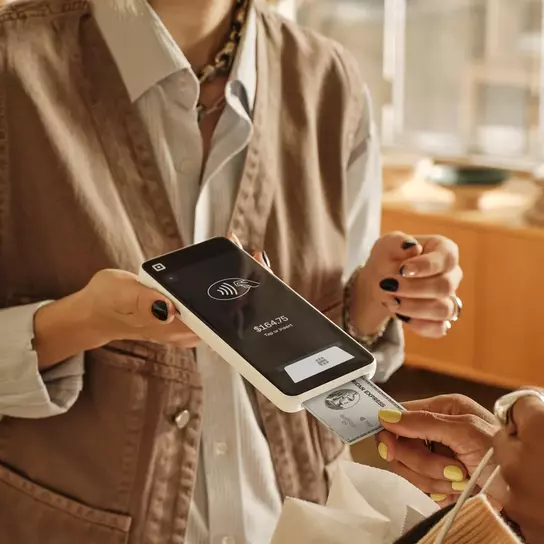
“I think one of the biggest game changers for us was literally just the Square Point of Sale system,” Esposito said. “It was much easier to understand what our weekly averages were and what our historic averages were at the popup three months ago. We’d ask, ‘How many oysters should we order?’ Then go, ‘Let’s see how many we sold three months ago.’”
Take the leap
Running a small business in the Bay Area is a challenging undertaking. But Thomas-Sand encourages people to go for it anyway and lean on each other.
Her last piece of advice: Don’t be afraid to make the first move. “Know that someone might not come to you with an opportunity. You have to go to them,” she said. “The thing about the events that we’re doing — pop-ups — is that they bring a larger audience to the venues, to the small businesses, and it’s a very symbiotic relationship that we can form.
If there’s a place you love and that you want to collaborate with, maybe they are just too busy and have too much on their mind to think about it. If you’re willing to communicate with them, show them what you want to do could be beneficial, and then do the planning, you can form a great partnership.”
Staff picks
This piece is part of the Square content collection, Around the Corner: San Francisco Edition. It’s packed with hyper-local data and community-first advice, just like this feature.
To close out the interview, we asked the founders of Lo-Fi Oyster Co. to share a few favorite local spots — whether it’s the bar they visit for a post-shift beverage or a restaurant they can’t get enough of on regular day (or night) in their neighborhood. Here’s what they had to say:
Lo-Fi Oyster Co. Staff Picks
Business: Lo-Fi Oyster Co.
Founders: Emma Thomas-Sand and Justin Esposito
Location: Oakland, California
Best place for wine: Ordinaire in Grand Lake, Oakland
“I think I’ve never been to a space that is just so connected and has their finger on the pulse with what’s happening globally in the wine world.”
Best beer-to-taco truck in the region: Hotsy Totsy in El Cerrito
“It’s funny because we’ll do a pop-up then go to Hotsy and see other people that are doing pop-ups there. It’s like the unset afters for pop-ups.”
Best intro to Oakland’s culinary scene: Day Trip in Temescal, Oakland
“I visited Day Trip on my second day living in Oakland. It really opened my eyes to the kind of community-driven food scene here.”
Best anytime bite: Ramen Shop in Rockridge, Oakland
“It’s always a favorite, but especially for their industry special at 8 pm. It’s great being able to get really high quality food at that hour.”
Most impressive hybrid operation: Bar Part Time in San Francisco
“When you really look at their schedule — the DJs, the music programming every month, the wine list, the staff — it’s incredibly rare. There’s hardly any turnover, and the culture is strong. Honestly, it’s moving even crazier than the vinyl-format DJ scenes in New York or L.A.”


