


Table of contents
Every iconic business starts with a familiar template, but the great ones find their own path.
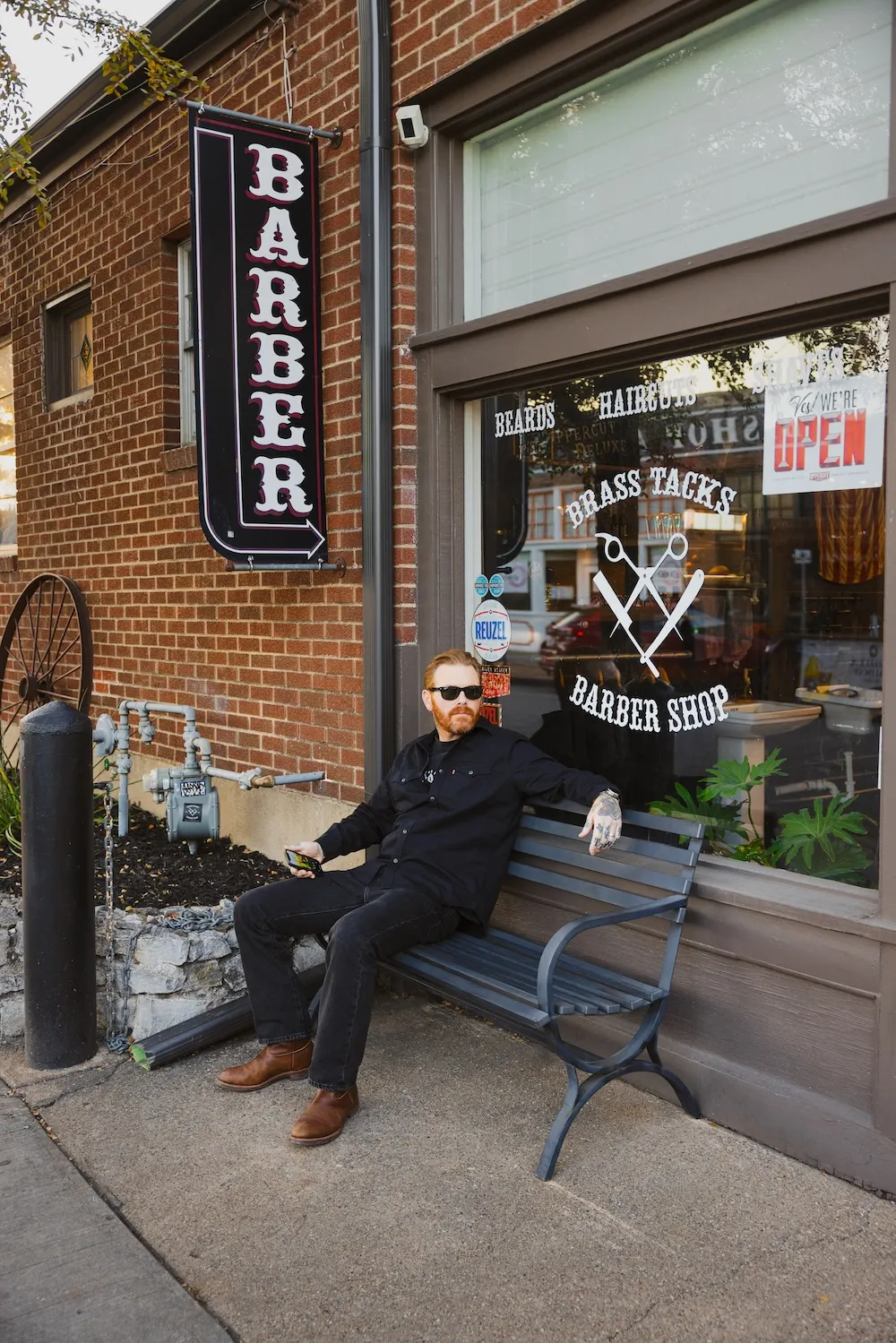
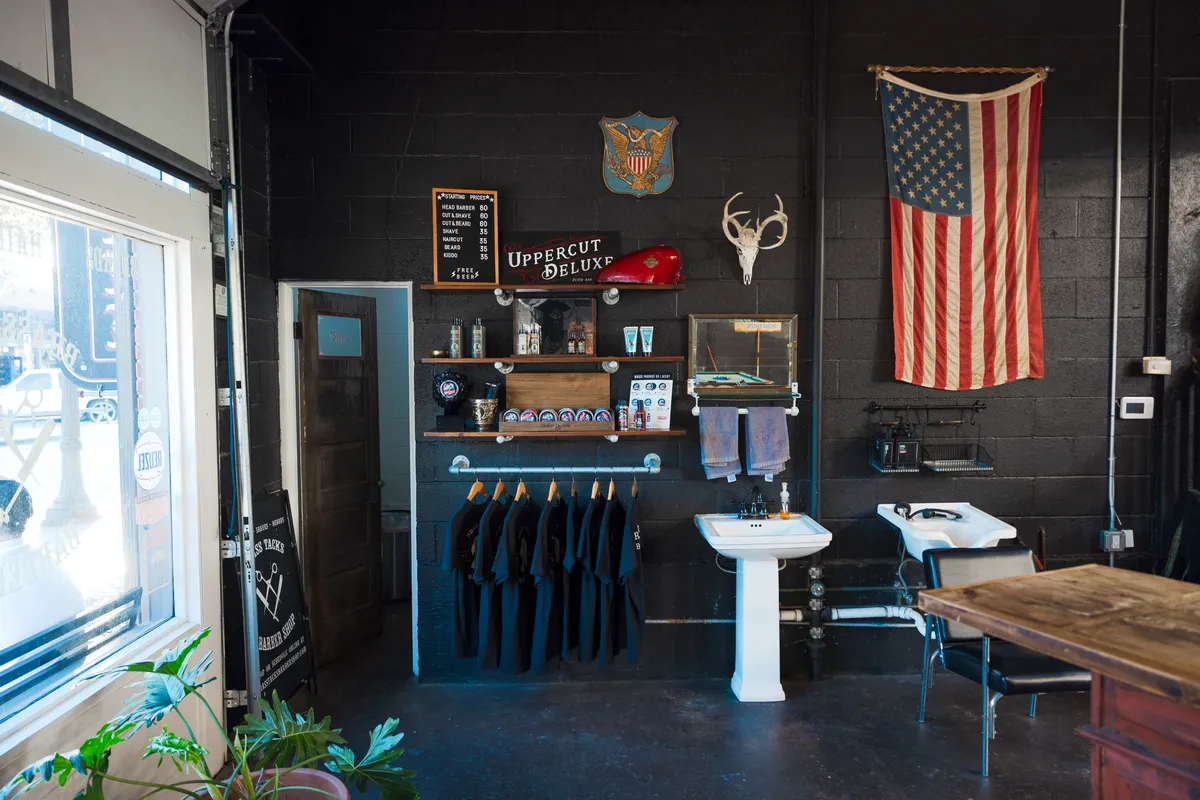
“When I first opened, I had a barber pole. We were doing the bow ties and the aprons and all that stuff, and it just felt like everybody was doing that,” said Brandon White, owner of Brass Tacks Barbershop in Dallas’ Bishop Arts District. After graduating from barber school in Oklahoma City 12 years ago, White knew he wanted to return to Dallas and he was looking for the right home for his business. “I wanted that kind of old downtown vibe and there wasn’t a lot of stuff down here at that time.”

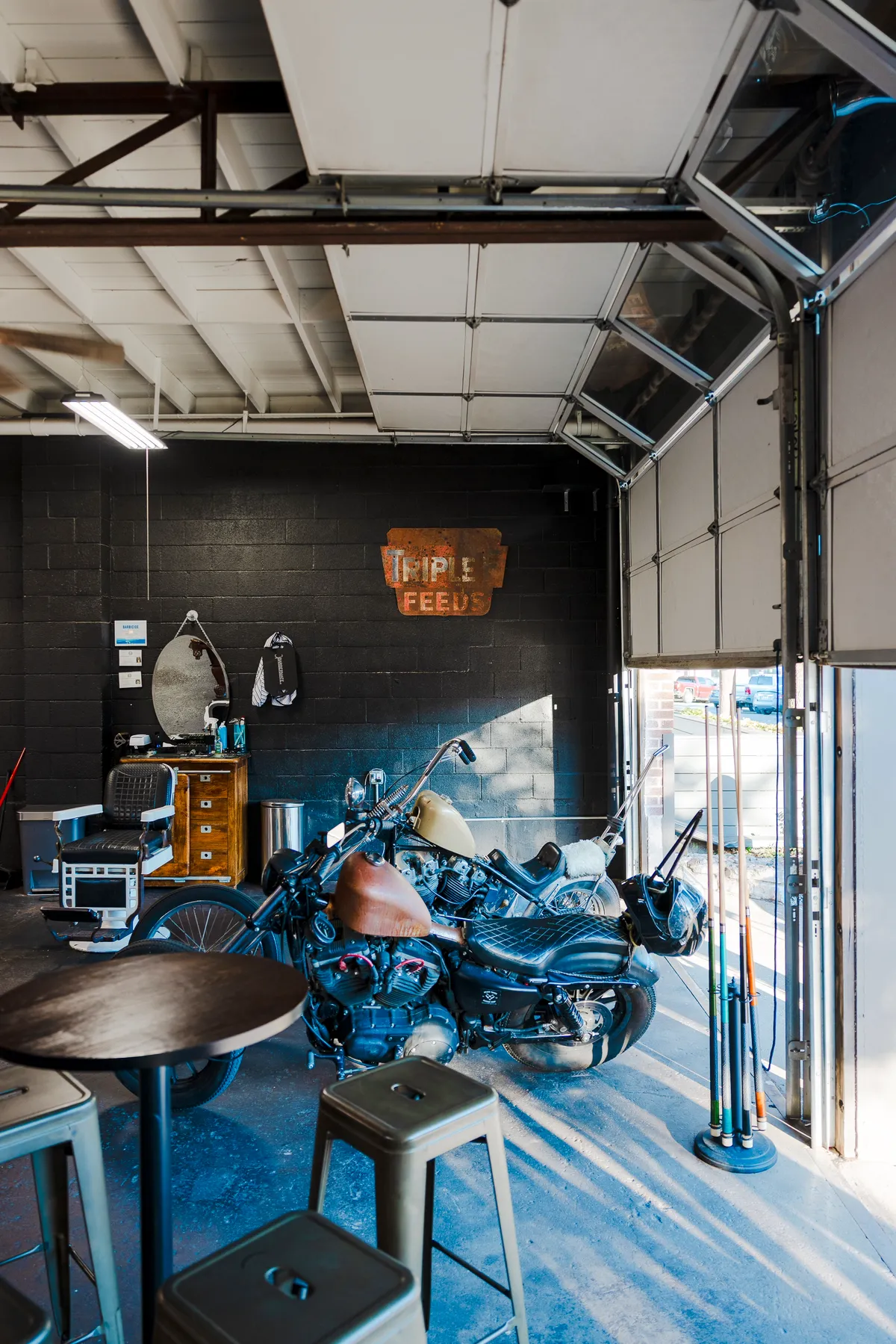
Starting with just one chair in a 600-square-foot space, he began building what would become Brass Tacks. But while the shop started with traditional barbershop aesthetics, White’s personal passions would soon reshape its identity. “I’d always wanted a motorcycle. When I first made money, that was the first thing I bought, so I just went down the rabbit hole of motorcycles and just became obsessed with that culture.”
This is how Brass Tacks was born, with a focus on the brass tacks, traditional haircuts, beard trims, and straight razor shaves. While this has been a less traditional business approach, it has still proven good for business and strengthened the shop’s relationship with customers.
Scaling back footprint to maximize revenue
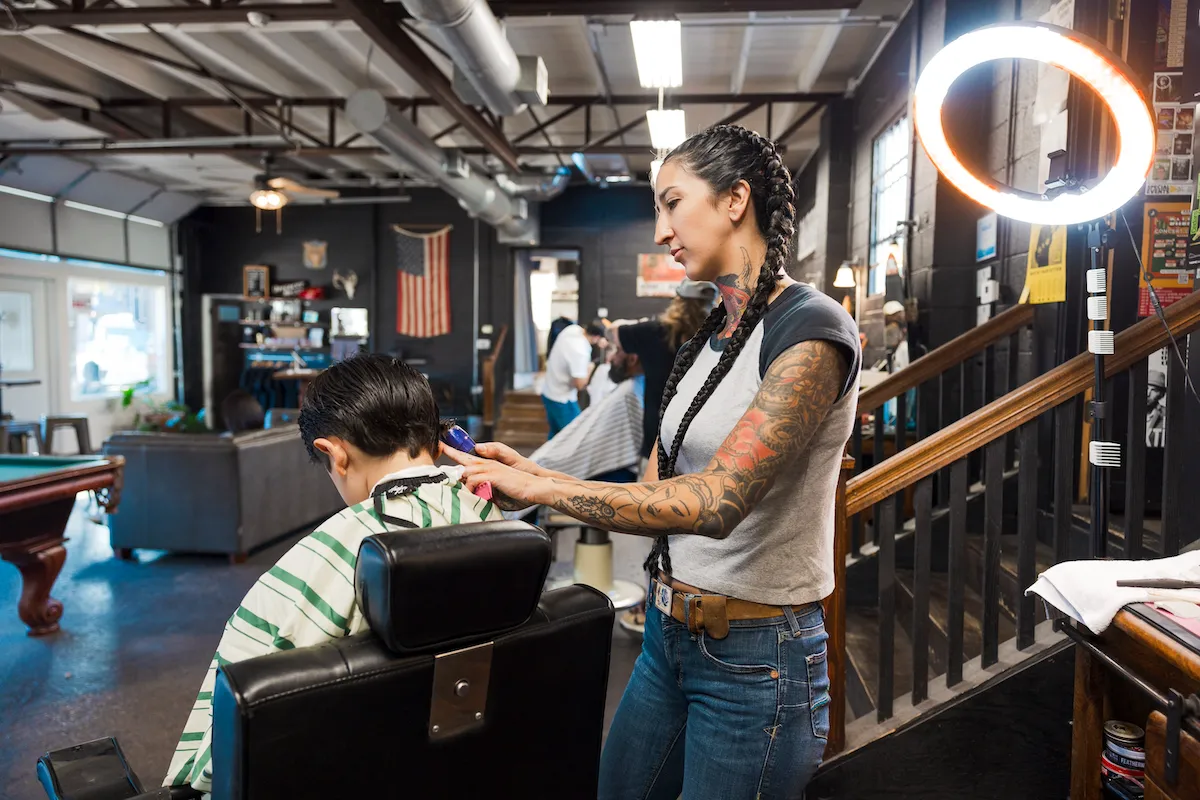
After running three locations simultaneously, White made the strategic decision to consolidate. “I had three shops going at once, but it got to the point where I wanted to still cut hair and focus on that,” he explained. This decision to close down two shops allowed him to build something bigger at his flagship location, and he expanded from four to six chairs.
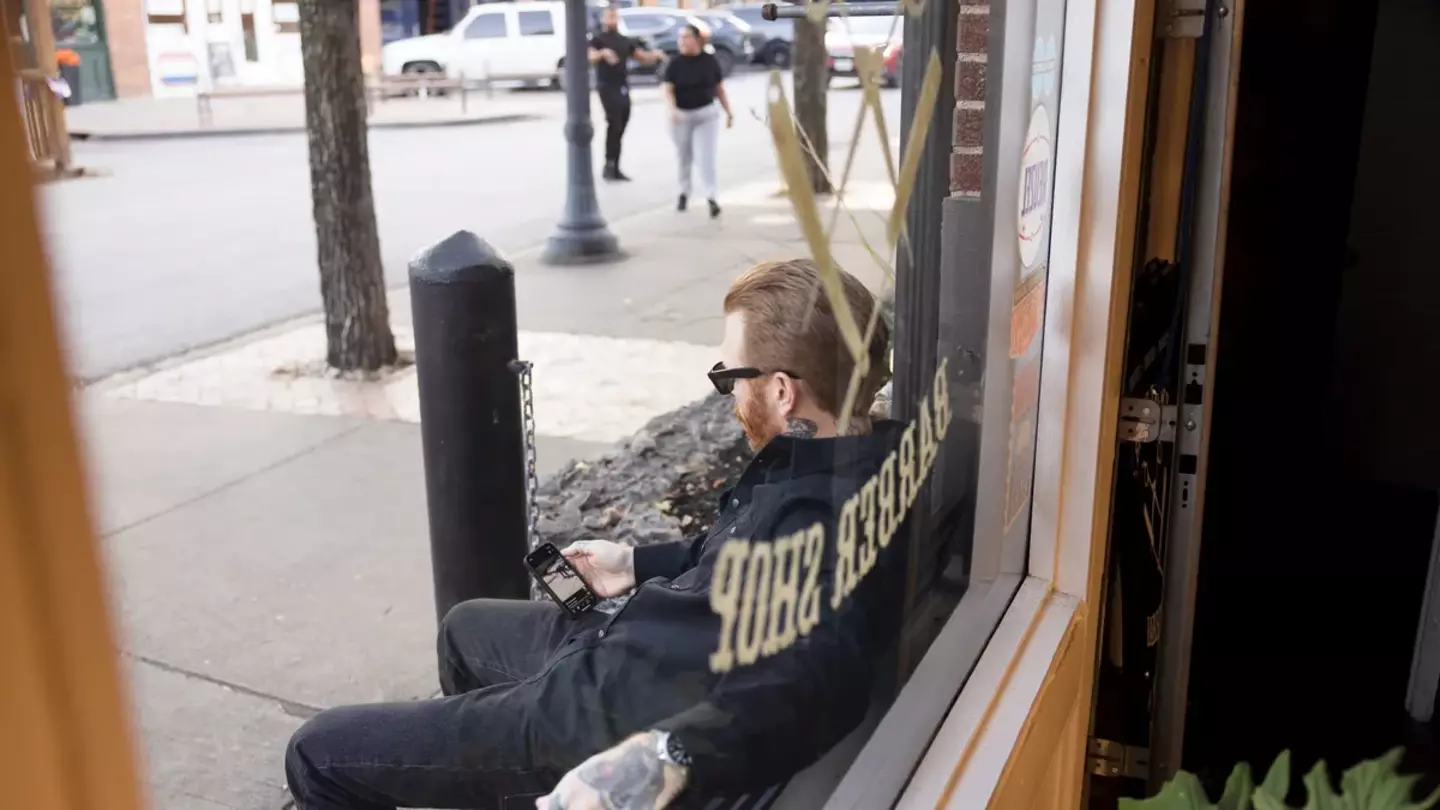
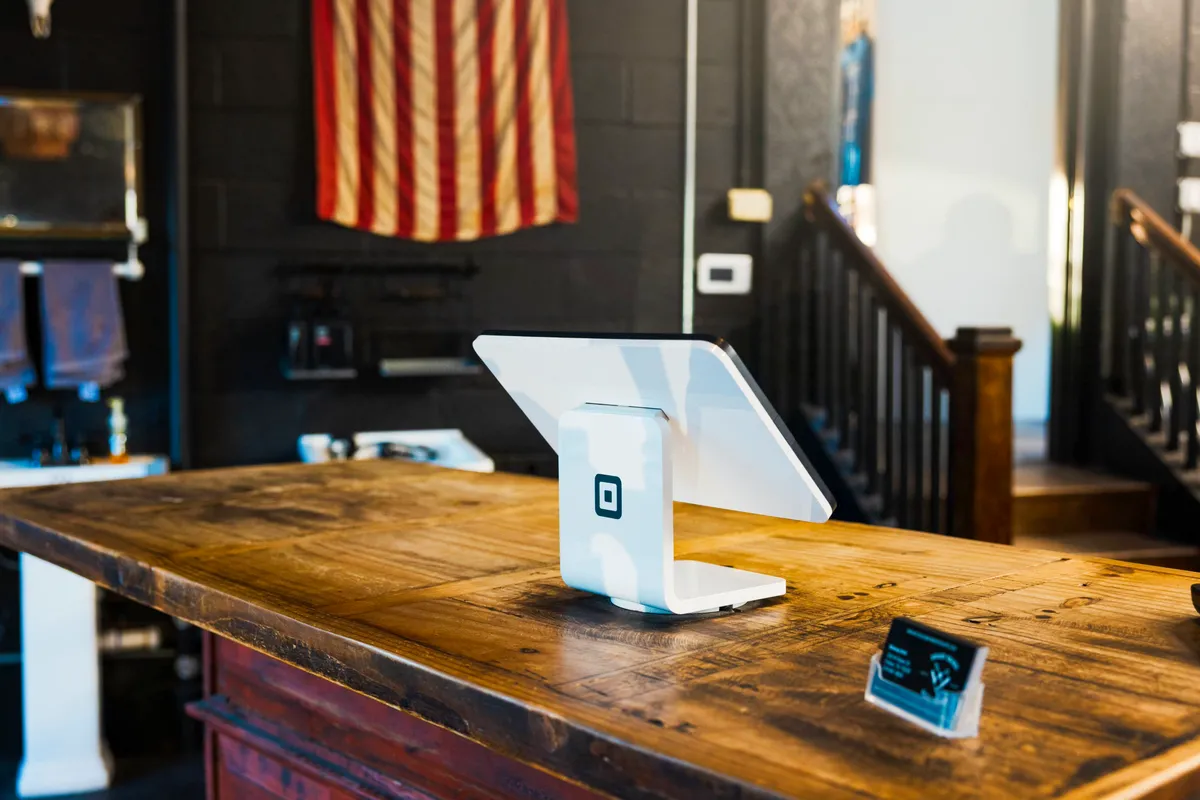
With one location, White was also able to implement stronger systems to drive growth. He uses Square data to track regular versus new customers, monitor rebooking rates, and use Square Marketing to re-engage customers during slower periods or when they’re due for another haircut.
This approach extends to his staff. Rather than a traditional booth rental model, Brass Tacks operates on a commission-based model and focuses on hiring the right people to uphold the level of service customers expect. “If you don’t vibe with me 100%, that’s okay,” he adds, “but if you have good customer service, that is the number one priority because we wouldn’t be here without the client.” He says that getting good at cutting hair comes with time and experience, having the right service mindset is critical.
A shop made better stronger with local partnerships
From the start, White knew standing behind the chair wasn’t enough to build a successful business. “If you’re trying to build clientele, just showing up here and standing behind the chair is not the way to do it,” he said. He regularly partners with local businesses and communities. By developing partnerships with local dealerships like Maverick and Longhorn Harley-Davidson, new barbers can set up chairs at bike nights and build their client base in person.
These partnerships extend to local breweries where Brass Tacks has sponsored events, organized rides, and raised money for charities that invest back into the Bishop Arts community. Inside the walls of the shop, this personal touch is seen every day in free motorcycle parking, beers on tap, and a pool table.
Although the business’s strategy has evolved over time, fostering authentic connections has been a priority throughout. While social media was a powerful tool with large returns at the start of the business, he now finds sustained growth through word of mouth and the shop’s reputation.
Creating a lasting legacy
For White, the future of Brass Tacks is his as well. Back in barber school he wrote down a list of goals and he says he’s proud to have checked off all but one: “Travel the world, because I started a business, so I’m basically here all the time.” But he’s found freedom in other ways. “If I ever get in a tight spot, I just work every day and I’ll be fine,” he explains, valuing the independence his business provides and knowing that at the end of the day, his future is in his own hands.
While he’s considered opening more locations, his vision of success is less rooted in expansion and more in building a business that will stand the test of time. “I’m going to be the last one here,” said White “I will be here until the end, until the wheels fall off.”