



Table of contents
We’ve spent 14 years running our culinary collective, Ghetto Gastro, without a restaurant. When I founded Ghetto Gastro, the idea of a brick and mortar felt predictable and limiting.
We decided to build everything backwards: see the world, bring our culture to it, create pop-up experiences in Tokyo or Paris, tear it down, then do it again.
It takes a massive amount of work to activate a pop-up. It’s like operating a different restaurant every other week in a different place. We wanted to put all of that effort into something that’s going to be there indefinitely. My team all came up working in kitchens; I was the one guy who had no restaurant experience, so I have an unorthodox approach to the game.
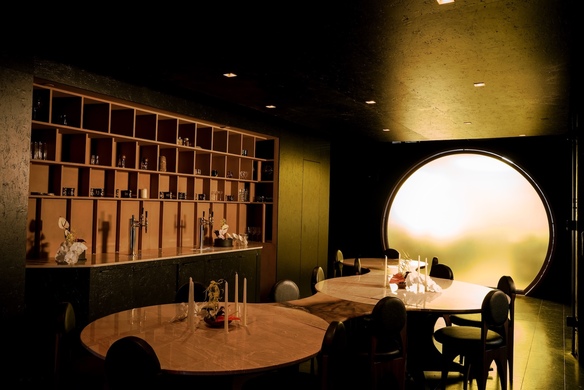
That all changed when with Gourmega, a 14-seat sonic supper club restaurant in New York’s West Village, which was formerly known as “Land of the Blacks.” People show up after hearing about the space from word of mouth. And inside that one room, we’re running three programs at once.
Here’s how Gourmega’s multiple concepts work, and why I think more restaurants should operate this way.
3,000 meals out the door before dinner service
During the day at Gourmega, I think of the space as a Bruce-Wayne-to-Batman, Clark-Kent-to-Superman kind of operation, but in reverse.
By day, the kitchen makes and serves upwards of 3,000 meals to feed neighbors in need in New York City. That’s powered by Rethink Food, which we’re a partner restaurant of, and I’ve been on the board since 2020. We do Rethink meals to-go throughout the five boroughs.
At night, the space transforms into Gourmega, our Afro-Asiatic Sonic Supper Club.
Two of those seats are held for guests from the Bronx. That’s where I’m from. The same room that pushes out community meals at noon has two people from my neighborhood sitting down to enjoy a tasting menu at night. That’s what this space is actually for.
We tend not to waste things from Gourmega. If we have ferments or sauces that we can utilize for community meals, we use them. The operation has become seamless because we have our meal prep during the day for our dinner service, while some team members handle the community meal prep.
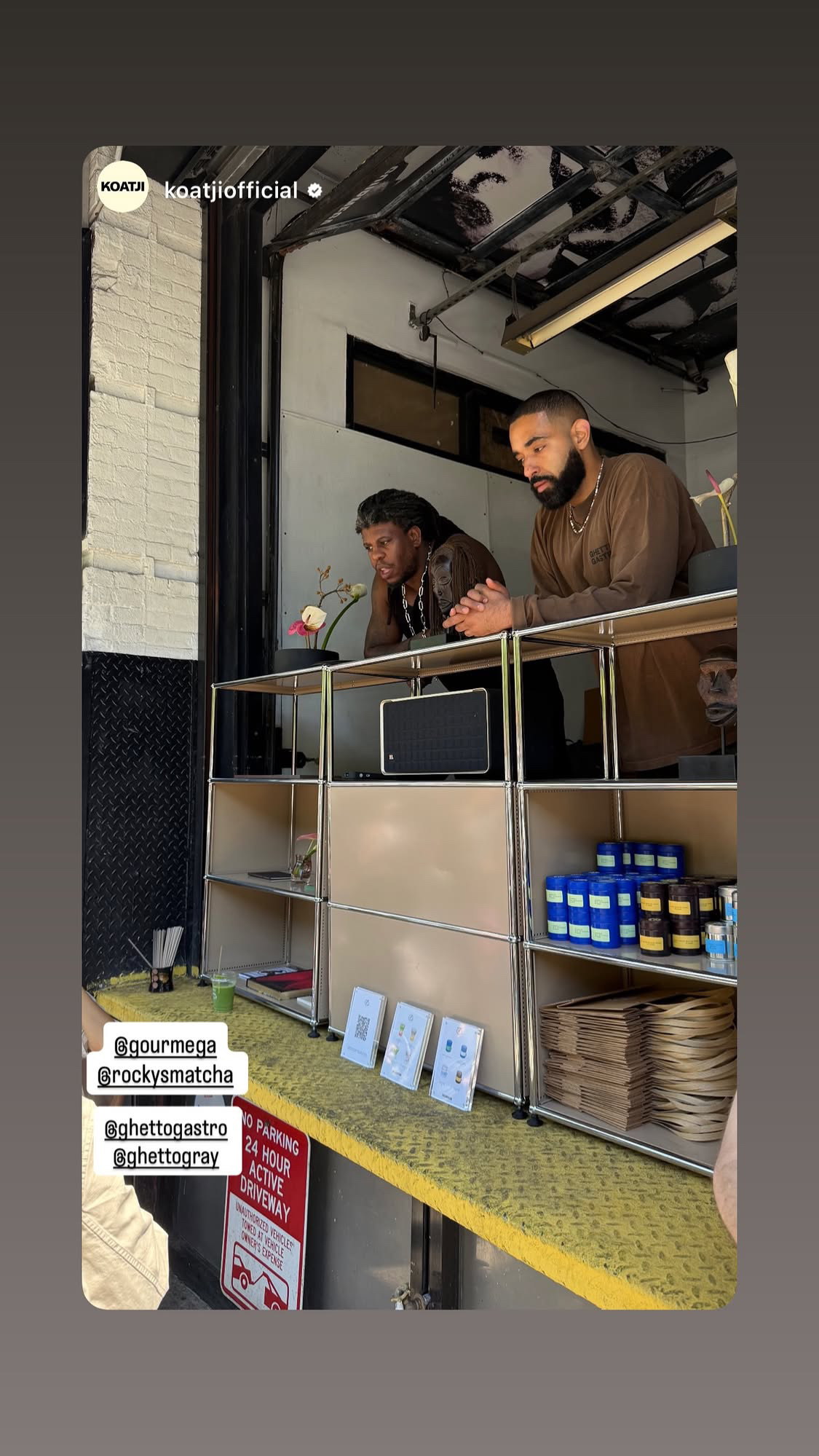
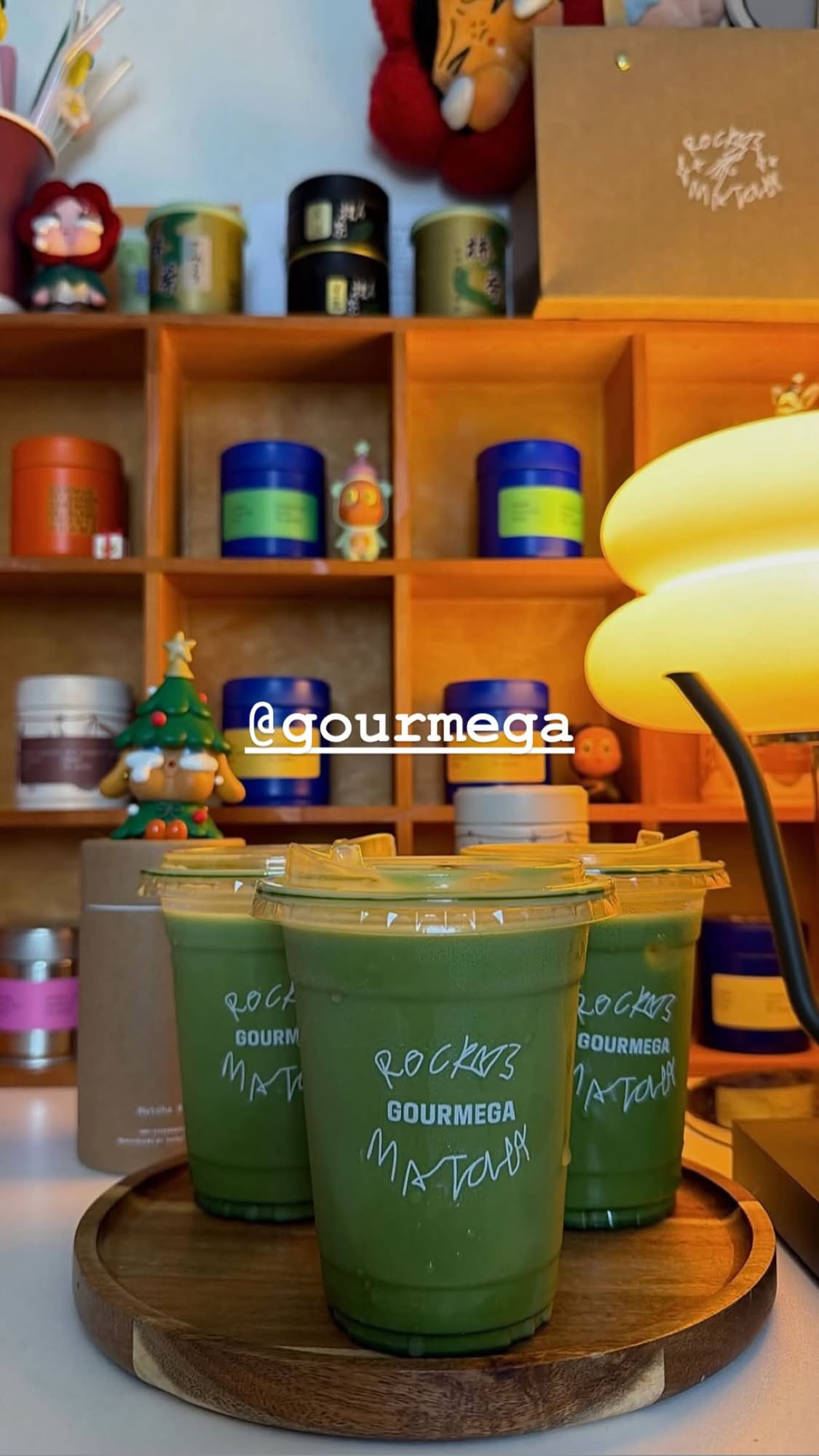
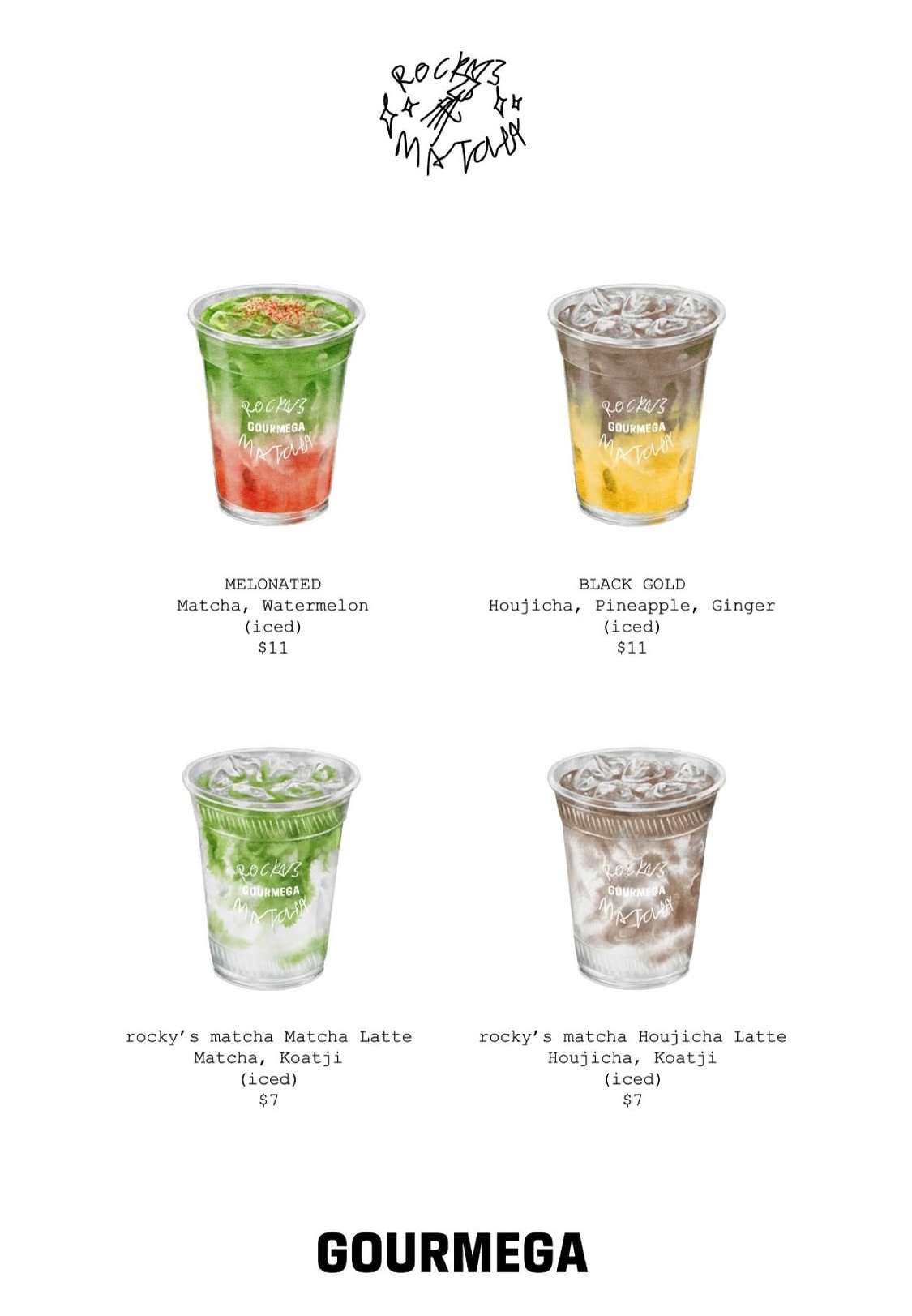
The third concept is a quick-service cafe rooted in the Global South foodways centered on ritual, joy, and bold flavor while highlighting the food traditions that have shaped the world. We did a test run with our buddy who runs Rocky’s Matcha, where we served matcha, hojicha, roti wraps and what we call “rollies,” which are roti with jerk chicken, sweet plantain, collard greens and ‘twerk’ sauce. We also sold plantain miso and watermelon toaster pastries, which we call “BOP (Black-owned pastries) tarts.” We had crazy lines when we launched. It was a test run, and we’ll do more of it.
What makes Gourmega different
Gourmega is unique because we’re in a community kitchen, and the resources that come into the restaurant support making the 3,000 meals that go out each week. That’s the most radical thing.
Multi-concept businesses aren’t new. People need to make money in the morning, afternoon, and night. Rents are getting more expensive, and labor and food costs are rising. When you’re paying for a space 24 hours a day, you have to figure out how to make it make sense. You have to test and learn.
I look at Danny Meyer and Union Square Hospitality Group. Shake Shack spun out of them running an Eleven Madison Park hot dog and burger cart in the park. Sometimes you have to test different ideas, and people (and the data) will tell you what they really want.
The approach we’re taking to food is unique because of the reference points we have. Being from the Bronx, growing up as a Black American with Caribbean brothers, and being able to visit Liberia, Senegal, Accra, Morocco, Singapore, Hong Kong, Japan, and Thailand, you taste things that remind you of something.
Being able to do that off our lived experience instead of just throwing things together — that’s what makes Gourmega real.
The right tools allow you to manage multiple concepts

I always thought I was a numbers guy. I made money in the streets and dealt with a lot of cash. But I’m not the dude that loves poring over financial reports. When I go into our Square Point of Sale, everything is there. Payroll and employee scheduling are there, and I can look at everyone’s pay, and the hours they worked. I can approve a day off on one platform, and then I can switch and look at the marketing deals we’re offering.
I can see what’s working and what’s not. Are diners getting the bridge wine pairing, or do they want the full wine pairing? How do we optimize that? Being able to access our POS data in a user-friendly way with Square allows me to make the right calls for Gourmega. It’s also just tap-to-pay, a trusted thing that people know how to use.
The cafe test run is a good example. I was able to assess that people really liked Melonated, our watermelon matcha, by the number of orders compared to other things. I thought maybe 20% of people who visited would want the Melonated. It ended up being about 50-60%.
It was dope to extrapolate the data.
Investing in what’s next for the restaurant industry
As I think about opening restaurants in cities like Tokyo and Milan, I know Square is a system that can scale. I can look at what’s happening everywhere. What works in New York might not work in Tokyo. And if something is working in Tokyo, we can bring it to New York to see how people respond. I’m interested in being able to scale up with Square and really build that bridge.
I always try to create from a selfishly selfless place. The selfish side is that I’m just making what I want. If I’m looking at an area or opportunity space in the food world, it’s based on something I want to exist that doesn’t exist yet. I hope someone else cares about what’s missing in the restaurant industry the same way I do. And perhaps that will help us attract our tribe.
Tupac once said, “I’m not saying I’m gonna change the world, but I guarantee that I will spark the brain that will change the world.” With Gourmega, we might be planting seeds for a tree that we’re not going to be able to eat the fruit from, but it’s not about that.
Starting this restaurant is about what’s next in the industry and doing what we can to push things forward.