






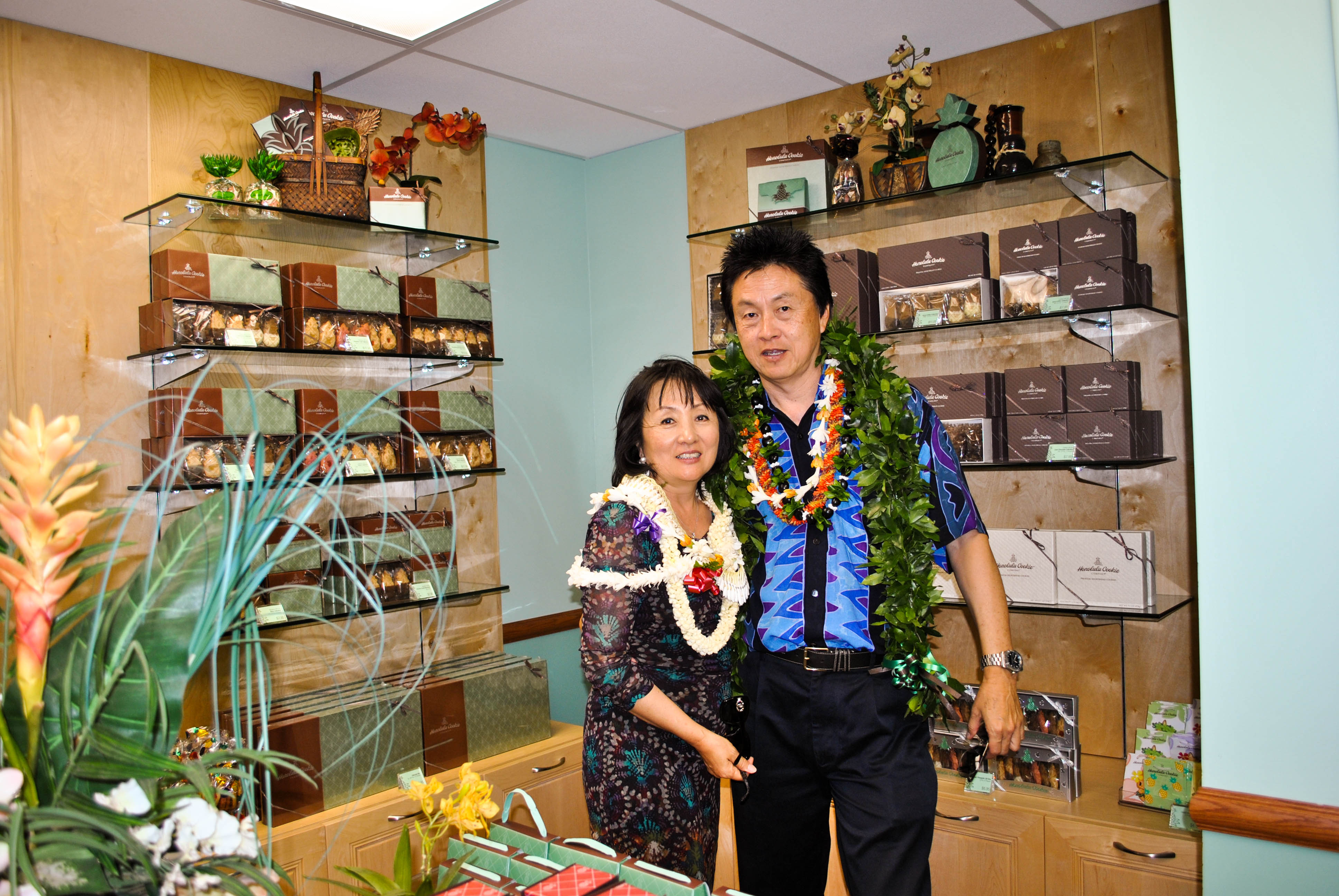
In 1998, Keith and Janet Sung set out to create something uniquely Hawaiian — a product that visitors could take home that reflected Hawaii’s culture and spirit of hospitality. Keith drew on his artistic background to develop a premium shortbread cookie in the shape of a pineapple, an internationally-recognized symbol of hospitality.
“Through lots of trial and error, he developed a unique product and brand that has grown to be recognized globally,” said Jeri Miyasato, the director of marketing. “A lot of customization and entrepreneurial spirit went into the business and carried it through to today.”
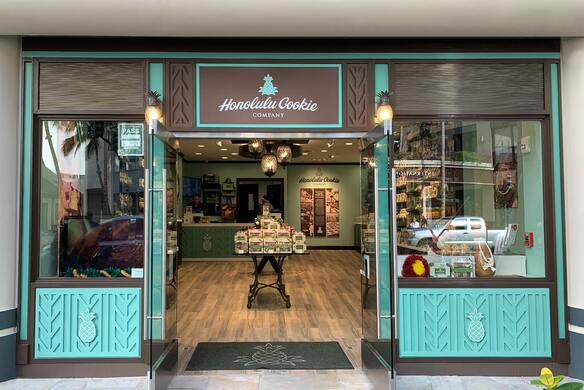
More than two decades later, that idea has grown into Honolulu Cookie Company, a retail brand with 14 locations across Hawaii, Las Vegas, and Guam, as well as wholesale partnerships with Costco and Tommy Bahama. The pineapple remains central to the company’s identity, appearing throughout its packaging, store design, and branding.
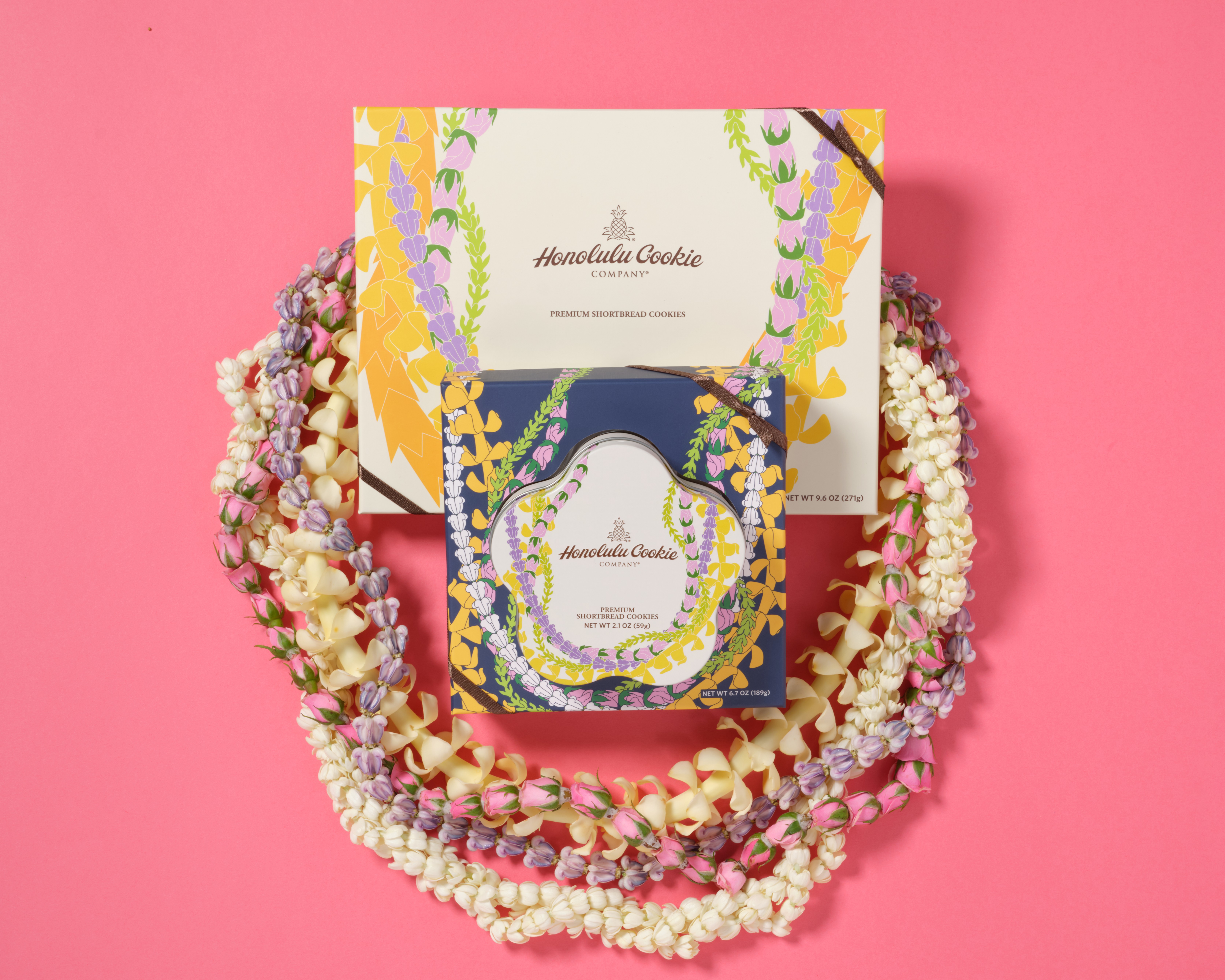
Even as the business grew, the company remained committed to the craftsmanship that made it successful in the first place. Its signature shortbread cookies are still prepared entirely by hand: dipped in chocolate, decorated with carefully placed fruit and toppings, and individually wrapped.
“That added touch of ‘aloha’ really does go a long way,” said Julie Plant, vice president of retail. “People feel like they’re getting something extra special.”
Maintaining that level of quality within a growing retail operation brought new challenges. With stores serving visitors from around the world, peak periods demanded speed and efficiency, and the company needed technology that could keep pace behind the scenes.
The challenge: Outgrowing a legacy POS system
Honolulu Cookie Company’s previous point-of-sale system, which relied largely on traditional registers, had served it during its early years. But as the business expanded across multiple locations, it was clear that the system couldn’t keep up, as even everyday tasks became increasingly difficult.
“It just couldn’t handle the volume of transactions that we would have,” Plant explained.
The company needed a checkout experience that could keep pace with rising transaction volume. During busy periods, reliability and speed were critical to keeping stores running smoothly.
The previous system also lacked many of the mobile tools that had become increasingly important in modern retail, such as handheld devices for quick checkouts and digital loyalty capabilities.
Reporting was another key challenge. Store and operational data often had to be pulled into PDFs, manually reviewed, and re-entered into spreadsheets. Reports across multiple stores took considerable time to generate, or didn’t generate at all.
“You couldn’t even run some of the reports on our old system,” Plant explained. “You would bog it down.”
The delays made it harder for teams to access the information they needed to make timely decisions for a growing retail operation, one that regularly weathered surges in customer traffic throughout the year.
The solution: A modern retail platform built for growth
When Honolulu Cookie Company began searching for a new platform, the team wasn’t simply looking for a replacement point-of-sale system. They needed a solution that could support every aspect of a modern retail business, while also making it easier for store teams to serve customers.
Square stood out for its combination of reliability, flexibility, and ease of use.
One of the first improvements the team noticed was around reporting and visibility. Instead of dealing with time-consuming, manual report generation, teams could quickly access the information they needed and customize reports based on their roles and responsibilities.
“The beauty of Square is the fact that there are different levels of reports that you can pick from,” said Plant.
Square Point of Sale also offered the company more flexibility. With Square Handheld and mobile checkout options, teams could move smoothly through busy periods, serving more customers, faster.
“We did not have any capabilities around that before,” explained Jared Malvin, business process analyst at Honolulu Cookie Company. “[Now], if we want to use a small handheld, we can. If we want to use a tablet instead of a full point-of-sale register, we can do that as well.”
For store teams, the transition was also easier than expected. The intuitive interface made it simple for employees of all experience levels to learn Square quickly. “The demographic of our staff includes anybody from a high school student to somebody that has worked in retail for many years,” said Plant. “The ease of the [Square] system was a huge component.”
Square also enabled the company to modernize its long-running Pineapple Points loyalty program, which had previously relied on paper cards and manual stamps. With Square Loyalty, the business was able to transform it into a digital experience integrated directly into the checkout process.
The impact: Better visibility and decisions across locations
Today, Honolulu Cookie Company uses data more proactively across its retail operations.
With faster access to reporting, teams can quickly analyze store performance, track customer demographics, monitor sales trends, and make staffing decisions based on real-time activity, rather than intuition. Managers can quickly identify trends and access information that previously would have taken hours — or even days — to compile.
“I can be on a landlord call and pull up data so quickly. The ease and the different level of reporting is a huge benefit for us,” Plant said.
The operational benefits also extend to inventory management. Using Square’s integration features, Honolulu Cookie Company has seamlessly connected their inventory platform with Square to help manage the movement of products across its retail locations.
The company is also putting its customer data to work in new ways. The team is exploring ways to strengthen relationships with repeat customers and create more personalized experiences across its marketing and customer engagement efforts.
A foundation for future growth
With Square, Honolulu Cookie Company now has a stronger foundation for future growth. According to Plant, planning for a new store or testing new retail concepts, like their new experiential retail concept where customers will be able to hand-dip their own cookies, is far simpler.
“Before, with our previous system, [we had to] figure it out six, seven months ahead,” explained Plant. That kind of lead time is no longer necessary.
“Now it’s just like, ‘okay, we’re going to add a store.’ And I’m like, ‘okay, it needs to have three registers. We need to have this,’ It’s an exciting thing to be able to say that because we have enough other stuff when you want to build and grow,” Plant said.
“[Square] is like a kit. It comes together.”


