




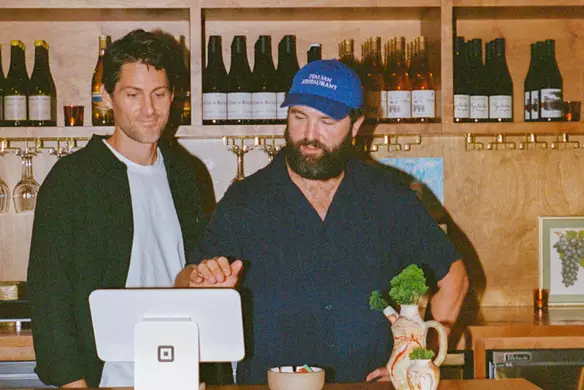


Evan Algorri and Andrew Lawson came up in New York City restaurant kitchens, then reconnected in Los Angeles and discovered they wanted the same thing from a night out.
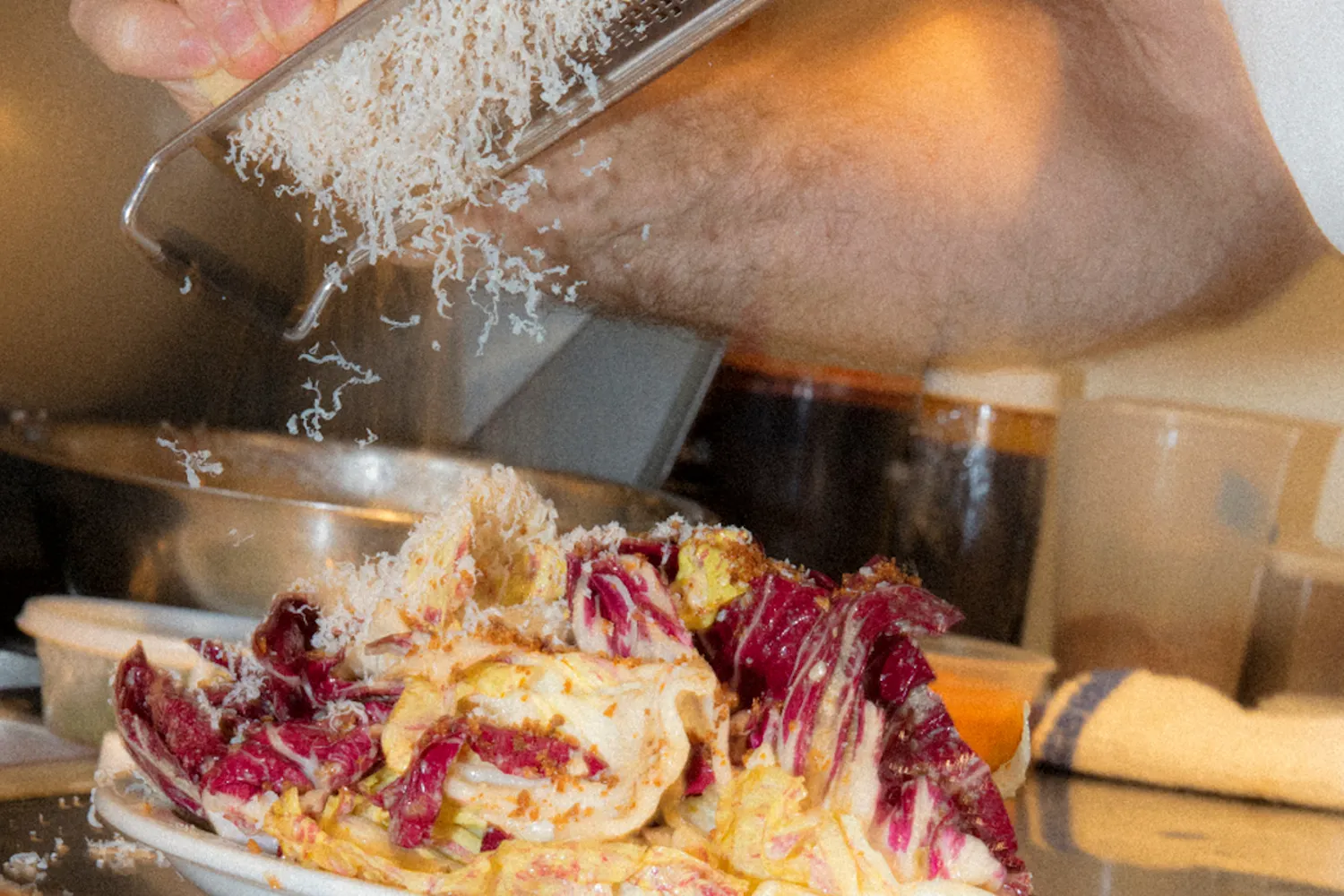
That shared instinct helped them pioneer the Melrose Hill neighborhood with two ideas under one roof. Ètra is an intimate, full-service Italian restaurant where Evan cherry-picks his favorite regional dishes rather than going “hyper regional,” drawing on kitchens where he trained at the Michelin level. Café Telegrama, the all-day sister café, grew out of Andrew’s coffee background. Both concepts run from one shared kitchen at different times of day, staffed by a front-of-house team that has stayed remarkably steady, since most of the crew trained together before the doors ever opened.
Running two businesses in one space, on the razor-thin margins that define restaurants, demands reliable, real-time visibility into how each night is actually going.
We both worked in New York City restaurants… we both have a very similar sensibility for dining out.”
Evan Algorri → Co-Owner and Executive Chef, ‘Etra
The challenge: Running two concepts on thin margins without losing control
Before opening, Evan and Andrew ran on a previous provider, and they switched primarily on cost. Subscription plus processing fees add up fast in a business with no room to spare, and their former supplier “wasn’t as present” when they needed answers. Layer two concepts onto one kitchen and the squeeze gets tighter: they need tight, real-time control of labor and menu mix, every day, in both dining rooms.
The pressure is real across the industry. Full-service restaurants reported a median pre-tax income of 2.8% of sales in 2024, according to the National Restaurant Association, and the same organization found that 42% of operators surveyed said they were not profitable in 2025. Evan and Andrew also had a fit concern: the platform had been seen as a quick-service tool, and they needed confidence it could carry full-service dining.
I don’t think people have a full understanding of the margins of a small restaurant… you need to be very mindful of food costs and what’s moving, what’s not moving, labor costs.”
Evan Algorri → Co-Owner and Executive Chef, ‘Etra
The solution: Using Square for Restaurants to run both concepts in real time
One connected restaurant POS now runs both concepts. Square for Restaurants handles payments, point of sale, real-time reporting, and labor tracking, and Evan and Andrew toggle between two dashboards in Square Point of Sale or view combined numbers seamlessly. Three uses stand out:
- Real-time reporting and product mix. In Square Dashboard, the owners review what is selling and what is not, then adjust the menu accordingly. They also check who is clocked in through Square Team Management and cut labor early on soft sales days to keep labor in line with sales. Full-service labor ran a median of 36.5% of sales in 2024, and profitable full-service operators held it at a median of 34.2%, according to the National Restaurant Association.
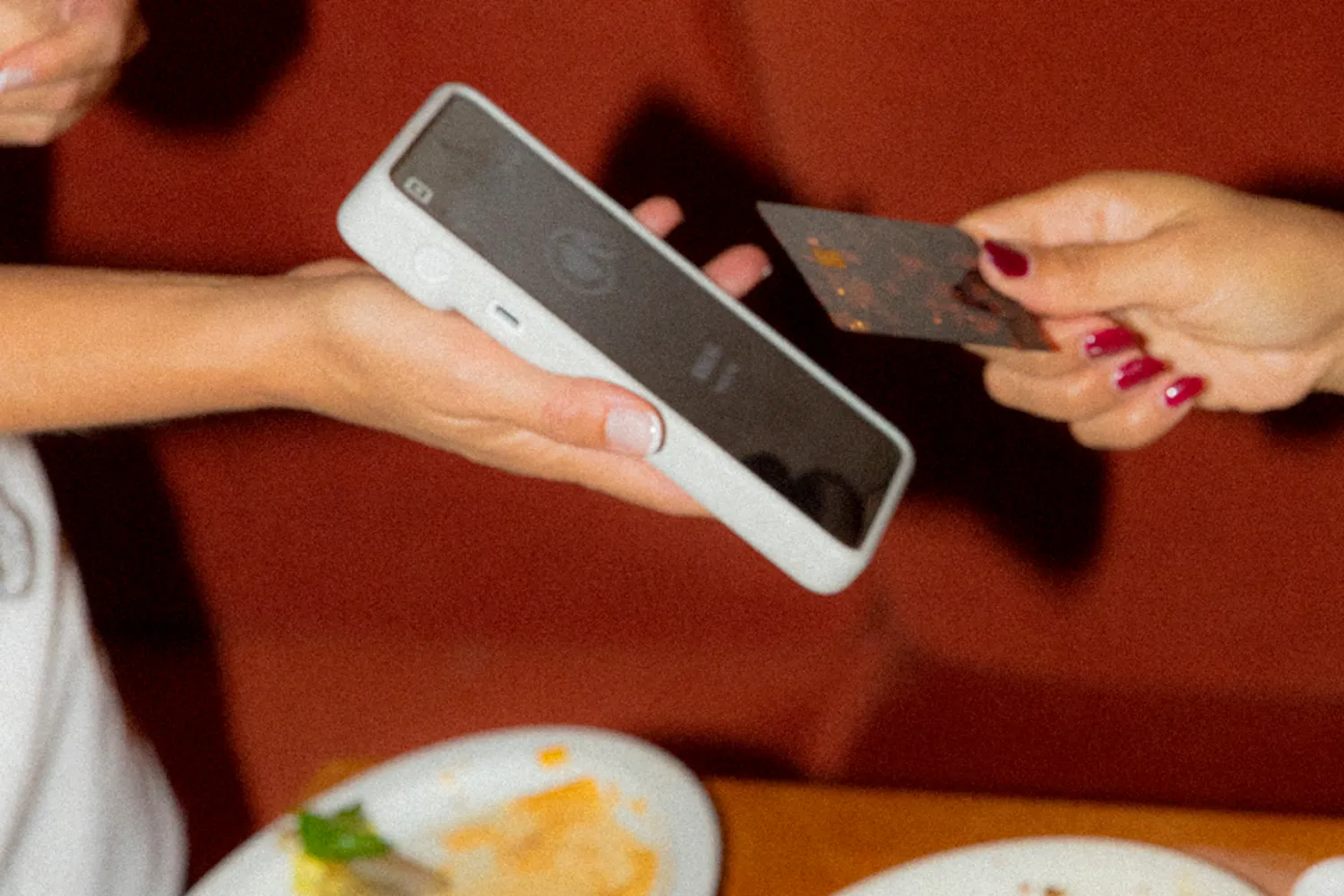
- Reliable service tech. Handhelds work both dining rooms for tableside orders and backup payments, and a silent Square Terminal pairs with a kitchen printer that routes orders straight from the POS. There have been no printer issues since the switch, and the tech stays invisible to the guest.
- Online ordering. Café Telegrama runs on Square Online, where a smooth checkout has driven more online orders. A recommendation from McKenzie of neighboring operator Stir Crazy helped seal the decision.
The technology is just reliable, and that’s what we need it to be 100% of the time. And that allows us to do the things we need to do: serve delicious food and give excellent service.”
Andrew Lawson → Co-Owner and GM, Ètra & Café Telegrama
Day to day, that reliability fades into the background, which is exactly the point. “Square is not front and center. We like that,” Andrew says. For server Christian, the register is second nature: “It feels like second nature.”
Impact: Nearly $40,000 in projected annual savings and the confidence to grow
Evan and Andrew project nearly $40,000 in annual savings from subscription and credit card processing fees combined, real money in a business with no margin to give. Credit card processing is the third-largest operating expense for most restaurants, behind food and labor, according to the National Restaurant Association, so trimming it moves the whole picture.
Café Telegrama has also seen online orders climb, thanks to a checkout that gets out of the customer’s way. With real-time data confirming that both concepts are humming, the owners have the confidence to explore what is next: a broader range of events and experiences, alongside further growth within their existing space.
We want to be open for 100 years. That’s the goal.”
Evan Algorri → Co-Owner and Executive Chef, ‘Etra


