



Table of contents
Branded merch lets consumers show off who they are and what they care about. For businesses, it’s a smart way to tap into cultural trends while opening up a whole new revenue stream. So how do you turn your brand into something people want to wear, use, and share? At our recent Merch Masterclass event at the Square Corner Store, I had the chance to interview business owners who’ve done just that. The event turned into a bigger conversation around expressing your brand, building a lifestyle around your business, and finding the balance between listening to customers and leaning into what excites you creatively.
At its heart, merch is about brand expression. Businesses are using branded items to connect with the community, tell stories, and build sustainable revenue through a diverse product offering. Here are four tips from Merch Masterclass that you can put into practice if you’re eyeing merch as a new way to grow revenue streams.

1. Create the merch you wish your business had
More restaurants are offering items like provisions, either in-house or through adjacent brands. Others are putting on curated special events or selling publications like cookbooks and memoirs. For Nichole Accettola, the founder of Kantine, designing those types of offerings are what fulfill her the most creatively — and they’re what her customers want.
Her Scandinavian-inspired restaurant is a local fixture in San Francisco thanks to her willingness to experiment with ideas like subscription bundles. Accettola’s seasonal pop-up dinners and bestselling cookbook were similarly born from personal creative sparks. “I’m in this for the fun of it,” she said.
Nichole Accettola on Creating Merch That Fulfills You
That experimental mindset led Accettola to start Kantine’s Bakery and Provisions Club, an offering powered by Square Subscriptions that delivers a curated bag of limited-edition, off-menu items each month. “We’re like, ‘What do we want to do this month?’ It’s always so fun to be able to follow those ideas we’re most revved up about,” said Accettola. And the retail she sells is driving real revenue. “Those usually produce the best results because it’s something we’re passionate about.”
2. Use a print-on-demand integration
Ashley Molloy is the Business Development Manager at Printful, a leading print and fulfillment company. She emphasized how print-on-demand tools can help business owners test ideas and scale without holding inventory. And for Square sellers, the Printful integration makes it easy. “You don’t have to order 500 or a thousand of something and be stuck with that. You can post 20 designs and really lean into what sells,” Molloy explained. “And then listen to your customers and go after what they want.”
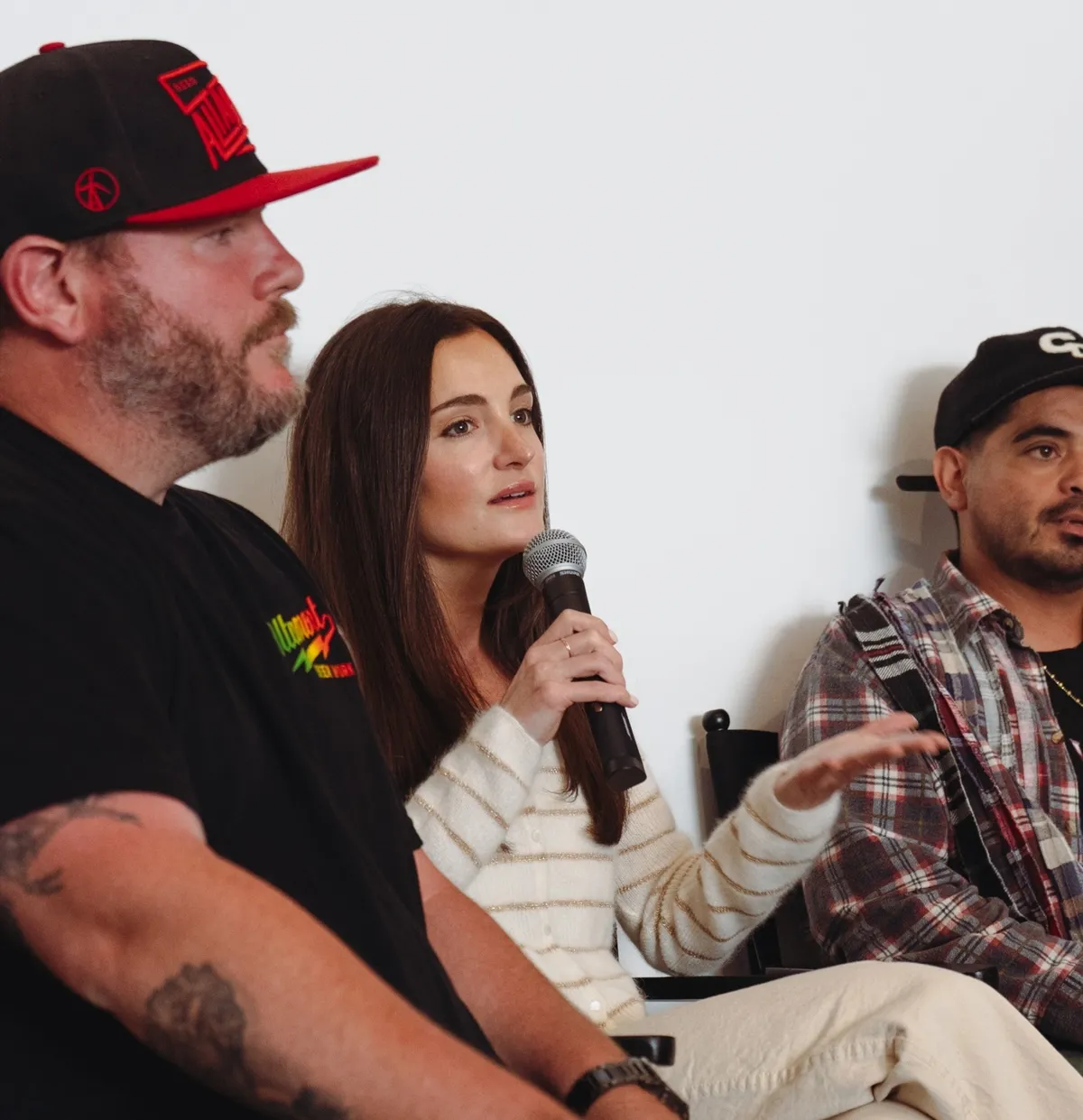
From seasonal trends like beach towels and holiday sweaters to custom totes and duffel bags, Printful makes it possible to offer new types of custom merch. Plus the Square integration means sellers can launch quickly, ship globally, and track inventory in one place. “You could order through Printful and it goes direct to your house,” said Ryan Stavert, Director of Front-End Operations at Altamont Beer Works, based in Livermore, California. “We don’t have to keep it on hand.”

3. Follow what your biggest fans want — including staff
Bong Sigua, the owner of San Francisco boutique Big Time Vintage, built a cult brand through curated streetwear and monthly art shows. But Sigua matches his inventory to the styles that are popular in the neighborhood where his store is located. “Everybody has a different style and you just have to adapt to that,” he said. They’re now exploring collaborations and limited product drops, with plans to build a merch line that honors their sustainability ethos. Sigua’s advice is not to force it, but to follow the culture you’re already building.
For Altamont Beer Works, following what customers want is how the business went from handing out “weird logo shirts” at beer tastings to operating as a full lifestyle line spanning golf polos, beach towels, and even party bus gear. “We might do the same logo, but it’ll be on eight different shirts,” explained Stavert.
Ryan Stavert on Using Staff to Drive Merch Demand
Merch isn’t just a revenue stream at Altamont Beer Works, but a way for their biggest fans to build the brand. “Everybody would see us wearing all the merch that we got. They’re like, ‘where’d you get that? I never saw that on the site,'” Stavert shared. His staff helped market his branded merch and made it take off. “I get pictures all the time from friends or customers, and they’ll see our merch in Mexico or Jamaica,” said Stavert. “They’re like, ‘you guys don’t even have beer out here, but your merch is out here.'”

4. Hyper-relevant merch works best
When selling merchandise, you have to stay true to your brand and the customers you want to attract, even if it’s unconventional. “Great brands don’t try to please everyone,” Molloy said. “They really curate their brand to what they know and what they’re rooted in.” Some of the most successful brands using Printful target audiences who love baguettes or moms who love scuba diving,” Molloy shared. “They do it because they’re representing a group that allows that community to feel seen and represented.”
The best products reflect a strong point of view. Being true to your customers is what makes branded merch so meaningful. That tension between what customers ask for and what feels creatively right came up consistently during the event. Stavert recommends not overthinking it. “Just have fun with it, and do what you do best,” he said.
Watch the full discussion to hear more from these business owners on what actually works when it comes to selling branded merch.
Merch Masterclass: How to Create New Revenue Paths