






Table of contents
There are certain restaurants and certain shops where, as soon as you enter, you notice something in the air; something beyond workers and patrons making transactions. It’s an ambiance that encourages shared experiences, and when you see it, it’s palpable. So what sets these establishments apart from their more stale counterparts? Across regions, customers and categories, it’s the owner’s desire to create authentic connections.
“There’s home, and there’s work, and there needs to be somewhere else for people to go. For some people it’s the gym. For some people it’s the bar. For our people, it’s the bookstore,” says Pete Mulvihill, co-owner of Green Apple Books, a trio of locally owned independent bookstores serving San Francisco and the broader Bay Area since 1967. “At the human level, people want to get out of the house… And we provide that space.”
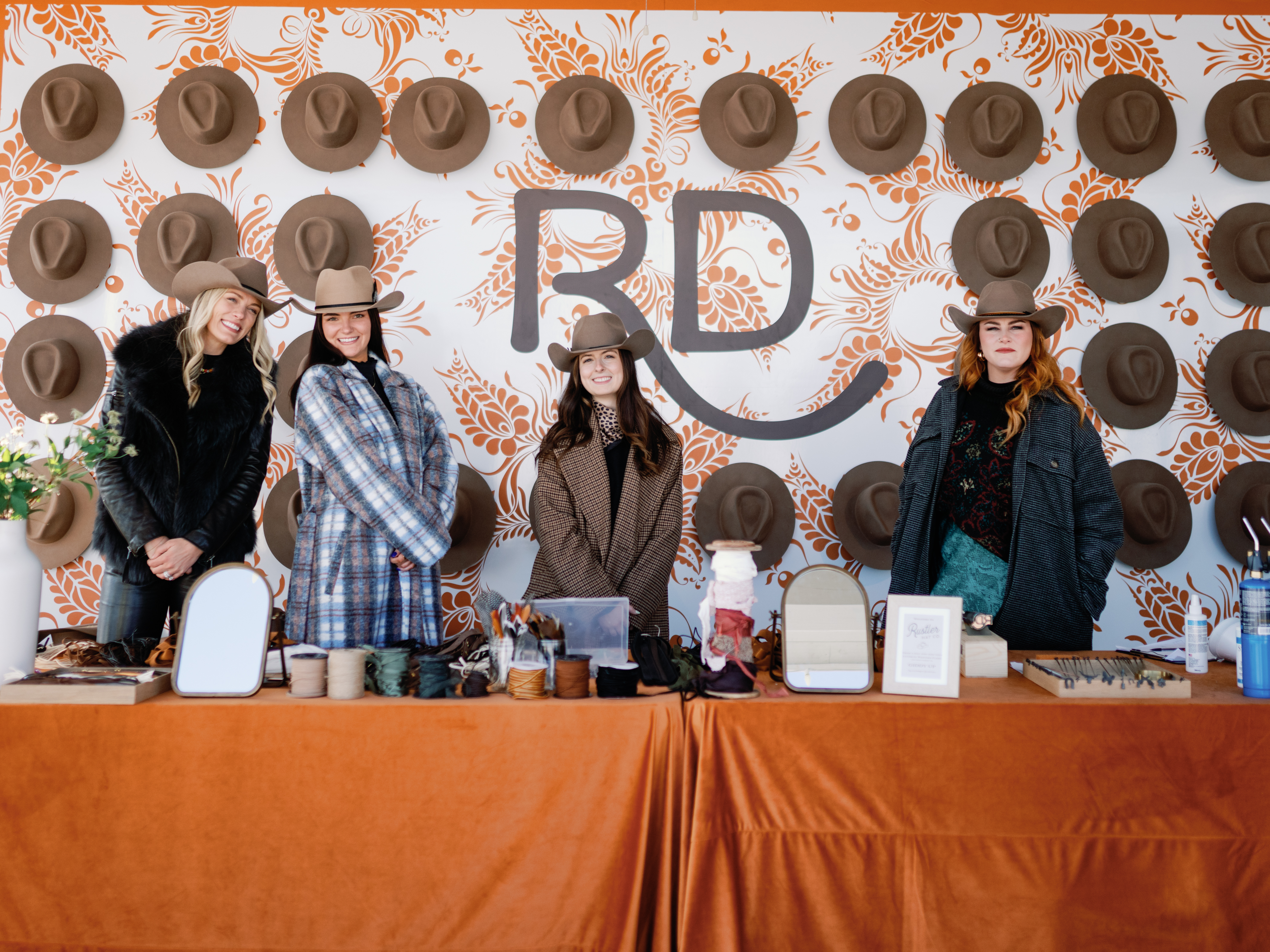
Some business owners deliberately set out to engineer these hubs as a way to craft an experience they themselves had been missing — like Jenny Nguyen, CEO and founder of The Sports Bra in Portland, OR, the world’s first sports bar 100% dedicated to women’s sports. Similarly, Rustler Hat Co., a Nashville-based shop founded by Alex Samuels, goes beyond just selling hats, making the “experience” of buying the hat the focal point — so much so that they have their own brand of beer for patrons to enjoy while chatting with staff, with these group experiences becoming a word-of-mouth sensation.
Others find their establishments naturally evolving as customers respond to their space, as happened with Green Apple Books or Vala’s Pumpkin Patch & Apple Orchard in Gretna, NE, which hosts one of the most popular fall festivals in the country.
Still others build community by literally reaching out to the community, as has been achieved by Nixta Taqueria, a James Beard award-winning restaurant in Austin, TX, which Edgar Rico, chef and owner, and Sarah Mardanbigi, owner and operator, describe as an “old school taqueria with a new soul;” or Charles Pan-Fried Chicken, a Harlem institution founded by James Beard-nominated chef Charles Gabriel, who came to Harlem by way of Charlotte, NC, where his mother taught him to cook for his 19 siblings after long days of work.
No matter how they begin, the businesses that leverage these memorable atmospheres share a common trait: a commitment to creating spaces where meaningful connections happen naturally.
The special something within
What do these spaces feel like, and how do they set the scene to be a third place? Let’s take a peek inside each.
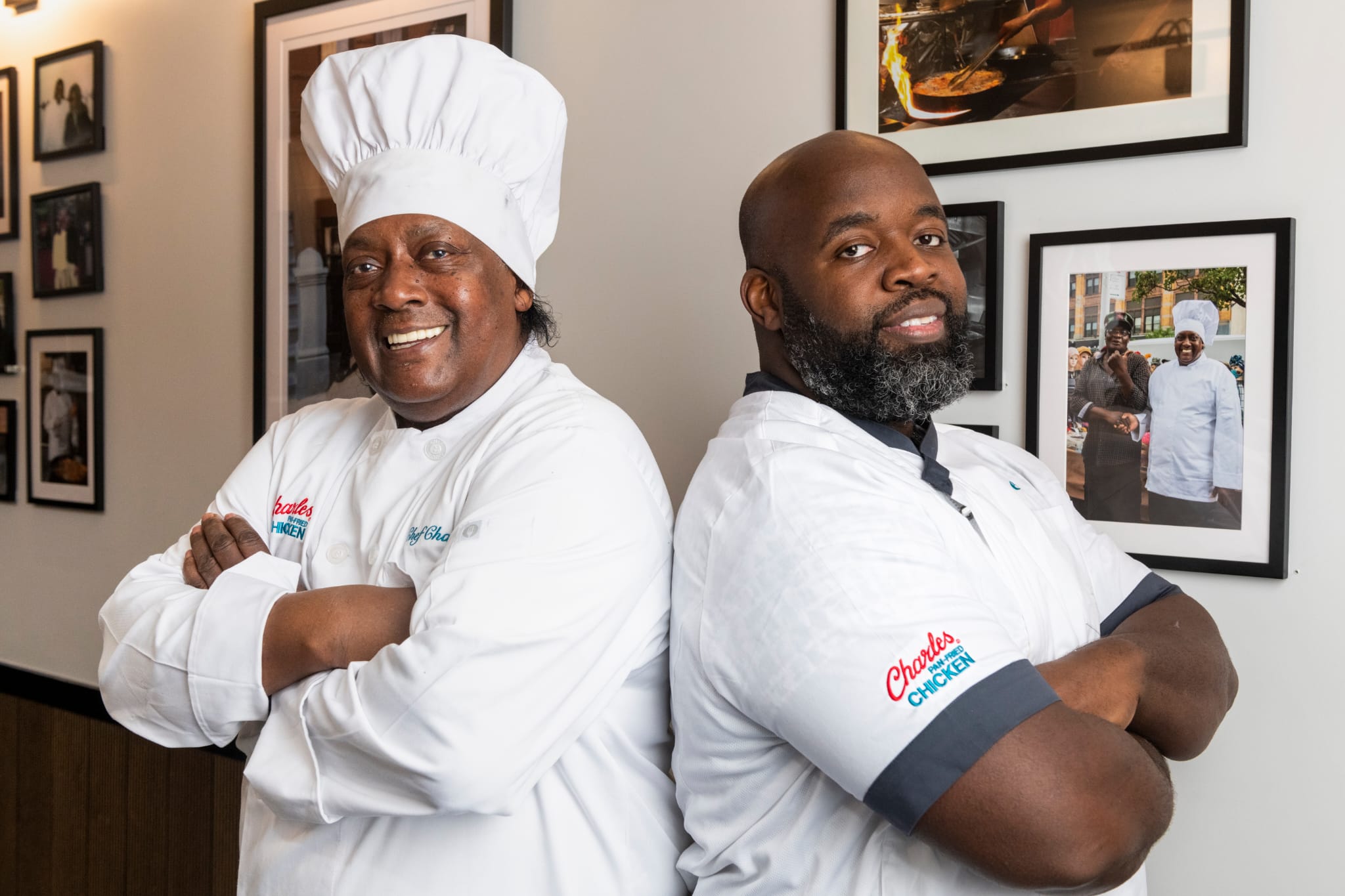
“I want you to walk into Charles Pan-Fried Chicken and feel what Charles is about. You’re going to walk into his home, feel welcome, be invited, feel comfortable and take a break from whatever’s going on in like,” said COO Quie Slobert.
“Our space is like a small pub… only with sports memorabilia and autographs all from female athletes,” said Nguyen of the Sports Bra. What started as a place for women’s sports fans has now acquired a vibe geared towards inclusivity in every way.
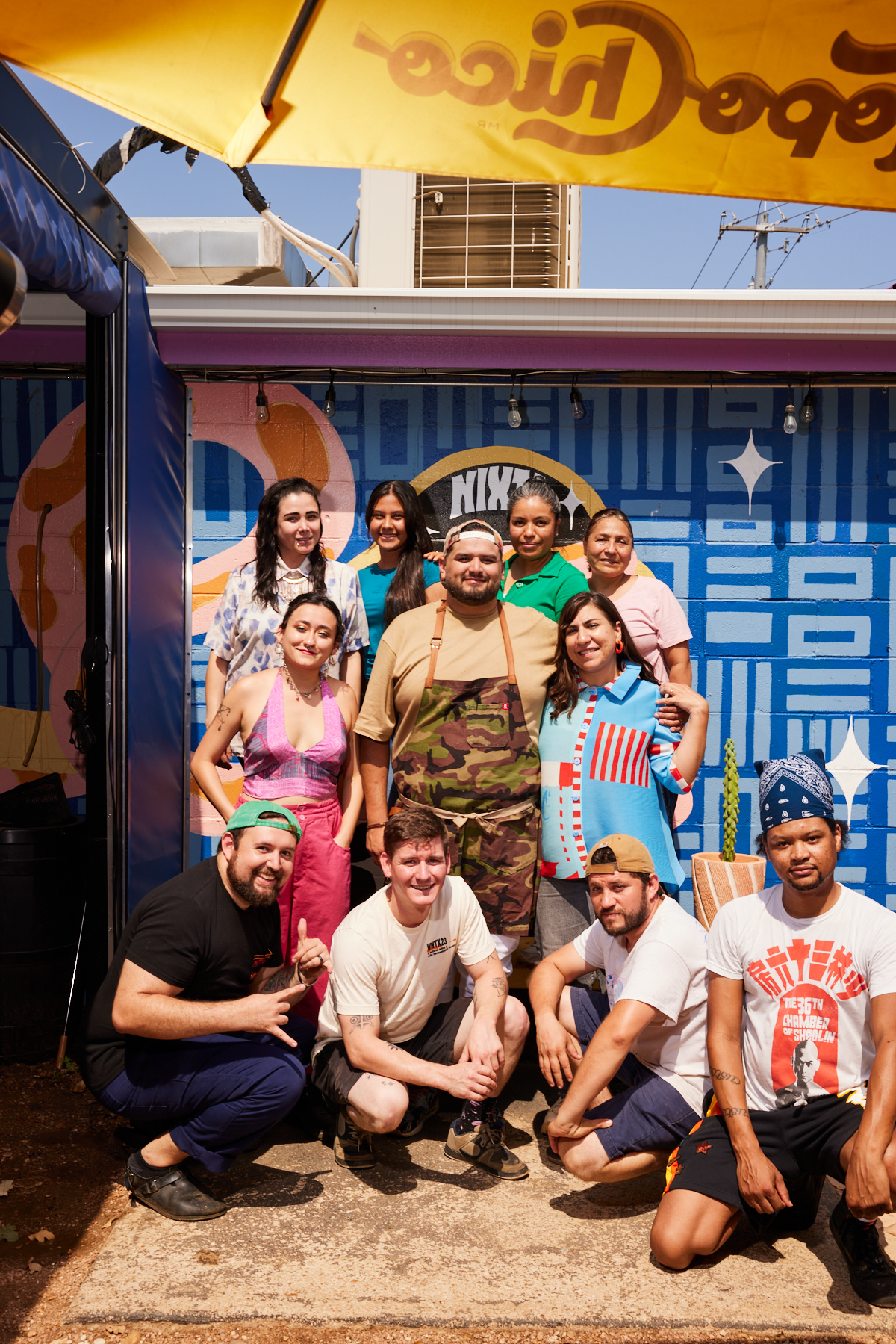
For Nixta Taqueria, it’s about creating a one-of-a-kind restaurant environment, a little kitschy, but also homey. Which is easy when much of the decor is from the owners’ actual home. “We’re making the DNA special, creating a meeting ground and a hub,” said Rico.
Green Apple Books is a place for people who want to talk about books… or those who just want to explore the aisles in silence.
Akin to a bar, Samuels has created an energy you feel just from walking by Rustler Hat Co. and is magnified during the lively shopping experience. “We’ve created a community where people are talking to people across the bar, getting opinions on their hat,” she said.
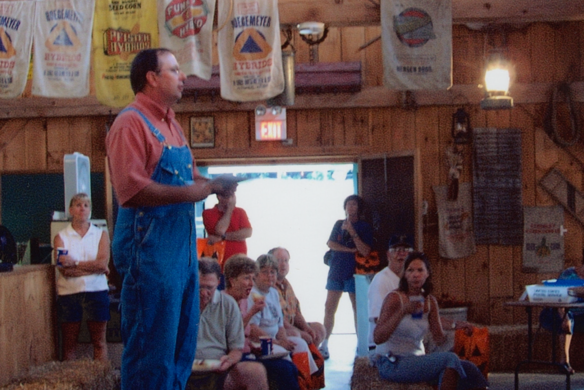
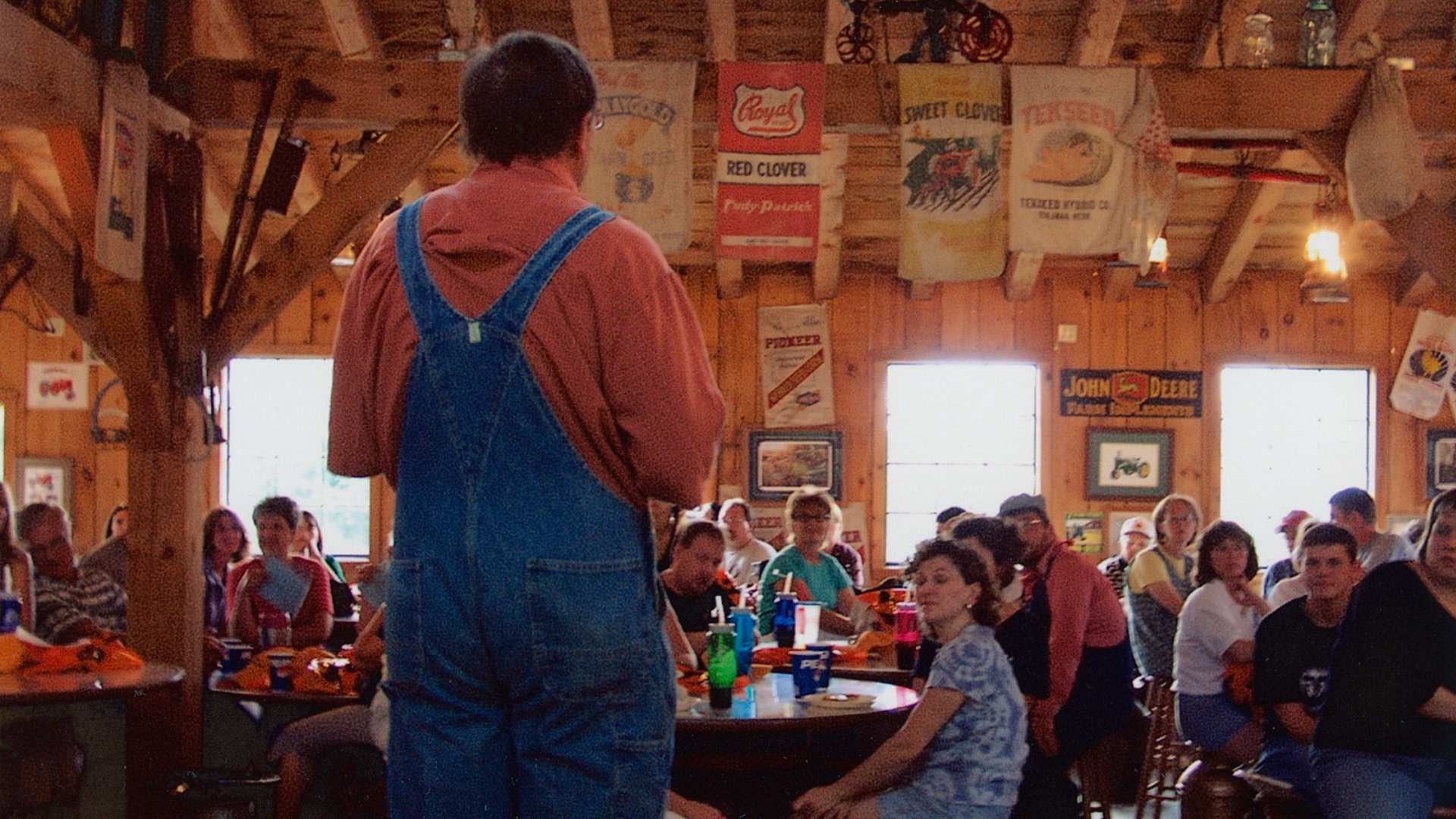
And for Vala’s, it’s about nostalgia and capturing the magic of the fall season, a vibe that has invited families to make the trek for decades. “I think people are looking for really good, authentic experiences,” said Kelsey Vala, co-owner of Vala’s Pumpkin Patch. “Out of literally 100,000 pumpkins, you can pick your own special one. It just makes the kids beam,” she said.
Filling a void
For many entrepreneurs, a business emerges as a solution to a frustration they’ve experienced firsthand.
That was the case with The Sports Bra. Nguyen’s frustration with feeling like a second-class sports fan in male-dominated bars crystalized one evening when not a single TV in a neighborhood sports bar was tuned to the WNBA Championship. The bartender agreeably changed one, and her group watched in excitement as a 20-point lead melted away. “We’re losing our minds, and the rest of the bar is silent. I hugged my friend and said, ‘That literally is the best basketball game I have ever seen.’ And she goes, ‘Yeah, can you imagine if we’d watched it with the sound on?’” And just like that, the seed for the Sports Bra was planted.
Samuels, too, created her business out of a disappointing experience in Jackson Hole. Her game plan on a trip is to buy a special memento that reminds her of the trip, and on that vacation she had set her sights on a hat. She showed up excitedly for an appointment at “the” hat store, only to be let down by an “absolutely terrible experience. They put a hat on my head and essentially just left. So my husband was like, ‘Man, we could make this so cool.’” That’s why her store is all about the experience and the memories — which has clearly resonated with her customers. “The coolest part is watching people continue to come back for their fifth, sixth, seventh. I mean, we’ve had people that probably have 15 hats from us. How do you even wear all those hats?”
Community at their core
Being a third place isn’t about what you get out of it, but rather what you give.
While Nixta Taqueria’s calling card had always been its welcoming vibe, they pivoted to delivery and takeout when COVID shut down restaurants. Aiming to replicate the connections that make hospitality so special, they added their own touch by including a trinket and note of support in each bag.
Not long after, the area was struck by a freeze, with long stretches of power outages. Nixta Taqueria responded by cooking up a storm, delivering to those who were stranded and serving the long lines out front. “We didn’t ask anyone for money. We were just doing it because it was the right thing to do at that moment in time,” said Mardanbigi.
And they got back as much as they gave. After suffering a setback with several internal systems that threatened to put them out of business in 2023, they turned to a crowdfunding site. Within two days they had raised $120,000. “I bawled my eyes out. I was just so overwhelmed,” said Mardanbigi. “Somebody wrote on the crowdfunding site, ‘Y’all fed us when we were frozen. You figured out how to make curbside happen when people were sick… it was the least we could do.’”
Charles Pan-Fried Chicken has also become synonymous with community service, particularly for Slobert, who was inspired to become a chef after seeing Charles’ path.
In Harlem, Charles is known for offering meals to those in need, a way of investing in the neighborhood that had embraced him when he arrived from Charlotte. He felt accepted by them, and in return, he fed them, with a business that progressed from a table in the park to a food truck to his eponymous restaurants.
“Every time we open a restaurant, we give out free food,” said Slobert. Today, they have a program called Cooking with Shirley’s Son, where they travel to schools to teach kids basic kitchen skills. “Literally every Wednesday and Friday, Charles takes the time, and we make it happen.” And with Square, they can track all elements of their financials. “Rather than having waste, I know where the money’s coming from and where it’s going [so we can] give back to the community.”
Building on a legacy
Some of the most resonant third places don’t emerge from nowhere — they build upon existing foundations, honoring their origins while evolving to meet contemporary needs.
A great example is Charles Pan-Fried Chicken, built around Charles’ fondest memory — cooking with his mom, safe from the racism and hate he endured.
At Vala’s, founder Tim Vala remembers starting his farm with “you-pick” strawberries, eventually planting other vegetables, including pumpkins. When he saw the joy visitors got from picking them, he had his aha moment.
From there, Vala’s just, well, grew, and continues to, says his daughter Kelsey Vala. “It is definitely an honor to carry on a business that started out with very humble beginnings. I take a lot of pride in it, and it’s something that I [and my sisters] want to carry on for the sake of our community, the employees who support us and the families who come out each fall and build their traditions around us.”
Place meets purpose
Smart entrepreneurs realize that location is about cultural context as much as foot traffic—building thriving businesses that align with and enhance what makes their neighborhoods distinctive.
When toying with her idea of a woman’s sports bars, Nguyen began to conduct research on other similar spots, and realized it had never been done. But because she grew up seeing Portland show up for women’s sports and unique concepts, she was confident that the gap in the market was exactly why the bar needed to exist.
Similarly, Rustler Hat Co.’s roots are Nashville through and through, rather than just another hat store that decided to open a Nashville location. The associates’ love of the city shines through in their interactions with shoppers. Customers walk away with more than a hat—sure, they have created that memory, but they also leave with the best intel around on great bars, restaurants and activities, generously supplied by the hometown workers.
A place for tomorrow
Each of these entrepreneurs have their sights set on growth, whether that’s expanding to bring their third-party vibe to new locations or by introducing new product lines. They realize they can’t do it without a business partner who supports them from top to bottom.
“Square frees up our staff to really spend time with our guests, creating that special experience for them,” Samuels says. And it helps with product fulfillment as she peruses reports throughout the day and then monthly. “We [want] to keep our customers coming back for different, unique things, and the real-time feedback has been really important for us to help us meet demand.”
A friction-free checkout is a game changer, according to Rico at Nixta. “After you’ve ordered and waited, we don’t want you to have to get back in line. That’s not hospitable in any way,” he says. They find that visiting a table to close out a check is also a revenue driver. “It gives [us the opportunity to make] those extra sales, maybe a couple extra duck carnitas that someone’s jonesing for at the end of a meal.”
Mulvihill agrees that transactions shouldn’t be sticky. “It should happen while you’re chit-chatting about the books they’re buying, and with Square, people don’t even notice. The smoothness of the transaction itself allows us to connect with the customer or suggest yet another book.”


