


Table of contents
From rooftop cocktail bars to relaxed beer gardens, many have considered how to open a bar or lounge where people feel at home: after-work drinks with colleagues, friends celebrating milestones, or travellers stumbling in and leaving with a story to tell.
Perhaps you’ve asked yourself, “How can I open a bar or a brewery?” or wondered how to start a pub business. You might be a creative entrepreneur, a social butterfly or just someone who loves the buzz of hospitality – and opening a bar lets you combine business with community. It’s a chance to bring your idea to life, meet new people every day, and shape experiences that people return to again and again.
This guide details how to start a bar in Australia, manage it effectively and stand out in a crowded market. You’ll learn about:
- Which bar ownership or tenancy model suits you best
- How to write a business plan that sets you up for funding and success
- The licences and insurance needed to operate legally
- Costs to budget for when setting up and running a bar
- How to choose a location
- Tips for hiring, training and managing staff
- What you need to equip your bar
- Using tech to streamline operations and track performance
- Marketing to build your brand and keep customers returning
- Ways to boost your bar’s profits

Step 1: Decide on the type of pub or bar
Your first major decision is whether to lease, buy or share ownership of your bar. It affects your bar opening costs, control over the space and long-term flexibility.
There are several bar ownership and tenancy models in Australia:
- Tenancy or leasehold: Renting a space is the most common route for new operators. The initial investment is lower because you’re not buying the property, but you’ll need to manage ongoing rental costs and abide by lease conditions. It gives you flexibility if you want to test the waters, but less control in the long run.
- Freehold: Buying the property outright is far more expensive but offers maximum control. You can renovate without landlord approval, build equity over time and have full say over your venue’s future. The trade-off is tying up a large amount of capital and taking on bigger financial risk.
- Partnership or shared ownership: Teaming up with a partner(s) allows you to share costs, skills and responsibilities. It can be an affordable entry point, but it requires clear agreements to avoid conflict.
Consider how each ownership option fits your budget and long-term plans. Leasing keeps upfront costs lower, buying gives you more control, and partnering spreads costs and responsibilities. Align your choice with both your financial reality and your vision for the bar.
Step 2: Write a business plan
No matter how good your idea is, you’ll need a business plan before you can convince investors, banks or even staff to back your vision. It also gives you a clear strategy and operational framework. By setting goals, planning resources and making informed decisions, you’ll run your bar with direction rather than guesswork.
For example, if you want to open a wine bar, what’s the demographic in your chosen suburb? Are they mid-30s professionals who’ll happily pay $16 for a glass of pinot, or are they uni students looking for $5 house reds? That distinction changes your pricing, your suppliers, even your decor.
Lenders and investors want reassurance you’ve thought things through. Having a well-structured business plan shows you’re serious and gives credibility to your pitch. Say you’re applying for a loan. Showing the bank, for instance, that you expect to reach break-even after 12 months gives them confidence that your plan is viable.
Your business plan should include:
- Executive summary: An overview of your vision, mission and objectives
- Market research and competition analysis: A snapshot of the local hospitality landscape, including your competitors, target demographics, current trends and market gaps you can fill
- Concept and target customers: Define your theme, brand personality and experience you want to create. Who do you want to attract: professionals, students, tourists or locals?
- Menu and pricing strategy: Outline your drinks and food offerings, with pricing aligned to your target market and margins.
- SWOT analysis: Evaluate your strengths, weaknesses, opportunities and threats. This helps you anticipate and tackle challenges early on.
- Financial forecasts: Include startup costs, revenue projections, cash flow forecasts and break-even analysis. If you’re not sure how to build these forecasts, you might use templates designed for hospitality businesses or work with an accountant.
Learn how to write a great bar business plan.
Step 3: Understand licensing and legal requirements
Licensing is a legal requirement when starting a bar in Australia. The exact requirements vary by state and territory, but most bars will typically need:
- A liquor licence (with different categories for small bars, pubs, restaurants or clubs)
- Responsible Service of Alcohol (RSA) certification for all staff
- A food safety licence if you plan to serve food, even snacks
- A music licence to play recorded music or host live performances
- Building or occupancy permits if you’re renovating or adding seating
Applying for bar licensing usually follows a similar pattern:
- Find out what licences you need: Your first stop is visiting the Australian Business Licence and Information Service (ABLIS) website. By completing a short questionnaire, ABLIS then lists all the relevant licences, permits and approvals for your type of venue, including guidance, fees and links to each application form.
- Prepare your paperwork: Applications usually require proof of business registration or an ABN, lease or ownership documents, floor plans, an operating plan (covering things like noise, security and RSA management), and background checks for key staff. Some states require you to notify neighbours or the local council as part of the application.
- Lodge your applications: Most applications are submitted online via your state/territory authority, and you pay an upfront fee. Larger venues, late-night trading or complex fit-outs can increase the initial and ongoing costs.
- Assessment and approval: Regulators review your application, check your compliance with planning rules and may carry out inspections for things like fire safety, accessibility or food preparation. Once approved, you’ll receive each licence with conditions attached – covering things like trading hours, security, noise limits and reporting obligations.
- Ongoing compliance: Once you’re operating, you’ll need to keep your licences current (annual fees usually apply) and stay compliant with conditions. Non-compliance can result in fines, revoked licences or suspension.
Insurance is another key requirement when setting up a bar. Some are mandatory; others are optional but strongly recommended:
- Workers’ compensation insurance (mandatory): Covers wages and medical costs if an employee is injured at work
- Public liability insurance (mandatory in most cases): Protects you if a customer, supplier or member of the public is injured on your premises. Often required by landlords
- Property insurance (recommended): Covers damage or loss to your building fit-out, equipment and stock
- Business interruption insurance (recommended): Helps replace lost income if your bar has to close temporarily due to an insured event, such as fire or flood
Pro Tip
Approval can take anywhere from a few weeks to several months. Start your applications early and budget for both fees and potential delays.Step 4: Secure funding and budget for costs
Consider whether getting funding makes sense for your situation. Having this gives you room to breathe and make strategic choices. It also provides a safety net for unexpected expenses, letting you focus on getting up and running.
Funding options include:
- Traditional bank loans
- Flexible business loans, such as Square Loans
- Investors or business partners
- Personal savings
- Financial support from family and friends
- Government grants and programs
Opening a bar requires both startup capital and ongoing cash flow. The exact cost to start and run a bar depends on your bar type, size and location, but you’ll want to budget for both one-off and recurring expenses, such as:
- Startup costs: Licences, refurbishment, equipment, insurances, stock, staffing, marketing
- Ongoing costs: Rent, utilities, supplier orders, staff wages, maintenance, software subscriptions
It’s worth setting aside a contingency fund for unexpected repairs or supplier price rises. Consider creating a conservative budget that covers at least 6–12 months of running costs. It can take time for a new bar to build momentum, so having a cash buffer helps you ride out the early stages.
Step 5: Choose the right location
How do you open a bar that attracts customers? A well-chosen location can help your bar thrive, while the wrong one might make running even a great concept challenging. When considering where to set up, think about:
- Foot traffic: Busy streets help with exposure, but high-rent areas aren’t always necessary if you have a compelling reason for people to visit. Successful Aussie bars have started as ‘hidden gems’ in tucked-away spots that people sought out.
- Demographics: Who lives or works nearby? Are they after post-work drinks near office towers, late-night cocktails in the city, or casual beers on a suburban corner? Your concept should match the local crowd’s preferences and spending habits.
- Competition: Being near other bars isn’t automatically bad – it can turn your area into a destination. Whole districts like Fortitude Valley in Brisbane or Fitzroy in Melbourne thrive on clustering. Just ensure you offer something different rather than replicating what’s already there.
- Transport links: Easy access by public transport, walking or driving can make your bar more appealing to visitors.
- Lease terms: Check rent costs, rent increases, and any restrictions on renovations, signage, outdoor seating or live music. These may affect your flexibility and profitability in the long run.
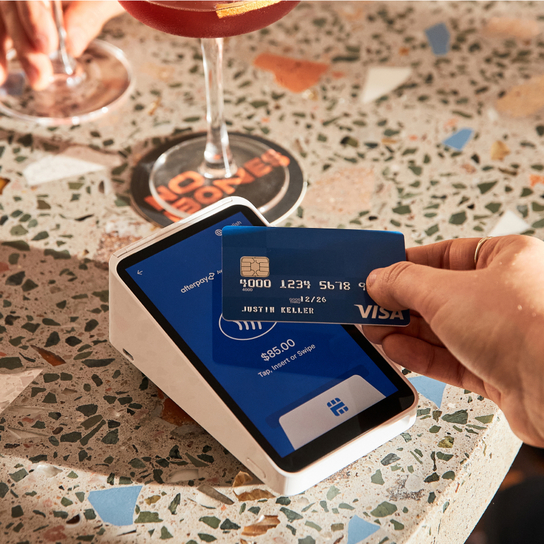
After narrowing down your options, consider space planning and interior design. Does the layout match your vision, or will you need costly renovations? Can staff move quickly from bar to floor without bumping into each other? Can customers order and get served without bottlenecks? Think about seating density, bar width, sightlines, lighting and acoustics. Little details like these affect customer comfort, service speed and the overall feel.
Step 6: Hire, train and manage staff
A great team can turn a good bar into a legendary one. They help keep your bar running smoothly and contribute to memorable customer experiences.
Typical staff include:
- Bar manager
- Bartenders
- Waitstaff
- Kitchen staff (if serving food)
- Cleaners
- Security (for larger venues)
While recruitment can be challenging in hospitality due to high turnover and strong competition for experienced staff, 66% of Aussie restaurant leaders reported in 2025 that hiring has gotten easier in the past year. Try casting a wide net: tap into hospitality-specific job boards, local hospitality schools, your community network and social media.
When hiring, consider traits that go beyond skills, such as:
- Energy and personality
- Strong interpersonal skills
- A passion for service
- A can-do attitude
- Takes initiative
In addition to training employees on your menu and systems, you’ll also want to cover customer service, RSA compliance, occupational health and safety, upselling techniques and your specific house rules. Fostering a positive team culture helps with retention and the customer experience. Happy, well-supported staff tend to create happier guests.
Managing a team involves keeping shifts, pay and human resources in order. Scheduling shifts effectively ensures you have the right staff at the right times without overstaffing or burning out your team. Payroll management keeps wages accurate and timely, while HR responsibilities (tracking leave, addressing conflicts, staying compliant with employment laws) ensure your team feels supported. When these run smoothly, they create an organised environment that benefits everyone.
Pro Tip
Using a team management tool can help manage rosters, track hours and integrate with payroll systems. Less time on admin tasks means more time to focus on your people.Step 7: Set up your pub or bar
Here’s where your concept turns into a tangible space. You’ll need the following essential equipment and services:
- Bar equipment: Glassware, taps, ice bins, bar tools, trays
- Appliances: Blenders, dishwashers
- Cooking and food prep (if applicable): Oven, grill, cookware, utensils, tableware
- Refrigeration and storage: Fridge, freezer, kegs, wine racks, cabinetry, shelving, containers
- Furniture: Benches, tables, chairs, stools, decor
- Cleaning and hygiene: Sinks, bins, dish racks, sanitising station
- Security equipment: CCTV, alarm system, safe
- Sound and lighting system
- Utilities: Electricity, water, gas, internet, waste disposal
Next, plan for stock:
- Alcohol range: Beer, wine, spirits, liqueurs, mixers, garnishes, ice
- Food (if applicable): Ingredients, nibbles, condiments
- Consumables: Straws, napkins, coasters, stirrers, takeaway cups/packaging if needed
Key tools for everyday operations include:
- POS system: Point-of-sale software and hardware for handling sales and taking payments quickly
- Inventory management software: Monitors stock in real time and reduces waste
- Roster management tool: Makes scheduling easier, handles availability and shift swaps, and helps manage tips
A good bar POS system keeps sales flowing even in the Friday night rush. Ideally, it integrates with inventory, staff management and payments, so you’re not juggling multiple systems. For example, Square POS for bars and pubs links directly with Square Inventory Management and Square Shifts, helping you manage stock, schedules, payroll prep and sales all in one place.
Step 8: Daily operations and management
Running a bar is a daily balancing act – keeping inventory under control, paying utility and supplier bills on time, and ensuring every customer leaves happy.
Spilled drinks, expired bottles and incorrect orders all eat into profit. Having a stock management system in place helps with accurate order-taking, rotating stock (first in, first out is the golden rule), and tracking what’s selling versus what’s just taking up shelf space.
Reliable deliveries and fair pricing keep your bar running smoothly and profitably, so don’t be afraid to negotiate supplier terms. Partner with local breweries, wineries and distributors. A trustworthy supplier who you can call on when you run short before a big event is worth their weight in gold.
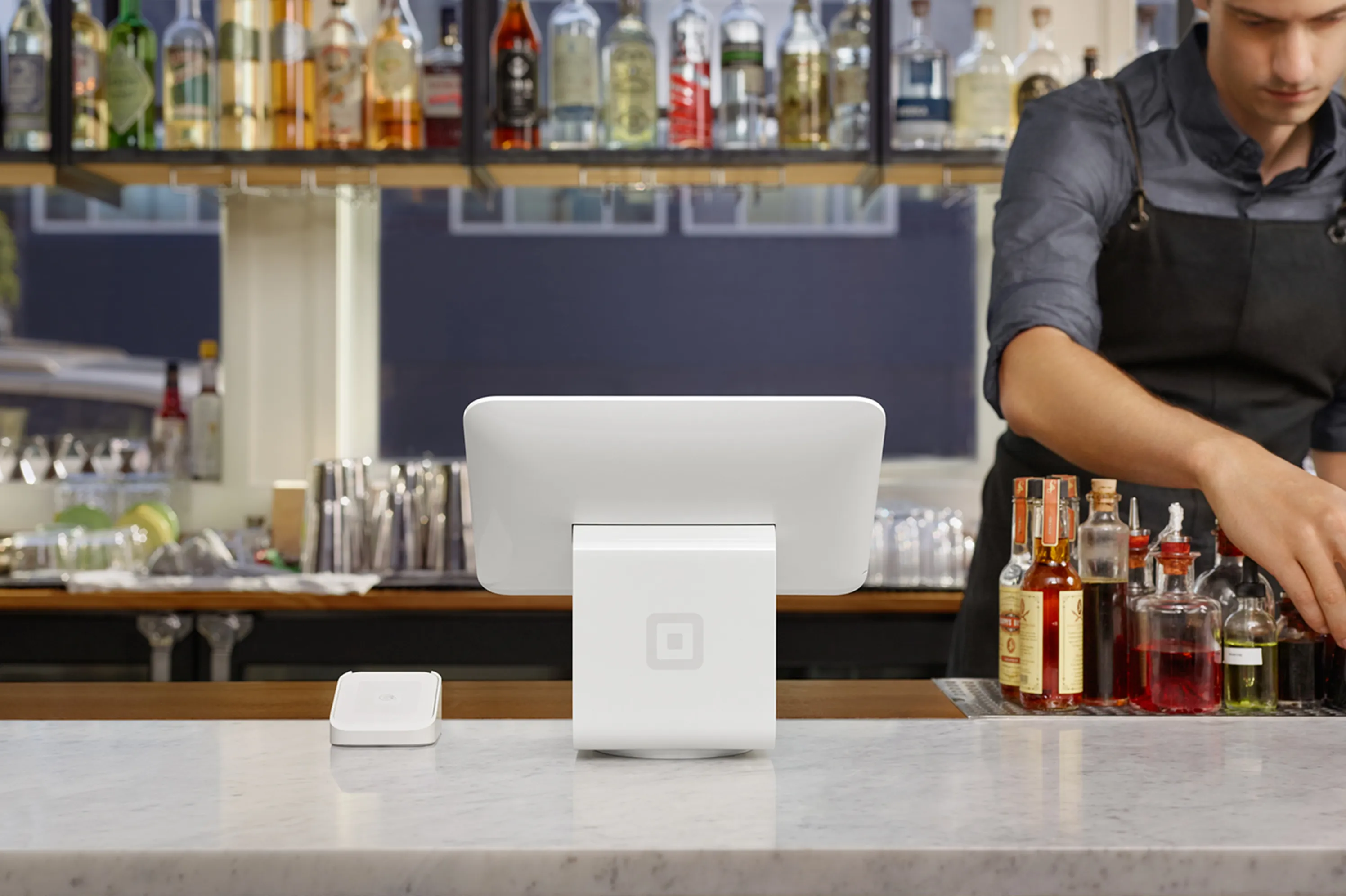
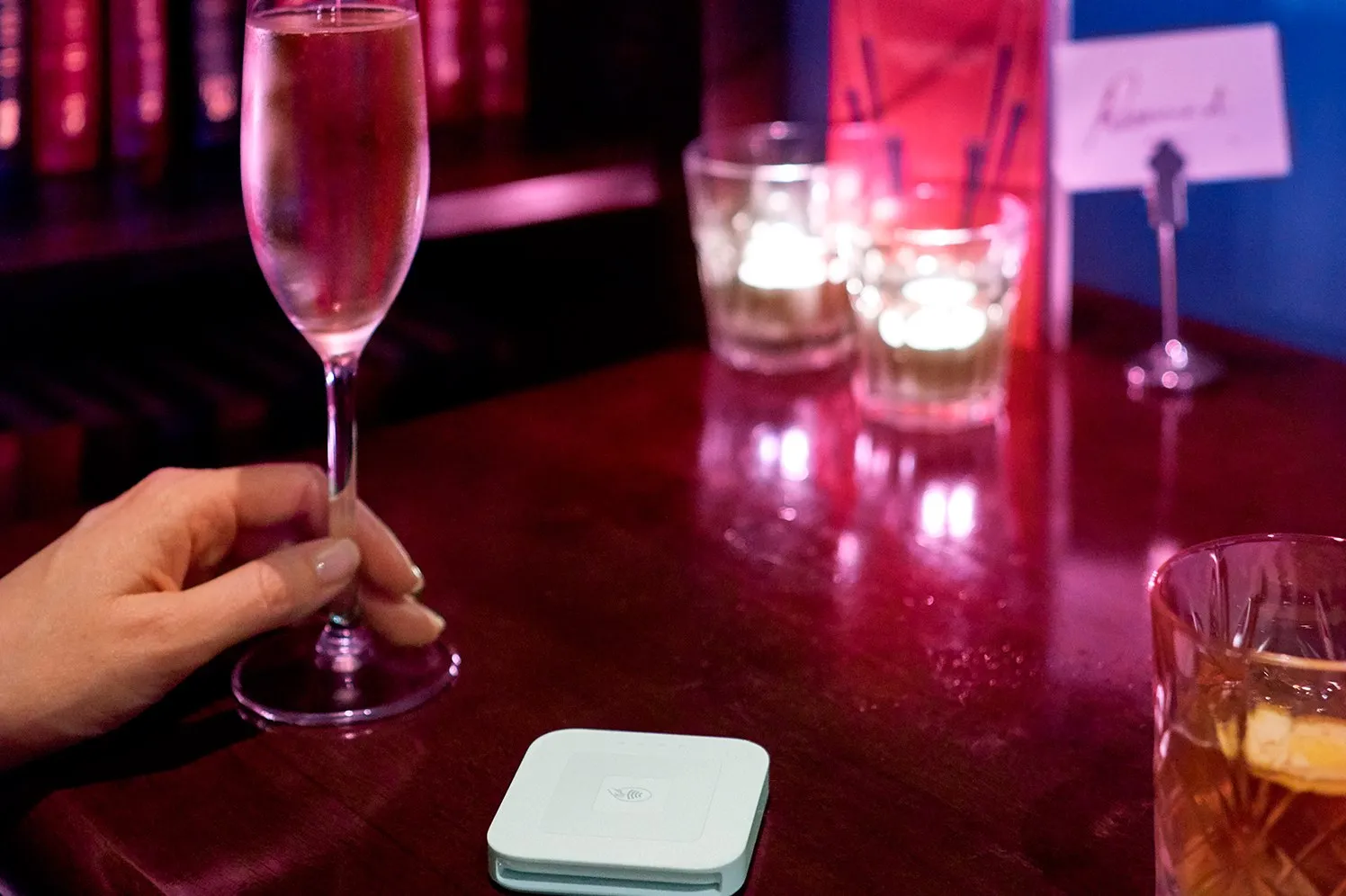
Tech can save you hours. A POS system with inventory alerts lets you know when goods are running low. POS analytical data can reveal trends like your busiest nights or your slowest sellers. Shift scheduling tools help you match staff numbers to demand, reducing unnecessary overtime. And by accepting tap-and-go payment options such as contactless cards and mobile wallets, queues move faster and customers can pay how they prefer.
Step 9: Track performance and revenue
Tracking your numbers is essential for long-term profitability. Regular reporting shows you what’s working, what’s not and where you can improve.
Key metrics to track include:
- Sales per hour/day: What are your busiest periods?
- Sales per menu item: Which drinks bring in the highest margins?
- Sales per staff member: Who’s upselling effectively?
- Staff costs vs. sales: The ATO reported that labour typically accounted for 18–29% of annual turnover for pubs, taverns and bars in 2022–23. Aim to stay within this range to keep staffing costs sustainable.
- Profit margins: Higher margins create a buffer for unexpected costs and reinvestment.
- Cost of goods sold: Rising COGS may mean staff need more training on pouring accuracy, or that it’s time to renegotiate supplier prices.
Using a reporting tool like Square Dashboard gives you insights into your performance. Real-time sales data lets you tweak your menu, staffing or pricing on the fly. The earlier you spot a trend, the quicker (and cheaper) it is to act. Historical reports also help you compare performance over time and make more confident decisions.
Step 10: Marketing, promotions and events
You’ve got your space, your drinks and your team. It’s now time to fill the seats through marketing and engagement.
Start with brand building – a memorable name, logo and story that reflect your concept and tell people what you’re about. Build a simple, professional-looking website with key details like your menu, opening hours and location to help customers find you. You can also improve your business’s visibility in local online searches by setting up your Google Business Profile.
Keep your social media active: share behind-the-scenes snippets, staff stories, clips of live performances or customer moments. Promotions and events help attract crowds during quieter periods: happy hour, themed nights, trivia, wine tasting, cocktail classes and dog-friendly Sundays. Hosting live music or partnering with local groups strengthens community ties and raises your profile.
Customer engagement tools help you stay connected and encourage repeat visits. Email campaigns remind customers about upcoming events, specials or birthday perks. Pairing this with a loyalty program like Square Loyalty turns occasional visitors into returning guests, helping build a steadier flow of business.
Step 11: Maximising profitability
It’s the question on every new owner’s mind: How do I open a bar that’s successful and profitable?
You might find that when you open your first bar, the money you make is going right back into running the bar – and that’s normal. As you continue building your brand and your bar grows in popularity locally, you’ll start to see financial returns. From there, you can explore strategies to increase your profits further.
Identify high-margin drinks (cocktails and wine by the glass often outperform beer) and use smart menu design to highlight them. Signature cocktails and carefully curated specials are great for this – customers will pay more for something they can only get at your bar. Keeping your menu profitable also means monitoring pour costs and customer demand. Drinks that sell quickly but use costly ingredients might need a price adjustment, while slow-moving options can be discounted, refreshed or rotated out.
Upselling and cross-selling help grow revenue while creating a better experience for customers. Train your team to suggest more premium alternatives or offer small food pairings with drinks. Showcase top-shelf liquor at eye level behind the bar.
Investing in atmosphere and service pays off. A bar that feels welcoming encourages longer stays and repeat visits. Offering interesting experiences, unique drinks or a one-of-a-kind vibe gives your venue a point of difference – helping attract more customers and turn a good bar into a memorable, profitable destination.

How to open a bar FAQs
How much does it cost to open a pub in Australia?
Pub startup costs usually range from $150,000 to over $600,000, depending on location, size, concept and fit-out.
What licences are needed to run a bar?
At minimum, you’ll need a liquor licence, RSA certification for staff, food safety permits if serving food, a music licence, and building or safety approvals.
How many staff are needed to run a pub?
Smaller venues might operate with 5–10 staff, while larger pubs may need 20 or more across bartending, serving, kitchen, cleaning and security.
What’s the profit margin on drinks in a bar?
Alcohol typically has margins of 60–80%, though actual profitability depends on pricing, waste control and supplier agreements.
How long does it take to open a bar?
Plan for 6–12 months from concept to opening. Licensing approvals and renovations are often the biggest factors that can extend timelines.