


Table of contents
The idea of starting a restaurant is thrilling – and having a restaurant business plan helps turn your culinary vision into something strong and viable. It provides the strategy for how you’ll get it off the ground and make money. And you’ll need a business plan if you want to attract investors, co-founders or partners.
A strong eatery business plan maps out what success could look like and highlights the key steps to get there. Learn how to write a business plan for restaurant businesses and make your plan clear and credible. By the end, you’ll know not only what to include, but how to present your business plan in a way that engages readers and gives your restaurant the best chance of success.
What is a restaurant business plan?
A restaurant business plan is a document that outlines the kind of restaurant you are looking to create, how it will operate and how it will make money. It details your concept, target market, daily operations and restaurant financial projections. Most lenders and investors will want to review the plan as evidence that you’ve done your research and understand the business realities. Even if you’re not seeking funding, having a restaurant planning guide is still useful for shaping your strategy and making informed choices as you turn your idea into a functioning business.
Creating a business plan forces you to think about the restaurant from every angle: the customer experience, staffing requirements, inventory management, supplier relationships, marketing strategy and, of course, profitability. It also helps you uncover potential challenges and opportunities, so you can plan strategically and approach your opening with confidence. A 2025 Square report found that 77% of Australian restaurant leaders are spending more time on business strategy than a year ago – a sign that thoughtful planning is playing a bigger role across the industry.
What to include in a restaurant business plan
Most restaurant business plans follow these few core sections. Note that you don’t necessarily need to include every detail – just what’s relevant for your restaurant and reflects your goals.
1. Title page
Your title page sets the tone for the whole plan. Include your restaurant’s name and logo, even if they’re still in draft form. If you already have high-quality images that reflect your concept (like a mock-up of the dining room, a signature dish or even a mood-board photo), you can place one here. The goal is to present your idea professionally from the very first page.
2. Executive summary
The executive summary is your chance to make a strong initial impression. It introduces your restaurant concept, explains why you feel there’s a need in the market, and highlights the factors that you believe will make it successful. In just a few paragraphs, this section should spark interest and entice readers to keep reading.
What to include:
- A concise but compelling introduction to your restaurant business plan
- A brief introduction to the topics you will cover
- Your mission statement
Maintain a confident but grounded tone, rather than overhyping. It should be a clear, concise preview, with the flexibility to grow and evolve. Even if investors read nothing else, they should leave this section with a strong sense of what your restaurant is, who it’s for and why it has a great chance of success. It’s often easier to write this section last, after you’ve fleshed out the details of your plan. Keep it short – one page is usually enough.
3. Business description
This section gives readers a deeper understanding of your restaurant’s identity, goals and operational philosophy. Beyond basic details about your business, it’s your opportunity to tell the story behind your restaurant idea. Include information about your founders, your inspiration and what sets you apart in the market.
- Restaurant name and location(s): Include your proposed name and site/area.
- Concept, cuisine type and service style: Explain your concept, the kind of atmosphere you want to create, your service style (e.g. fine dining, cafe, food truck) and the type of food you’ll offer (e.g. all-day breakfast, Thai cuisine, sandwiches).
- Vision and goals: Set out your short-term and long-term ambitions and what success looks like in broad terms. For example, are you aiming to become a community staple, expand to multiple locations or win local awards?
- Background of founder(s): Share what drives the team and why they’re the right people to deliver this concept. Highlight their experience, expertise, business achievements, and personal vision or inspiration behind the venture.
- Business structure: Specify whether your business is a sole proprietorship, partnership or company. This choice affects taxes, liability, funding options and your ability to bring in investors or partners.
Here’s where storytelling is particularly powerful. Share your journey – what inspired you to open this restaurant, what gaps you’ve noticed in the market and how your unique concept will stand out. It’ll help investors connect with your vision on a personal level.
4. Market analysis
A thorough market analysis demonstrates that you understand your industry, customers and competition. Break this into five parts:
- Industry insights: Provide an overview of the restaurant industry in your region. What trends are emerging? How does consumer behaviour shape demand? Consider things like economic factors, seasonal variations and growth forecasts. These 2025 reports by Square and SevenRooms can help kickstart your research.
- Competitive analysis: Examine key competitors in your area. What do they offer? What’s their style, approach and pricing? Where are they succeeding or failing? Then, explain what you’ll do differently to compete successfully.
- Target market: Profile your ideal customers. Include demographics, behaviours, dining preferences, dining patterns and lifestyle. How does your concept cater to them? For example, if you cater to office workers, families or tourists, describe how your restaurant will meet their expectations.
- Location analysis: Evaluate your restaurant’s location or potential locations, and why they’re ideal for your venue. Discuss visibility, foot traffic, surrounding businesses, public transport access, parking and seasonality of the area. Different locations, even within the same neighbourhood, might perform differently depending on where they’re situated and who or what is nearby.
- SWOT analysis: A Strengths, Weaknesses, Opportunities and Threats analysis provides a realistic assessment of your restaurant’s competitive environment. Highlight your strengths (e.g. a talented chef, prime location, unique concept) and how you’ll play to these. Consider opportunities (e.g. untapped customer segments, seasonal trends) that you can develop. Include realistic challenges and outline your strategies to tackle them. Being honest and transparent about where your business might be lacking shows investors you’ve thought about potential challenges and are prepared to tackle them early on.
5. Operations plan
In this section, you’ll explain how your restaurant will function daily. Here’s where you reassure your readers that your business can run smoothly and deliver a consistent customer experience.
- Staffing and culture: Include key leadership positions (e.g. executive chef, general manager) and describe their responsibilities. Outline the main FOH roles (e.g. waitstaff, food runners, bartenders) and BOH roles (e.g. chefs, cooks, kitchen hands). Highlight how you’ll foster a positive workplace, since engaged teams tend to deliver better service and lower turnover. Aussie restaurants, as revealed in a 2025 Square survey, support staff retention by offering benefits (34%), flexible schedules (33%), recognition/rewards (32%) and training (28%).
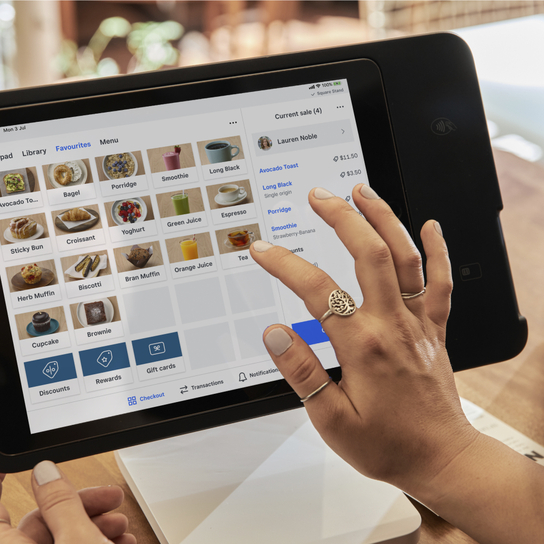
- Technology and systems: Describe the tools you’ll use to manage daily operations. This might include a POS system, self-service kiosks, kitchen display systems, online ordering platforms or staff scheduling software. Explain how these technologies improve efficiency, enhance customer service and provide actionable data for decision-making.
- Workflow and processes: Explain your approach to food preparation, service and table turnover. Detail your opening and closing routines, inventory management and compliance with food safety regulations. Investors like to see that your approach balances quality, speed and consistency.
- Suppliers and sourcing: Outline where you’ll source ingredients and stock. Will you work with local farmers or specialty suppliers, or will you prepare ingredients in-house? Include any contingency plans for supply shortages or seasonal changes.
6. Menu
Your menu is central to your restaurant’s identity. A clear, enticing menu communicates your concept, price point and culinary style. It shows investors that you’ve considered both creativity and practicality.
Things to cover:
- Sample menu items and pricing: Include your key dishes, with sensory descriptions that entice your audience and help them imagine and ‘taste’ a meal, and pricing to show your understanding of margins and customer appeal.
- Signature dishes and customer draws: Showcase items that define your concept and differentiate your restaurant from competitors. Investors often look for these ‘hero’ items as markers of your identity. Highlight local, sustainable or specialty ingredient choices that enhance your brand story.
- Dietary options and seasonal variety: Highlight any dietary accommodations, such as vegetarian or allergy-friendly options. Showing that your menu can cater to a wider audience reflects thoughtfulness and market awareness. Similarly, including seasonal menu adjustments demonstrates that you regularly refresh your offerings, keeping the menu exciting and encouraging customers to return.
- Visual elements: Add illustrations or photos of dishes to help viewers picture your menu concept.
Consider trialling your menu with focus groups ahead of time and adding the results to your business plan. Doing so gives you real feedback on customer preferences and whether your menu is viable. Testing your recipes early on and ensuring people are in the market for what you provide, can prevent wasted time and money, and give your business a stronger chance of lasting success.
7. Branding and marketing
Here, you’ll explain your strategy for building awareness, attracting your ideal customer and creating loyalty.
- Branding: Define your restaurant’s brand, personality, visual identity and tone. Show how branding extends from the logo to the colour scheme, fonts, menus, packaging, signage, interior design, staff uniforms and restaurant website. Every element should consistently communicate the dining experience you want to deliver. A unique design can help you stand out from competitors and influences how people perceive your brand.
- Marketing channels: Identify the most effective channels to reach your target audience. Younger diners might respond better to Instagram or TikTok campaigns, while older clientele might rely more on reviews or word-of-mouth recommendations. Boomers look for trust and clarity, Gen X values practicality, Millennials connect with authentic, socially conscious brands, and Gen Z expects snappy, personality-driven content, according to an Orbit Marketing article.
- Launch promotions: Outline tactics to attract diners in your first few months. Consider promos like soft openings, pop-up tastings, PR outreach, social media campaigns or collaborations with local businesses.
- Ongoing marketing: Explain how you’ll continue promoting your restaurant after opening. This could include seasonal promotions, happy hour, classes and events, loyalty programs, social media engagement and email campaigns.
- Test marketing: Indicate how you’ll test different marketing strategies to measure their success. You might include strategies such as collecting customer feedback, tracking sales data or measuring which campaigns people engage with most. Getting feedback from a wide mix of people, not just one group of your loyal supporters, gives you a clearer picture. By trialling different strategies, you’ll start to see which brings in the most interest and use those insights to shape your ongoing marketing.
8. Financial plan
The financial plan section of your restaurant business plan covers all key numbers, demonstrating that you understand costs, revenue and profitability. It’s especially important if you’re seeking a business loan or investor backing.
- Startup costs: Outline all initial expenses, including real estate (purchase or lease costs), renovations, equipment and tech, utilities, furnishings, licences, inventory, hiring, payroll and launch marketing.
- Revenue and expense projections: Forecast your revenues, costs and profits for 1–3 years. Break down revenue streams (dine-in, takeaway, catering, retail), and separate fixed costs (rent, insurance) from variable costs (food, utilities).
- Break-even analysis: Calculate the monthly sales volume required to cover all costs – your break-even point – to determine when you’ll start generating profit. For example, if your fixed costs are $20,000/month, and the average dish provides $10 in net revenue, you’ll need to sell 2,000 dishes a month to break even.
- Cash flow management: Show when money will enter and leave your business each month. Highlight any potential cash gaps (e.g. during low season if your restaurant is in a tourist town) and strategies to address those gaps, such as lines of credit, adjusting staff schedules or scaling back inventory orders.
- Funding requirements: Specify the amount of funding you’ll need and how you plan to source it (through personal savings, loans, investors). Include expected repayment timelines or projected return on investment (ROI) for investors.
Keep the language clear so that even if you’re new to restaurant finance, you can explain the numbers confidently. Working with an accountant can help make this section more accurate and informative, to give you a stronger chance of securing funding or investment.
9. Appendices
Use this optional section to include extra materials that support the main parts of your restaurant business plan without cluttering it. Here, you can add reference documents that show the depth of your research, design thinking and operational readiness. For example, you might attach:
- Sample menus or drinks lists
- Brand assets
- Floor plans and seating layouts
- Design mock-ups
- Resumes of key staff
- Licences or permits
- Market research, surveys or demographic insights
- Supplier agreements or contracts
In digital versions of your plan, use hyperlinks to let readers jump directly to these supporting materials. Encourage readers to refer to the appendices when relevant, which keeps the main plan streamlined while still providing all the details they might need. For example, in the Menu section, you might write “Refer to Appendix 1 for the full sample menu,” linking the text ‘Appendix 1’ to the page containing your sample menu.
How to format a restaurant business plan
Choosing a suitable business plan format for restaurants depends on who’ll be reading it. There isn’t one ‘correct’ way to do it, but some formats work better for certain audiences and purposes:
- Traditional document: A comprehensive written document covering all key aspects. Suitable for investors and lenders who want to see your strategy laid out in detail.
- Pitch deck: A visually driven summary, often paired with a verbal presentation. Ideal for pitching to potential investors, partners, franchisees or collaborators.
- Internal plan: A simpler, operational version for staff and management, focusing on workflows, roles and procedures. Useful for guiding your team once the restaurant is up and running.
Whichever format you choose, your plan should be easy to read, visually clear and reflect your restaurant’s personality. Use readable fonts and clear headings, subheadings and images to guide readers through the plan. Keep the tone approachable but professional. Balance readability and detail – avoid clutter or overly long paragraphs, but give enough information so the reader fully understands your concept, operations and finances.
Digital versions are particularly useful; they’re interactive, easy to share and allow hyperlinks for quick navigation. Printed copies should be on high-quality paper and neatly bound or in a folder to leave a professional impression. When presenting in person, having cue notes or rehearsed talking points can help you communicate confidently.
Where to download free restaurant business plan templates
Reviewing other restaurant business plans can provide insight into how others structure their plans. To help you get started, here are some places where you can download restaurant business plan examples and templates for free:
- Canva: These templates are easy to customise and look great. Plus, Canva has a huge library of other useful templates – menus, social posts, signage and more.
- Smartsheet: Lets you download both blank and sample templates, so you can see how a completed plan looks and reads.
- Template.net: Offers templates in Word, Pages and Google Docs, giving you multiple options to build your plan in the format you’re most comfortable with.
These online restaurant business plan samples help provide ideas for structure, formatting and the level of detail readers might expect, while leaving plenty of room to inject your own brand style and personality. A great business plan gets you ready to open. Pair it with the right tools that help simplify service, run your team as one and keep a pulse on performance. With these, you’ll be set up to please both investors and customers well into the future.

Restaurant business plan FAQs
How do you write a business plan for a restaurant?
Start by thinking about your restaurant’s concept and what makes it unique. Then, work through the key sections: executive summary, business description, market analysis, operations, menu, operations and staffing, marketing and financials. Keep your writing clear and structured, but don’t be afraid to show personality and passion. Use sample templates or examples online if you need guidance on layout and content, but ensure your plan reflects your own concept, brand and goals.
What is the minimum budget for a restaurant business plan?
The cost of creating a business plan can vary. If you write it yourself using free templates and resources, the budget can be very low – essentially just your time. Hiring a professional or consultant can cost anywhere from a few hundred to several thousand dollars, depending on the level of detail and financial analysis required. It’s helpful to remember that the plan is an investment in your restaurant’s success, especially if you’re seeking funding or investors.