

Table of contents
Opening a bar is one of those dream ventures that plenty of people aspire to. With the right planning and guidance, that dream can become a reality – and a successful one. According to Statista, around 76% of bars, pubs and taverns in Australia had an annual turnover of $200,000 or more in the 2023–24 financial year.
Of course, running a successful bar requires clear financial foresight and informed decision-making. How much does it cost to open a bar in Australia, realistically? As a broad guide, opening a bar costs between $150,000 and over $750,000 in startup capital. That’s a huge range, but it reflects the wide variety of bar sizes and types out there.
This guide covers the main bar startup costs, including:
- Buying or leasing your venue and renovating it
- Equipment and fit-out
- Licensing and permits
- Staffing and training
- Marketing and branding
- Technology and ongoing utilities
Understanding the cost of running a bar helps you set a realistic budget and ensure your bar has everything it needs to start and grow. If you’re still shaping your vision, it’s worth learning more about how to open a bar step by step and what’s involved in getting your doors open.

Understanding bar startup costs
Opening a bar involves one-time costs and ongoing costs. One-time costs are the big-ticket expenses you’ll cover before opening day. They include your fit-out and renovations, furniture, equipment, licences and permits, branding and signage, and the first stock order to get you started. These are essential opening, but once they’re paid for, they don’t repeat every month.
Ongoing costs are those you’ll pay every month or year to keep the bar running – rent, loan repayments, wages, bills and regular stock replenishment.
It’s important to balance the two. Spend too much upfront and you may struggle with cash flow in the first year. Spend too little and your bar may not attract the kind of crowd you want. Ideally, you want at least three months of operating costs in reserve before you open. That way, you can survive the quieter early months while building a loyal crowd.
Key cost drivers by bar type
Your bar concept will shape your budget the most. Starting a wine bar costs differently from opening a lively pub or a late-night club, even if they’re in the same city.
Pub or hotel
These are often pricier ventures because of the scale involved. You’ll likely need a full kitchen for pub meals, large dining areas and possibly gaming facilities. That means higher rent, more staff and more equipment. Startup costs often run from around $200,000 to $600,000. That said, pubs and hotels have multiple revenue streams – food, drinks, events and accommodation – which can help with profitability once you’re established.
Sports bar
A sports bar usually requires a smaller kitchen but a larger space, along with investing in entertainment features such as big-screen TVs, projectors, sound systems, pool tables and group seating. Rent and fit-out will be higher if you’re targeting a high-traffic area near stadiums or business hubs. Startup costs typically fall between $250,000 and $750,000. Sports bars tend to do well when tied to major sporting events, which means consistent spikes in business.
Wine bar
A wine bar can often be opened on a smaller budget. The focus is usually on a carefully curated wine list and stylish, intimate interiors rather than large spaces. You’ll want sommeliers or at least staff with solid wine knowledge, which pushes up staffing costs, but you won’t need a massive kitchen. For many operators, startup costs sit between $150,000 and $400,000 – making this one of the more accessible entry points into bar ownership.
Cocktail bar
A cocktail bar doesn’t always need a big footprint, which saves on rent, but it does require a significant outlay on top-shelf spirits, specialist ingredients and skilled mixologists who know their craft. Interior design is another major factor – moody lighting, comfortable seating and a strong sense of branding all matter. An IBISWorld 2025 report highlighted that rising consumer demand for craft drinks and innovative cocktails has helped drive growth in specialist bars. Expect to spend $150,000–$400,000 to launch a cocktail bar.
Nightclub
For a nightclub, you’ll need a large space, high-end sound and lighting systems, late-night licences and a large roster of staff, including bartenders, security and cleaners. Nightclubs often cost $400,000–$1,000,000+. The running costs are high too, but if you can build a loyal crowd, the potential takings are equally high.
Franchise or concept bar
Some operators go down the franchise route, which often requires upfront franchise fees plus ongoing royalties. In return, you benefit from a recognised brand, proven systems and ongoing support. Most franchise bars cost $250,000–$700,000 to start.
A concept bar, by contrast, is an original idea built from scratch. You’ll invest more in creative and development work – from theme and menu to branding and experience – but you retain full ownership and control. Startup costs typically fall between $150,000 and $600,000.
Factors that influence bar startup costs
Several key factors shape your startup costs, from venue and fit-out to staffing and equipment. Here’s what to consider.
Leasing vs. buying a bar
Leasing a venue is the more common route – it’s faster, less capital-intensive and gives you flexibility if you want to relocate later. Rents vary dramatically, but in major cities, a prime location could cost between $10,000 and $30,000 a month.
Buying a property outright can give you more stability and, in the long term, an appreciating asset. But it also means finding finance ranging from $500,000 for a small or regional property to several million dollars for a large pub, hotel or city venue. You’ll also need to pay an upfront 10% deposit to secure the purchase.
Whether you lease or buy, you’ll also need to budget for a fit-out to transform an empty shell (or a tired old bar) into a venue with personality and purpose. Costs vary depending on the amount of work needed. For example:
- $40,000–$80,000 for a minor/cosmetic refresh of an existing bar (small repairs and modest upgrades)
- $80,000–$120,000+ for a full fit-out/renovation of a former or empty space (construction, bathrooms, bar service areas, mechanical, plumbing, wiring, air-con, accessibility requirements)
Then comes decorating your front of house – the look, style and atmosphere you want your guests to experience. This includes things like paint and finishes, lighting, signage, custom bar counters, booths, furniture, shelving and art. For most small to mid-sized venues, expect $30,000–$80,000; high-end concepts can run higher.
New build vs. existing bar
Starting with a new build gives you full control over layout and design, which is perfect if you have a unique concept, but costs tend to be higher due to construction and planning. Existing bars can save money because the structure, plumbing and often some furniture or equipment are already in place. You may spend less on renovations, but you’ll need to assess what upgrades are required to make the space match your vision and brand. Both approaches work – it just depends on your budget, timeline and long-term goals.
Location
City-centre locations and high-traffic precincts usually command higher rents and involve more complex licence requirements, but they offer greater foot traffic, visibility and access to a larger pool of potential staff.
Regional or suburban venues are often more affordable in terms of rent and wages. While pricing power and revenue potential may be lower, you’ll typically face less competition. However, you may need to invest more in marketing and community outreach to draw in specialised staff and consistent customers. Read four tips on how to open a business in a regional location.
Food service vs. drink-only establishments
Bars that serve food have higher startup cost requirements, such as a commercial kitchen, food storage and extra council permits. That might add $20,000–$150,000 to your opening budget. But food also creates another revenue stream, which can balance out alcohol sales during quieter periods. It also gives customers more reasons to stay longer and spend more.
Drink-only establishments are cheaper to open, faster to staff and simpler to manage. While they have less flexibility in revenue streams, careful pricing, upselling and events can still make these very profitable.
Technology and equipment
To kit out your bar, you’ll need these essentials:
- Refrigeration: $3,000–$15,000
- Ice machines: $2,000–$6,000
- Dishwashers: $1,000–$6,000
- Taps and keg/cellar systems: $5,000–$25,000
- Glassware, utensils, serveware: $2,000–$10,000
- Bar and cocktail-making tools: $2,000–$8,000
- Secure storage: $1,000–$5,000
This adds up to $20,000–$95,000, though larger operations may spend more.
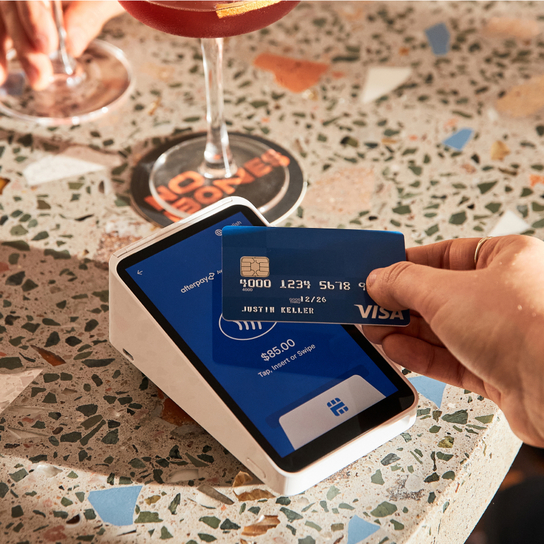
You’ll also need a bar point-of-sale (POS) system to process orders and payments. Your bar POS system should be able to accept a range of payment methods quickly (cash, cards, contactless and mobile), manage menus, handle modifiers, open tabs, split bills, track tipping and generate sales reports instantly. Affordable options, like Square POS for bars, start as low as $65 for credit card readers and a $0 monthly software plan, making them accessible even for smaller venues.
Using a purpose-built POS for bars helps streamline bar operations while giving owners real-time insights on sales, bar inventory and staffing. Caleb McKeachie, taproom manager of Marrickville’s Sauce Brewing Co., utilises Square POS data to inform his decisions: “I use the analytic tools, which I’m bringing on more and more over time, drawing on what I need to determine labour costs and see where we can improve.”
Bar operating costs
Keeping your bar running smoothly involves ongoing expenses, such as:
- Stock replenishment: $7,000–$30,000 per month on drinks, plus $2,000–$15,000 if serving nibbles/food
- Utilities: $2,000–$6,000 per month for electricity, gas, water and internet
- Insurance: $500–$2,000 per month covering public liability, business interruption, content and workers’ compensation
- Licences: $1,500–$4,000 per year for liquor licences, council approvals and entertainment licences (e.g. for playing music, hosting live performances or showing sports broadcasts). Additional approvals may include food safety permits, outdoor seating permits, planning/occupancy permits and signage consents, which vary by council.
Professional service costs
Engaging professionals early can help you avoid common pitfalls. Lawyers can guide you through contracts, lease negotiations and liquor licensing applications. Accountants and bookkeepers can assist with structuring the business, providing tax advice and forecasting cash flow. Insurance brokers or financial advisors can assess which insurance policies are essential and appropriate for your venue.
These services typically cost $6,000–$20,000 upfront, depending on the complexity of your business. While it might feel like an optional expense, it’s worthwhile in preventing costly problems down the track and giving you confidence that you’ve set up your bar correctly and legally.
Funding options
There are several ways to secure the funding you need:
- Traditional bank loans: Often require solid business plans and collateral
- Private investors or partners: They can provide more capital, but you’ll need to agree on profit sharing and decision-making responsibilities
- Crowdfunding campaigns: Raise funds from a community of supporters, especially for niche or unique bar concepts
- Small business loans: Increasingly popular for smaller, flexible amounts without traditional bank hurdles
- Personal savings: Gives you full control and avoids outside obligations, but carries personal risk
The right option depends on your credit, your business plan and your appetite for risk. Consider which sources align with your goals, how quickly you need capital and how much control you want to retain. You could also combine multiple funding methods to balance risk, maintain flexibility and give your venture the strongest chance to grow.
Hiring and training staff
Below are essential roles to fill and their typical wages, depending on skill and experience:
- Bar managers: $65,000–$90,000 salary per year
- Bartenders: $26–$32 per hour
- Sommeliers and mixologists (for specialty bars): $27–$39 per hour
- Barbacks: $26–$30 per hour
- Waitstaff: $26–$31 per hour
- Chefs (if serving food): $26–$38 per hour
- Security (for nightclubs or busy pubs): $27–$40 per hour
- Cleaners: $25–$29 per hour
You’ll need to factor superannuation into your wage budget, which is a legal requirement. Also account for penalty rates for late-night, weekend and public holiday shifts, which are common in bars and nightclubs. Many modern bars use digital scheduling and shift-management tools to simplify rostering and payroll prep.
Training typically costs $1,000–$3,000 per new hire, covering recruitment ads, interviews, background checks, induction, training hours and uniforms. Aside from basic RSA compliance, investing in training ensures staff understand your brand, menu and service standards. Well-trained staff improve efficiency and customer satisfaction.
Marketing costs
Marketing is a powerful tool for turning your bar from an unknown venue into a go-to destination. With the right strategy, you can build a strong following and keep people coming back. For launch, bars might budget a smaller amount of $5,000–$10,000 for basic branding, signage and modest social media campaigns. Alternatively, a higher investment of $25,000–$40,000 covers professional branding, custom signage, comprehensive digital campaigns and influencer partnerships.
Ongoing marketing such as social media ads, email newsletters and loyalty programs also form part of your monthly budget. These help maintain visibility, attract new patrons and foster return visits. Encouraging online reviews on Google, Yelp or Zomato is important, as they often form a potential customer’s first impression of your bar. Email marketing software can help you automate targeted campaigns and track your return on investment.
Cost breakdown table
So, how much does it cost to start a bar and run it? Here’s an estimate of typical bar startup costs in Australia, reflecting both one-time and ongoing operating expenses:
| Expense category | Estimated cost range |
| Venue – lease | $10,000–$30,000 per month |
| Venue – purchase | ~$500,000+ |
| Fit-out, renovation | $40,000–$120,000 |
| Interior decor | $30,000–$80,000 |
| Bar equipment | $20,000–$95,000 |
| Kitchen equipment | $20,000–$120,000 |
| Point-of-sale system | Free plan available with Square; hardware from $65 |
| Stock – drinks | $7,000–$30,000 per month |
| Stock – food | $2,000–$15,000 per month |
| Utilities | $2,000–$6,000 per month |
| Licences, permits, approvals | $1,500–$1,400 per year |
| Insurance | $500–$2,000 per month |
| Professional services | $6,000–$20,000 |
| Bar manager salary (per person) | $65,000–$90,000 per year |
| Bar staff wages (per person) | $25–$40 per hour |
| Staff training (per person) | $1,000–$3,000 |
| Marketing launch | $5,000–$40,000 |

Bar startup cost FAQs
How much does it cost to open a bar in Australia?
Most new bars will require $150,000–$750,000, depending on size, location and type. Smaller, drink-focused bars like wine lounges can be cheaper, while pubs and nightclubs are more expensive due to larger spaces and staffing needs.
What is the cheapest type of bar to open?
Wine bars and small cocktail bars are generally the most affordable. They typically require less space and fewer staff, though specialised staff like sommeliers or mixologists can add to costs.
Do I need a licence to run a bar?
Yes. A liquor licence is mandatory in every state and territory, and fees vary depending on location and the type of bar. If you plan to serve food, you’ll also need food business permits and compliance certificates. Certain activities, such as playing live music or showing sports, may require additional entertainment licences.
What are the monthly costs of running a bar?
Monthly costs vary widely. Small bars might spend around $35,000, while large pubs and nightclubs could exceed $100,000 per month on wages, rent, utilities and stock replenishment. Keep a buffer for seasonal fluctuations or unexpected repairs.
Are pubs profitable in Australia?
Yes, they can be. Profitability depends on location, efficient management, loyal customers and smart cost control. Well-run pubs with quality drink, food and entertainment offerings often have the strongest returns.