

Table of contents
If you’re looking to open a cafe, you probably know it takes more than great beans and a trendy location. You need a plan. But what’s involved in setting up your own coffee shop? From writing up a business plan and acquiring funding to buying equipment and building a customer base, here’s everything you need to know.
Choose a coffee shop concept
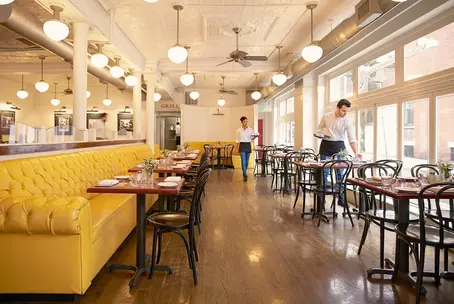
So, you’re wondering how to start a coffee shop? It all begins with a concept. Your cafe’s concept is the foundation of your business: It defines your brand identity, menu, atmosphere, and target audience. As you develop your concept, consider the following:
- Your coffee shop’s aesthetic (modern, rustic, minimalist)
- Specialty drinks you want to offer (artisan espresso, nitro cold brew, and flavoured lattes)
- Food offerings you’d like to provide (pastries, light bites, vegan options)
Since your concept is what makes customers choose you over competitors, be sure to align it with both your personal passion and local demand. Conduct thorough market research to understand your target demographic, whether it’s students, professionals, or families, and assess the kind of foot traffic they can bring to your chosen coffee shop location.
You’ll also want to choose a cafe business model that aligns with your funding capabilities, personal preferences, and business goals. Here are some options for how to set up a coffee shop, including:
- Franchise: If you don’t mind giving up some creative control to join an established brand in exchange for built-in name recognition and support, this might be the way to go.
- Standalone business: For complete creative freedom to create your own unique coffee shop experience, develop your own independent cafe.
- Mobile coffee cart/truck: Enjoy lower startup costs with the ability to easily locate near special events, offices, or high foot traffic areas.
- Hybrid shop/cafe: Combine coffee with a niche, such as a bookstore, art gallery, clothing and homewares shop or hair salon to attract a specific crowd, like MADE Barber & Barista on the Gold Coast.
- Specialty coffee roastery: Grab coffee enthusiasts with a laser focus on premium, small-batch beans, like Seven Seeds in Melbourne.
Create a coffee shop business plan
To be successful, you need to write a business plan that outlines your business objectives and the strategies you will use to establish your cafe. Key sections of a business plan often include:
- Executive summary: Your executive summary should provide a top-line synopsis of your business – location, size, company ownership – as well as your coffee shop’s objectives (or mission statement) and how you plan to meet them.
- Industry overview: The coffee industry continuously evolves due to shifts in consumer trends, so it’s important to conduct some research to ensure you understand your local market, coffee industry growth as a whole, the demand for specialty coffee in your planned location, and the habits of your target customer base. Your industry overview should also provide an assessment of key competitors in your market and what market gaps your shop could fill, or emerging industry trends your shop could implement.
- Market analysis: The coffee shop game is constantly changing, and so are the food and retail spaces that house them. To succeed, you’ll need a sound understanding of your market. Your market analysis should describe your target market, highlight your target market’s buying patterns, identify key factors that encourage (or limit) coffee consumption, and address any gaps in the industry that your coffee shop can capitalise on. Organising this will give you strong objectives from the outset and provide a reference point as your business grows.
- Competitive analysis: Your competitive analysis should hone in on your local environment and highlight any current competitors, along with potential competitors who might enter the market. Determine your competitors’ strengths and weaknesses to uncover opportunities that could give your coffee shop a competitive advantage.
- Product line: Your product line includes the coffee products you intend to sell when you open a coffee shop. Here, you can consider where to procure your coffee beans, the vendors you want to use for additional materials, and the specific drinks and snacks you’ll prioritise at your cafe.
- Sales strategy: Use insights from your market and competitive analysis to outline a strategy to promote your coffee products, and your business as a whole. This section of your business plan may include traditional sales techniques and marketing tactics. It’s important to identify which sales data to track in order to determine whether your business is growing. Then focus on revenue forecasting from your sales. Most forecasting should be done three years out so you can get a clear picture of your break-even point and profit potential. This can help you budget effectively when you start your coffee shop.
- Management plan: Managing your coffee shop is key to growing your business, so take the time to create a management summary. It should include a layout of your management team, personnel responsibilities, and employee costs, such as wages, payroll, and training.
- Financial considerations: Now is the time to think about how to manage cash flow when opening a coffee shop. You need to define your costs and how to finance your business in order to determine your average profits. A cash flow analysis can be extremely helpful with this part of the business plan.
Pro tip: Once you’ve drafted your business plan, crunch the numbers to estimate your monthly cash flow. This will help you determine when your coffee shop will break even. For an even clearer picture, project your profits and losses over the first three years to see how your coffee shop’s profitability can grow as you establish traction in the community.
Obtain licenses, registrations, and permits for your coffee shop
After your coffee shop business plan is in order, it’s time to consider the regulatory parameters of your business. Regulatory requirements will vary depending on where you operate, but there are some compliance obligations you’ll need to consider.
- Registering your business is the first step. You can take a short quiz on the Australian Government’s Business website to help you identify what registrations you’ll need to set up your coffee shop, for example, an Australian Business Number (ABN), business name, business Tax File Number (TFN) and, if applicable, Goods and Services Tax (GST) registration.
- The Federal Government’s Australian Business Licence and Information Service (ABLIS) website also offers a handy tool that gives you tailored information on the licences you will need to open and operate a coffee shop. For instance, a business licence from your local council, a permit for outdoor dining, as well as licences for serving alcohol and playing music in your coffee shop.
- Additionally, you’ll need to ensure your cafe meets the high health and safety standards outlined by your relevant state or territory food authority and complies with the requirements of the Australia New Zealand Food Standards Code.
You should also consider insurance coverage to protect you from unforeseen accidents at your coffee shop. Here are a few types of insurance to look into:
- General liability insurance will cover the costs of a claim or lawsuit if a customer is injured on your property.
- Product liability insurance will protect you in the event a customer becomes ill due to consumption of your food or coffee.
- Kitchen insurance will cover specialised risks, which might include equipment breakdown, grease fires, or food spoilage.
- Workers’ compensation protects both your business and your employees in the event one of your staff gets hurt while working, covering both medical expenses and lost wages.
Create a coffee shop menu
A well-crafted coffee shop menu balances variety and quality, ensuring your customers find their favourite drinks and snacks, while discovering new options. Here are key categories to consider when designing your coffee shop menu.
Beverage selection
- Espresso-based drinks, such as classic lattes, cappuccinos, flat whites, and mochas, along with flavoured options (vanilla, caramel, hazelnut). Offer alternative milk choices (oat, almond, soy) for customisation.
- Cold coffee, including cold brew, iced lattes, and nitro coffee for a smooth, creamy texture.
- Decaf options, like decaf espresso or milk-based drinks, for those who prefer to avoid caffeine.
- Teas and specialty drinks like hot and iced teas (black, green, herbal) as well as non-coffee alternatives, like matcha lattes, hot chocolate, chai, juices, kombucha, and soft drinks.
Food selection
- Pastries, including fresh croissants, muffins, scones, and cookies, pair perfectly with coffee. Consider gluten-free or vegan options to cater to dietary requirements and preferences.
- Sandwiches and savoury items offer grab-and-go convenience for customers on their way to work or on a quick lunch break. Options you can offer include paninis, toast with avocado or spreads, or breakfast wraps.
- Yoghurt and granola pots offer a healthy, easy-to-serve choice for those wanting a lighter snack.
Obtain funding for your coffee shop
One of the biggest factors to consider when starting a coffee shop business is funding. The costs of opening a cafe can be a major barrier to entry for some aspiring owners. However, even if you don’t have funds of your own, you may be able to take advantage of a variety of business loans:
- Bank loans are a traditional route, where you borrow money from a financial institution and pay it back over time with interest.
- Square Loans are another option for eligible Square sellers outside of a traditional bank. Square Loans offers are based on your unique business data, not your personal financial history.
- A business line of credit offers a flexible financing option where you can borrow funds up to a predetermined limit, repay, and reuse the credit as needed, typically with interest only on the amount you withdraw.
- Crowdfunding for your business allows you to raise capital by collecting small contributions from a large number of people, typically via online platforms.
How much does it cost to open a coffee shop in Australia?
While coffee shops typically cost less to start than full-service restaurants, it’s important to budget for the costs associated with starting a coffee shop. Startup costs for a cafe can vary depending on your location and the concept you choose, but can cost anywhere between $100,000 and $500,000. Here are eight key cost factors to consider when evaluating how to establish a coffee shop:
- Coffee shop equipment: From espresso machines to condiment organisers, there are many options to consider when it comes to cafe equipment. Review the best coffee shop equipment and figure out which equipment you absolutely must have.
- Location: The location of your coffee shop is crucial and depends on whether you plan to operate a coffee kiosk, coffee truck, coffee shop with seating, or coffee shop with seating and a drive-through. Cost factors of location include the building deposit, monthly rent, and utilities.
- Utilities: Utility costs for a coffee shop are generally lower than those of full-service restaurants. Your expenses will depend on factors like the size of your space, how many espresso machines or refrigerators you run, and your local electricity and water rates.
- Interior design and furniture: The design of your coffee shop could be a significant expense without some advanced planning. Determine the kind of environment you want to cultivate before you start buying anything, and be strategic about where you spend money, prioritising items like crockery and seating, for example.
- Marketing: Promoting your cafe costs money, too. You may want to invest in a soft opening that showcases your coffee and creates hype, or you may want to launch a social media campaign to reach new customers. The optimal coffee shop marketing plan and how much it costs depend on your target customers.
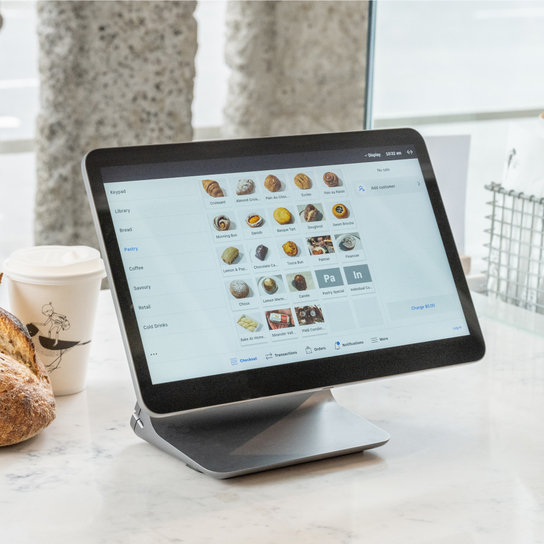
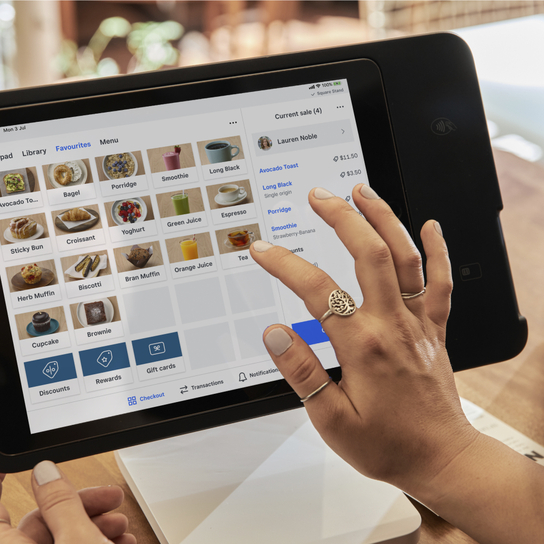
- Technology: Technology is a key investment for modern coffee shops. At a minimum, you’ll need a reliable POS system to process payments and track sales. Additional expenses might include WiFi for customers, online ordering tools, and loyalty program software.
- Staffing and management: You might think that paying baristas and servers at your coffee shop is simple, but there’s more that goes into the cost of labour. Aside from wages, you have to consider training costs, benefits, insurance, and technology that can help you with things like team communication and rostering.
- Permits and licences: There is a range of licences, permits, and requirements to arrange before you can open your coffee shop. Be sure to research local requirements in your area and state or territory, and the related costs.
Create a coffee shop pricing strategy
Choosing the right pricing strategy is crucial. Your pricing must attract customers while also ensuring profitability.
Factors to be aware of with cafe pricing
There are a few factors that matter when it comes to determining your cafe pricing:
- Markups: Pricing markups can be quite modest in the hospitality industry. It’s vital to price each product properly to ensure that you still make a profit to grow your cafe. However, not all your products will have the same markup margin percentage. Online calculators, like this Business Queensland example, can help you calculate your mark-up pricing.
- Customer demographics: Your pricing strategy should factor in customer demographics. Will you cater to office workers, or is your customer likely to be a college student? Different demographics will have different expectations and price sensitivities.
- Competitors’ strategies: Pay attention to your competitors’ pricing strategies. The key is to stay competitive without pricing yourself out of the market.
How to set a pricing strategy for a cafe
Once you understand customer insights and data, you can determine the pricing strategy for your coffee shop:
- Decide what you’ll offer on your menu, taking competitors, demographics, and the value your cafe offers into account.
- Calculate food costs. For each item you plan to offer, make a list of their ingredients and the prices of those ingredients. Figure out how much it costs to make each item on your menu by adding up the cost of the ingredients.
- Understand that different menu items may require different cost approaches, since pricing coffee drinks often differs from non-caffeinated beverages or food items.
- Consider your other cafe-related costs. These include all fixed and variable costs to determine your overhead, such as rent, utilities, payroll, and marketing. To determine your break-even point, calculate how much revenue you need to generate each day, week, or month to cover your expenses. This will tell you the minimum price you’ll need to set for each item on your menu.
Methods to set coffee shop prices
Here are some common pricing methods:
- Food–cost percentage pricing calculates the price of your coffee based on the cost of the ingredients used to make it. Simply add up the cost of all the ingredients used to make a coffee, then multiply it by your desired markup percentage.
- Markup (or factor) pricing involves adding a certain amount or percentage to the cost of your coffee. For example, if the cost of a cup of coffee is $1.00, and you want to have a 50% markup, the price would be $1.00 plus 50 cents, so $1.50.
- Cost and pricing take into account all the costs associated with running your coffee shop, including rent, utilities, labour costs, and ingredients, and adds a certain percentage to cover these costs.
- Gross–profit–margin pricing involves setting your prices based on the gross profit margin you aim to achieve. You essentially divide the cost of the coffee (or other menu item) by one, minus the desired gross profit margin percentage. So, if selling a cup of coffee costs you $2 and you want a 50% gross profit margin, then you would divide the cost of the coffee by 1 and add 50%, for a sales price of $3.
How profitable is a coffee shop?
A well-run coffee shop can achieve a 10-15% profit margin, with profitability depending on factors such as foot traffic, pricing, operational efficiency, and local competition.
Choose a coffee shop location
When you’re looking for the best location for opening a coffee shop, cost might be your biggest driver. Cheaper rent and utilities might sound great when you first start, but choosing a location solely on price can be detrimental in the long term. The location of your coffee shop can make or break your business, and there are specific factors that determine the best location for your cafe. Aside from costs, consider foot traffic, your target market, and your competitors, and ask these questions:
- What types of businesses have operated here in the past? Find out whether coffee shops have ever operated in the space. Try to get a sense of the clientele that shops in the area.
- What are the restrictions on remodelling? Some commercial landlords prohibit renovations of any kind. So, if the space hasn’t operated as a coffee shop in the past, it may not be permitted.
- What is the minimum lease requirement? Typically, commercial landlords require a year, which may be the right choice when you’re getting started. Long leases can be risky when you first open a coffee shop.
- What insurance coverage does the lease require? Commercial landlords often require certain insurance. Among the most commonly requested types are public liability, commercial property, glass insurance, and workers’ compensation insurance. If your coffee shop offers alcohol of any kind, then you’ll likely need liquor liability insurance as well.
Design a coffee shop layout
An efficient coffee shop layout benefits both customers and staff, ensuring smooth operations and a welcoming atmosphere. Elements like seating, equipment placement, and workflow design all play key roles. A well-thought-out layout starts with understanding the basics of creating a coffee shop floor plan, then adapting it to your shop’s unique concept and customer needs.
Front of house layout
The front of house (FOH) shapes the customer experience, so it should balance comfort and functionality:
- Offer varied seating, such as cosy sofas for relaxed guests and tables for remote workers or groups, to cater to different preferences.
- Make sure your colours, lighting, and decor align with your brand and target demographic. A modern minimalist look may appeal to young professionals, while warm, rustic tones could attract a more casual crowd.
- Keep pathways clear to avoid congestion, especially near the counter where lines form.
Back of house layout
The back of house (BOH) must maximise efficiency, especially during peak hours when space is tight:
- Organise workstations logically. Place the espresso machine near grinders and milk fridges to streamline drink preparation, for example.
- Use technology, like POS systems and kitchen display screens, to speed up orders and reduce errors.
- Store frequently used items, like mugs, milk, and coffee beans, within easy reach.
- Ensure there’s enough room for staff to move safely.
Order equipment for your coffee shop
Stocking your coffee shop with the right equipment is key to running smoothly from day one. While every shop is different, most will need a mix of brewing tools, storage solutions, and front-of-house essentials. A well-prepared equipment list ensures your team can work efficiently and deliver the best customer experience.
Here are some critical pieces of equipment you’ll require:
- Coffee-making equipment like brewers, coffee grinders, hot water dispensers, and reach-in refrigerators
- Supplies like mugs and cups, frothing pitchers, cups with lids, straw organisers, coffee filters, and syrup pumps
- Coffee beans, which you may purchase wholesale from a coffee roaster or other source
- Consumables, such as tea, strainers, hot chocolate, milk, dairy alternatives, and sugar
- Disposables like takeaway cups and lids, cup sleeves, teaspoons, and napkins
Choose a coffee shop point of sale (POS) system
The right coffee shop POS software provides numerous benefits to your cafe. By streamlining your sales process and providing customer insights, a full-solution POS system helps increase revenue. Plus, with integrated loyalty programs, discounts, and marketing promotions, you can encourage customers to return and become regular members of your coffee shop community.
Operational efficiency is another significant benefit of the right POS software solution. You can manage your inventory, track sales, and generate business reporting all in one place. Storing all your data in one POS solution can reduce errors, automate processes, and increase overall operational efficiency.
When looking for the best POS system for your coffee shop, there are several factors to consider.
Coffee shop POS must-haves
- Hardware features and integration capabilities: Ensuring integration between any current software or hardware is essential, so choose hardware that is reliable and simple to integrate with your other business needs. Square Point of Sale software offers a range of compatible hardware, such as Square Register and Square Stand for counter payments or Square Handheld and Square Terminal for taking payments on the go. You’ll also want to ensure that software integrations make the POS easy to use with platforms and systems you may already have in place.
- User-friendly features for baristas: To create a smooth experience for your customers, your staff will need to use the POS system successfully. Pay attention to how user-friendly the software and hardware are. Is the checkout functionality easy for your staff to use? Can you train your staff quickly on how to edit your item library? Or how to operate the POS during rush hour or when customers place complex orders? This can save you and your employees time during training and increase productivity.
- Streamlined operations: Efficient operations and inventory management are crucial to the success of your coffee shop. Features such as advanced analytics and insights, stock alerts, and downloadable sales reports help create an efficient sales system with the necessary data to see which products are your biggest sellers. If you have a back-of-house food or kitchen production operation, a kitchen display system helps streamline ordering, reduce errors in the kitchen, and improve overall back-of-house efficiency.
- Customer loyalty and rewards: Loyalty programs are an excellent way to create repeat customers and increase sales. Look for a POS system that can support a loyalty program and that can sell and accept gift cards or discounts.
- Effective staff management: A POS system that includes time tracking for employee shifts is essential for effective employee management. Automating repetitive tasks saves time and helps you track employee hours, create schedules, and manage payroll.
- Effective inventory control: This allows you to track products sold and materials used. Look for software that lets you set stock alerts when inventory gets low as a way to manage your inventory effectively.
- Aesthetically pleasing and simple design: The counter tends to be the customer’s focus in a coffee shop. Cords and bulky systems can turn off customers, so look for a POS system that blends in with your decor.
Payment features to look for
Guests expect a swift, personal experience when they walk through your doors. Long lines due to an inefficient payment system can taint a customer’s perception and result in the loss of business. Investing in a reliable POS to process payments is a big part of running a coffee shop efficiently.
Your POS system should be integrated with a payments processor, and you should make sure that it can take any form of payment – debit and credit cards, contactless payments, or mobile payments, such as Apple Pay.
To ensure that your coffee POS software improves the payment processes in your coffee shop, look for:
- Payment simplicity. Find a system that accepts various types of payment methods, such as contactless, credit cards, and online ordering or order-ahead features. Ensure that the payment processor is secure, reliable, and offers reasonable transaction fees. Remember that payment processing fees can add up quickly, so consider any fees or costs associated with the POS system. These include monthly fees, card processing fees, and any transaction fees. While some fees may be inevitable, choose a system that provides the right value for the cost.
- A built-in tipping system that’s easy for customers to use. With tipping built into your POS, customers are presented with a screen that suggests a tip amount, which allows them to add a tip with just one tap, if they choose.
- Data capabilities to collect insight on what’s being sold. With data analytics integrated into your POS, you can see which menu items are popular and gain sales insights that help you improve your business strategy.
Hire baristas for your coffee shop
Building a skilled and reliable team is essential for your coffee shop’s success. Experienced baristas bring speed, consistency, and expertise, but these qualities come with higher wages. Junior baristas, on the other hand, can be trained to match your shop’s standards and culture, often at a lower cost. A mix of both ensures efficiency and allows for mentorship within your team.
When hiring, prioritise passion for coffee, customer service skills, and adaptability. Don’t forget to follow proper hiring practices, including clear job descriptions and compliance with labour laws, to build a strong foundation for your business.
Advertise your coffee shop
To attract customers and build buzz, leverage social media platforms to highlight your specialty drinks, promotions, and behind-the-scenes moments. Engaging visuals, videos and local hashtags can boost visibility. Claim and optimise your Google Business Profile to appear in local searches, display key details (hours, location, and contact information), and encourage customer reviews.
For a strategic, long-term approach, develop a coffee shop marketing plan to align promotions, events, and digital outreach with your business goals. Consistent branding and community engagement will help your shop stand out.
Host a coffee shop soft opening
A soft opening is a great way to test operations, drive anticipation, and build excitement before your official launch. Invite local businesses, influencers, and non-competing owners to experience your shop, offering exclusive discounts or free samples to encourage engagement.
This low-pressure event allows you to refine service, gather feedback, and create word-of-mouth marketing. Promote it on social media and through community connections to maximise reach, setting the stage for a successful grand opening.
Reach your customers
The feeling of opening a coffee shop is truly rewarding. But now the daily grind begins. When you’re figuring out how to run a successful coffee shop, you might prioritise managing employees and optimising the ordering process. But one of your most important day-to-day jobs is to make sure that customers come through your doors again, and again, and again – and that they don’t go to your competitor down the street. So, developing a customer retention strategy is crucial.
To stay connected with your customers and develop a relationship with them, you should invest in a customer engagement tool – or customer relationship manager (CRM) – that allows you to reach your customers and understand their behaviours. CRM software for your coffee shop might include:
- An email marketing tool that allows you to send campaigns to keep your customers informed about what’s happening in your store, whether it’s a promotion or an event. Sending personalised messages to loyal customers, such as birthday emails or holiday notes, actually generates higher engagement and greater redemption rates on average than one-off email campaigns.
- A customer loyalty program that incentivises customers to spend. Eighty-three percent of restaurant leaders with a loyalty program said it’s successful in driving increased order size, and 69% of consumers found personalised loyalty programs valuable, according to the 2025 Square Future of Restaurants report. Loyalty cards are a great way to gain repeat business.
- Feedback software that is integrated into your POS so customers can tell you about their experience at your shop. Feedback software provides one-on-one communication with your customer, so you can get a direct response about a particular service. You can use positive feedback to motivate employees and constructive criticism to tweak business processes.
After you’ve developed a business plan, identified costs and a location, and are getting your coffee shop up and running, the next step is to make sure you’re getting the most out of your business. Learn more about the tips and tricks for strategically running a successful business.

How to open a coffee shop in Australia FAQs
How much does it cost to start a coffee shop in Australia?
The cost to open a coffee shop typically ranges from $100,000 to $500,000, depending on its size, location, and equipment. A small kiosk may cost less, while a full-service cafe with seating and high-end espresso machines requires a larger investment.
How profitable is a coffee shop?
A well-managed coffee shop in Australia can achieve a profit margin between 10% and 15%. A variety of factors determine the profitability of your coffee shop, such as its location, the quality of your food and service, how you manage your costs, and the community you build around your business.
How can I take payments at my coffee shop?
You can take payments at your coffee shop using a point of sale (POS) designed specifically for coffee shops and cafes. Ensure your POS accepts credit and debit cards, contactless payments (like Apple Pay or Google Pay), and even cash with a secure till setup.
POS systems for coffee shops, like Square, also integrate effortlessly with online ordering platforms, so you can manage in-person and digital orders in one place. There is no clunky hardware or disconnected apps, just smooth, secure transactions that keep your line of coffee connoisseurs moving.