

Table of contents
If you’re starting a retail business, you’ll be making products or buying them from a manufacturer or wholesaler, and selling them to consumers. That description sounds simple enough, but in reality, the industry is much bigger – it covers everything from food and clothing to home decor and more.
Many new entrepreneurs ask, “How do I start a retail business?” and “How much does it cost to start a retail business?” Retail remains one of Australia’s biggest and most dynamic industries. Data from Statista showed that retail revenue exceeded $436 billion in 2024, with steady year-on-year growth since 2005. That scale brings many opportunities, though it also means strong competition. But with some smart planning, you can start a business that stands out among the competition. Here’s what you need to know about opening a retail business.
1. Find your niche
Starting a retail business begins with spending time exploring where your store could fit in the market and what makes it stand out. Consider these questions to get started:
- What makes your idea different? What gaps exist in the market? Who isn’t being served well, and what products could you offer that might appeal to them? What stories, values or personality could give your store a unique feel? (For instance, you might specialise in one-of-a-kind locally made goods, focus on sustainable packaging or curate items around a particular lifestyle.)
- Who might connect with your store? Consider the people you want to reach, what they are about, and how and where they usually shop. What would make them excited to visit your store or tell others about it? (For example, your target could be busy parents seeking convenience, design-conscious shoppers looking for quality, or people who prefer supporting small or ethical brands.)
- What’s already out there? What are other similar retailers doing well, and where is there room for something different? How could you offer something different or better? (You might stand out by offering a stronger service experience or a more unique product range.)
This process helps uncover ideas that feel both practical and authentic. You’ll get a clearer sense of the type of store you want to run and the unique angle that could attract customers.

2. Create a business plan
Writing a retail business plan gives you clarity around how your store will take shape and what it needs to run well. It pulls your research and planning into a single document, giving you a grounded starting point for your business choices ahead. Here’s what to include in your business plan:
- Company overview and market analysis: Outline your shop’s concept, structure and brand direction, then pair it with a snapshot of your industry research. Include what you’ve learnt about your ideal customers, the area you’re entering, nearby competitors and any trends influencing demand. This sets the scene for how your business fits into the wider retail landscape.
- Products and operations: Describe the products you’ll offer, how you’ll source them and the way you’ll manage stock, merchandising and supplier relationships. Add the operational pieces that keep everything moving, like your supply chain flow, in-store layout, staffing needs and the tech you’ll use to support sales and admin. Documenting these details gives you a reference for how daily operations should run, making it easier to implement processes consistently from the start.
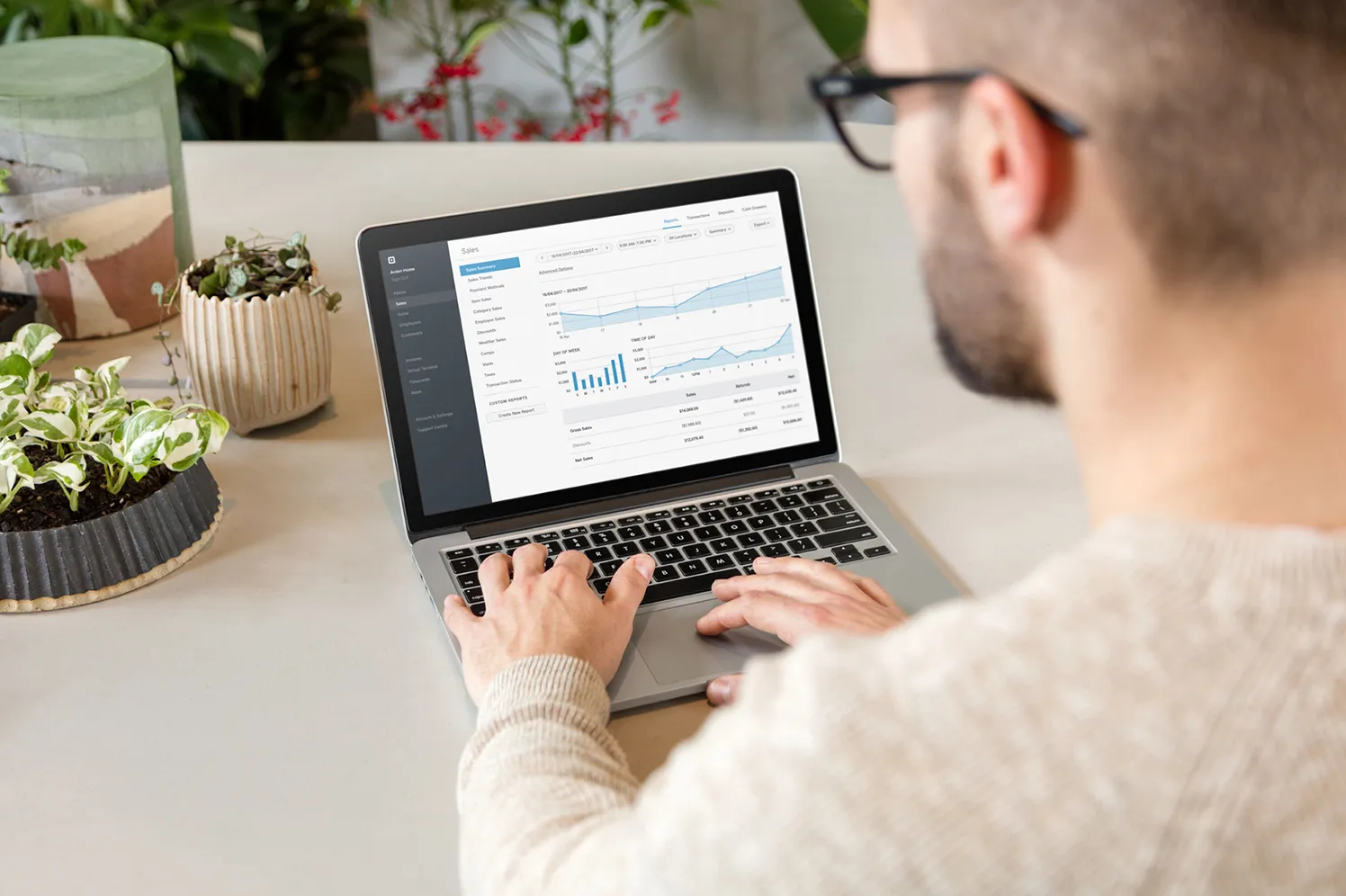
- Financial plan: Map out your startup costs, ongoing expenses, funding requirements and revenue forecasts. Add a simple break-even estimate and a clear view of how you’ll track financial performance in your first months and years. This section helps you assess your business’s financial viability and acts as a guide for managing cash flow and measuring progress as you start trading.
3. Startup costs
While having a catchy idea is great to generate some buzz, your retail store won’t stand the test of time without sufficient funds. One of the first questions to answer is: How much does it cost to start a retail business? Creating a budget for your new business is much easier to tackle if you have an understanding of where the big costs are coming from. Here are nine costs to keep in mind:
Location
If you’re selling in person, the right location is extremely important when starting a new retail store. A good location means foot traffic and regular customers, and that optimal space can sometimes come at a hefty price tag. When you’re assessing the startup cost of your retail space, factor in the cost of a deposit as well as any money you may need to remodel, improve or renovate the space. If you’re selling online, you’ll also need to account for the costs of building and hosting your own retail website.
Rent
In addition to the upfront cost of your brick-and-mortar location, you need to consider the monthly rent of your shopfront. Rent is usually based on the square metreage of the space and the real estate value of the physical location. Places with high foot traffic or in popular retail areas are likely to have higher rents.
Utilities
Utility expenses are largely influenced by the cost of electricity and gas where you live and the size of your retail shopfront. For example, hotter regions may require more air conditioning in summer, and colder areas may need additional heating. Explore a range of utility providers and request quotes from them to find the best possible rate for your area.
Insurance
It’s crucial to invest in insurance coverage for your retail store to protect your business from unforeseen risks and give you peace of mind. Common coverage includes business property, business income, business liability, business crime, and public or product liability insurance. If you employ staff, you also need workers’ compensation insurance. Find out more information about insurance requirements, including links to each state and territory authority for specific requirements and guidance, from Safe Work Australia.
Merchandise
When considering your retail inventory costs, include the initial cost of your inventory as well as the holding cost (the cost of storing inventory). Once you have these costs for inventory, you can forecast the monthly inventory costs that affect your ongoing budget.
Merchandising equipment
Retailers also need equipment to complement their products. Decide how you’ll display your products at your retail store. Some products require hangers and mannequins, while other products may require shelves and display cases. Also, think about labelling the price on the products. Do you need additional supplies for price tags?
Employee costs
To run a retail store effectively, you may need to hire staff to help you with the day-to-day operations. Aside from wages, salary and other benefits, there’s also the cost of training and managing things like timecards (which you can do with employee management software).
Technology
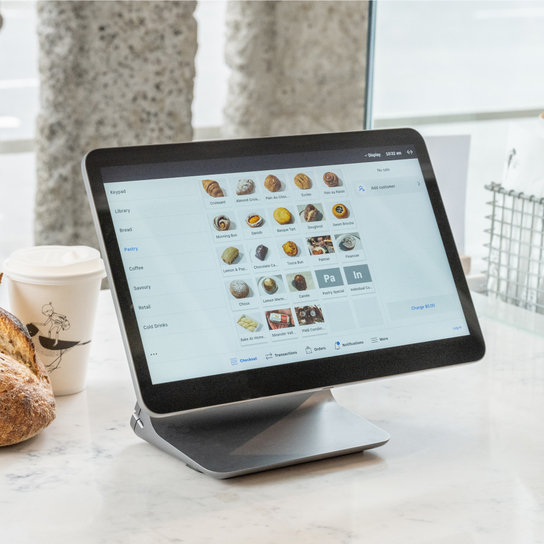
To run your business efficiently, you’ll need to invest in the proper technology and equipment from the get-go. When you first open a retail store, choose a robust retail point-of-sale (POS) system with integrated technologies that includes everything from location management to payments. You might also consider installing a security system to keep products safe from theft, shoplifting or other retail-related crimes.
Marketing
Marketing often gets left out of early budgets, but it’s important for announcing your business and generating new customers. Costs to consider include your logo, business card and website design. Also factor in any initial promotion campaigns – digital, in-store or print – you’ll run to build your brand. If you’re hesitant to invest a lot in the beginning, a guerrilla marketing strategy is a tactical, low-cost approach you might consider.
4. Funding your retail business
After calculating the startup costs for your boutique or retail space, you should create a business plan to finance your business. There are various new-business financing methods to explore when you’re determining how to fund your retail store, so it’s worth taking the time to understand the different types of financing available to you.
One option is a business loan, which can help cover upfront expenses or give you working capital to get started. Take note of these points when considering a loan offer:
- Total payback amount
- Speed and convenience of application and funding
- Ease of repayment
- Reputation and dependability of the lender
Some owners might feel nervous about getting a business loan for their retail store, especially if they’re new to managing business credit. This is completely normal, and it’s helpful to view debt as a tool to invest in your store and support your growth goal. Keeping your paperwork organised throughout the loan process gives potential lenders a clearer view of your finances and helps your application proceed smoothly.
Grants or funding may also be available to retail business owners. Activities such as research, development, trade, innovation or employment may qualify you for a government grant or assistance.
5. How to register your retail business
It’s important to find out what registrations and licenses may apply as you’re starting your retail business.
When you first register your business or company, you need to decide on the business structure (i.e., sole trader, partnership, company). Remember that registering your business name does not give you legal protection on your trademark – you’ll need to register that separately as your intellectual property.
Ensure you’re aware of your obligations to the Australian Taxation Office (ATO) and local, state and federal governments. Registering your business with the ATO is required, as it’s a way of telling the Australian Government that your business exists and has particular tax obligations or entitlements.
The legal requirements around business structure may require extra guidance, since each choice affects your tax obligations and reporting responsibilities. Consider speaking with a solicitor or tax advisor, who can help you choose the right structure and plan for ongoing financial and compliance requirements.
And if you’re struggling with the jargon that comes with a new industry, check out our retail dictionary.
6. Finding a retail location
As mentioned earlier, your physical location can affect the success of your business. Because it is so important, finding a retail location for your store can be time-consuming. Asking yourself these questions can simplify the process:
Do you need a brick-and-mortar location?
Brick-and-mortar shops are absolutely necessary in some industries, but eCommerce continues to grow substantially. Retail businesses can approach online selling in a few different ways. Some owners consult with large eCommerce retailers – like Etsy or Amazon – that sell their products on their platform. Others start an online boutique and host it on their own website to serve their online customers.
Where will your customers find you?
Think about the area where your target customers reside. Do they live in a specific neighbourhood or shop in selective places? If so, narrow your search to these places.
You may want to think about other businesses your customers enjoy and narrow your search down to these locations as well. For example, if your target market is similar to that of high-end restaurants, look at areas with swanky dining establishments.
Who is your competition in that location?
Once you’ve narrowed down an area, you should do some research on the competition. Are there a lot of competitive stores close by? If so, you have to determine whether you think that will help or hurt your business. Some basic competitor analysis tactics can help you analyse the impact local competition may have on your business.
How much space do you need?
Once you have your desired location mapped out, you have to select a space. The square metreage has a direct impact on the overall costs of your retail business, so think about how much room you actually need. When determining space, think about:
- Merchandise display areas
- Dressing rooms (if needed)
- Inventory storage
- Back-office space
7. Selecting and managing retail suppliers
Supplier selection and management are critical to your business’s growth. They affect your product quality, how efficiently stock gets to your store and how customers perceive your brand. Research your vendors, comparing them by product quality, costs and reputation. Don’t be afraid to ask questions about their purchasing and delivery process, and request product samples. You could potentially identify other retailers they’ve worked with who can provide a reference.
When you’re ready to formalise the relationship, draft up a contract with your selected vendors, but ensure to get legal advice before signing anything. Clear communication once you’re up and running helps you stay on top of inventory and performance. Some best practices to implement include:
- Set expectations with vendors from the beginning: Ensure your vendors understand your business and their specific role in it.
- Communicate your inventory needs: Supplier management is one way to manage your retail inventory and drive down your business costs.
- Define performance metrics: Come up with a metric that’s easy to measure, such as on-time delivery, order accuracy or defect rates (e.g. 95% of orders delivered on time with fewer than 2% defective items). Review these regularly with your vendor.
- If something goes wrong, address it with your supplier immediately: Letting small issues go unspoken can build up into bigger problems down the line.
8. Taking payments at your retail store
Many new retail business owners don’t think about their point of sale (POS) and accepting payments until they’re ready to open the doors to their business. In reality, accepting payments is critical to ensuring you have cash to reinvest for growth.
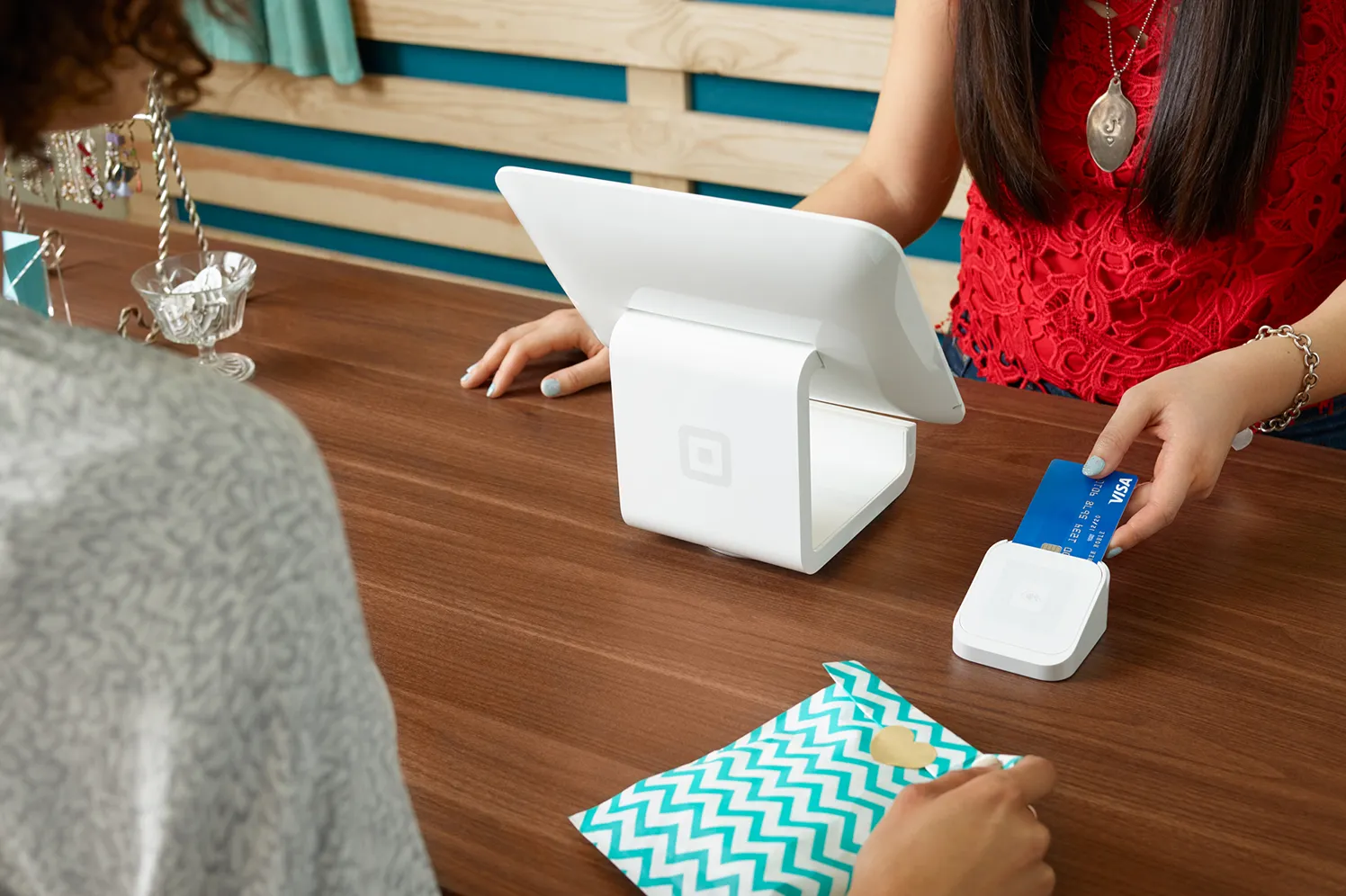
Accepting payments is a core function of your business, so reliable and affordable technology that effortlessly manages transactions is important. When assessing different payment processing options, ensure your payment system can:
- Accept and track every form of payment, whether it’s cash, credit or debit cards (Visa, Mastercard, JCB, eftpos and Amex), or mobile wallets like Apple Pay or Android Pay.
- Help your business be mobile, whether it’s selling at a pop-up or getting staff out from behind the counter.
- Quickly and securely process payments to minimise checkout times.
- Deposit money into your bank account quickly.
Successful businesses integrate their payment processor with a POS system to run their day-to-day operations more efficiently. A retail POS can be extremely beneficial for your store and give you the tools to help you grow your business. Consider looking for systems with features that can help you run operations in a more effective manner, such as:
- Reporting analytics that can track the cost of goods sold and help with forecasting
- Powerful inventory management software with built-in alerts to notify you when inventory levels are running low for popular items
- Multi-location retail management that can give you access to information across all your stores and help you better manage multiple business locations
- Customer management software that enables you to record VIP details, save email and contact details, and group customers with similar traits and profiles

9. Building your retail brand and marketing
A clear brand helps customers recognise your store and understand what it stands for. How you position, present and promote your brand shapes first impressions and attracts visitors.
Develop your brand positioning
Brand positioning is essentially how you want people to perceive your store. Every business sits somewhere in customers’ minds. How do you want your brand to feel? Positioning can take many forms. Some brands might emphasise quality or craftsmanship, while others might highlight accessibility or personality. Your brand positioning helps guide everything from how you talk about your products to the look and feel of your marketing. It becomes easier to show customers why your store is the right fit for them, even in a crowded market.
Build a cohesive messaging strategy
Once your positioning is clear, messaging brings that personality to life. Consider the tone that best reflects your store – perhaps warm, minimalist, playful or something else. Messaging can appear in product descriptions, social media posts, signage, packaging, emails and even in how your staff interact with customers. Whether someone’s browsing online or stepping into your shop, consistent messaging gives your brand a steady, recognisable voice at every touchpoint.
For example, a clothing store centred on natural materials might use calm, grounded language, while a bold fashion store could favour energetic, expressive wording. In each case, the messaging mirrors the experience the brand wants to create.
Market your brand
There are plenty of ways to introduce your store to potential customers without needing a large budget. Small steps can build momentum as you start to share updates and create reasons for people to follow along.
- Social media: Choose social media platforms your customers likely use and post content that shows off your products, the story behind them and life inside your store. Steady activity helps build visibility and trust.
- Pop-ups and markets: Pop-up shops, market stalls and events are a low-pressure way to meet customers face-to-face. They’re great for testing new products, learning what people respond to and building a community around your brand.
- Work with local businesses: Partnering with nearby stores or makers can increase your reach in a natural way. Joint promos or small collaborations can help your brand feel more rooted in the local area while giving customers extra ways to discover you.
10. Plan a grand opening
You’ve made it this far – your store is ready to meet the world! A grand opening is the perfect moment to introduce your products, space and story to the community. Think about ways to make it memorable and true to your brand. You could create a small campaign to let people know you’re opening, invite local influencers, offer opening-day specials or add interactive experiences that draw people in and get them talking about your store.
Even a modest launch can set the tone for future engagement. Use the opening to see what resonates with customers and gather feedback. A welcoming atmosphere and helpful staff make the day memorable and encourage first-time visitors to come back again (and again).
A retail success story
Melbourne duo Nathan Smith and Jason Chongue founded The Plant Society after deciding to turn their hobby of sourcing greenery and styling spaces into a retail business. They started out by selling at markets and pop-ups, using Square to take payments wherever they set up a stall. The response from shoppers encouraged them to open a permanent Collingwood store a year later.
We started using Square for payments and for managing our employees. It was the easiest solution for us… our team members regularly move around Melbourne on a day-to-day basis. They’re taking payments on the go, at our plant shop, at markets and onsite with our clients.”
Nathan Smith and Jason Chongue → Co-founders, The Plant Society

Digital tools played a key role in their growth. Nathan and Jason focused on capturing their products visually through Instagram and online content. As the business expanded, Square grew with them, helping them handle sales, reporting and team management. With a seamless system behind the scenes, they’ve been able to stay hands-on with their plants and customers – keeping the personal approach that made their business special from the start.
FAQs about starting a retail business
How do I write a ‘how to open a retail store’ checklist?
Start by breaking the process of opening a retail store into key steps that cover planning, setup and launch:
- Define your niche and understand your market.
- Plan your business, including operations and finances.
- Figure out startup costs and funding options.
- Register your business with the ATO and handle legal requirements.
- Choose a location and source suppliers.
- Set up payments and technology.
- Build your brand, messaging and marketing.
- Plan a grand opening to welcome customers and encourage repeat visits.
Is a retail business profitable?
Many retail businesses can be profitable when approached thoughtfully. Understanding your customers and creating a shopping experience that keeps them coming back makes a big difference. Controlling costs and managing inventory helps maintain healthy margins, while a strong location and smooth day-to-day operations support steady income. With careful planning, retail can be a rewarding and financially viable business.
How do you source products for your retail store?
Look for vendors that supply the quality and style you want to offer. Compare pricing, request samples and speak with other retailers about their experiences. Once you choose a supplier, set clear expectations around delivery and communication.
What is a grand opening vs. a soft opening?
A grand opening is your public launch with a promotional push and a welcoming event feel. A soft opening is a quieter trial run with limited hours or invited guests to help you iron out any early kinks.
How much does it cost to open a retail store?
Opening costs for a retail store vary widely depending on your size, location, store fit-out, inventory, staffing and the technology you use. It may help to break these down into one-off startup expenses and ongoing running costs, so you can view the full picture. Mapping out a budget based on what’s essential for your store makes it easier to plan and avoid surprises as you get started.
What do I need to open a retail store?
At a minimum, you’ll need a registered business, a store location, initial inventory, a point-of-sale system and a basic marketing plan. From there, it helps to think about the systems and processes that keep your store running smoothly, like inventory management, staff scheduling and sales tracking. Tools that support customer engagement, such as social media and loyalty programs, help attract repeat business and build a loyal customer base as your store grows.