

Table of contents
Running a business today means keeping up with how people like to pay. Cash is fading fast; the most recent Cash Use and Attitudes Survey from the Reserve Bank of Australia found that only 13% of in-person transactions used it in 2022. Customers expect to tap-and-go wherever they are – and that’s where a good EFTPOS machine for small businesses comes in.
Finding the right setup comes down to what matters most for you: cost, features and how well it fits your day-to-day operations. A busy shop might need something fast and integrated with its POS system, while a tradie might prefer a portable, no-fuss card reader. Here’s a rundown on what EFTPOS is, the best EFTPOS machine features to look for, what the cheapest EFTPOS machine for small businesses is and where you can buy one.
What is an EFTPOS machine?
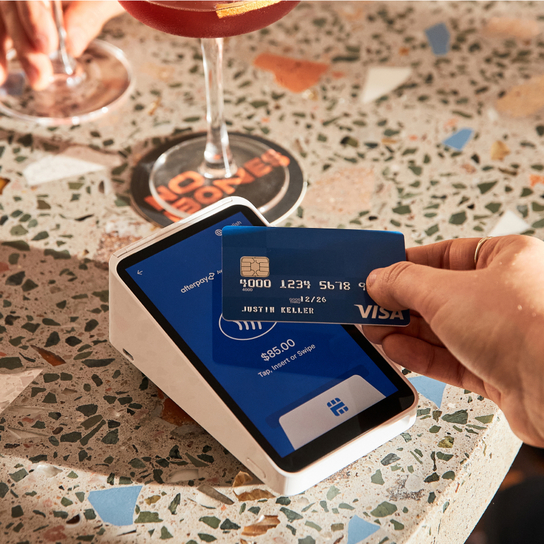
An EFTPOS machine is a device that lets your business accept debit or credit card payments, and mobile payments via mobile wallets like Apple Pay or Google Pay. When a customer taps your EFTPOS machine with their card or mobile phone, the machine reads their card or device, communicates with their bank to verify that funds are available, and then securely transfers the funds to your business account. All of this happens in just seconds.
Modern EFTPOS devices can do more than just take payments. Many connect to point-of-sale (POS) software, which automatically tracks sales, updates inventory and generates real-time reports. For example, a salon can view which stylist had the busiest week, while a bar receives alerts for spirits that need restocking soon. These connected tools help you run your business more efficiently and provide insights into how it’s performing.

How much does an EFTPOS machine cost?
The cost of an EFTPOS machine depends on whether you buy or rent, and the features you need. Traditionally, EFTPOS for small businesses has been an expensive investment, with bank-issued machines often coming with rental fees or lock-in contracts. Renting an EFTPOS machine from a bank typically costs around $25–$30 per month, depending on features, your plan and transaction volume.
Nowadays, payment providers offer more flexible options that make it easier for anyone to get started, with devices available to purchase outright without ongoing hardware fees. The cheapest EFTPOS machine for small businesses starts at around $65 for a portable card reader, or $330 or more for a touchscreen terminal with a built-in receipt printer.
Beyond the device cost, a few additional fees might apply. Each time you take a card payment, your payment provider usually charges a transaction fee to process it. The rate can differ depending on the provider, the type of card being used, or whether it’s a premium or international card (for example, American Express). Other providers keep it simple – for instance, Square applies a single flat rate of 1.6% for all cards.
There might also be one-off setup fees for installing or configuring a more complex EFTPOS system. Some providers might also charge for ongoing technical support or maintenance, while others include this in their costs.
What should a small business look for when purchasing an EFTPOS machine?
Choosing the best EFTPOS machine for your business involves weighing up fees, features, speed, security and support. Understanding these helps you to compare options and find a setup that works for your needs and budget. Here’s what to keep in mind.
Hardware costs and setup
Some providers may tie you into a contract or rental plan that limits your flexibility. Buying your own device outright removes ongoing hardware costs and lets you adapt your setup as your business evolves. Also, can the device be set up straight out of the box, or is a technician required to install or configure it? An IT setup can take time and add extra cost, while an easy-to-use EFTPOS machine lets you start taking payments immediately.
Transaction fees and other charges
Does the provider charge monthly fees, higher rates on certain credit cards, or chargeback costs? These small extras can quietly build up over time. Check the fine print, too: what seems cheaper at first could end up costing more once you factor in all the hidden fees. Clear, transparent pricing helps avoid surprises and makes it easier to forecast your costs.
With our old tech, by the time you’re paying for your fees, subscriptions and devices, the price just keeps going up. Square was simple… So it just made sense to switch over and save a bit of money.”
Carla Bignell → Co-owner, T-Bone Brewing Co.
Mobility and business type
How you sell influences what EFTPOS device will work best for you.
- On the move? A compact EFTPOS reader that connects to your phone or tablet via Bluetooth is great for mobile businesses like pop-ups, market stalls, food trucks or tradies on the go. These devices are lightweight and easy to carry, and they usually run on Wi-Fi or mobile data so you can take payments wherever you are. Battery life is worth considering too – a long-lasting charge means no interruptions during busy days.
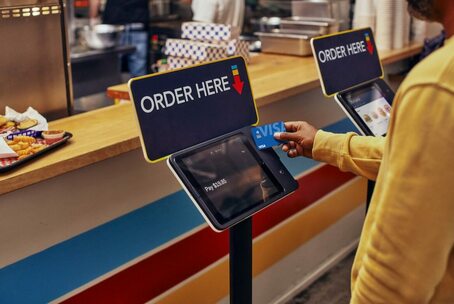
- At a fixed location? A handheld or countertop EFTPOS terminal or an all-in-one EFTPOS register adds more functionality and polish to your setup. Features like receipt printing, barcode scanning, a built-in touchscreen and customer-facing displays help streamline checkout and create a smoother payment experience – ideal for retail stores, salons, hospitality businesses and more.
- Multi-location or hybrid? If your business runs across several sites, or you sell both in person and online, it helps to have an integrated payment system that keeps everything in sync. Some EFTPOS solutions automatically consolidate sales and inventory data across locations, so you can track performance from one dashboard. This makes managing staff, stock and reporting much easier, particularly during busy seasons or when expanding.

POS integration
Check whether the EFTPOS machine connects with POS software and what’s actually included in that integration. A connected POS keeps sales and inventory data in sync automatically, saving a lot of admin time. Some POS systems include essentials like sales reporting and inventory management at no extra cost, while others lock these tools behind paid plans. Ensure your setup gives you the features you need from the start, rather than paying add-on costs to access them.
Security
Card security is a must for protecting your customers’ sensitive data and your business. A 2025 Australian Payment Network report found that lost and stolen card fraud rose 31% last year to $68 million. When shopping for EFTPOS hardware, look for clear mentions of encryption, fraud monitoring and PCI compliance.
- Encrypted transactions ensure that payment information is scrambled and unreadable to anyone who might intercept it, keeping sensitive card details safe.
- Live fraud monitoring continuously checks for unusual activity, helping to catch suspicious transactions early before they impact your business or customers.
- PCI compliance ensures the provider follows recognised industry standards for handling card data securely, reducing the risk of breaches and giving you confidence in every transaction.
Consider whether the provider offers additional safeguards, like alerts for unusual activity, automatic software updates and payment dispute management, which add another layer of protection and peace of mind.
Speed and reliability
A fast and reliable EFTPOS machine keeps queues moving and avoids awkward “try again” moments. Another key feature to look out for is offline payment capability, which lets you keep taking payments even if Wi-Fi drops out, so you never have to turn a customer away. Reading reviews from other Aussie sellers can give insight into how a device performs in real-world settings.
Customer support
For peace of mind, choose a provider that offers responsive support by phone, chat and email, along with detailed online help guides and tutorials. A good EFTPOS device should be easy to set up and use. But if you get stuck or things don’t go as planned, being able to access support helps avoid stress (or lost sales) and get you back to business quickly.
Where can you buy an EFTPOS machine?
You can purchase an EFTPOS machine directly from payment providers or from major retailers, either online or in-store. Look for providers that ship quickly, maintain good stock levels, and provide reliable sales and tech support, so you can start taking payments sooner.
All Square EFTPOS machines are available to buy online with fast, free shipping. Square Terminal, Square Stand and Square Register combine a touchscreen and card reader for countertop setups, while Square Handheld offers the same fast checkout in a compact, portable device.
If you’re after the cheapest EFTPOS for small business, the pocket-sized Square Reader connects to your phone or tablet so you can take payments anywhere. It’s also stocked in over 1,000 retail locations across Australia, including:
EFTPOS for small business FAQs
What is EFTPOS and what does it stand for?
EFTPOS stands for ‘electronic funds transfer at point of sale’. It’s the technology that securely transfers money from a customer’s bank to your business when they pay with a card or mobile wallet in person.
How do I use an EFTPOS machine?
An EFTPOS machine connects to your point-of-sale (POS) system or runs through a payment app, allowing you to take card and mobile wallet payments from customers. You typically enter or confirm the sale amount, your customer taps their card or phone, and the payment is processed instantly. With Square, payments sync automatically with its free POS software, so you can manage payments and track sales and inventory from one place.
Are EFTPOS payments secure?
EFTPOS payments are highly secure when processed through a trusted payment provider. Square, for example, encrypts every transaction and monitors for fraud 24/7. It also complies with PCI standards to protect your business and customer data. These safeguards help prevent unauthorised access and reduce the risk of fraud-related disputes or chargebacks.