

Table of contents
Whether you’re a seasoned chef or a first-time entrepreneur, this step-by-step guide on how to open a restaurant will help you navigate the essentials, from concept development to opening night. We’ll cover:
- Choosing a restaurant concept and brand
- Identifying your target demographic
- Writing a business plan
- Securing funding
- Finding and leasing a commercial space
- Obtaining relevant permits and licenses
- Designing layout
- Sourcing suppliers
- Recruiting staff
- Advertising and marketing
- Planning a soft opening
Opening a restaurant in the UK: A step-by-step guide
Opening a restaurant may seem like a pipe dream. But like any serious undertaking, it becomes much less intimidating when broken into a series of steps. Join us as we explore how to open a restaurant.

Step 1: Choose a restaurant concept and brand
When it comes to planning how to open a restaurant in the UK, the importance of having a strong concept and brand can’t be understated, especially in today’s competitive food service sector.
Thanks to apps like Deliveroo, Uber Eats and Just Eat, customers can get restaurant-quality food delivered straight to their homes. And while a delivery offer may be a future revenue stream for your restaurant, you’ll need to develop a compelling concept if you’re going to persuade diners to get off the sofa and into your venue.
What is a restaurant concept?
Your concept will determine everything from the cuisine available on your menu to the decor, signage, website and diner experience. A vegan fast food diner, for instance, will offer a completely different diner experience to a French-style bistro.
What is restaurant branding?
Your branding is more than just your colour scheme or logo. It’s everything from how you select and present your dishes to how you train your staff and where you buy your furniture.
How to choose your restaurant concept and brand
When deciding on your concept and brand, you should consider:
- Your service style (fast, casual, table service, fine dining etc.)
- Your theme (traditional, contemporary, atmospheric, specific ethnic cuisine)
- Your customer journey
- Your decor and signage
- How you recruit and train your staff
Step 2: Identify your target demographic
When you’re opening a restaurant, you need to think about who you’ll be serving. What diners do you want to attract to your restaurant? How will you tailor your experience to their tastes? While your first instinct may be to say ‘everyone’ it pays to identify and analyse your target market. Do you want to create a social hub for trendy youngsters? Offer a romantic haven for couples? Or provide experienced foodies with the authentic taste of another part of the world?
Types of dining experience
Your target demographic will determine the type of dining experience you offer, your pricing and even location. A casual fast food experience may thrive in a bustling urban centre, while a relaxed family restaurant may do better in the suburbs.
Before opening a restaurant, it is a good idea to consider market segmentation and where your offering will sit within the broader culinary map in your area:
- Fast food restaurants, also called quick-service restaurants (QSRs), specialise in quick preparation and service of casual food items.
- Fast-casual establishments mirror fast food service but offer freshly prepared food with wholesome quality.
- Casual dining offers a full-service, sit-down experience for customers at an affordable price.
- Family dining follows a similar format to casual dining and usually offers breakfast, lunch, and dinner options, making them open for more hours.
- Fine dining restaurants provide customers with an elegant and upscale dining experience at a higher price point.
Step 3: Write a restaurant business plan
A strong business plan is the foundation on which the opening of your new restaurant will be built. As well as shaping the operational blueprint for your business, it is also extremely important in attracting outside investment or business loan funding. A comprehensive business plan shows lenders and investors that you’ve done your market research and have a strategy in place to cover your costs and make a profit.
If you don’t need any financial backing, a written business plan will still help you to organise your ideas, follow through on them and retain a clear vision. Your business plan is a detailed document that outlines exactly what your restaurant is all about, what financing you need, how you’ll attract customers and how you’ll grow.
Key components of a restaurant business plan
A restaurant business plan should include:
- An executive business summary – an overview and introduction to the restaurant, including a ‘mission statement’ that explains the purpose and overall vision
- Company description – a summary of basic facts about what the restaurant will be like, its size, proposed turnover, staffing numbers and location
- Market research and industry, geographic and competitor analysis
- SWOT (strengths, weaknesses, opportunities and threats) analysis
- Menus and supplier information
- Marketing strategy
- Organisation, management and staffing information
- Financial plan – detailed information and breakdowns on costs, profit margins, funding, food cost percentage and break-even analysis
Find more detailed advice in this article on how to create a restaurant business plan.
Step 4: Secure restaurant funding
How much does it cost to open a restaurant? This is a complicated question that depends on a lot of factors, but is vital to resolve as early as possible to give your dream the best chance of success. It’s crucial that new restaurateurs have an accurate understanding of how much they need to get their concept off the ground and secure the right level of funding. While borrowing too little may delay opening, borrowing too much can result in repayments that cut into the already slim profit margins that new restaurants typically see.
Restaurant costs are dependent on a series of factors, including:
- The size of the restaurant
- The type of restaurant (see above)
- The number of staff
- The restaurant’s location
- The degree of renovation necessary for the premises
Opening a restaurant is usually an expensive proposition, and incorrect forecasts and budgeting are major contributors to the failure of new restaurants. Avoid these situations by learning what costs you can expect and how to keep costs low so you can build a realistic budget.
Restaurant funding options
As well as business loans, you may be eligible for grants offered by your local authority, especially if your restaurant aims to become a social enterprise that benefits your community. Alternatively, you may be able to secure funding from an angel investor who may offer more favourable terms than a bank or business lender. They will also give you the benefit of their business knowledge and offer guidance about how to establish a restaurant successfully.
Take a look at our guide to funding your small business, and don’t forget that we offer Square loans to small businesses.
Step 5: Select an ideal location and lease a commercial space
Choosing the right location is a decision that can shape the fortunes of your restaurant. The better you understand the needs of your target demographic, the more information you will have to guide your choice in location. Opening a restaurant in the wrong location could mean that your target audience can’t access it or doesn’t know it exists.
The ideal location is subjective and depends on your vision for your restaurant as well as the needs, location and habits of your target market. You may want a location within easy reach of where your target customers live or work, or one near a local attraction that creates more opportunities for footfall. Crucially, the premises will have the physical ability to house a restaurant and be in an area where local planners will accept one.
Key questions when choosing a restaurant location
Factors to consider include:
- What demographics make up the local community? Consider if your restaurant is likely to appeal to the people living and working on the doorstep. If not, you’ll be missing out on a lot of trade opportunities. You also need to consider if your prospective customers will be prepared to travel to your neighbourhood.
- Is the location serviced by good transport links and / or ample parking? Ideally, you want to capture nearby trade, but you also want to to attract people from further afield. Consider how people might travel to your restaurant. If it’s close to public transport, such as a train station, you may not need to worry about parking, but in many places onsite parking or a very close car park (preferably one that’s free to use) is vital.
- How many tables can the site accommodate? When you work out your finances, you’ll see how many covers you need to achieve per sitting to make a profit. It’s important to consider a floor plan for your restaurant before you commit to a premises. Is there enough space to comfortably fit the number of tables you need once you’ve set aside space for the kitchen and serving areas?
- Is there an attraction nearby? Consider if there’s an attractive view that customers might enjoy or an external attraction (like a stadium or theatre) that may drive footfall.
- What was the building previously used for? If it was a restaurant before, you may have the benefit of not needing to apply for change of use planning permission, but it may also carry a reputation, either good or bad.
- What competition is nearby? If there is already a successful restaurant with a similar concept or target market to yours in your chosen area, you may struggle to encourage diners to switch their custom. If there are no restaurants currently open in the area, you may wonder what restaurants have come and gone and what put them out of business. Are you confident there’s enough trade in the area for a restaurant to thrive? The answers will lie in your market research.

Step 6: Obtain the required restaurant permits and licences
You will need to obtain the necessary permits and licences to ensure you meet the legal requirements to open a restaurant in the UK.
These include:
- Alcohol licence: If you plan to serve beer, wines or spirits at your restaurant, you will need the appropriate alcohol licences, including a premises licence and a personal licence for the bar manager. You will also need to ensure that your alcohol suppliers are HMRC approved.
- Pavement licence: If you intend to put tables and chairs in front of your restaurant, you may need permission from your local authority to do this.
- Music licence: If you intend to play music at your restaurant (either live or recorded), you will need , a licence from PPL PRS.
- Change of use permit: If your chosen premises was originally used for any purpose other than food service, you will need to apply for a change of use permit from your local council.
While not technically a permit, your staff will also need to undergo food hygiene training. Restaurant health and safety is essential, and food hygiene regulations apply to any business that handles food and drink. The requirements vary slightly for restaurants in England, Scotland and Wales and restaurants in Northern Ireland.
Local authorities carry out safety inspections to check your premises and processes. The frequency will depend on the risk level of your restaurant – you could get a visit every six months or every few years. You’ll want to develop best practices around the “4 Cs” of food safety: Cleaning, Cooking, Chilling, and Cross-contamination, and ensure all your staff know how to handle food safely.
Step 7: Design your restaurant layout and space
Having navigated the intricacies of planning, funding and permits, the next step is to focus on the fun part of opening your restaurant. Designing the space is a great chance to express yourself creatively and bring your brand to life.
It is also an opportunity to engineer your customer experience and ensure that the quality of your guests’ surroundings matches the quality of your food. Designing your restaurant’s layout and managing the space are equal parts art and science.
Front of house layout
Your front of house design directly impacts your customers’ experience and shapes how they feel about your restaurant. Here are some tips to help you maximise the impact of your front of house design:
- You never get a second chance to make a first impression, so make sure your entrance entices customers while also giving them a flavour of what to expect.
- Consider colour psychology when establishing your restaurant’s colour palette. The colours you choose will play a big part in determining how your diners feel when they walk through your door.
- Consider the effect of lighting on enhancing the atmosphere, creating a sense of intimacy and calm while also helping to mask limitations and flaws within your space.
- Make sure you have a good mix of two, four and six-seater tables to match the probable group sizes of your target demographic.
- Ensure that the restaurant floor plan provides accessibility and room to manoeuvre as well as a good sense of flow and clear visibility for toilets, function rooms and other areas.
- Don’t forget the toilets. These are an important yet oft-neglected aspect of the dining experience.
Back of house layout
While customers never see your kitchen, an efficient back of house layout is crucial for smooth operations and staff productivity. Here are some key considerations when designing your back of house:
- Design your kitchen so that stations follow the workflow from food prep to cooking, then plating and service to create an efficient production line.
- Make sure you have proper ventilation and extraction systems – they are essential for maintaining comfortable working conditions and for meeting health and safety requirements.
- Plan plenty of cold and dry storage space that’s easy to reach from delivery areas and close to where your chefs will be prepping ingredients.
- Include designated areas for dishwashing and waste management that won’t get in the way of your cooking team during busy service periods.
- Don’t forget about staff facilities, including changing areas, toilets and a break room.
Step 8: Source reliable restaurant equipment and food suppliers
Your restaurant’s food is only as good as its suppliers. As well as sourcing the highest standard of ingredients, restaurants should also have reliable equipment to ensure that the food is cooked to perfection.
While startups naturally seek out value for money, beware of false economies. Saving £200 on a second-hand pizza oven, for instance, may seem like a good idea. But if it breaks down, it won’t take long to lose the £200 saved in lost revenue from pizza sales.
Key questions to ask suppliers
When choosing prospective suppliers, it’s a good idea to ask:
- How quickly can they deliver? Slow deliveries of ingredients may lead to popular items being struck off the menu for days.
- What is their returns policy? Being lumbered with faulty equipment can put a serious dent in your operating cash flow.
- Can they be flexible with payment dates or instalment plans if your restaurant runs into cash flow crises?
- Will you be able to test the products or visit their warehouse prior to a sale?
- Are they trusted by other restaurants in your area?
- Not sure what equipment you’ll need for opening a restaurant? Take a look at our comprehensive equipment checklist.
Sourcing ingredients for your menu
Creating your menu is one of the most exciting aspects of opening a restaurant, but it requires both culinary vision and practicality. Your menu will determine what ingredients you need to source, the type of suppliers you’ll work with and the logistics of keeping your kitchen stocked.
Restaurant owners are increasingly choosing to source ingredients locally, which can offer fresher ingredients, stronger community relationships and an attractive proposition for sustainability-conscious customers.
However, local sourcing requires more hands-on supplier management and may limit menu options based on seasonal availability. You’ll need to weigh these considerations against your restaurant concept, target market and budget to determine the right sourcing strategy for your establishment.
Choosing a point-of-sale system for your restaurant
Your point-of-sale (POS) system is the piece of technology that will power your restaurant. It’s used to process payments, keep tabs on your tables and manage inventory. The best POS systems go beyond the basics with tools to improve how you run and grow your business. Square for Restaurants is a flexible POS solution that helps you manage your menu, maximise sales, organise shifts, sync with your kitchen and turn customers into loyal fans.
Step 9: Recruit and hire restaurant staff
While there are approximately 468,000 people employed in the UK restaurant business, it’s notorious for high employee turnover. But having the right people in the front and back of house can make all the difference to your customer experience. When you have the right team in place prior to opening your new restaurant, the world is your oyster.
How to recruit and hire the right staff
The first step is to establish a framework for excellence so that you and your managerial team know exactly what sort of person you’re looking for. You will need to look for a combination of both hard skills (such as culinary training, salesmanship and knowledge of food and wine) and soft skills such as interpersonal skills, time management and the ability to prioritise a workload.
When posting job ads, you should be clear about what you expect from team members. Your ad should describe the culture and atmosphere of your restaurant as well as the duties that applicants will be expected to fulfil.
Develop a core set of questions for interviewees that can be adapted depending on the role and the applicant’s experience. Don’t forget that interviews should also be a two-way street. The questions an interviewee asks can provide vital insights into their mindset and professional priorities.
Remember that skills and knowledge can be taught. But attitude is innate, and extremely important both in the kitchen and in customer-facing roles. For more guidance, check out our restaurant recruitment tips.
Step 10: Implement effective restaurant advertising and marketing strategies
When it comes to opening a restaurant, outstanding quality is the best form of advertising. If your guests have an exceptional experience, they will be more likely to return and to spread the word among their friends.
But why leave the success of your new restaurant to chance? There are over 30,000 full-service restaurants and over 48,000 takeaway and fast-food restaurants in the UK, so you need to think about how you’ll stand out in a crowded marketplace.
Digital vs traditional marketing channels
There are many restaurant marketing strategies and channels available to help you promote your restaurant. Digital channels are often low-cost and do a great job of engaging prospective customers. For instance social media can help small businesses to grow, both through paid ads and organic engagement with prospective and existing guests. Traditional channels like advertising in local newspapers or distributing fliers can help you to target an older clientele that is less exposed to digital advertising.
You should test these options to see what works for you, but regardless of the channel, you should use your brand visuals and unique tone of voice in all your marketing communications. It’s worth investing in this from the start, as you’ll likely rely on marketing for differentiation as you grow: Our recent research revealed that marketing is key to staying competitive.
Whenever you use any kind of direct marketing tactics (such as email or phone calls) it’s important to abide by the laws that regulate it. Marketing emails can only be sent to customers who have agreed to receive them and they must be able to opt out. Using a marketing system with built in devices to help you fulfil your obligations is one way to ensure you stay compliant. Make sure you incentivise customers to subscribe to your mailing list with personalised offers and exclusive discounts.
Building customer loyalty
A loyal following is one of the most powerful and authentic restaurant marketing strategies. But it cannot be bought, it can only be earned. Consider building a customer loyalty programme that rewards customers for repeat visits. This can turn a first-time customer into a regular customer, and even a brand advocate. Advocates have huge value to your business because they are happy to spread the good word about your restaurant at no cost to you. You’ll be in good company: our research found that 83% of restaurant leaders said their loyalty programme drives increased order size..
Step 11: Conduct a successful restaurant soft opening
You’ve found the perfect space, you have a great team, and you have a mouth-watering menu. The next question is how to launch a restaurant to the public. Like any great show, your launch event should have a dress rehearsal: a ‘soft opening’ for a few guests.
The exclusivity of a restaurant soft opening intrigues a crowd and gets people talking about your restaurant, and building hype is important. Additionally, the soft opening gives your staff a practice run and helps you make tweaks to your menu and service and get feedback before anything is set in stone.
Brainstorm soft opening launch ideas that blow your competition out of the water and give you a leg up when it’s time to open your doors.

How to open a restaurant FAQs
What kind of restaurant should I open?
There are a wide array of restaurant types, and determining what suits your business interests will depend on your desired cuisine, audience, location, and startup costs. Here are the key restaurant segments to consider:
- Food truck businesses provide an excellent opportunity for aspiring restaurateurs to break into the industry because they tend to be more affordable than a brick-and-mortar location.
- Pop-up restaurants are another great way to test out a menu and gauge customer interest in a temporary setting.
- Quick service restaurants (QSRs), specializse in quick preparation (many menu items can be made in less than two minutes) and counter service, with self-seating and minimal frills.
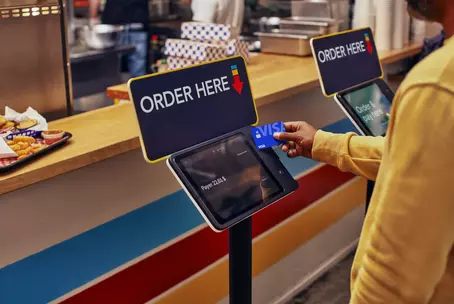
- Fast-casual establishments are a slight step up in complexity from quick service restaurants. They’re still built on a counter service or kiosk ordering model and open dining room seating. However, their menus are more complex and customizsable, with food that takes slightly longer to prepare and slightly higher prices.
- Casual dining offers a full-service restaurant experience for customers at an affordable price.
- Fine dining restaurants provide customers with an elegant and upscale dining experience with higher price points, top-quality food and the best service the industry can provide.
How much does it cost to open a restaurant?
Restaurant startup costs are dependent on various factors, including:
- Size of the restaurant
- Type of restaurant (see above)
- Number of staff
- Restaurant property
While the cost of starting a restaurant varies significantly, opening a restaurant in London can cost anything from £200,000 to £1 million. And incorrect forecasts and budgeting are a major reason why restaurants fail. However, there are plenty of financing options for restaurant owners to help get started.
How do I take payments from customers?
Taking payments from customers is simpler than ever before. First, you need to choose a payment processor. A payment processor handles credit, debit and other transactions for your business. You want to look for a payment processor that accepts all major credit cards, has one consistent rate (with no hidden fees), and has quick deposit times.
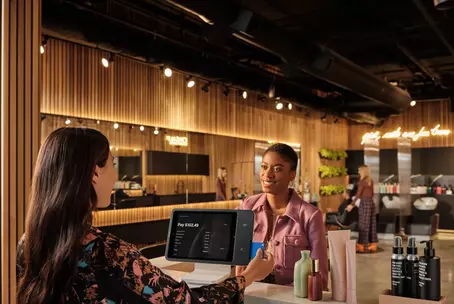
An intuitive POS system lets you get started taking payments quickly, and it can also grow with your restaurant (and help it grow). An integrated restaurant point of sale not only lets you accept all types of payments including chip and PIN and NFC (mobile payments) but can also help you run your entire restaurant more efficiently.
Visit our Square for Restaurants Demo page to see how we make taking payments and running a restaurant easier.
What restaurant trends should I be watching?
Restaurant owners are responsible for staying ahead of trends in the restaurant industry, but that doesn’t just entail the latest food fads. Here are a few emerging restaurant trends to note:
- Immediate customer feedback is one of several customer engagement features that allow restaurant owners to get a better understanding of what their customers want sooner rather than later.
- Acceptance of mobile wallets like Apple Pay have become increasingly popular and are shaping the future of payments. Some of the key benefits of accepting mobile wallets include increased security, speed, and convenience.
- Delivery services to reach a wider customer base.
- QR code ordering for tableside contact-free dining.