

Table of contents
The number-one question for any aspiring restaurant owner is: how much does it cost to open a restaurant? Starting a restaurant can cost anywhere from $80,000 to $1,000,000, depending on your concept, location, size and whether you’re building from scratch or taking over an existing space.
Smaller quick-service restaurants or food trucks may open for less than $150,000, while full-service restaurants in major metropolitan areas can exceed $1 million when you factor in fit-out, equipment, staffing and operating reserves.
This guide covers startup costs by restaurant type, key expense categories, ongoing monthly costs and how to create a practical restaurant startup plan.
Startup costs by restaurant type
Restaurant startup costs vary significantly depending on your concept, service model and location. Below is a breakdown of common restaurant types and their estimated startup costs in Australia, along with what those costs typically include.
Quick-service restaurant costs ($150,000–$300,000)
Quick-service restaurants (QSRs), such as sandwich shops, burger counters or doughnut stands typically have lower startup costs because of smaller footprints, streamlined menus and limited table service.
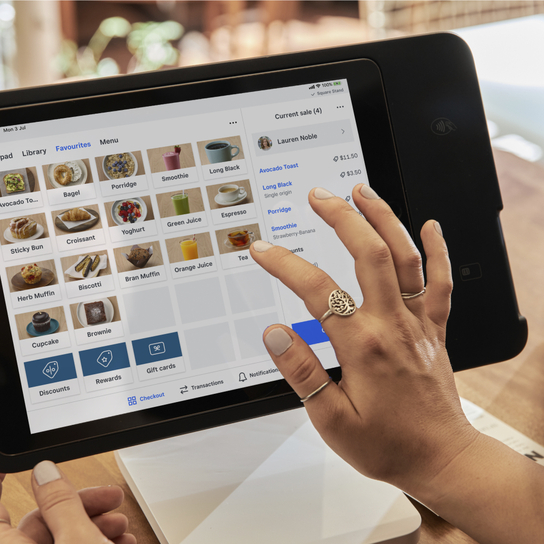
Expenses usually include lease deposits, basic kitchen equipment, limited dining furniture, point-of-sale (POS) setup, initial inventory, and staff hiring and training. QSRs often operate in high-traffic retail areas, food courts or near schools and offices, which can influence rent but may reduce marketing costs due to built-in foot traffic.
Fast-casual restaurant costs ($250,000–$600,000)
Fast-casual restaurants combine counter service with higher-quality ingredients and more thoughtful design. Startup costs are higher due to larger kitchens, custom interior branding, expanded seating areas and more sophisticated online ordering systems.
While labour costs may still be lower than full-service restaurants, fast-casual concepts often invest more upfront in brand experience and technology.
Full-service restaurant costs ($400,000–$1,000,000+)
Full-service restaurants require a larger footprint, a full dining room fit-out, extensive kitchen infrastructure and higher staffing levels. Startup costs often include bar construction, ventilation systems, decor, liquor licensing and significant working capital. In major cities, these concepts can exceed $1 million depending on location and design complexity.
Food truck costs ($80,000–$180,000)
Food trucks offer a lower-cost entry into the restaurant industry but still require investment in a commercial vehicle, kitchen installation, council permits, branding and mobile POS systems. While rent is typically lower, operators must budget for fuel, maintenance, and event-based variability in revenue.
Franchise restaurant costs ($250,000–$1,000,000+)
Franchise restaurants come with established branding and operational systems, but require higher initial investment. Costs typically include an upfront franchise fee, required fit-out specifications, approved equipment purchases, royalty payments, marketing fund contributions and mandated technology systems.
Initial franchise fees alone can cost $50,000+, depending on the brand. The trade-off is often lower concept risk but reduced flexibility.
Restaurant startup cost breakdown
When you open a restaurant, you’ll face several upfront and ongoing expenses. These costs generally fall into two categories:
- One-time startup costs, such as permits, kitchen equipment, renovations and furniture
- Ongoing operating costs, including rent, payroll, ingredients, utilities and marketing
Understanding these categories makes it easier to build an accurate budget and avoid surprises.
One-time startup costs
One-time startup costs are the expenses you incur before your restaurant opens its doors. These typically represent the largest upfront investment and can vary widely depending on your location and concept. One-time startup costs usually include several major expense categories.
Commercial space
Securing a location is often the single largest financial decision in the startup process. Costs depend heavily on whether you lease or purchase the property and where it’s located.
Upfront leasing costs typically include:
- Security deposit (usually 3–6 months’ rent)
- First month’s rent
- Any legal or lease negotiation fees ($1,000–$5,000)
Monthly rent varies widely by state/territory, city and neighbourhood. In regional areas or small suburbs, commercial rent for a restaurant space may range from $2,000–$8,000 per month, while venues in major city centres can exceed $15,000 per month. When budgeting, many restaurant operators aim to keep rent between 6% and 10% of their expected monthly revenue.
While buying a property requires more upfront capital than leasing one, you have greater freedom to customise the space and avoid long-term rent increases.
Typical purchase costs to budget for include:
- Property deposit (often 25%–35% of the purchase price)
- Stamp duty (varies by state, but may add 4%–6% of the property value)
- Legal and conveyancing fees ($1,500–$5,000+)
- Loan establishment costs ($500–$5,000)
Commercial property prices also vary significantly across Australia. In regional areas, smaller hospitality spaces may start around $400,000–$900,000, while comparable properties in major cities can exceed $1.5 million, depending on size and location.
Refurbishment and decorations
Refurbishment costs depend on the condition of the space and the level of customisation your concept requires. A second-generation restaurant space with existing infrastructure will usually cost much less to renovate than a completely empty venue.
Common fit-out expenses include:
- Plumbing upgrades
- Electrical work
- Heating, ventilation and air conditioning (HVAC) systems
- Fire suppression systems
- Flooring and wall finishes
- Countertops, cabinetry and shelving
- Bar construction (if applicable)
- Furniture (tables, chairs, bar stools)
- Lighting fixtures
- Signage
- Table settings
- Decor or artwork
The fit-out cost varies widely based on the scale of your renovations and venue size, but typically ranges from $1,000 to $5,500+ per square metre.
Kitchen and cooking equipment
Commercial kitchen equipment represents a major upfront investment.
Typical kitchen and restaurant equipment costs include:
- Ovens, grills, fryers and stovetops
- Refrigerators and freezers
- Prep benches and stainless steel workstations
- Dishwashers
- Food processors and mixers
- Smallwares (pans, knives, utensils)
A full commercial kitchen setup can cost between $60,000 and $80,000, depending on restaurant size. Leasing equipment instead can reduce upfront cash requirements. You can also lower startup costs by purchasing second-hand or refurbished equipment from hospitality suppliers.

Restaurant technology
Your POS system is the operational backbone of your restaurant. It allows you to take orders and accept payments efficiently at the counter or tableside. The specific equipment you need depends on your service style and restaurant layout.
Basic restaurant POS hardware includes:
- Card readers: $65–$350 per device
- Receipt printer: $200–$500
- Cash drawer: $70–$350
- Kitchen printer: $350–$750
Restaurant permits and licences
How much does it cost to start a restaurant business legally in Australia? Before serving your first customer, you’ll need to pay for several licences and permits from local councils and state authorities.
Common costs include:
- Food business licence: $65–$4,000+, varying by state/territory, local council and venue size
- Liquor licence (if serving alcohol): $240–$1,500+, varying by state/territory
- Council certificates: $40–$500+, varying by local council and the type of certificate you need (zoning, occupancy, fire safety, etc.)
- Music licence: $400–$2,250, depending on venue size and type of music required (e.g. streamed background music or live performances)
Since licensing requirements differ significantly across Australia, it’s important to confirm what applies to your business before opening. The Australian Business Licence and Information Service (ABLIS) can help you identify the licences, permits and registrations required for your restaurant based on your location and business activities. It also provides links to the relevant application processes for each.
Ongoing operating costs for restaurants
When looking at how to manage a restaurant and the recurring costs that go into it, obvious expenses will come to mind, like food and alcohol. But an owner should think about operating costs as well. Your operating costs encompass everything that keeps your restaurant running and they span a broad spectrum, from the cost of employees to the actual cost of the building. These costs repeat monthly and must be carefully managed to maintain healthy margins.
Below are the core operating costs most restaurant owners manage on a regular basis.
Building costs
Your building cost becomes a fixed monthly obligation from day one. Unlike food or labour, which can fluctuate with sales volume, rent or mortgage payments are due regardless of how busy the week was.
Ongoing building costs typically include:
- Rent or mortgage payments
- Council rates and land tax (if you own the property)
- Outgoings fees (like cleaning, security, common area maintenance)
- Building insurance
Because rent or mortgage is a fixed expense, it has a larger impact on profitability, especially during slower months.
Ingredients
Ingredient costs directly affect your margins every single day. Even small fluctuations in supplier pricing or portion control can impact profitability over time. On average, food and beverage costs represent 25% to 35% of revenue, though this varies by concept.
Ongoing ingredient expenses include:
- Raw food inventory
- Beverages and alcohol
- Specialty or seasonal ingredients
- Spoilage and waste
Tracking inventory levels and monitoring usage patterns helps reduce waste and identify pricing issues early. Restaurant inventory management software can simplify this process. For example, Square Restaurant Inventory by MarketMan allows you to track ingredients in real-time, automating repetitive inventory tasks and reducing food costs.
Training
Training is not a one-time event. New hires, menu updates and system changes all require continued onboarding and oversight. Your restaurant POS software and other administrative systems should be easy to learn and execute, to cut down on training time.
Training costs may include:
• Paid onboarding hours
• Manager time spent training
• Training materials
• System and POS instruction
Consider setting aside $100–$300 per new team member to cover paid time and learning materials. Clear processes and intuitive systems can reduce training time and improve consistency across locations.
Tableware
Tableware is easy to overlook, but it requires ongoing replacement. In high-volume environments, breakage and wear are unavoidable.
Recurring tableware costs may include:
- Plates and bowls
- Glassware
- Utensils
- Napkins and disposables
- Takeaway containers
Planning for regular replacements helps avoid shortages during peak hours.
Utilities
Restaurants consume more utilities than most small businesses. Refrigeration runs continuously, cooking equipment draws significant energy and dishwashing increases water usage. Monthly utility costs may range from $3,000 to $7,000+, depending on the size of the space and equipment demands.
Utilities generally include:
- Electricity
- Gas
- Water and sewerage
- Waste collection (trash, recycling, grease trap servicing)
- Internet and phone services
Monitoring energy usage and maintaining equipment can help keep these costs predictable.
Chefs and waitstaff
Leadership plays a central role in food quality, consistency and staff management. Wages and salaries are an ongoing investment in the performance of your front-of-house (FOH) and back-of-house (BOH) operations.
Wage costs may include the following, depending on demand, experience and rostered hours:
- Head chef or kitchen manager (about $6,500–$10,000 per month)
- Chef or cook ($5,000–$7,000 per month)
- Kitchen hand or prep staff ($1,600–$7,500 per month)
- Floor manager ($5,500–$8,500 per month)
- Waitstaff, host or bartender ($2,000–$6,500 per month)
Salaries can also vary by location. Restaurants in larger cities face higher staffing expenses due to increased competition for workers, higher living costs and greater demand for experienced staff. A 2024–25 report by The Monday Group found that salaries for mid- to senior-level hospitality roles in major cities like Sydney and Melbourne tend to be higher than those in regional Australia.
Labour costs
Staffing is essential to the guest experience, but it’s also one of the largest recurring expenses in a restaurant. From FOH roles to BOH kitchen staff, you are responsible for hiring, training and paying all employees at your restaurant. Employee costs also go beyond wages; they include the full cost of employing and supporting your team.
These expenses may include:
- Hourly wages and salaries
- Superannuation
- Payroll taxes
- Workers’ compensation insurance
- Employee benefits
- Overtime
Labour often accounts for 25% to 35% of revenue, depending on service style and staffing model. Careful rostering and clear performance expectations help keep labour aligned with sales. Using a staff scheduling system can make it easier to manage employees and stay on top of payroll prep.
Equipment
Equipment requires regular maintenance and occasional replacement.
Ongoing equipment costs may include:
- Equipment servicing and repairs
- Replacement of worn kitchen tools
- Software or hardware upgrades
- Equipment leasing payments
It may be a good idea to set aside $500–$2,000 per month for maintenance and repairs to avoid unexpected breakdowns.
Payment processing
Your payment provider charges a fee each time a customer pays by card. What you pay depends on the provider, the card type, and whether the payment is in person or online.
What providers advertise is typically between about 1.1% and 2.9%, and the RBA found small businesses on a single flat rate average around 1.4%. For a new restaurant, that small-business figure is the realistic benchmark.
When comparing providers, check the rate, whether it differs by card type, whether there are fixed monthly costs, and whether there’s a lock-in contract. We’ve broken it all down in credit card processing fees and rates explained.
One thing you can’t do: pass card costs to customers as a surcharge. Until 30 September 2026, Australian businesses could add a card surcharge; from 1 October 2026 that’s no longer permitted. Budget card processing as a genuine cost of doing business and build it into your menu prices from the start.
Weekend and public holiday surcharges are a different thing and aren’t affected. These are common in hospitality and remain permitted, though the ACCC requires specific wording on your menu if you apply one. Service charges, booking fees and delivery fees are also unaffected. Full detail in credit card surcharges: what changes on 1 October 2026.
Restaurant software
The POS system is usually the core system used to run your restaurant. It allows you not only to process orders and payments but also to track sales, manage inventory and generate reports. Most modern POS providers charge a monthly subscription for POS software offering these features, typically ranging from $0–$300+ per month.
Additional software tools may also require their own subscription, such as:
- Staff management: $0–$80 per month
- Online ordering platform: $0–$200 per month
- Loyalty program: $20–$150 per month
A multichannel restaurant POS system like Square for Restaurants can centralise payments, reporting, inventory tracking, team management and online ordering into one platform, with no required monthly software fee for essential features.

Advertising and marketing
Marketing helps drive both new customer acquisition and repeat visits. Costs can vary widely depending on the strategies you choose and whether you hire professionals or handle it yourself.
Typical marketing expenses include:
- Creating a website: Hiring a freelancer or agency to design a custom site can cost $1,000–$3,000+. Or you can build a website yourself using free tools like WordPress or Square Online.
- Social media marketing: Posting on your social media channels is a low-cost way to engage customers. If you also choose to advertise, paid social media ads can expand your reach and target specific audiences, typically costing $100–$500 per month, depending on campaign size.
Creating a restaurant startup cost plan without overspending
Understanding restaurant costs is one thing. Planning for them is another. A startup plan helps you prioritise spending, protect cash flow and avoid overspending in areas that don’t directly support revenue. It also helps you make the right trade-offs early, before costs become fixed. Consider creating a restaurant startup costs checklist to help you tick off everything you need and avoid blowing your budget.
Where do restaurant owners overspend and how can you prevent it? Below are key areas where thoughtful planning can reduce financial strain.
Equipment
Focus on the right equipment, not necessarily the newest on the market. The equipment you purchase should reflect what you plan to serve and the volume you expect to handle. Talk with your staff to gauge the tools they need and assess the menu to determine the essential equipment for food handling.
Technology
Just as with equipment, you want to find the best technology for your specific business. Start with an integrated restaurant POS system, which can handle your restaurant payments, receipts, inventory and much more. Essentially, a POS system should make your life easier as a restaurant owner and promote growth for your business.
Third-party delivery app commissions
Delivery apps can help expand your reach and bring in new customers, but their commission fees can reduce margins. Many platforms charge a percentage of each order, so costs increase as order volume grows. Before signing up, compare commission rates and features, and consider whether delivery will support your long-term profitability. Some restaurants offset these fees by adjusting menu prices for delivery or encouraging direct online orders through their own ordering system.
Decorations
It’s easy to become attached to high-end finishes or statement pieces during the planning phase. Instead, focus on durability, layout efficiency and a cohesive look. A few intentional design elements that reflect your concept often have more impact than filling the space with decor.
Creating awareness
Marketing is an essential component of your restaurant’s success, but many owners tend to overspend on unnecessary strategies.
Choose marketing techniques that have a high return on investment (ROI) for your business. Rather than relying on one-time promotions, think about how you will build repeat visits over time. Loyalty programs, email marketing and consistent digital presence, especially on social media, can support long-term growth more effectively than a single launch campaign.
When starting a restaurant, the risk of failure is a top concern for all owners. Planning restaurant startup costs can help you greatly mitigate restaurant risks and better strategise for success.

Restaurant startup costs FAQs
What is the biggest expense in a restaurant?
Food costs are typically one of the largest expenses for a restaurant. Careful menu planning, portion control and effective stock management can help reduce food waste and lower costs. Using tools that help manage restaurant inventory can make this process easier.
What are the startup costs for a restaurant?
Opening a restaurant in Australia can cost between $80,000 and $1,000,000+, depending on your concept, location and size. These costs cover:
- One-time expenses like leasing/purchase costs, renovations, kitchen equipment, point-of-sale hardware and business permits
- Ongoing operating costs such as rent or mortgage payments, utilities, ingredients, staff wages and training, equipment maintenance, software subscriptions and marketing
How much does a restaurant owner make in Australia?
Restaurant owner earnings vary widely depending on concept, location, operating efficiency and scale. According to Australian industry survey data, restaurant owners with 1–3 years of experience earn an average salary of around $73,000, while more senior owners with 8+ years of experience earn around $104,000.
How long does it take for a restaurant to become profitable?
Many restaurants take 1–3 years to reach consistent profitability. The timeline depends on rent, labour costs, food cost control, pricing strategy and how quickly customer demand builds after opening.
How does Square help reduce restaurant startup and operating costs?
Square helps restaurants manage orders, payments, teams and customer engagement within one system. By consolidating tools like POS, online ordering, reporting, inventory, staffing and loyalty, restaurants can simplify operations and reduce the need for multiple software subscriptions.