

Table of contents
At the beginning, my parents wanted me to go study at uni. My father is kind of a traditional Japanese salaryman, so he was basically: “Just study, go to uni.” To be honest, I didn’t like the study. But, of course, I liked cooking when I was a teenager. So, I combined these. I liked cooking, and I didn’t want to keep studying, so I went to cooking school instead.
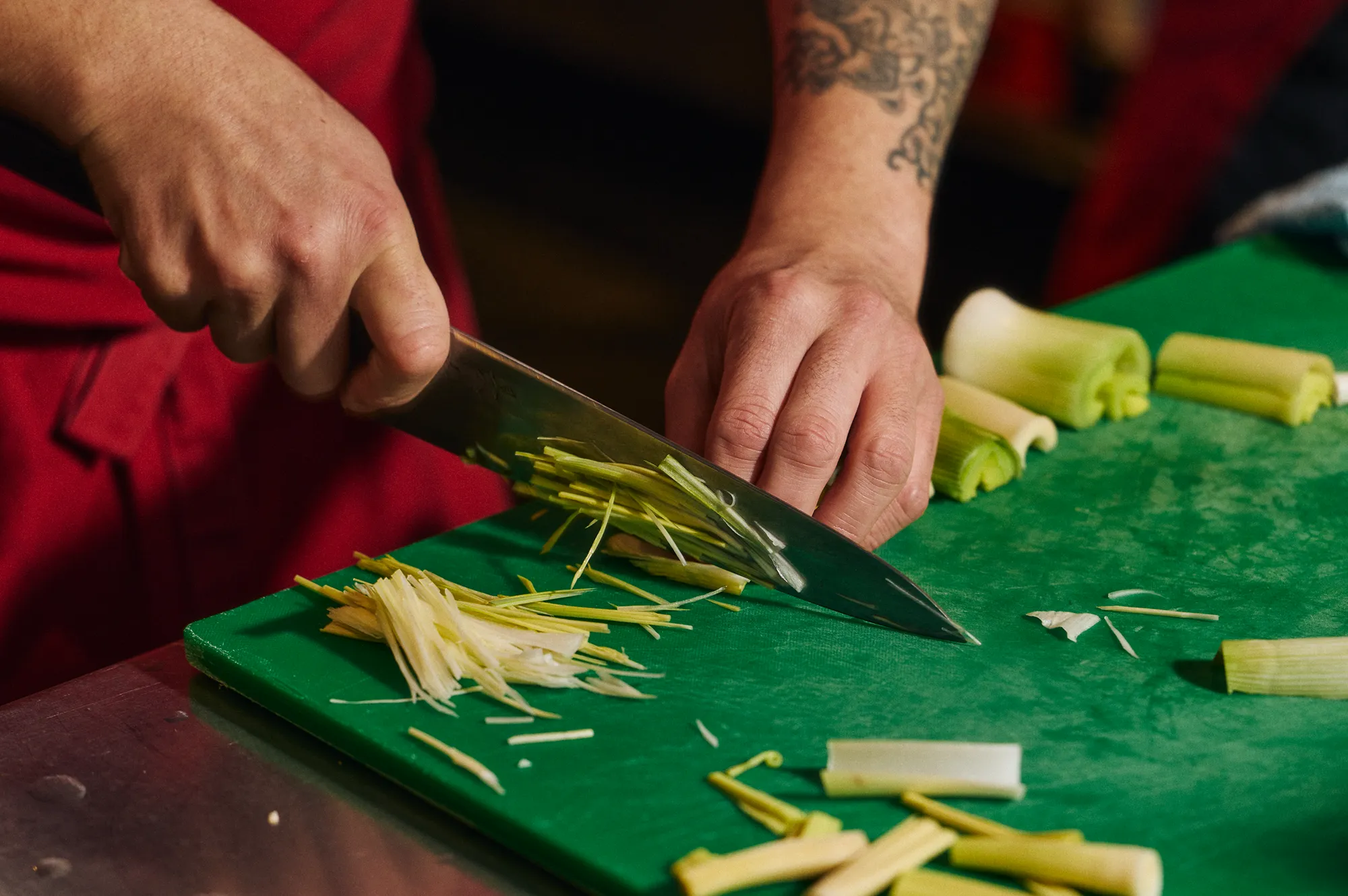

After this, I went straight to work in an izakaya [Japanese establishments that serve drinks and small plates]. It was a high-end, expensive, fish izakaya. Every day, we had 30–35 different fresh sashimi, 10–15 different grilled fish, many different types of tempura. After a few months, they started taking me to buy fish at the market. I had to go early. I went to the market, picked up the fish and brought it to the shop. Not all restaurants did this, because the work hours get too long. But you do if you care about the fish, if you own your restaurant. You see so many different fish, so many different qualities.
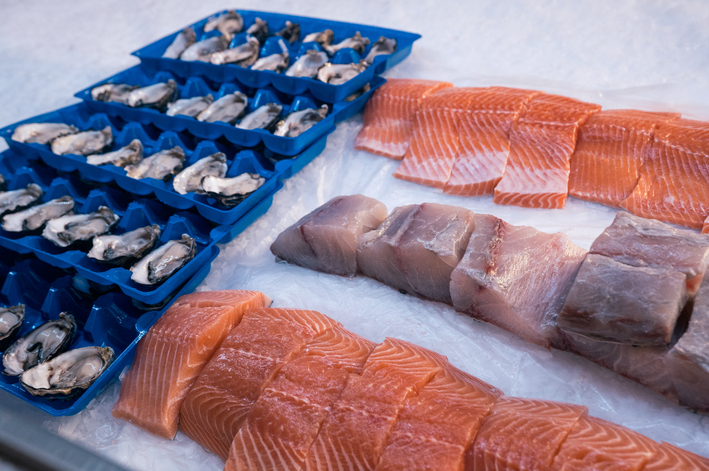
The restaurant was super busy. I worked six days a week, 14–16 hours. It’s kind of part of the training. I was 18, 19 years old. I had lots of energy. And everyone worked like this. I actually didn’t question it. I thought this was normal. I didn’t know until I moved to Australia.
I was working as a chef for five, six years. I was working long hours. Five days of holiday, twice a year, maximum. Let’s say, five days in the summertime, five days in the wintertime. But you have to go back to work one day before, so it’s actually only four days!

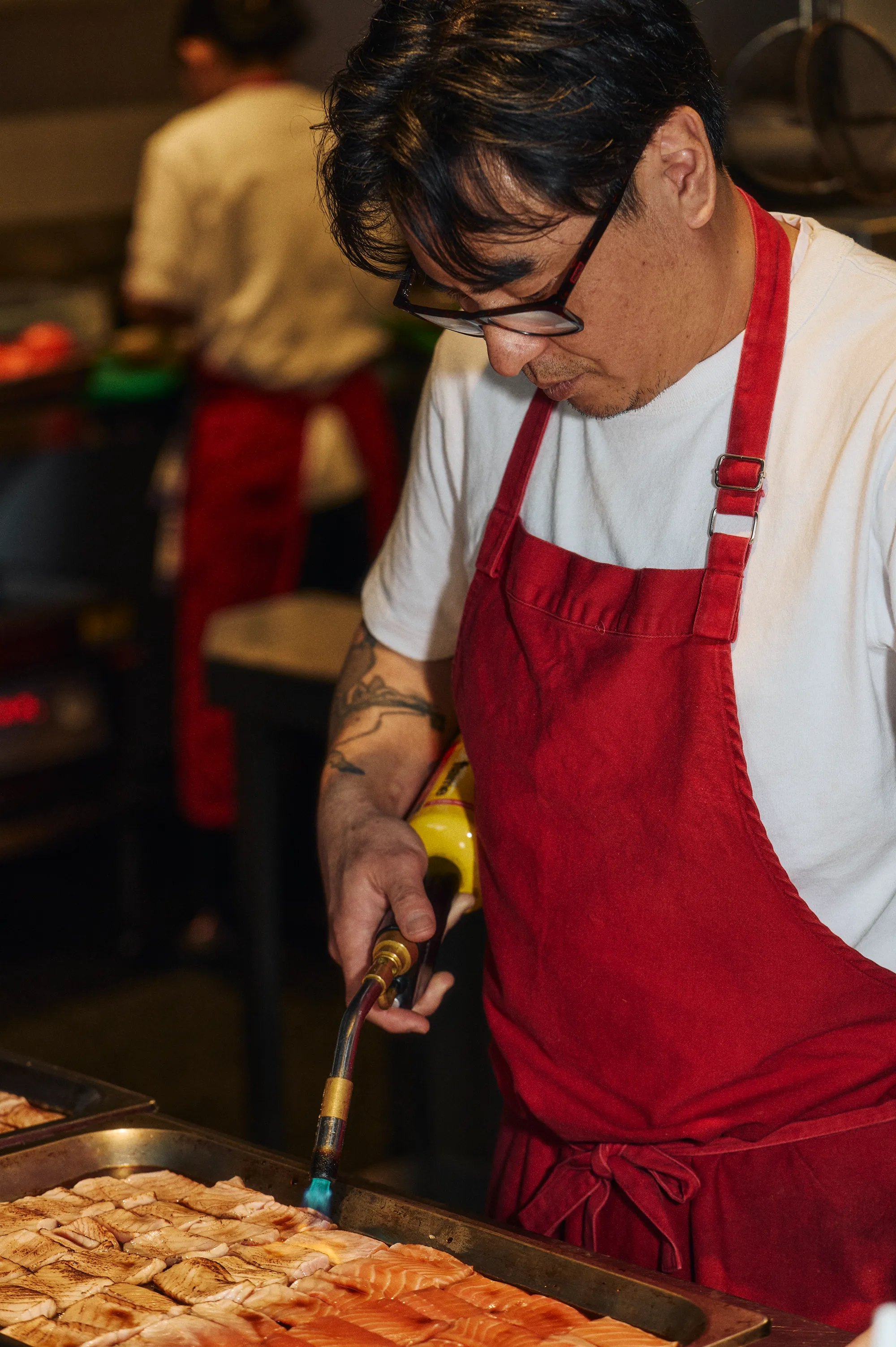
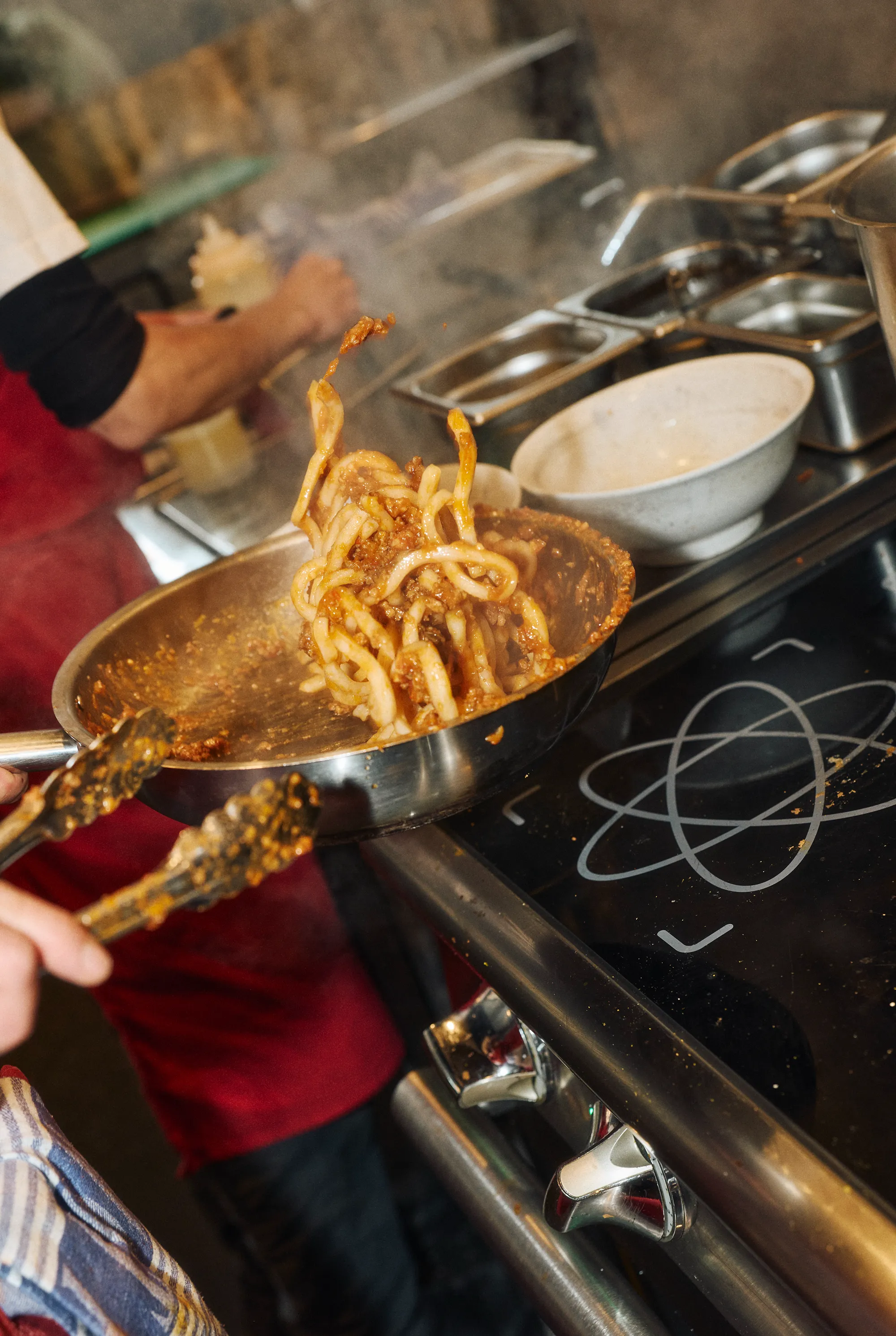
Then, I met my friend. He came to Australia before me, and he spent one or two years on a working holiday, and he got an Australian girlfriend, and he decided: “I think I’m going to open a small Japanese restaurant.” Then he came to Tokyo, and I went drinking with him, and he asked me: “Would you like to come?” I was like, “Okay, this is a good opportunity. Maybe I should do that.” I quit the Japanese restaurant, and I moved here.
Here are the important things I learned working as a chef in Australia and at Suupaa.
Surround yourself with passionate people
I didn’t want to be stuck in the Japanese community; I wanted to grow myself. It’s very easy to just stay and keep working in a small restaurant in the Japanese community, but I definitely needed to change. Also, I wanted to learn about managing a business and managing people. Basically, I was only cooking, so I needed to step up.
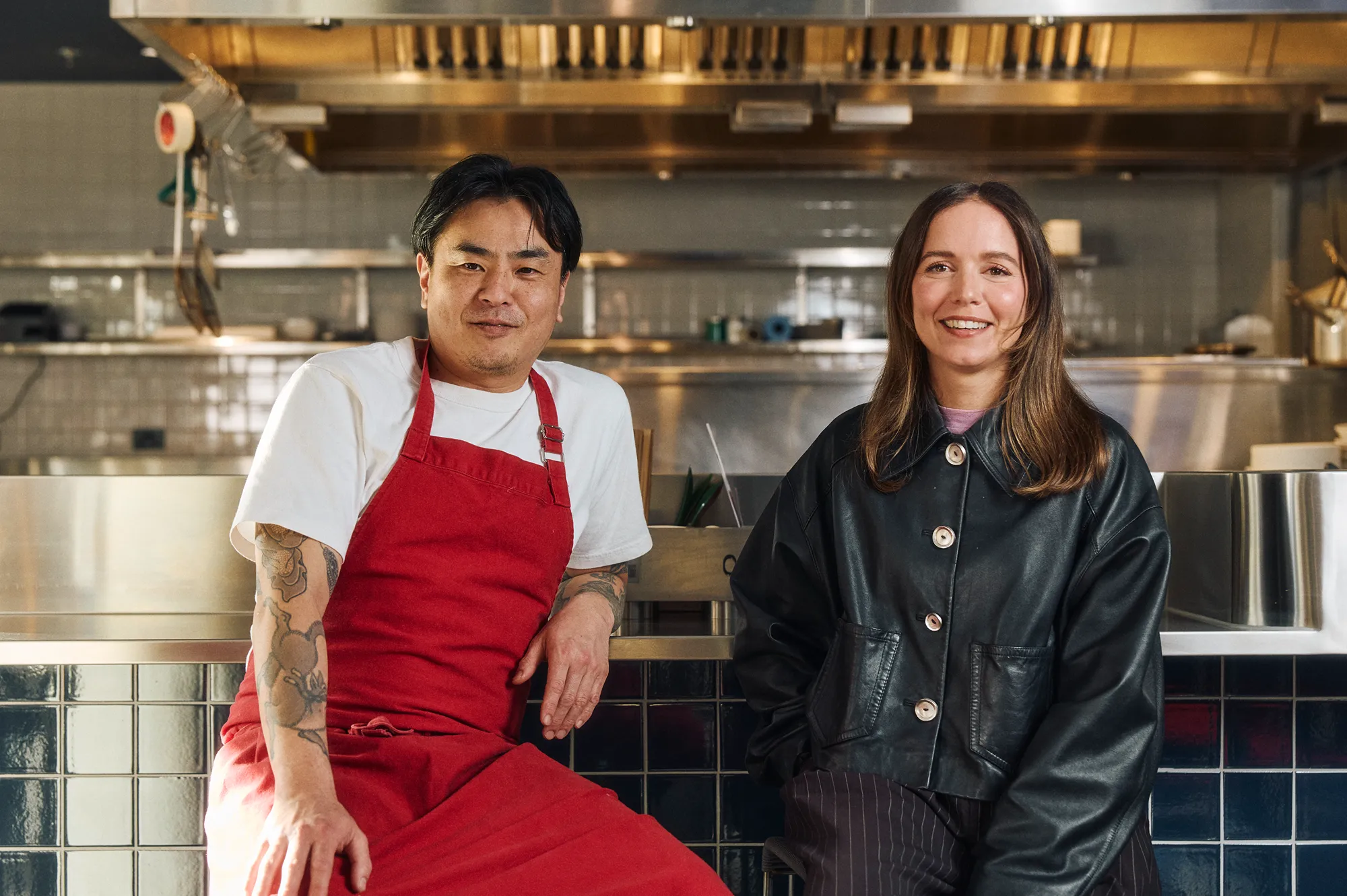
Before Suupaa, I was working at a restaurant called Future Future, which Stefanie Breschi and Alex Boffa opened seven years ago.
I wanted to work with a professional team. I knew at the time that they had owned another restaurant in Collingwood called Congress. So I knew from there that they were professionals in Australian hospitality. I wanted to study, get experience and be part of that team. My skill is Japanese cuisine, and they wanted to do Japanese cuisine, but through their Melbourne eyes and ideas. It was an exciting challenge. The idea was definitely fantastic at the beginning. I really liked it.
I was working there as a head chef from the beginning. Then, we decided we needed a new, next step. And then Stefanie started making the idea of Suupaa.
I’m from Japan, and I trained as a chef in Japan, so my technique is very traditional. We definitely use Japanese traditional techniques, but we also have lots of ideas. Because we do business in Melbourne, I get so many different ideas from different people, especially Stefanie. She brings new ideas from Melbourne. Then I get my ideas from Japan. We talk, we collaborate, then we make dishes.
They always try to be better. Their passions never end, never fail. And they are very motivated, which makes me very motivated.

Working with young chefs, I want to motivate them, but also their energy gives me energy. I’ve got one really good chef at Suupaa. His name is Jake. He’s really passionate about the food, cooking and management, and just watching him is like, “Oh my God, I have to work more!”
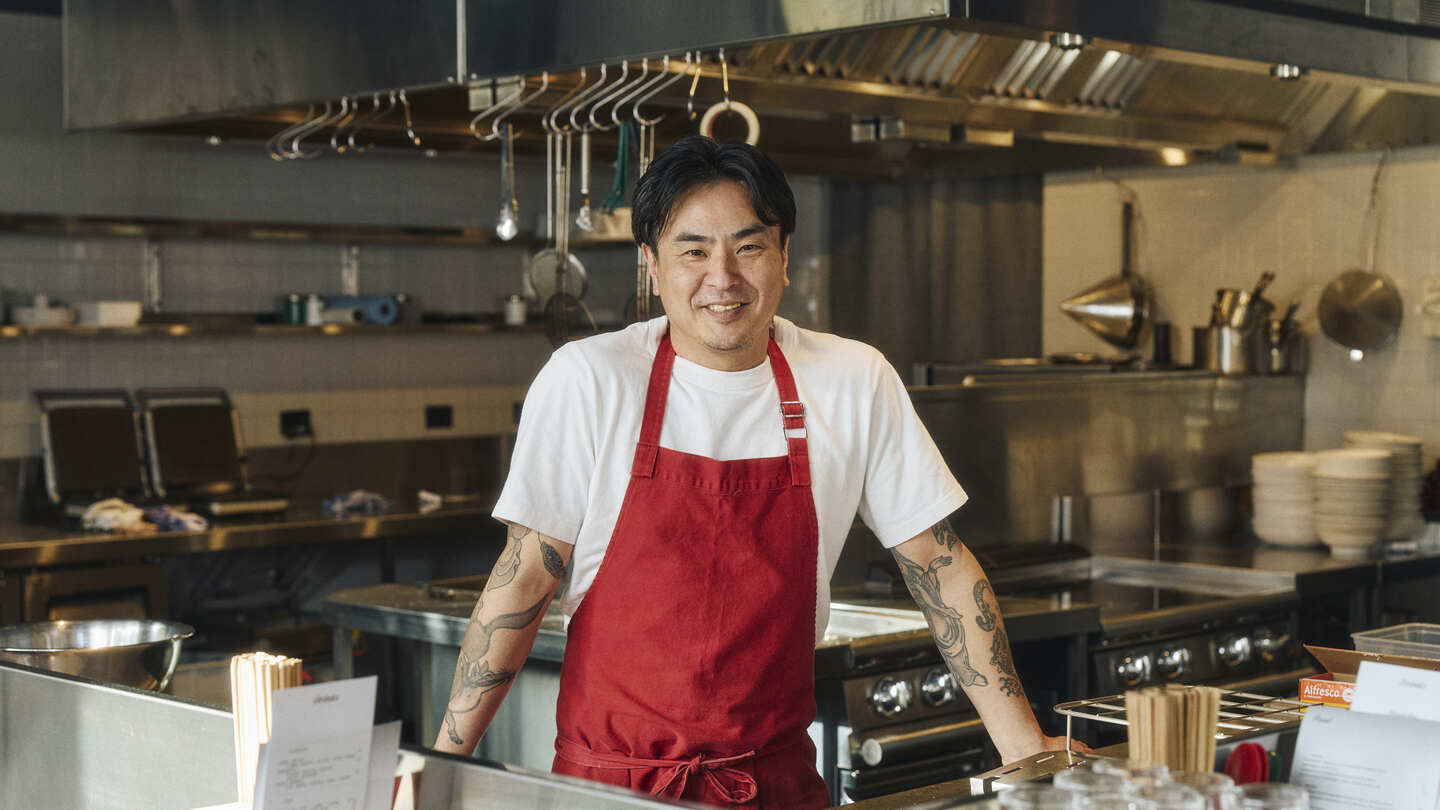
Atsushi Kawakami → Head Chef & Co-owner
Melbourne has so many good restaurants. That motivates me too. It’s very interesting working in Melbourne as a chef. Lots of competition, but you also get lots of energy and inspiration.
Partner with suppliers who care as much as you do
We have two main suppliers. One is a seafood supplier, Ocean Made Seafood, and one is a vegetable supplier, Natoora.
I knew Ocean Made from before opening Suupaa. One main reason we chose them is the relationship and communication. They really look after me. They send me a recommendation every day: “We got this one today.” “We will get this fish and this fish, this week.” They are very quick to respond. If I have any problem – “Oh, my god, I need something” – I call them, they pick up straight away, and they fix it. Relationships are very important to me.
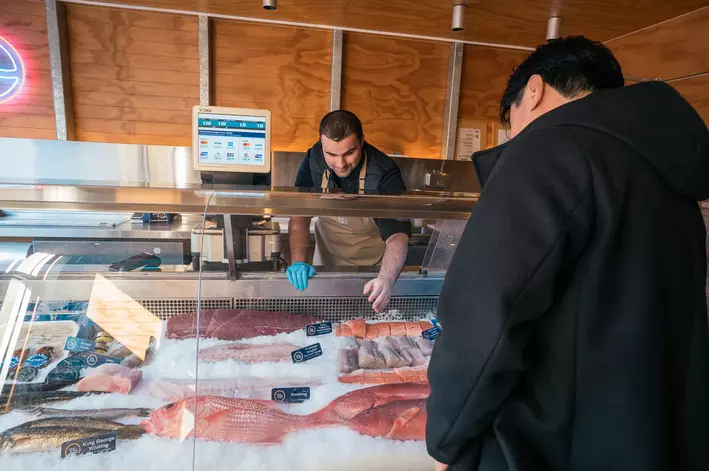
Ocean Made is always a high standard. Every day, they tell us their recommendation, and I trust them and buy it. I’ve never had a problem with quality.
Having a good relationship with suppliers means they always tell us when they recommend something. That means I can always make the same quality food at Suupaa consistently.”
Natoora connects with all the small local farmers in Victoria, so they always get seasonal and fresh vegetables. I usually just ask the Natoora staff, “What’s the seasonal vegetable now? What’s tasty now?”
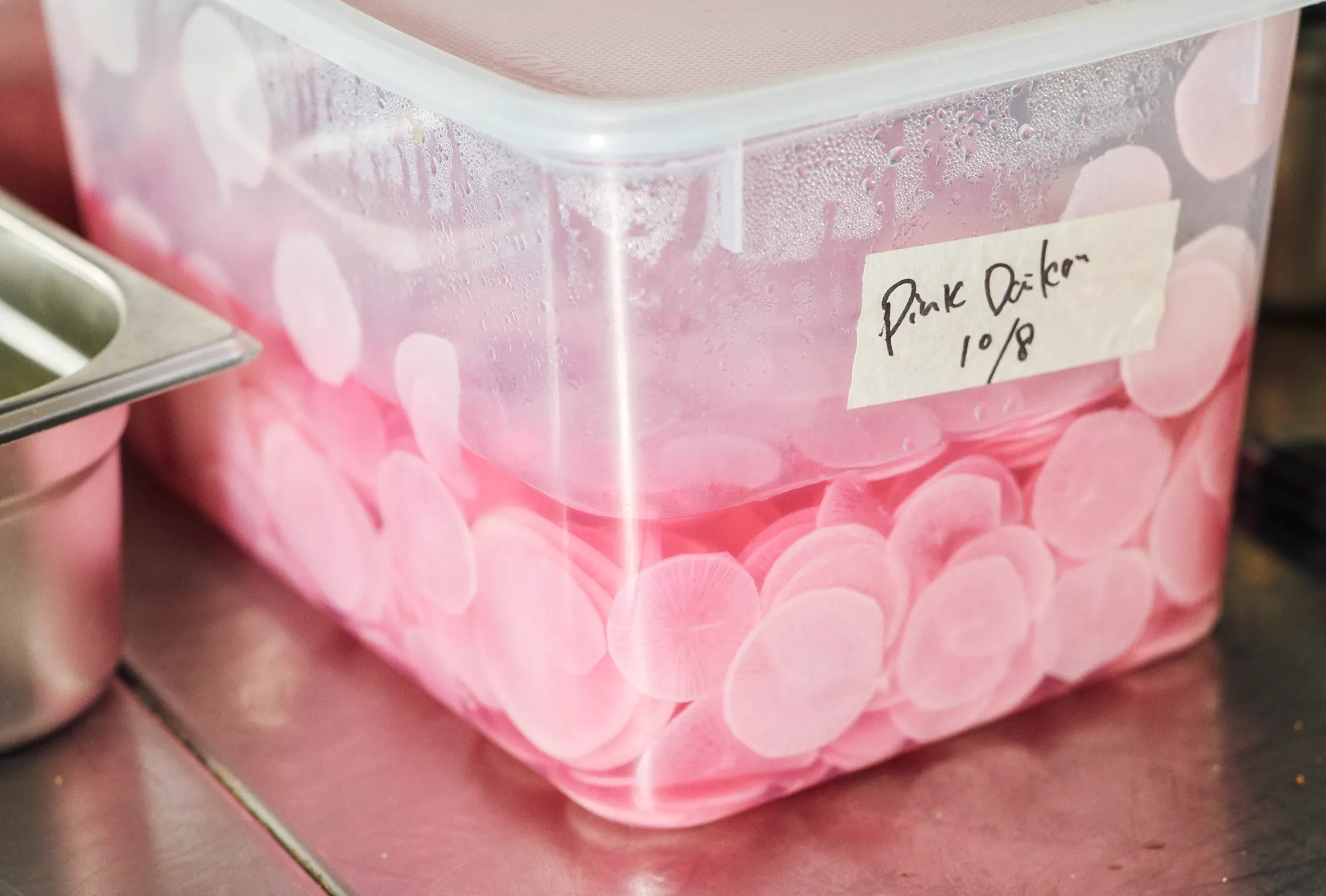
We have one pickled dish, which has five or six different pickles. I usually choose from what’s in season. I try to change them every one or two months – “Okay, now, this vegetable is really good,” so we pickle it and put it into the dish. Using seasonal vegetables definitely tastes better. We always want to improve the flavour of any dish. So we try to use seasonal vegetables. That’s very important to us.

I also knew Natoora for many years before we opened Suupaa. They usually bring the cheese and vegetables to our shop every one or two months – “The next couple of months, this vegetable is very good, you should try this one” – and recommend things very strongly. We chose Natoora because of the communication and the relationship. They look after us very well, and they also look after the small local farms. I’m doing business in Victoria, so I want to help the Victorian small farms as well.
They feel like friends now, dealing with them for such a long time. I can speak to them about anything, and they speak to me about anything.
Lead through support, not pressure
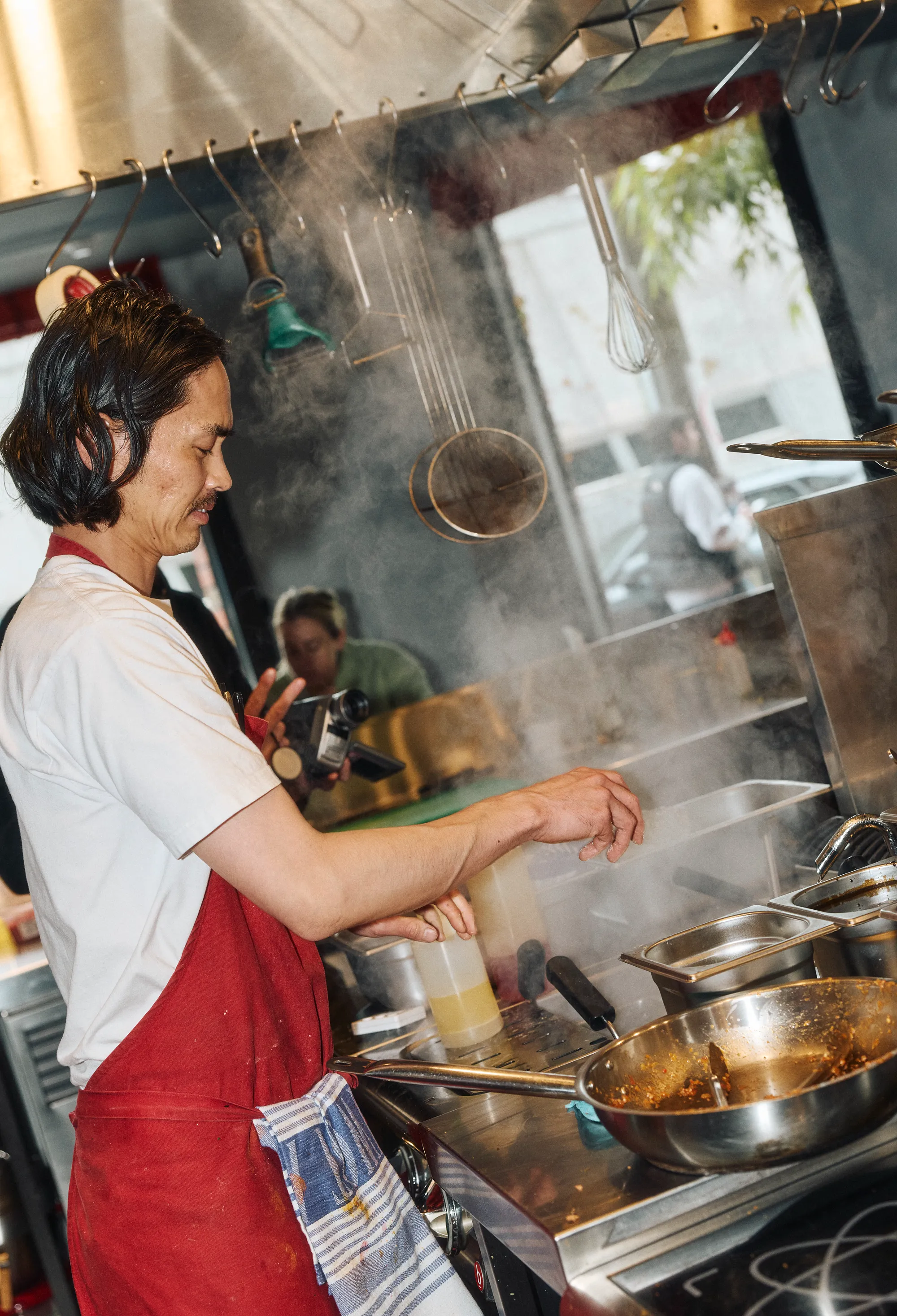
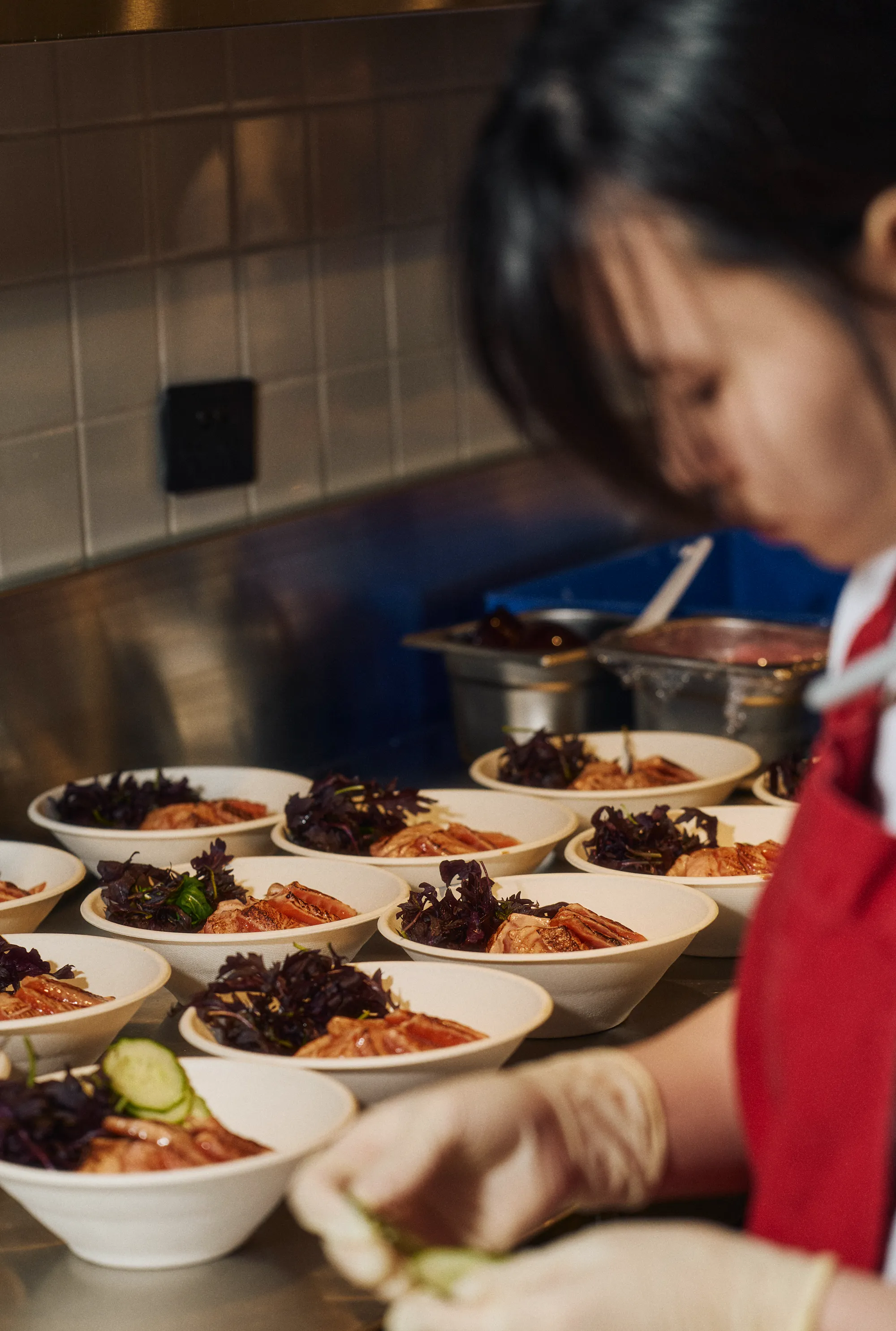
My biggest lesson is communication with people in the team. To be honest, working in Japan is very difficult. Older people are always strong-headed, almost like bullying. That’s normal there. I started 30 years ago. I thought, especially after moving here, that maybe you shouldn’t be like this.
Moving to Australia, what I realised is that everyone has technique. But I think personality – how you deal with your team – is very important. That’s what I learnt a lot.
I always try to communicate more. I ask and make sure they’re always happy. If people are happy, they do a good job. You can’t force them to a good job, “do this one better, do that one better.” I think that if you make them happy, then they actually start doing a good job.