
Table of contents
I grew up in Japan. Every morning, my mum and my grandmother made miso soup. My mum also had her own garden. She always grew fresh vegetables. I helped my mum all the time in the kitchen. For me, it’s very natural to be in a kitchen.
When I was 20 years old, I started my career in Japan and Italian restaurants. After my career in Tokyo, I went to Europe, including Italy, France and Spain, and then I moved to Australia, almost 10 years ago. I have worked at Prefecture 48 since its opening – almost two years.
Japan has many prefectures. North of Japan, south of Japan, there are many different cultures. At Prefecture 48, every venue also has its own culture, philosophy and storytelling. Here are my philosophies and stories that shape how I create each dish at Five at Prefecture 48.
Bring cultures together

Five is European cuisine with a Japanese finish. I try to use Japanese condiments or a Japanese finish, which is like using kosho [a Japanese condiment used to add complex flavour] in traditional Japanese cuisine.
Japanese and European cuisine have a good connection with each other. We have four seasons in Japan; Europe also has four seasons, and the seasonal ingredients are very similar. Stock and dashi are very important in Japan. In Europe, sauce and stock are also very important.
Fermented ingredients as well; we have miso and koji or soy sauce in Japan. Italy, France and Spain also have Parmesan cheese and fish sauce. It’s those kinds of things that connect them with each other.
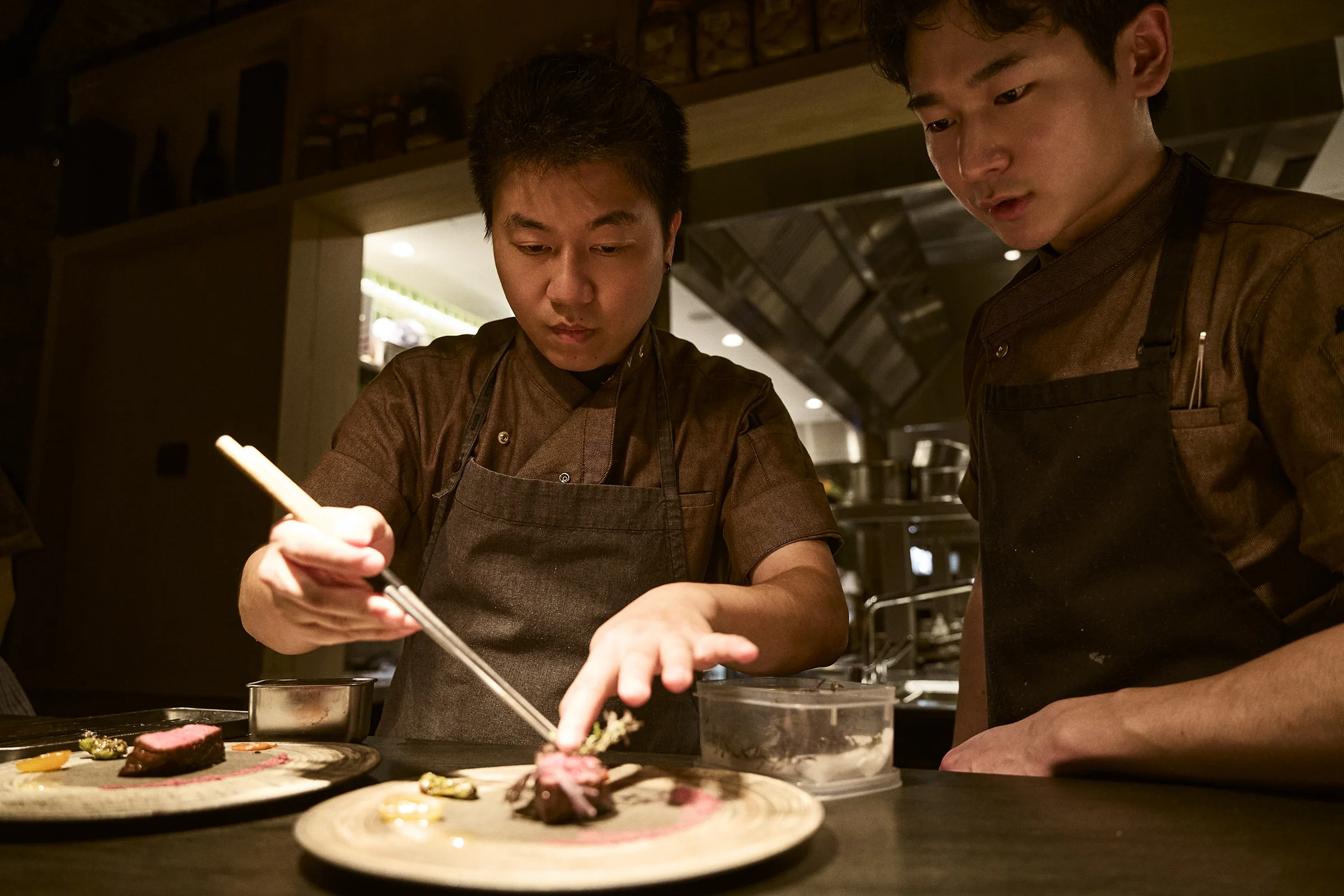
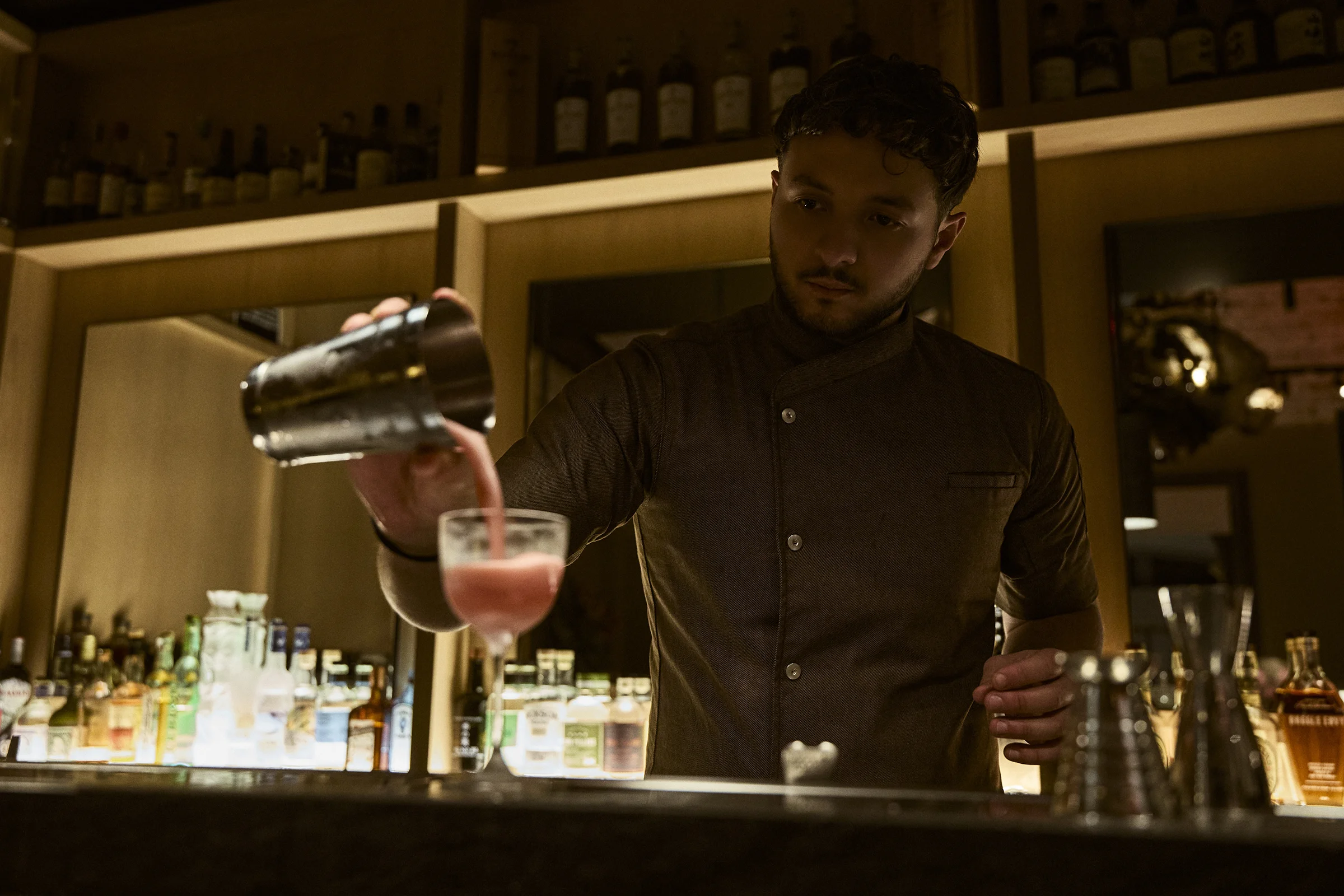
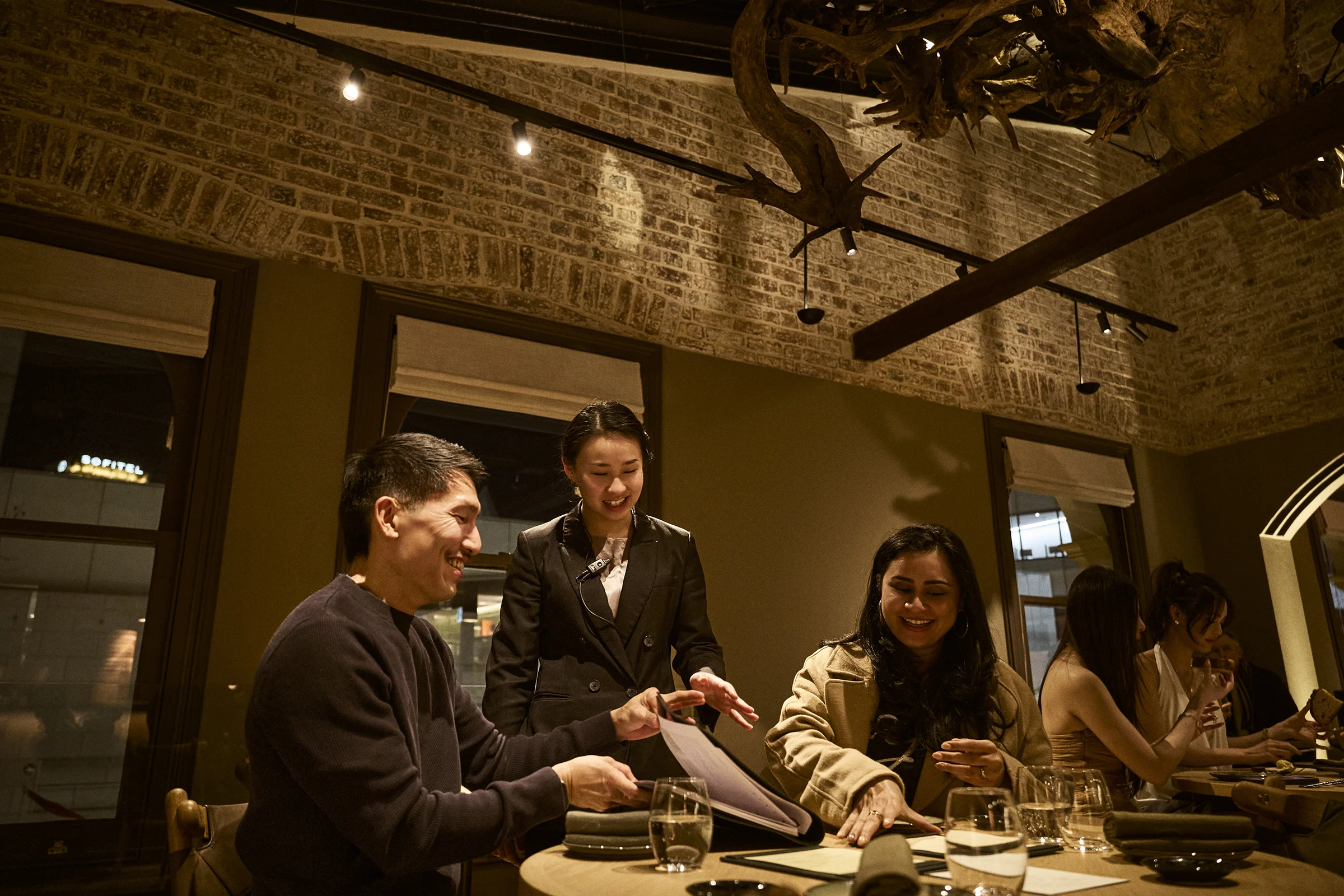
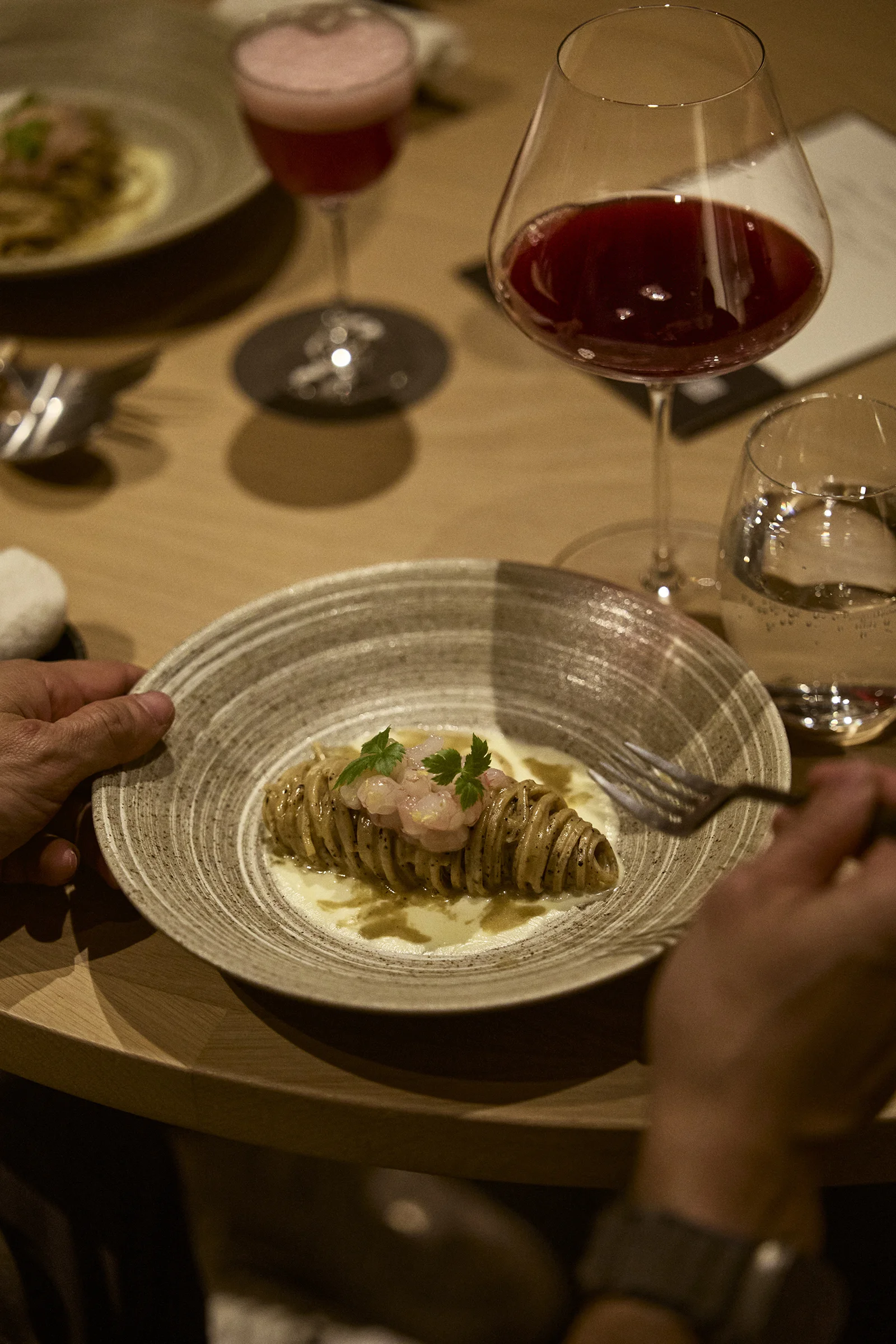
I’m using all-over-the-world techniques – sauce from France, pasta from Italy, condiments from Japan. After the menu degustation, I want customers to feel like they have been to many countries.
Japan has a lot of modern European cuisine. For example, Tokyo has many Michelin-star restaurants; French, Italian and European cuisine; and innovative cuisine. So, I wanted to bring more of that European-Japanese cuisine and innovation to Australia.
Make each dish an experience
Five is a menu experience, created from five elements. The five elements are: five colours, five moderation, five senses, five cooking methods and five tastes. The number five is very important in Japan, especially in Japanese cuisine. We try to use the five elements and incorporate them in the Five experience.
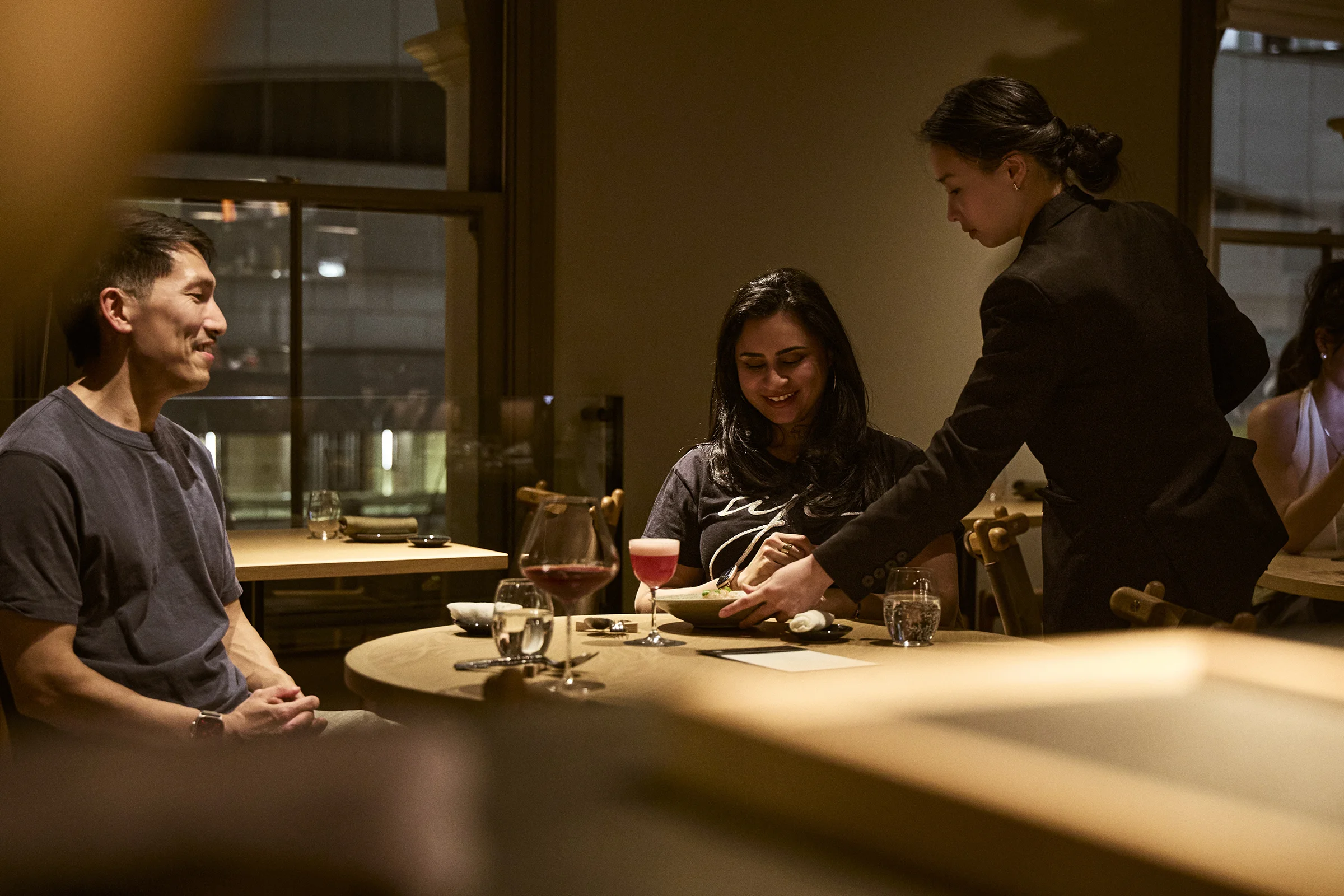
For one of my signature dishes, the abalone dish, we cook it the traditional Japanese way in dashi and sake, then wrap it in kombu and bake it with salt. I show customers the salted baked abalone. First, they smell it. They touch the seaweed. Then, for the presentation, I break down all the salted crust in front of the customers. And at the end, they taste it. That stimulates their five senses in one dish.So, I’m not only cooking and creating dishes, I’m also a performer. Customers enjoy this show or performance from the open kitchen. Some customers jump up to the pass to watch how the chefs plate up. Some take a picture or a video while we are performing.
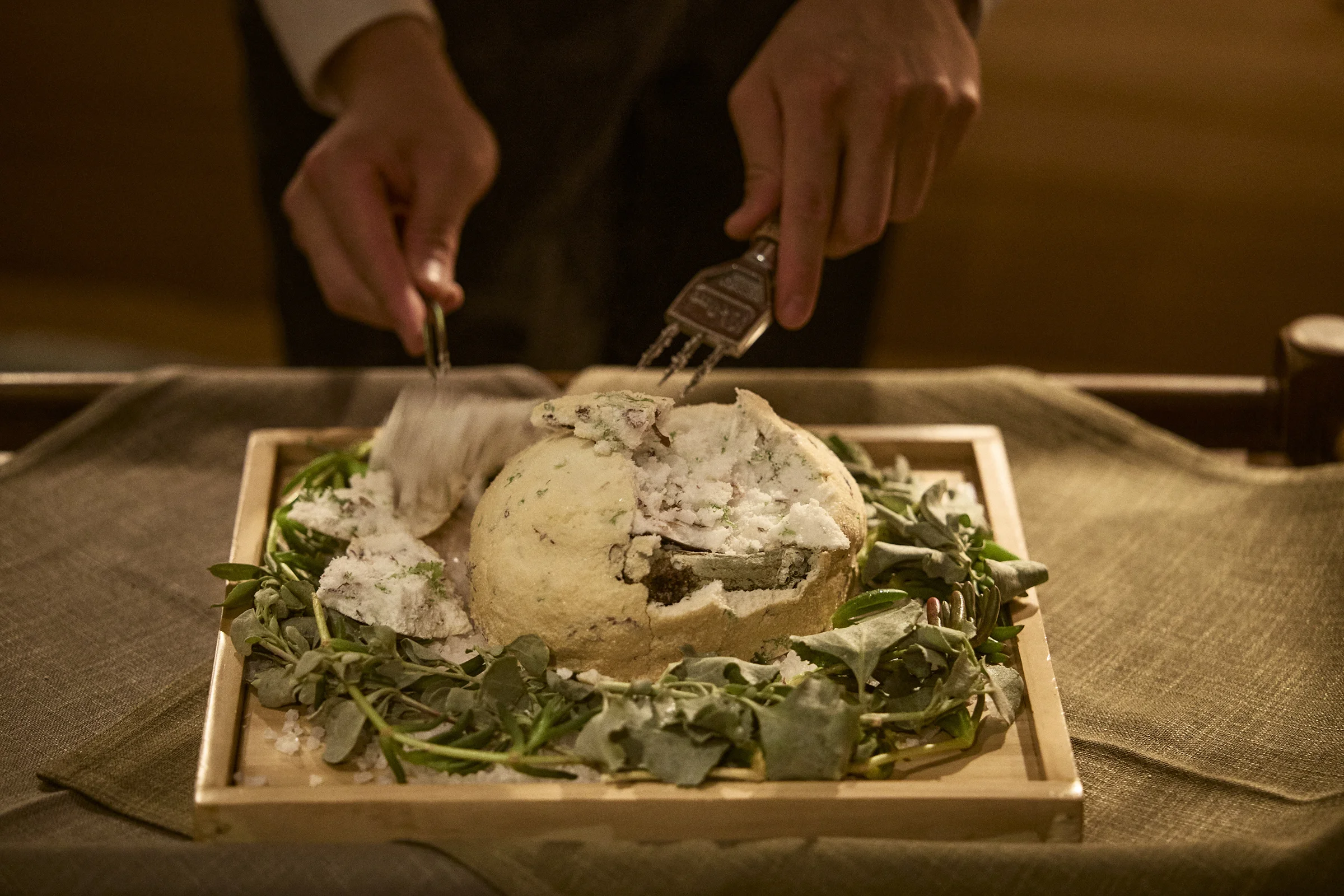
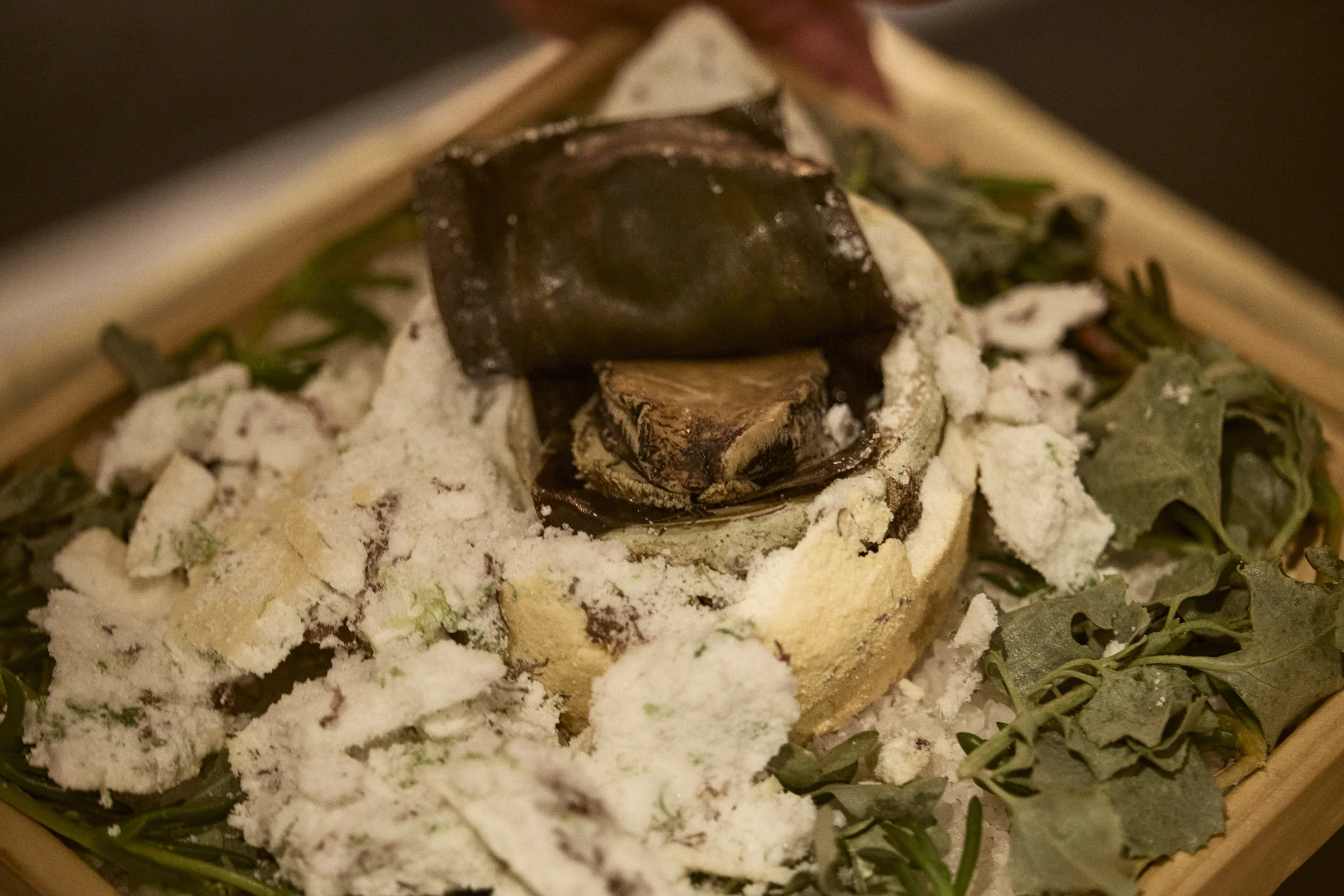
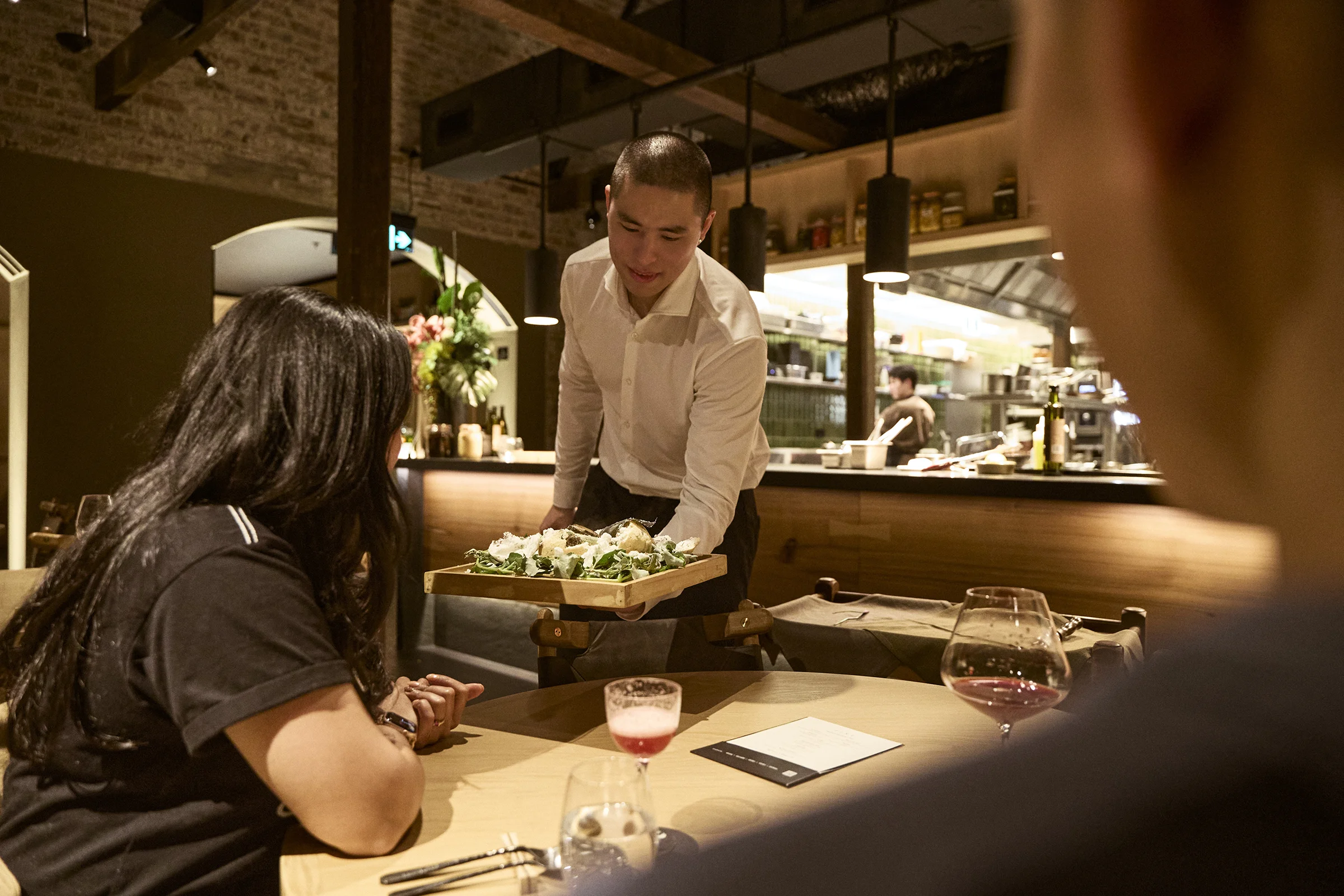
Tasting the food is more like an experience. And customer feedback is very important. When I create a dish, it’s not finished – it’s when the customer eats it that the dish is complete. That means the customer experience is the most important part of the cuisine.
Tell your story on the plate

Storytelling is the most important part of a restaurant’s philosophy. You need a strong vision of what you want to create.
For our Piadina dish, I adjusted the ingredients. The bottom is pita bread, but on top is Wagyu pastrami and fermented cabbage. It’s an Italian local dish, but here, it’s more European with a Japanese finish. I used to work in Italy, and after I finish work, I’m starving, and I think, “What can I get?” Piadina is a local food in Italy and easy to get after you finish work. It’s a memorable dish for me.
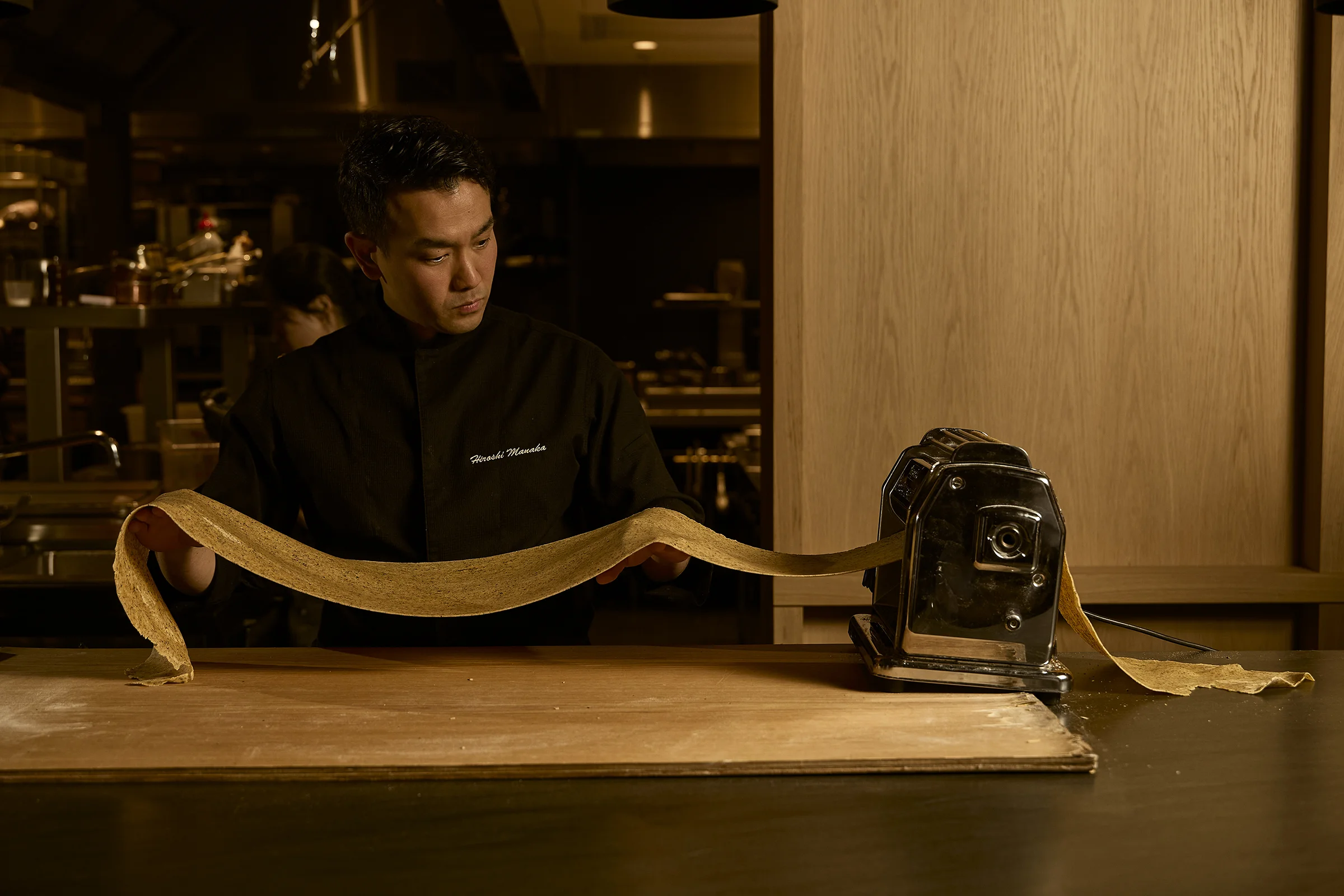
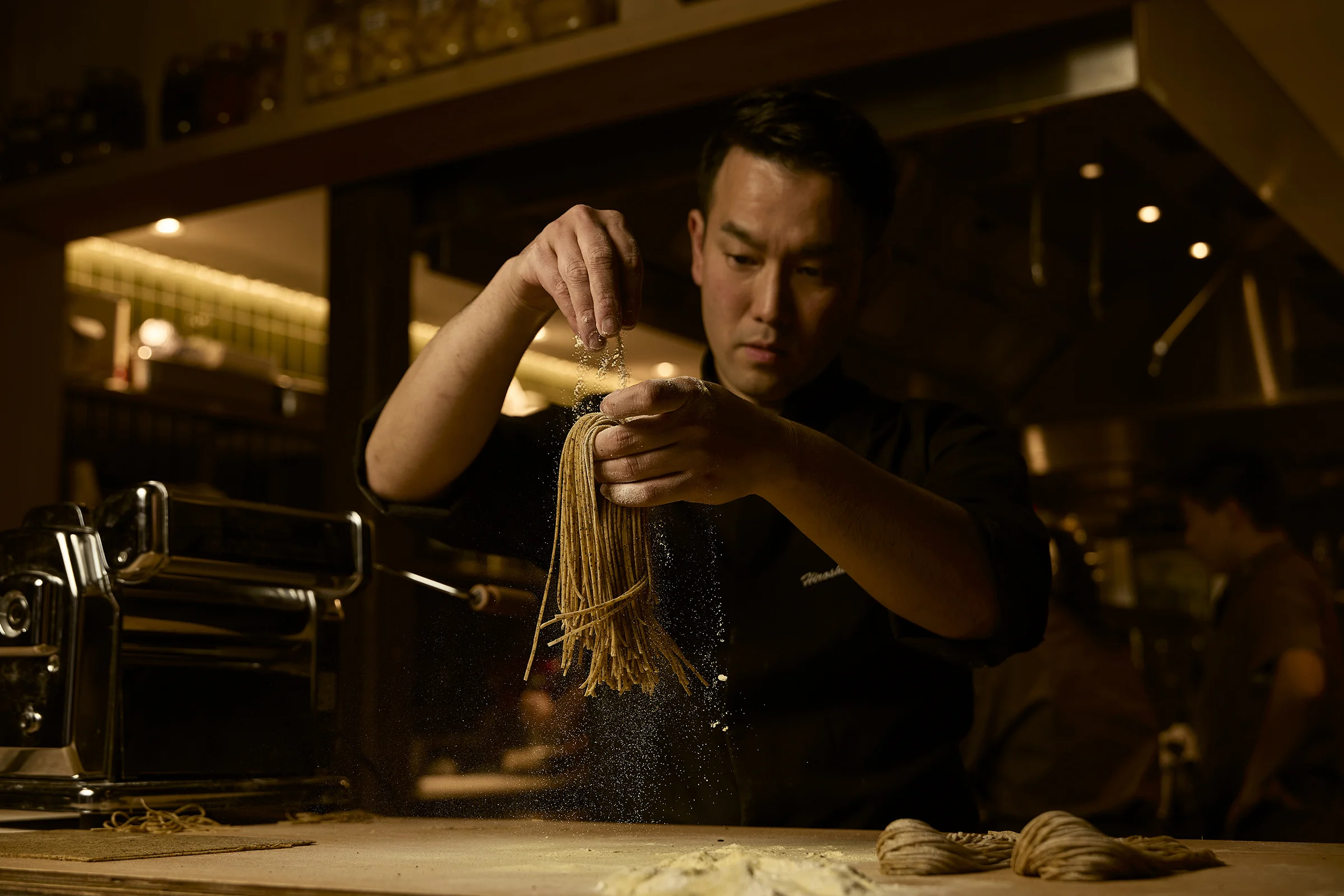
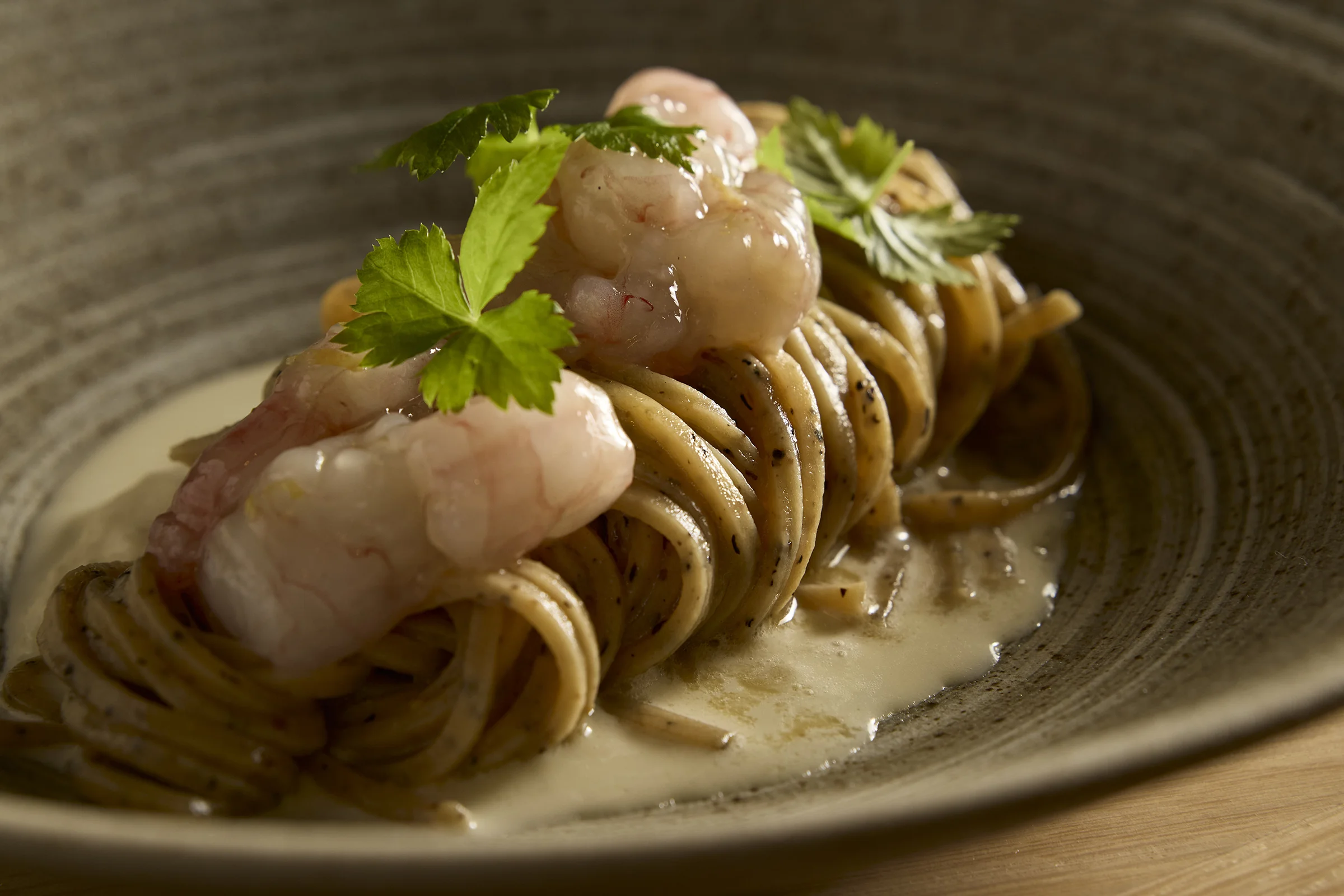
My favourite dish to make is pasta, because I love pasta – especially eating it. I also like making it. I’m making fresh pasta every day. I feel like I’m back in Europe. I’m also remembering my foster family in Italy. The grandmother made pasta every day for me. She taught me lots of things.
When I’m making pasta, it’s enjoyable and relaxing. It brings me back to Italy, and the memorable experiences come back. And I think this is one of the best parts of being a chef.
Strengthen supplier relationships
Five relies on seasonal ingredients. I speak with farmers and suppliers to decide the seasonal menu. They highlight ingredients for me, and then I design and create a menu.
My relationship with suppliers is very important because ingredients change all the time. We text every morning. They highlight new ingredients every week, especially fish. Every day, it’s a different fish; it might come from Tasmania or New Zealand or Queensland.
You need to tell them your vision and story, and all the small details – how you want to cook and treat the ingredients, and how you put them in your dish. For example, size is important for radish. I pickle radish and put three pieces into my dish. It will change a lot if we use small and big radishes.
I like to invite the producers, too. I once invited my Wagyu producer to Five. I use five different meat parts – oyster blade, top side, eye round, chuck tail flap and short rib. I wanted to show them how I cook and approach it for our menu degustation. I also wanted to tell them how beautiful their Wagyu was.
At the end, we discussed the experience, and they told us all about their Wagyu – how long they grow and feed them – and how to treat the Wagyu as well. So that also supports us in coming up with new or creative dishes. We inspire the suppliers, and they inspire us with their seasonal ingredients.
Keep the kitchen connected
Good communication is key because we are working as a team. If you don’t know the vision of the head chef or other chefs, you will waste a lot of time. The chefs have different backgrounds and skills, so I delegate the team. Some might jump into a section to help for an hour before coming back to their section. This management makes the team more efficient. How you structure and design the kitchen is also important for work efficiency.
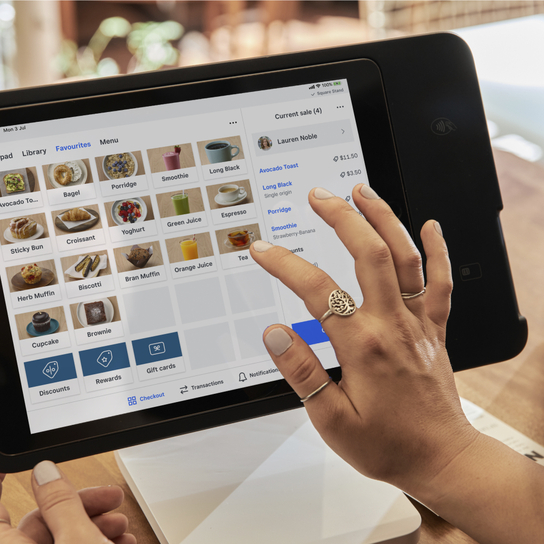
We use Square for Restaurants for the dockets, which makes it easy to control dish by dish, especially since we have a menu degustation including 11 courses. We can understand straight away what’s going on – when the first dish is gone, and which courses are away. It’s easy to understand for every single chef.
Square is very easy to use, and it is very important for us. It makes service smooth, and it connects the front-of-house and back-of-house teams.”
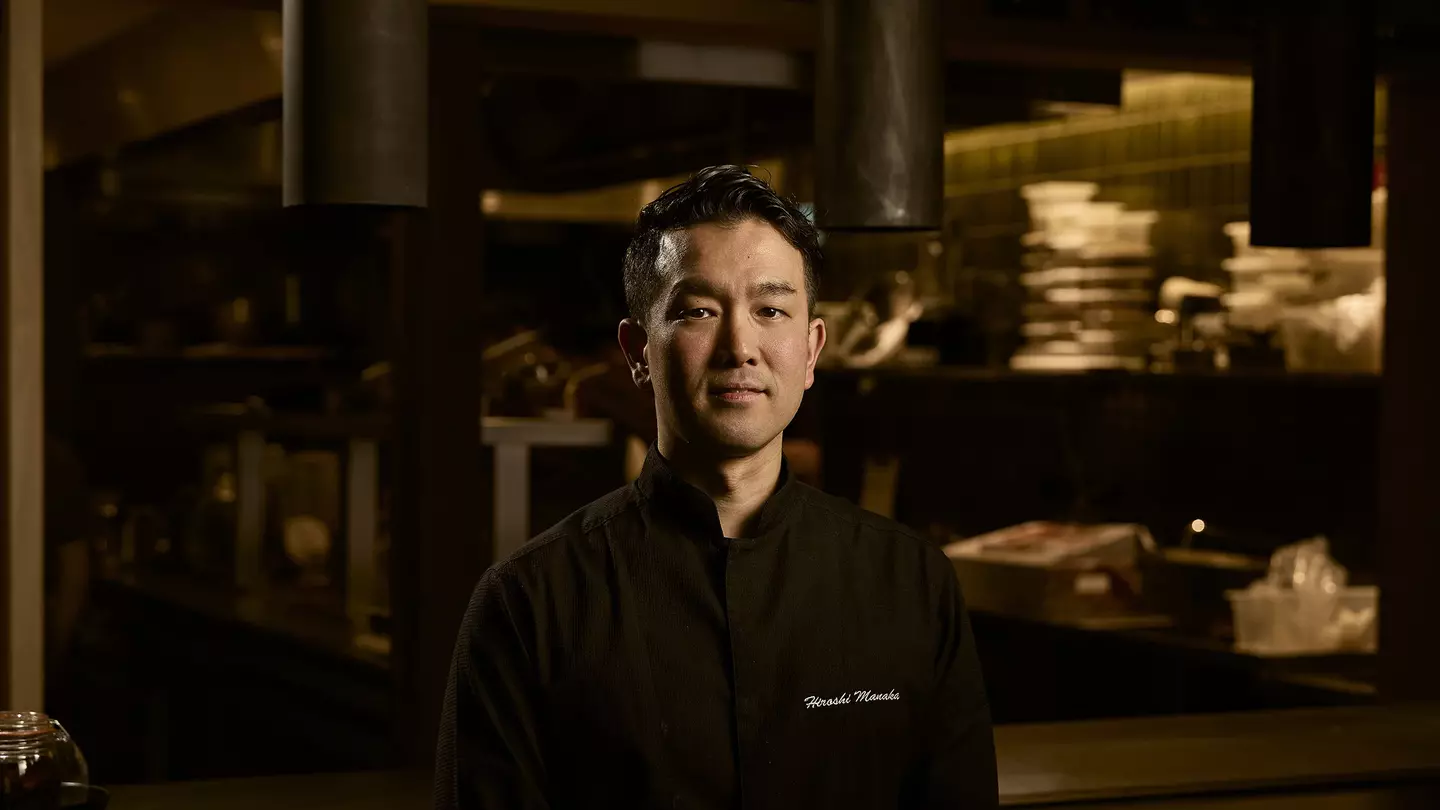
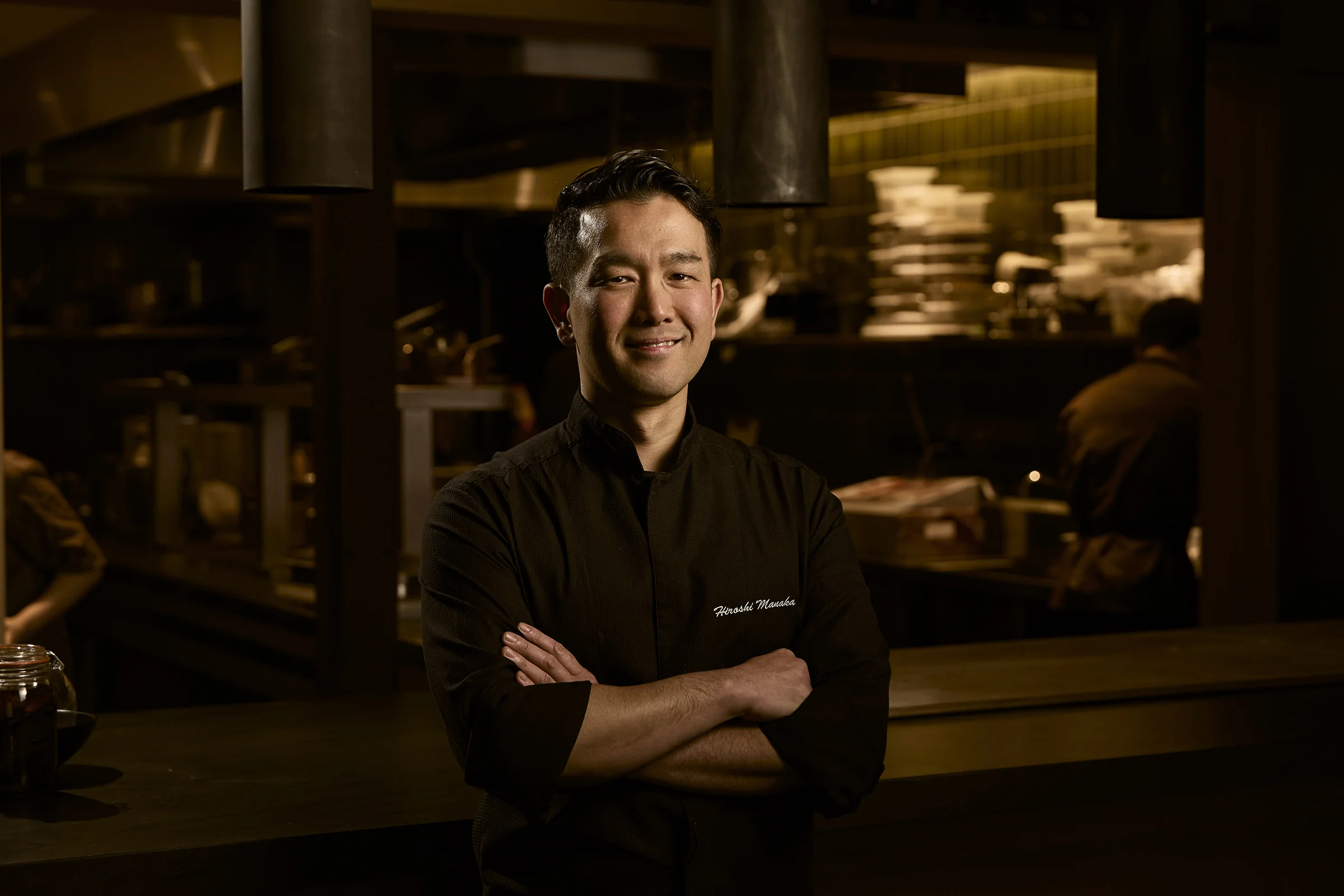
Hiroshi Manaka → Head chef, Five
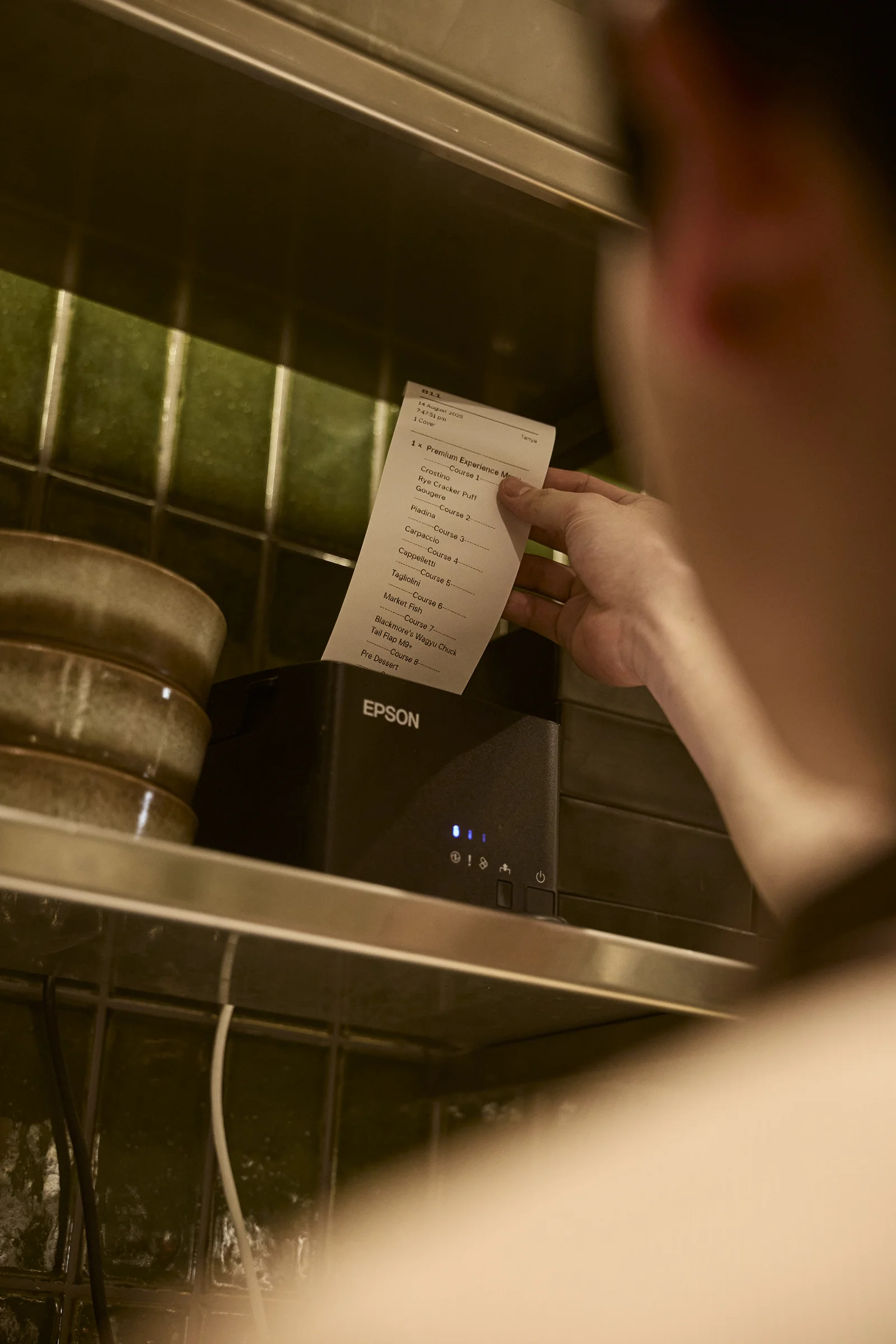
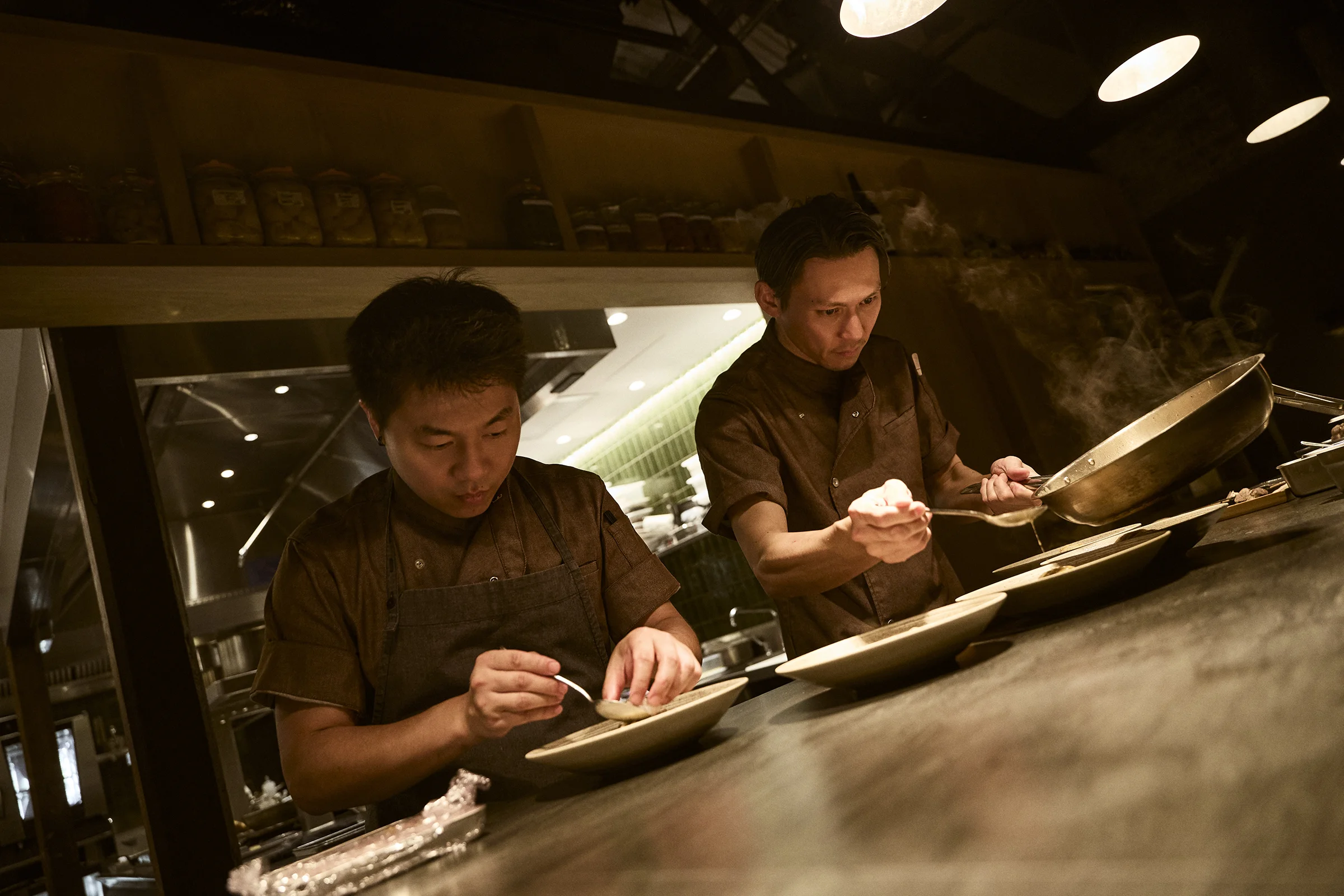
Communication between back-of-house and front-of-house teams is important. Every table has different requirements – someone might be pregnant, pescatarian, vegetarian, or celebrating an anniversary or birthday. We need to adjust the menu for these little details, or put a candle on a cake.
All our dockets can describe small details, like allergies, birthdays, anniversaries or other requests. So, instead of communicating during the service when it’s busy in the kitchen and at the front of house, it minimises the communication, and it’s easy to understand the customer and the table.
Honour every moment and detail
‘Be Maro’ is our concept at Prefecture 48. Its meaning in Japan is like ‘omotenashi’. Omotenashi means how to treat customers. It’s also how you create experiences and be more connected with each other. For special occasions, we provide a special dessert with candles. Most customers book for an anniversary, birthday or special occasion, so I want to help them celebrate with a memorable dinner.
For me, Be Maro applies to everything. Respect for the ingredients, respect for each other, for the chefs and the suppliers, and for everything related to service and every dish.
Craftsmanship is very important. Ingredients like fish and vegetables are the same ingredients as yesterday and today, but there are differences in size, colour and quality. When you fillet the snapper, today’s is a little bit smaller than yesterday’s. Every day, we’re improving and focusing on craftsmanship. In the kitchen, the chefs work very hard. Every dish has many components and details; we have to be dedicated and passionate to each dish.
So, I have learnt a lot of things – how to cook, of course, how to treat our ingredients, how to respect our ingredients and how to develop a menu. But I also learnt about leadership, how to manage a team, how to work with different people from different countries, how to manage a kitchen, and how to communicate with suppliers and teams.