

Table of contents
Restaurants and pubs are the heartbeat of many local communities – they bring people together, provide a place to eat and celebrate, and become mainstay businesses for many customers. As a small hospitality business owner, you’ll be aware of the importance of initially getting your brand name out there to kick-start this journey to becoming a community pillar. The goal is to create a place that is loved and valued by customers – but this isn’t an overnight process.
In this guide, we share practical restaurant marketing ideas and tips to help you attract more diners, build your reputation, and grow your business.
How do new customers find your restaurant?
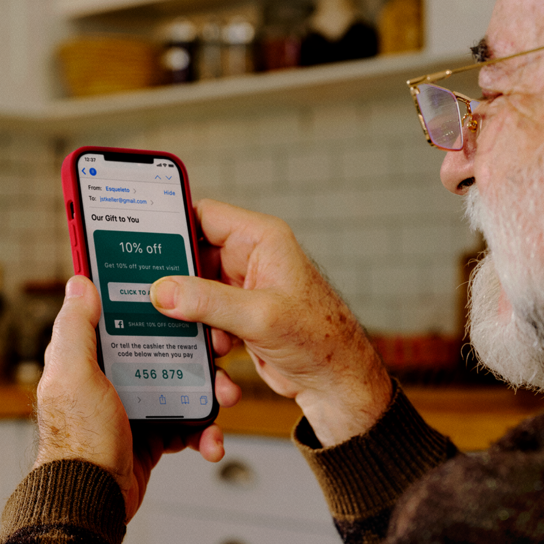
Diners today discover restaurants in a wide variety of ways, but simple word of mouth is still a key ingredient for success. In fact, research from trends consultancy Mintel identified recommendations from family and friends as the most powerful driver of visits to food outlets in the UK.
Diners are also looking beyond their immediate networks to their virtual ones for advice on where to eat and drink. Research from 2022 revealed that nearly half (48%) of consumers use social media to find places to eat and drink, and 33% use it to directly book tables or order takeaway. Platforms like Instagram, Facebook, and TikTok are not only digital shop windows for restaurants to showcase their food, interiors, and atmosphere; they have a direct impact on bookings and revenue.
Beyond social media and word-of-mouth, discovery also happens through successful local SEO (search engine optimisation) and review platforms. When people search ‘restaurants near me’ on Google, the businesses that appear in the top results with strong reviews and complete profiles are far more likely to win new customers. TripAdvisor, Yelp and other peer review-led directories also influence dining decisions.
Offline channels still matter too, even in the digital age. Eye-catching signage, flyers, or a presence at local events and markets can help attract good old-fashioned foot traffic. Press coverage, collaborations, and influencer visits can extend your reach even further.
Understanding that diners move between these different touchpoints helps you design a marketing strategy that meets them wherever they’re looking. For more insights, check out our guide on how new customers find your restaurant.
What is a restaurant marketing plan, and why is it important?
A restaurant marketing plan sets out how you’ll promote your business, attract new customers, and encourage repeat visits. It’s important because it gives structure to your marketing efforts, ensures your budget is used effectively, and helps you measure results over time to ensure you focus your efforts in the areas that offer the most potential.
What should a restaurant marketing plan include?
- Restaurant overview: A description of your business, including the name, location, service style and concept.
- Goals: Your restaurant’s marketing goals and the key performance indicators (KPIs) you’ll use to measure success.
- Mission statement: This is at the core of your restaurant identity, defining what your restaurant stands for and why it exists.
- USP: This is what makes your restaurant unique from its competition.
- Target customers: Define your target ‘personas’ – the people whose desires, values and needs most closely align with what your business offers – using this target market guide.
- SWOT analysis: Identify your restaurant’s strengths, weaknesses, opportunities, and threats. Learn more in this SWOT analysis guide.
- Branding: Brand identity and guidelines, such as tone of voice and logos.
- Pricing and positioning strategy: How your prices and offers compare with competitors and how you’ll position yourself against them. Learn more about pricing strategies.
- Marketing channels: A complete list of all digital and physical channels that you use or plan to use, with specific strategies for each.
Pub and restaurant marketing ideas
1. Social media marketing
Social media marketing for restaurants is a vital tool for any business type and size. Hospitality brands that aren’t active across multiple online channels, especially those new to the market, will be losing out on a huge amount of exposure to potential customers.
Platforms such as Instagram and Facebook are perfect for both keeping existing customers aware of your brand, offers, and events, while also marketing towards potential patrons. Social media is, first and foremost, a collaborative community.
As a local business, capitalising on user-generated content (UGC) is a fantastic way to increase engagement with your brand. This type of content is created by customers in relation to your business and could come in the form of reviews, photos, videos and more. All of this also acts as a ‘free’ advertisement for your business. Customers might be attracted by your own marketing efforts, but they are more likely to trust the experience of fellow consumers.
Tips for effective restaurant social media marketing:
- Post high-quality food photography: Hire a professional or partner with local creators to share enticing images of your food.
- Share behind-the-scenes content to humanise your business and make your team relatable.
- Highlight your ethics and values by sharing information on what you value, such as local sourcing and sustainability.
- Run giveaways: Offer prizes like free desserts, drinks, or even dinner, can drive engagement.
- Add food ordering buttons to Facebook and Instagram.
2. Offer loyalty programmes
Although your venue, atmosphere, food, and all the other great aspects of your restaurant are enough to entice many customers back, loyalty programmes are a concrete way of encouraging repeat business.
This restaurant marketing tactic inspires loyalty to your business and incentivises repeat custom by showing your customers that you appreciate them. Restaurant loyalty programmes can be easily integrated into your point-of-sale (POS) system with Square, meaning you can keep offers and customer information all in one place.
3. Integrate promotions and offers
Alongside your loyalty programme, being consistent with promotions and offers is also an important part of showing customer appreciation. If you are able, providing regular offers and discounts on food and drink are always a great addition to any business plan. For example, 2 for 1, buy one get one for £1, or even the ever-popular ‘happy hour’ can capture the attention of your customers.
You could also extend this to ‘special event’ offers. Don’t just consider Christmas – make it personal with discounts and freebies on customer birthdays too.
4. Leverage email marketing
Email marketing is one of the most effective ways to keep your restaurant top of mind. Unlike social media, where algorithms control visibility, emails land directly in your customers’ inboxes, making them a reliable channel for ongoing communication.
You can use email campaigns to:
- Announce new menu items or seasonal dishes to spark excitement.
- Promote special offers, happy hours, or limited-time discounts.
- Highlight upcoming events, such as live music nights or themed dinners.
- Share partnerships or collaborations, like guest chef appearances or local supplier spotlights.
- Celebrate your customers with birthday rewards or personalised offers.
Regular, well-designed restaurant email marketing campaigns keep diners informed, encourage repeat visits, and strengthen loyalty by showing you value their relationship. For best results, segment your email list (e.g., regulars vs. new customers) so messages feel more personal and relevant.
5. Collect reviews
Customer reviews are one of the most powerful tools for building trust and improving your restaurant’s visibility in local search results. Positive feedback not only influences potential diners but also builds trust and strengthens your local SEO by sending strong signals to search engines that your business is active and trusted. This can increase the chances of appearing higher for localised searches.
There are several practical ways to encourage reviews:
- Add QR codes that link directly to your Google or TripAdvisor review page to menus, receipts, or table tents , making it simple for customers to leave feedback.
- Ask in person – friendly reminders from staff at the end of a meal often result in more reviews.
- Follow up online with email campaigns or social media posts encouraging guests to share their experiences.
Asking for reviews is just the first step. You also need to respond promptly – thank people for positive feedback and address any negative reviews politely and professionally. This shows you value customer input and are committed to improving the dining experience.
Once you’ve gathered reviews, make sure you put them to work. Share glowing testimonials on your website, social media channels, and marketing emails to build credibility and showcase real customer experiences. Square makes managing and displaying reviews easier through integrated tools like Cloutly.

6. Create a website
A dedicated website gives potential diners a reliable place to learn about your restaurant and make decisions quickly. It’s often the first touchpoint in the awareness stage, providing easy access to opening hours, location details, booking options, and contact information. A website can also be an effective way to increase online orders for takeaways, or to manage reservations and encourage repeat customers.
Your restaurant’s menu is usually the most visited page, so make sure it’s kept up to date and formatted for search engines. Avoid uploading PDFs, which are harder for Google to read, and instead publish menu items directly on the site to support SEO. A clean, visually appealing layout with simple navigation also helps customers find what they need – whether that’s directions, dietary information or an option to book a table.
7. Optimise local SEO
There’s much more to online restaurant marketing than social media channels. Your website, blog, email marketing, and SEO strategies are all vital building blocks in your overall marketing plan. As a local business, a consistent presence across multiple channels is a necessity. This means ensuring that your SEO processes ensure you’re visible on local Google searches and recommendations.
One of the most effective steps is optimising your Google Business Profile. Keeping details like opening hours, contact information, menus and photos accurate and up to date increases your chances of appearing in ‘restaurants near me’ searches and on Google Maps.
Maintaining active profiles on platforms such as TripAdvisor, Yelp and other relevant directories can also further boost your visibility and improve the likelihood of appearing in top search results.
8. Leverage online ordering integrations
Online ordering integrations aren’t just about convenience – they can also play a key role in your marketing plan. By connecting your reservation and ordering systems, you gain access to rich customer data: what people order, how often they visit, and how much they typically spend. This insight makes it easier to tailor promotions, design targeted campaigns, and create events that resonate with your diners, turning data into actionable marketing opportunities.
9. Invite local food bloggers and influencers
Staying aware of trends is something that influencers do best, and something that all businesses should use day-to-day. Make the most of others’ social media reach by inviting well-known and local food bloggers and influencers along to events, or just for an evening.
They will produce vital and well-presented UGC content and will be trusted as an external reviewer by your wider customer base. This tactic also helps situate your business as a local mainstay, especially for foodies!
10. Partner with other businesses
Fellow businesses should be regularly observed and learnt from – they’re technically your competitors, after all. However, collaborating with other brands is also a great way to attract customers and build community. Think menu collaborations, special dishes and drinks that are only available for a certain amount of time. Could you team up with your local bakery to provide a special dessert menu? Or perhaps you could lend some of your own services to pop-ups and food vans in your local area?
Pop-up locations are an effective way to introduce your food to new audiences. By joining local events, markets or festivals, you can showcase your menu to customers who may not have discovered your restaurant otherwise. It’s important to choose events that align with your service style and concept – for example, a fine dining restaurant might partner with a wine festival, while a casual eatery could join a street food market. Collaborating with other hospitality businesses, such as teaming up with a nearby pub or bar for a one-off event, can also create buzz and strengthen your local presence.
11. Partner with delivery services
Delivery platforms like Deliveroo and Uber Eats make it simple for customers to enjoy your food from home. Partnering with these services can significantly expand your reach, especially among diners who prefer the convenience of online ordering.
Before signing up, it’s important to think about the type of food you serve and whether it travels well. Dishes that lose quality in transit may not leave the best impression, so focus on items that maintain their flavour and presentation when delivered.
You’ll also want to consider how delivery fits with your service style – whether your restaurant is a casual spot best suited to quick meals, or a higher-end venue where takeaway is an extension of your brand. Aligning online ordering with your overall brand positioning ensures customers have a consistent experience, whether they’re dining in, collecting, or ordering to their door.
12. Create a marketing campaign
You already know the power of social media, but this tool is far more effective when part of a structured marketing campaign. Start by deciding which of your products or services you want to highlight – whether that’s a new menu launch, a seasonal event or a partnership – and build a cohesive campaign across multiple channels to entice people through your doors.
For example, you could launch a ‘Summer Flavours’ campaign with a limited seasonal menu featuring fresh, locally sourced ingredients. The campaign might start with teaser posts on Instagram and Facebook, followed by an email newsletter announcing the launch date and inviting subscribers to book a table. You could partner with a local brewery to create a special summer drink, run a giveaway offering a free dinner for two, and invite a few food bloggers to preview the menu. Throughout the campaign, staff could encourage diners to share photos of their dishes using a branded hashtag, generating user-generated content to amplify reach.

Restaurant marketing FAQs
What is the best marketing strategy for restaurants?
The best marketing strategy for restaurants is an integrated approach that blends a strong online presence with outstanding in-person customer service. Focus on multiple channels such as social media, local SEO, email campaigns and an optimised website, while fostering brand loyalty and positive restaurant reviews to attract diners and encourage repeat visits.
How do I attract customers to my restaurant?
Attracting customers starts with getting the basics right – delicious food, a welcoming atmosphere, and attentive service that makes people want to return. From there, marketing can help you reach new diners and stay visible in a competitive market. Optimise your Google Business Profile, keep your social media channels active, and encourage satisfied customers to leave reviews. You can also grow your audience by running promotions, introducing loyalty programmes, and partnering with other local businesses or delivery apps.
How can you make a restaurant go viral?
Restaurants usually go viral when they create something that grabs attention and gets people talking. This could be launching a bold new dish, revealing a secret ingredient, or tapping into TikTok trends with content that sparks curiosity. Influencers often play a big role too – when they showcase your food, it can quickly drum up awareness and bring in new diners.
Encourage user-generated content by prompting customers to film their experiences, or have your own staff try new menu items on camera. Reaction videos, behind-the-scenes clips, and playful experiments are the kind of content that spreads fast, especially when it feels authentic and entertaining. The goal is to turn heads and give people a reason to share your restaurant with their followers.
There’s a wealth of restaurant marketing tactics ready and waiting for you when it comes to finding ways to attract and retain customers. Whether you’re new to the industry or not, these tips will help you enhance the customer experience and run your business seamlessly – before people even step through the door.