

Table of contents
Hospitality is the name of the industry, but it’s also a promise to customers. It’s a commitment that both your stomach and your heart will feel fuller when you leave than they were when you walked in.
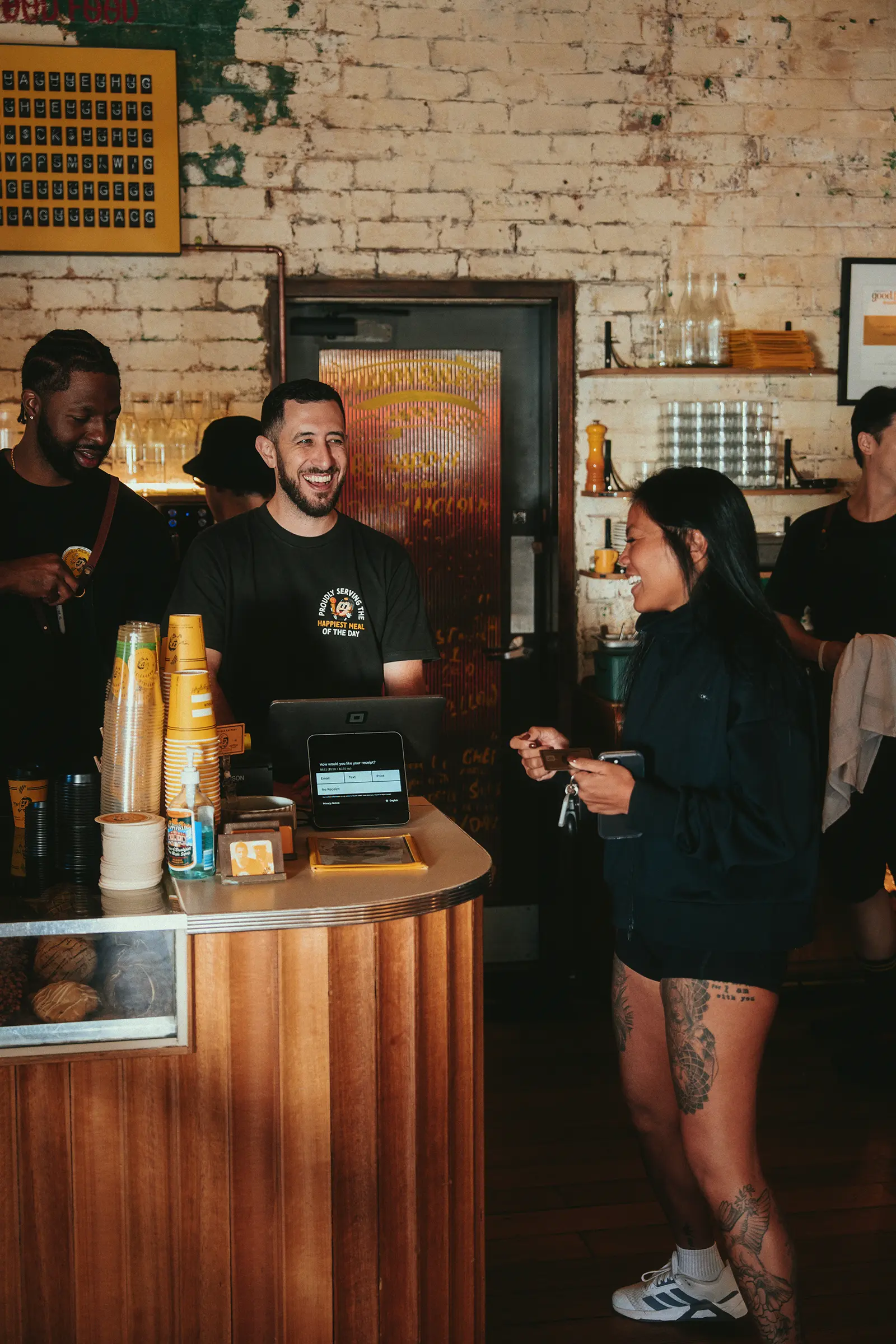
And Chris Theodosi and Jesse Orleans, the owners and founders of smash-hit Sydney cafés Happyfield and Happy Shop, are committed to upholding that pledge for every customer that walks through the doors.
“We want them to leave happier than when they came,” Theodosi says. “Feel the happy, jolly vibes, the warmth and friendliness.”
“Making sure they want to tell their friends and their family about how good a time they had at Happyfield,” Orleans says.
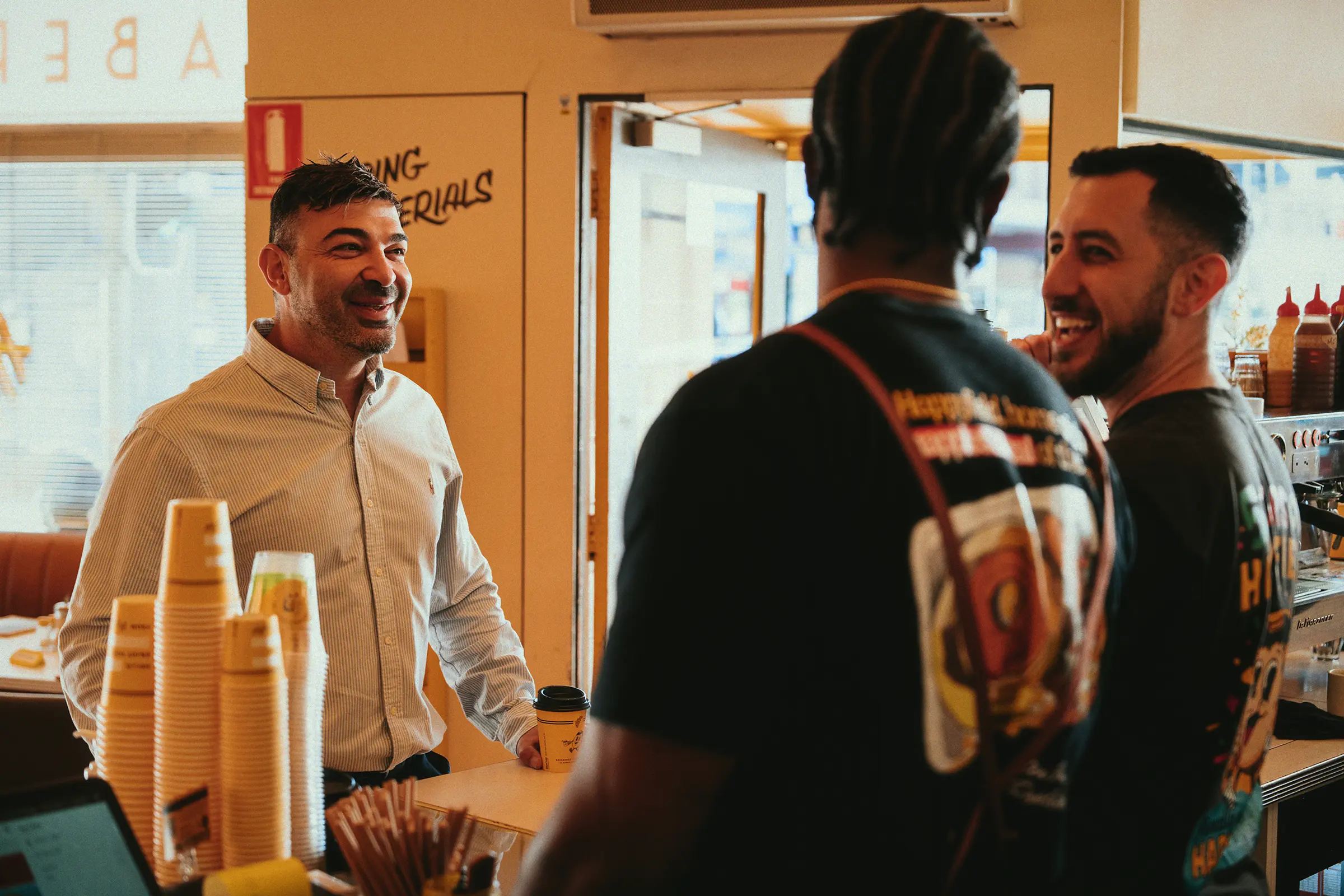
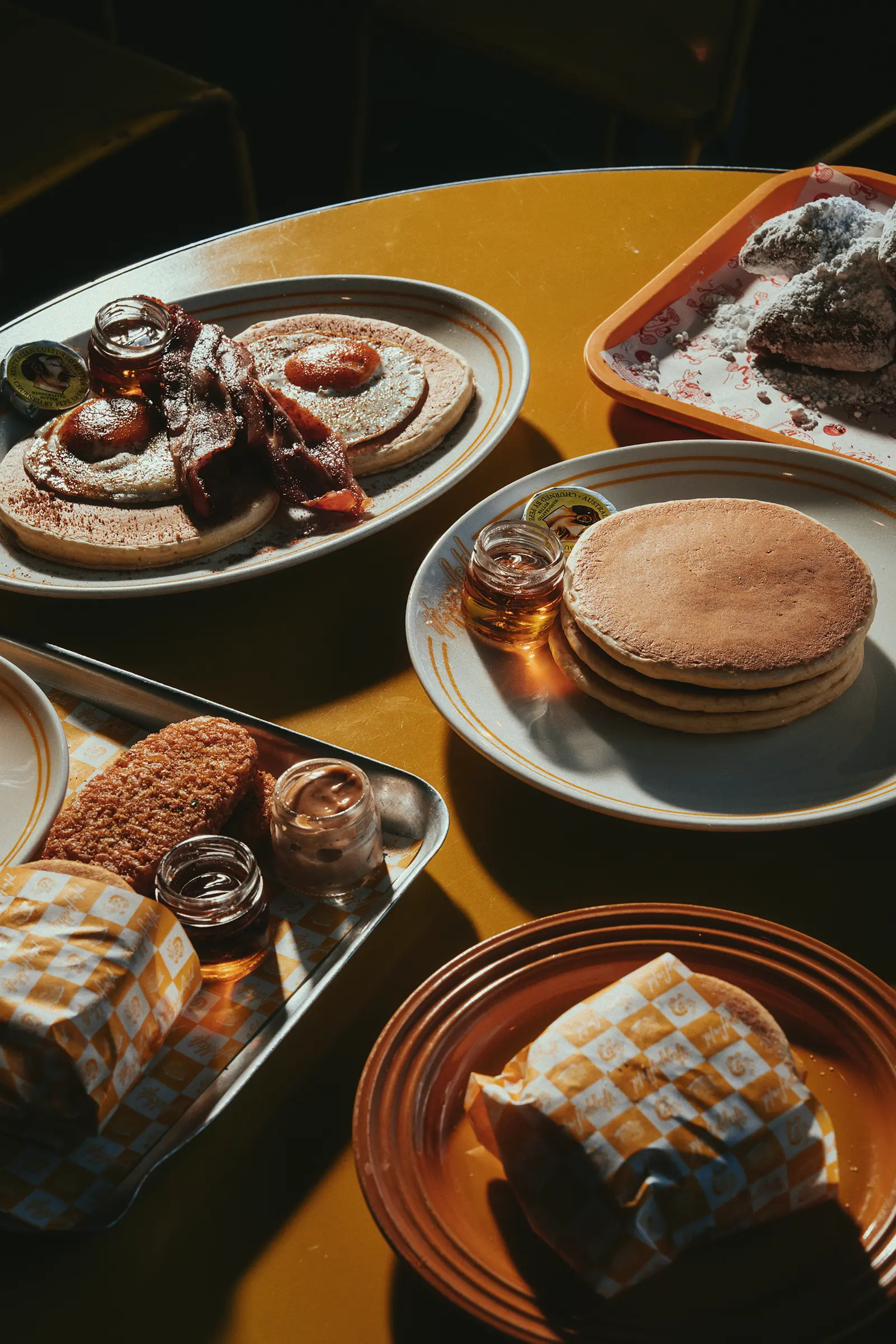
A lot of those good times are rightly attributed to the quality of the food – from the pancakes and brekkie muffins at Happyfield to the beignets at Happy Shop – but warm, immaculate service is the glue that keeps the whole thing together. It’s what’s made Happyfield so much greater than the sum of its parts and turned it into one of Sydney’s modern café classics.
These are the service principles that Orleans and Theodosi have been deploying to their customers and instilling in their team for over five years. Nailing them will make everyone happy.
Sydney's Happiest Diner
First impressions matter
Service has to start the moment a customer enters the venue. It sets the tone for everything to come.
“Someone needs to be there within seconds to greet them,” says Theodosi.
“I always say it’s like a sushi train where it doesn’t matter if someone’s in your section or not, every single staff member is going to say hello and goodbye.”
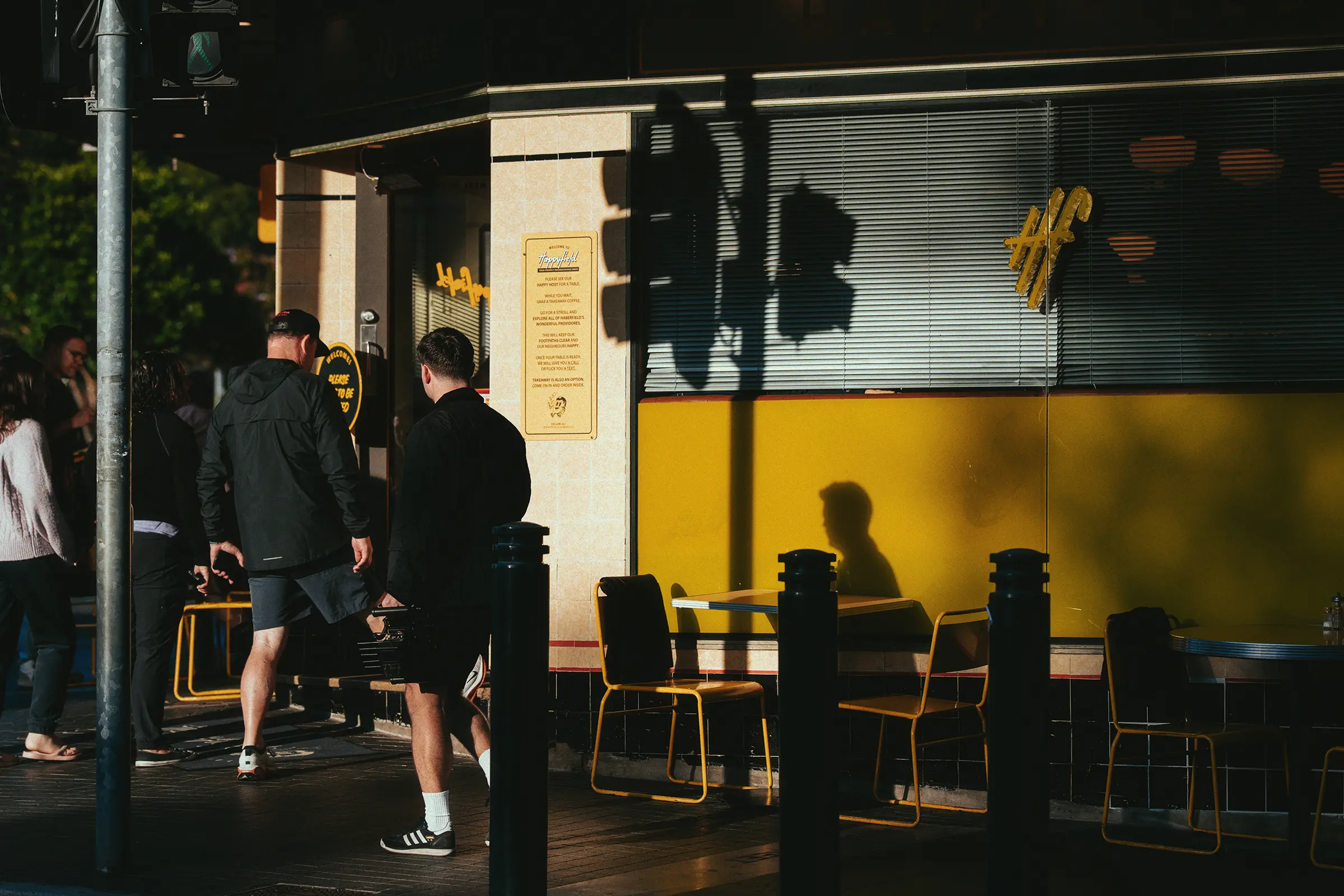
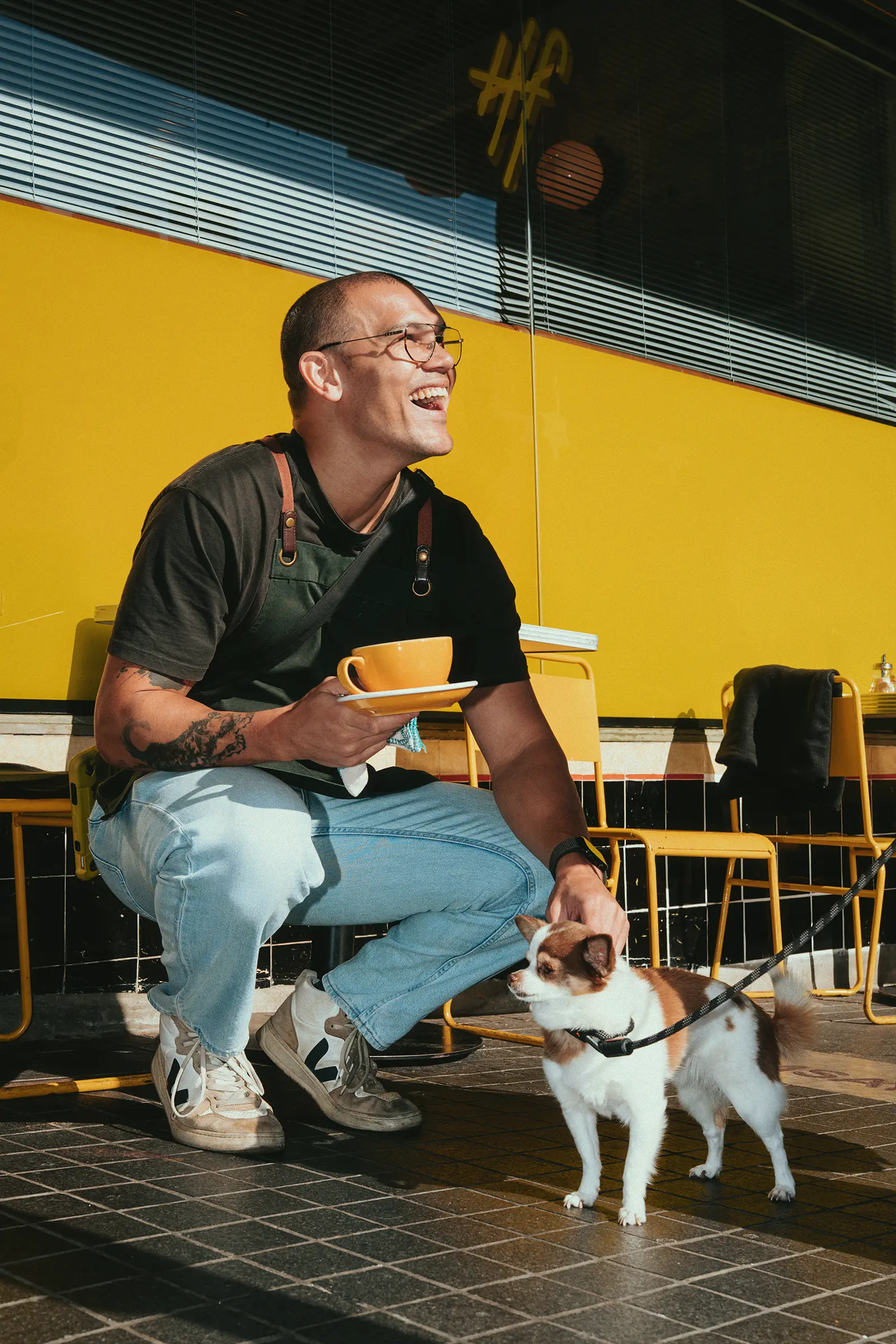
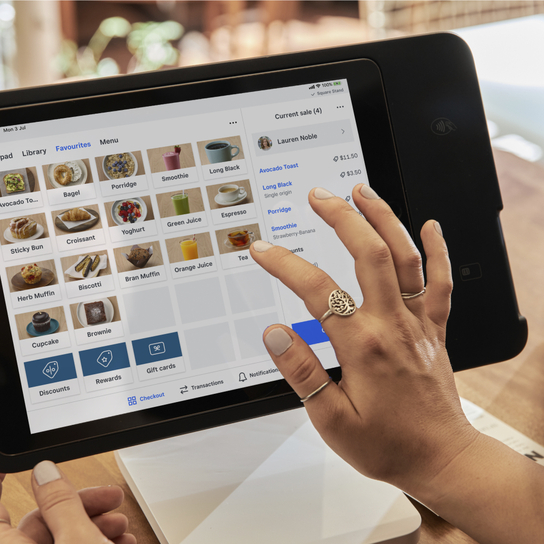
“As soon as they get here, they’re greeted with a smile,” Orleans says. “They have all the information they need, they’re not just waiting around, looking around – not leaving them hanging out on a doorstep for two, three, minutes.”
Happyfield has been slammed with customers since day dot. And while it’s a nice problem to have, it creates a lot of chances to disappoint people and sour them on the place before they’ve even entered.
Which means that sometimes good service is setting up a venue in such a way that people can be served well – more tables, greater capacity, more hosts at the door, more ways to book. Even more places to go.
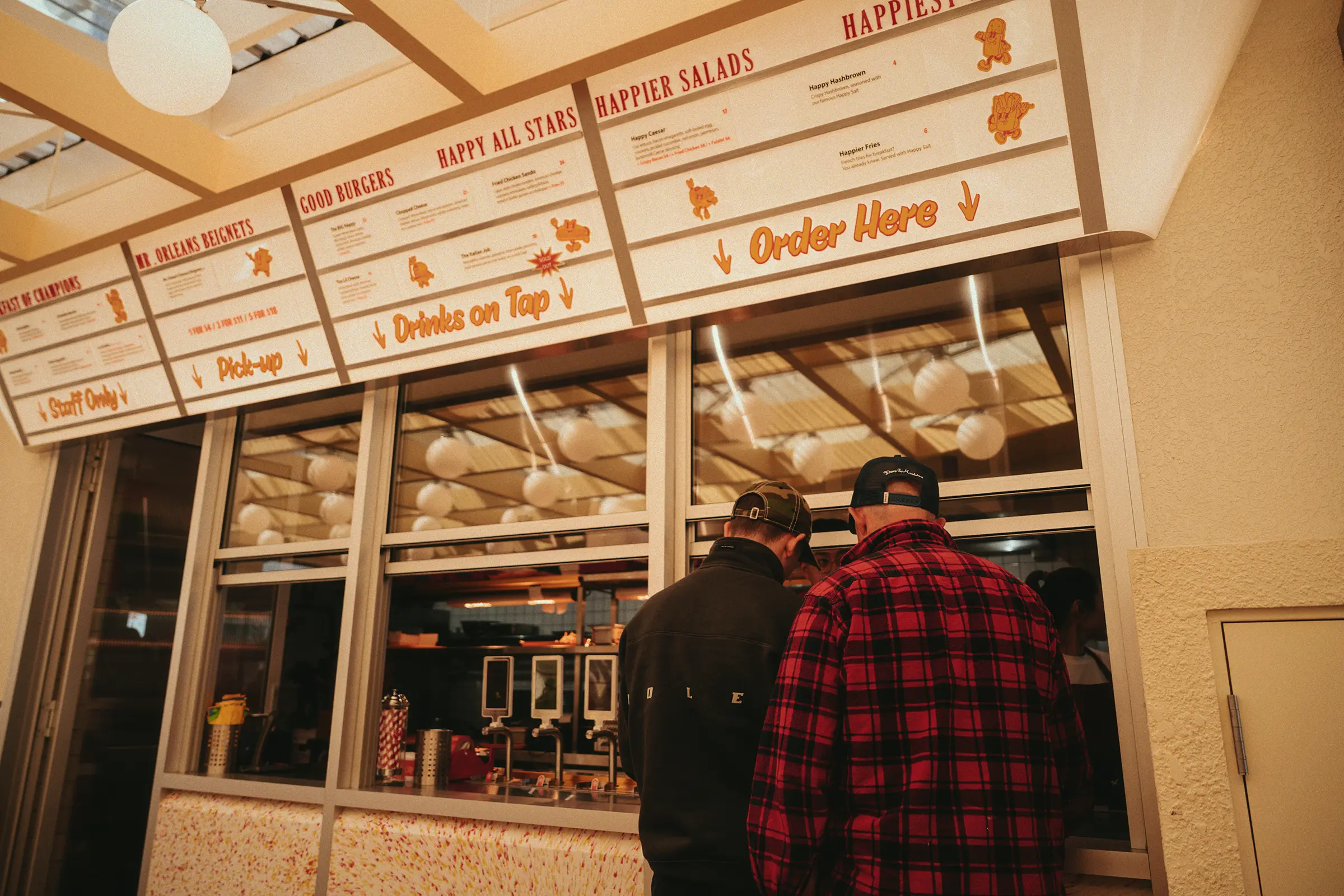
That was the thinking behind opening Happy Shop, a few doors down; to have somewhere customers on the wait list could visit while their table’s getting sorted. A spin-off that’s a destination in its own right.
If someone’s driven an hour to come to Happyfield, and you’re the person that has to tell them it’s a two-hour wait, it’s not fun. By expanding in the one suburb, on the one street, we’ve made it a better experience for everyone that’s visiting us.”
Chris Theodosi → Co-founder, Happyfield
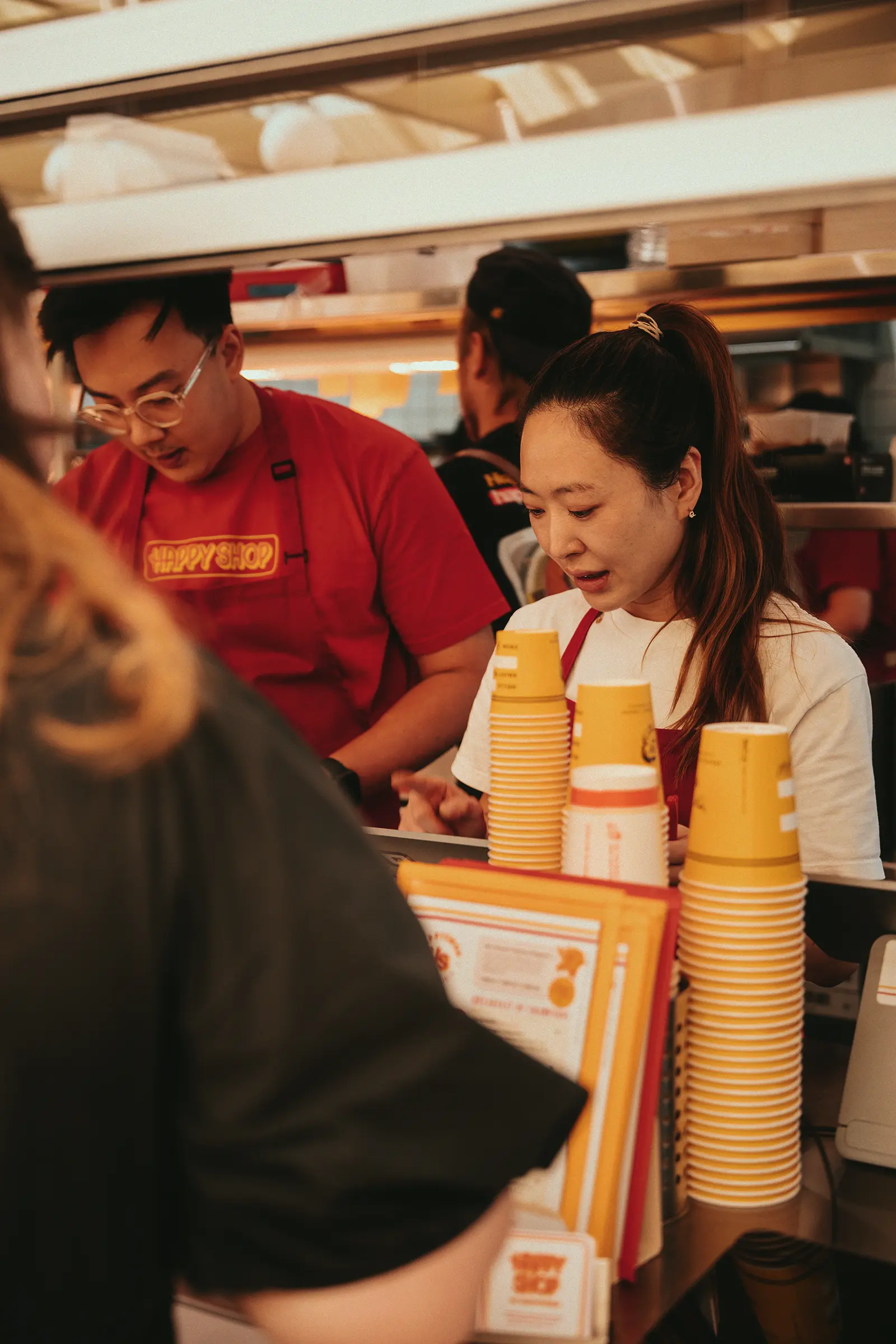
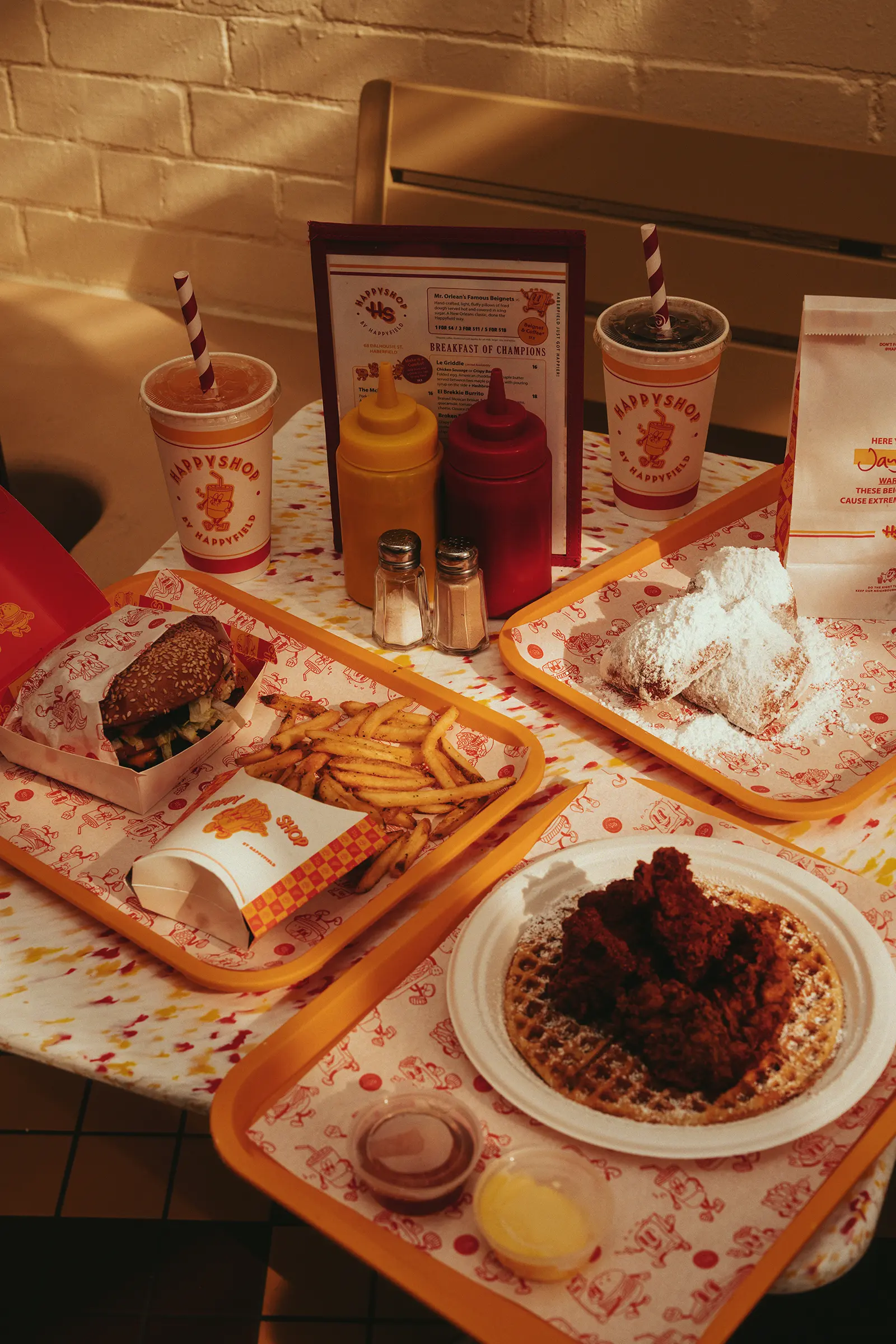

But last impressions are just as important
A whole turn of a table can be ruined if you rush your guests out the door – or make them feel like they’re being rushed.
There’s nothing worse than going to a venue and feeling like the staff don’t want you there.”
Chris Theodosi → Co-founder, Happyfield

The key to making sure that customers leave voluntarily, gracefully and expeditiously is to provide steady good service throughout the experience.
“Just following the sequence of service,” Theodosi says. “If you’ve ticked all the boxes and you’ve given them great service from start to finish, it makes it less awkward to be like ‘Hey guys, I’m really sorry, if there’s nothing else you need, I kind of need to get the table back: we’ve got an hour-and-a-half wait list at the moment.’”
“They’ll understand it more,” Orleans says.
By looking out for them throughout, they’ll want to look out for you by leaving when it’s time.
Never say no
“No is not in our vocabulary,” says Theodosi.
Being accommodating is the whole philosophy that underpins Happyfield and Happy Shop.
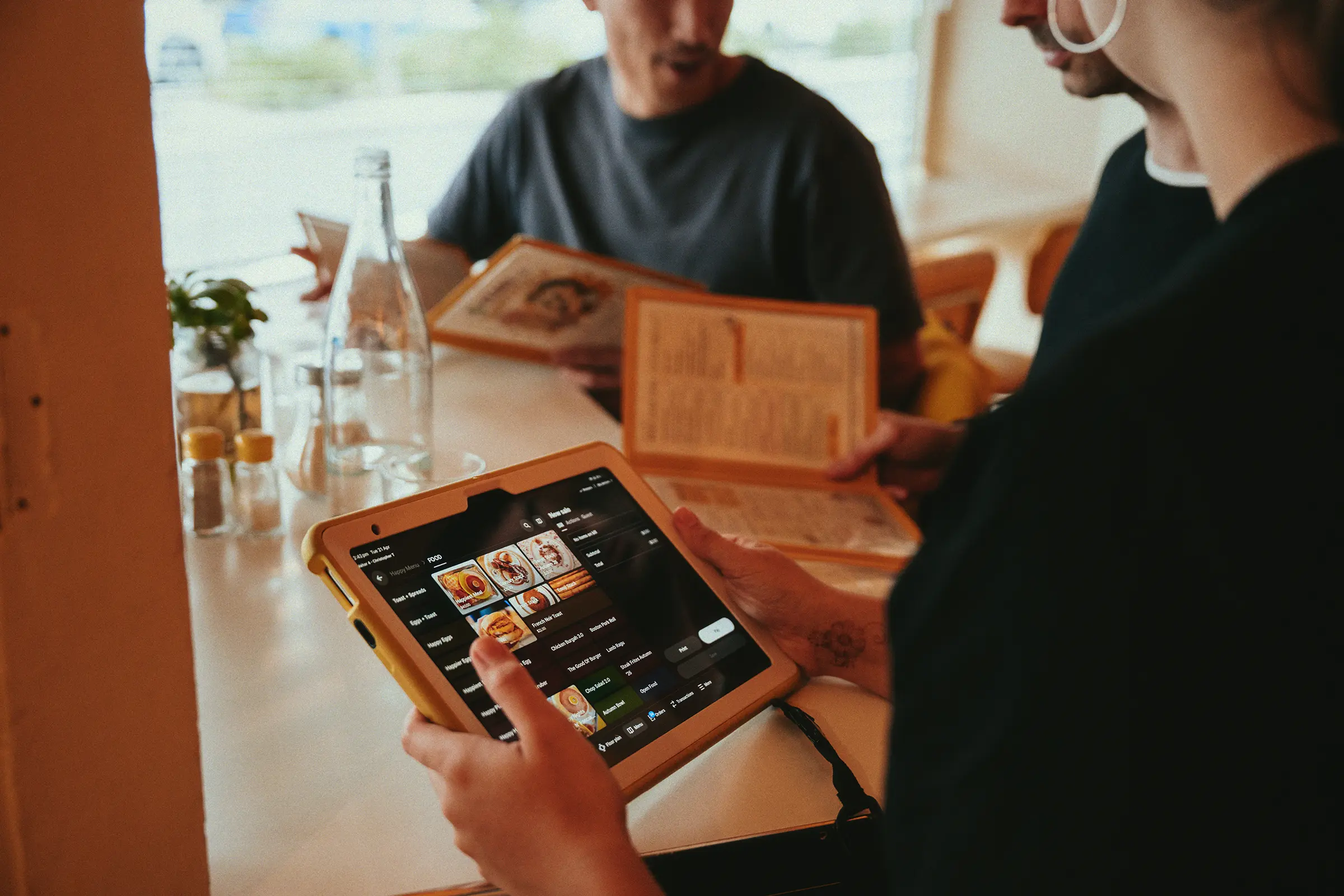
That spirit shows up everywhere: from the tight office space that’s often crammed with prams brought by guests, to the menu – where modifying is welcomed, not discouraged.
“Every dish we build, we have removals and modifiers,” Theodosi says. “If it can be done, we’ll do it.”


Failing to plan is planning to fail
Theodosi and Orleans can’t be everywhere – Happyfield and Happy Shop’s food and service depends on the performance of its 50-plus team members.
“It’s a well-oiled machine at this point, for sure,” Theodosi says.
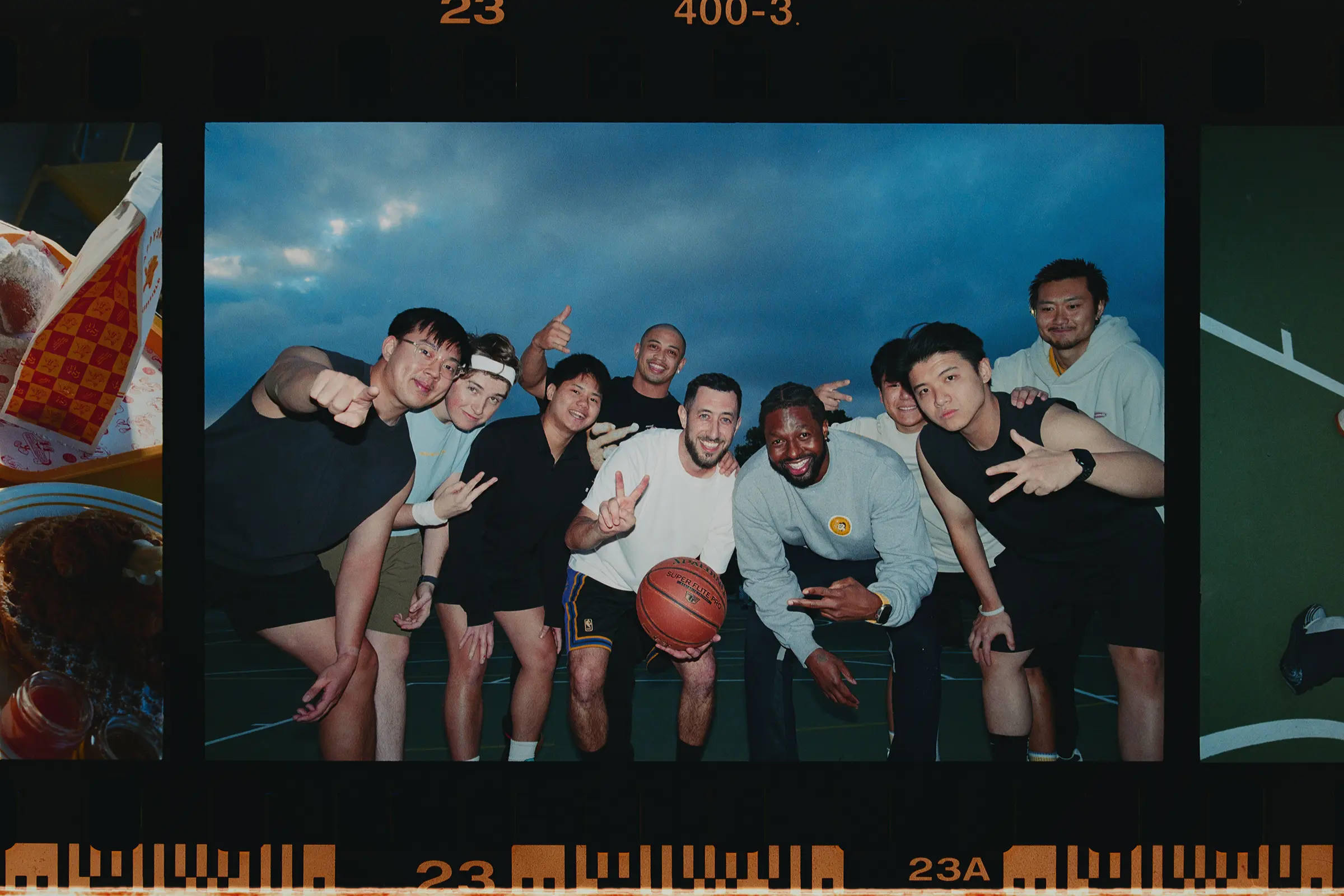
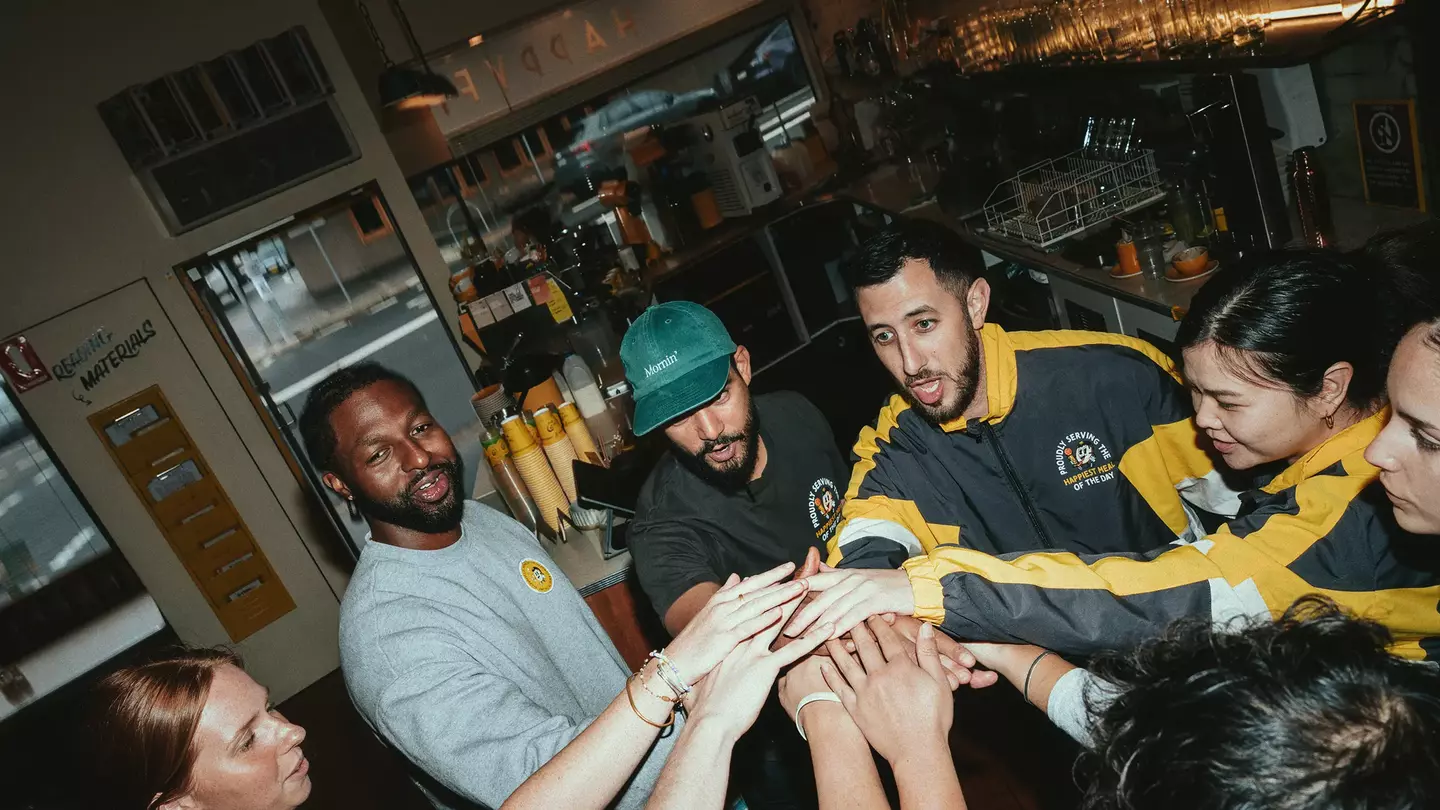
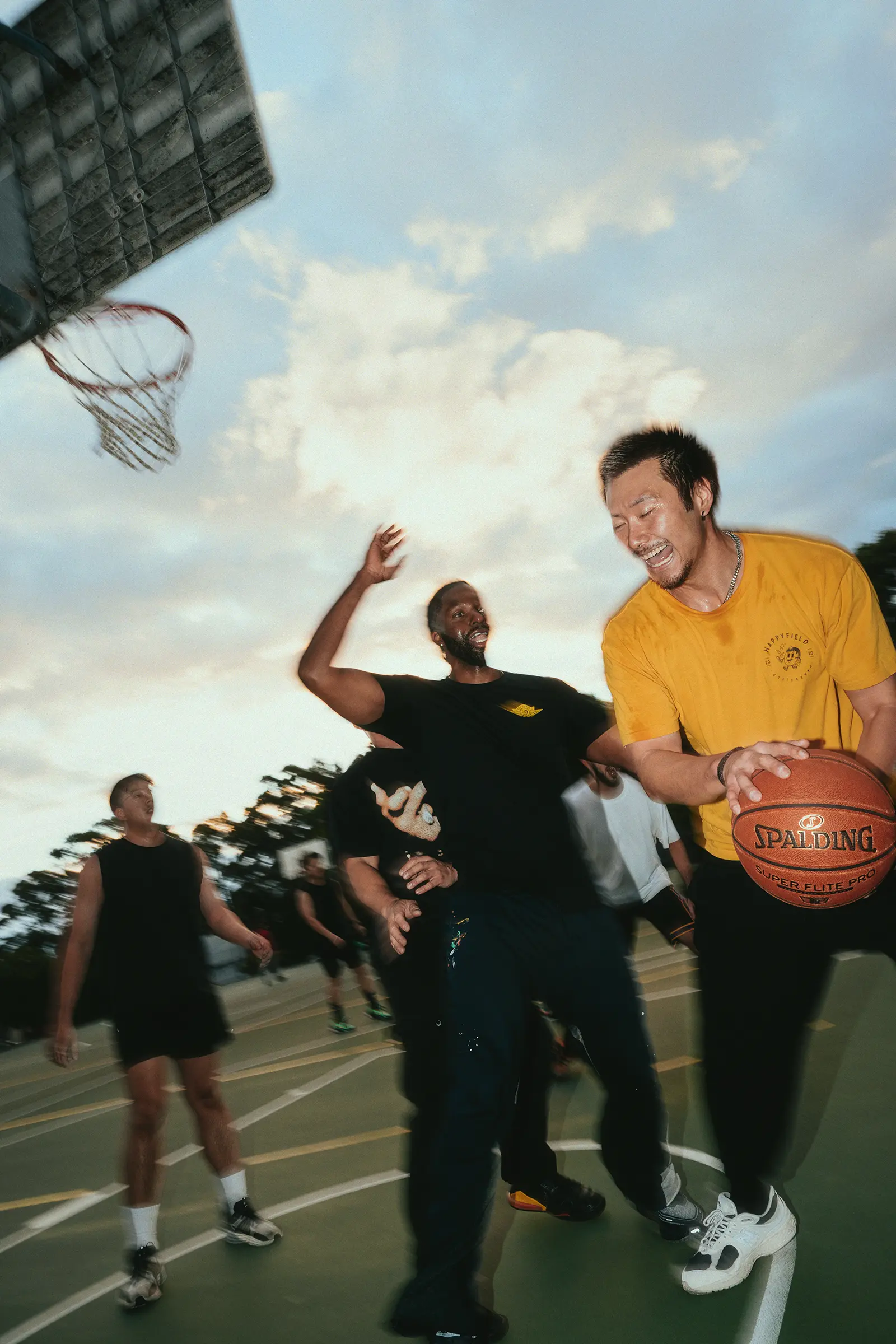
And it got that way thanks to Theodosi and Orleans’ shared love of basketball. Every day gets treated like a basketball game. Starting with the team huddle.
“You wouldn’t kick off a basketball game without a pep talk and a huddle,” Theodosi. “It’s about working out the game plan for a day – we don’t kickstart the day without that briefing, we did one and it was a really bad day of service.”
“So we always sneak in that briefing no matter what.”
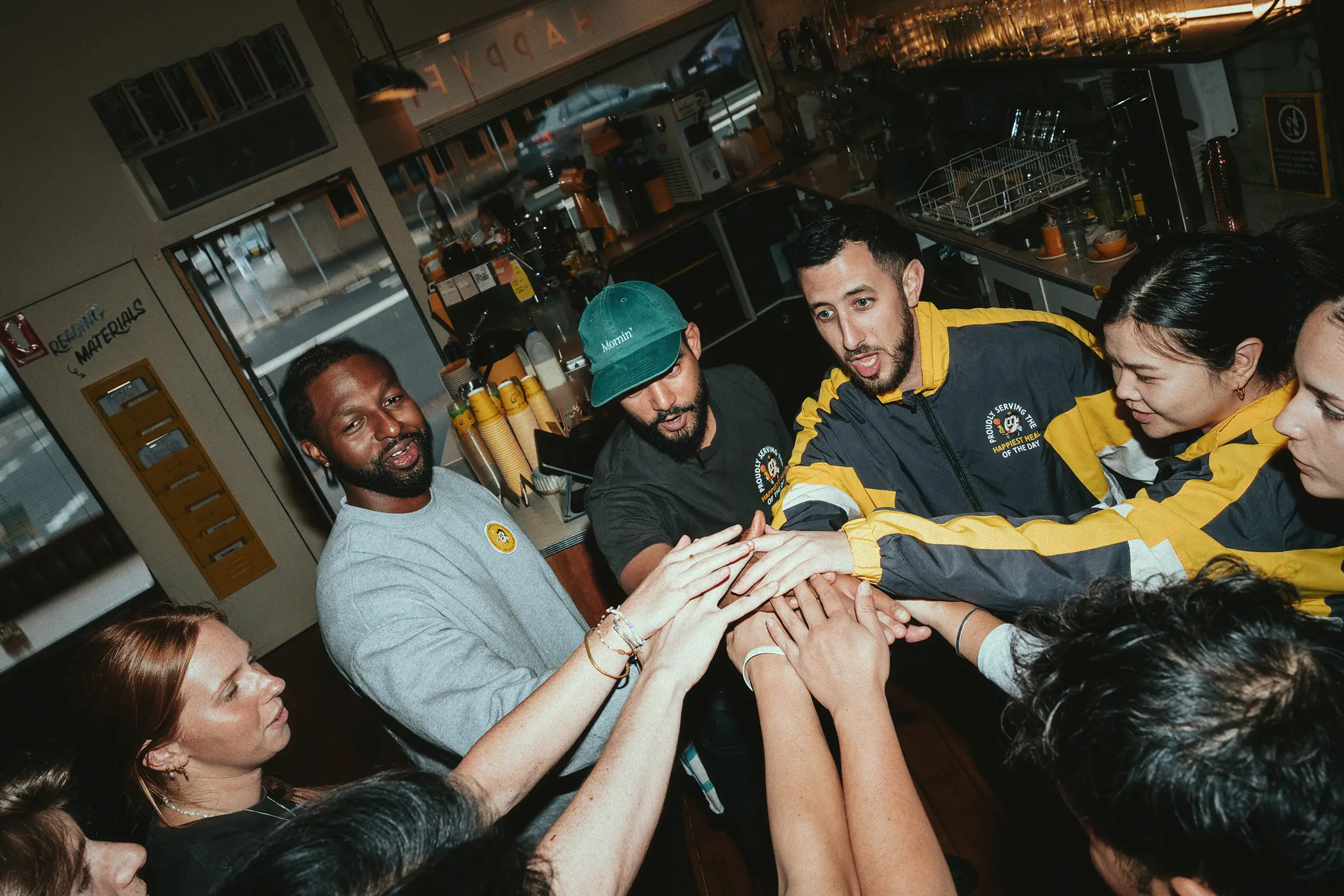
The huddle has a few purposes. It’s an open forum, where staff members can bring to the floor anything that’s troubling them – from challenges in previous services to the sting of an unfair online review. But it looks forwards as well as backwards. What are the birthday bookings for that day? The special occasions?
“It’s a good opportunity to kickstart the day and nip any problems in the bud,” Theodosi says. “A chance to improve on a day-to-day basis.”
Service is a team sport
Good service for the customer starts with good treatment for the team.
“If you’re not treated well as a staff member, it affects your work and the way you treat other people,” says Orleans. “So then the customer is affected, and when the customer is affected that affects your business because then they’re not coming back – it’s like a domino effect.”
First and foremost, that comes via mutual respect.
“Chris and I just like to treat our staff the way we want to be treated,” Orleans says. “Be polite, be kind, be nurturing – and let them be who they are.”
It’s important for them to bring their own personality, their own way of thinking, their own way of doing things.”
Jesse Orleans → Co-founder, Happyfield
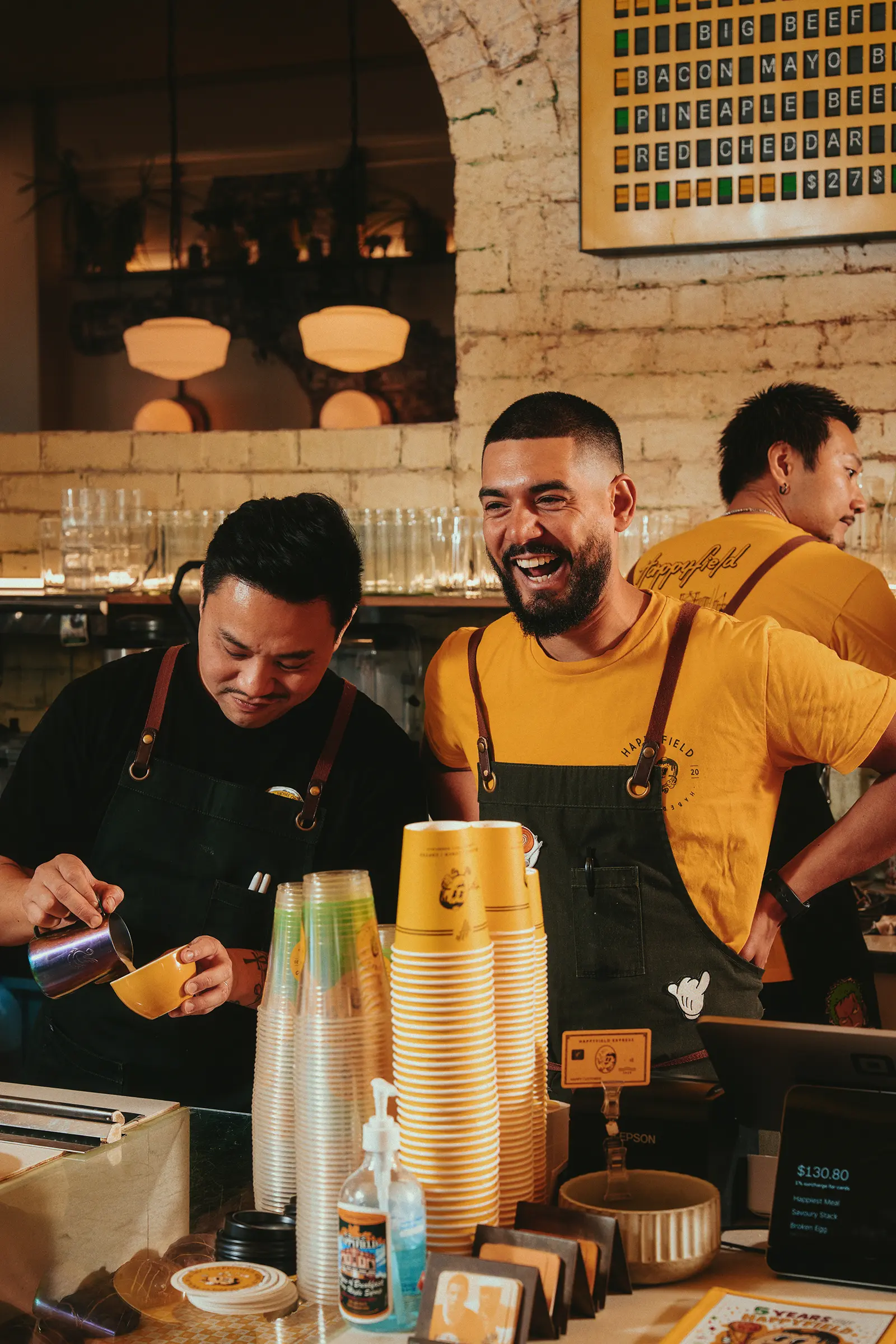
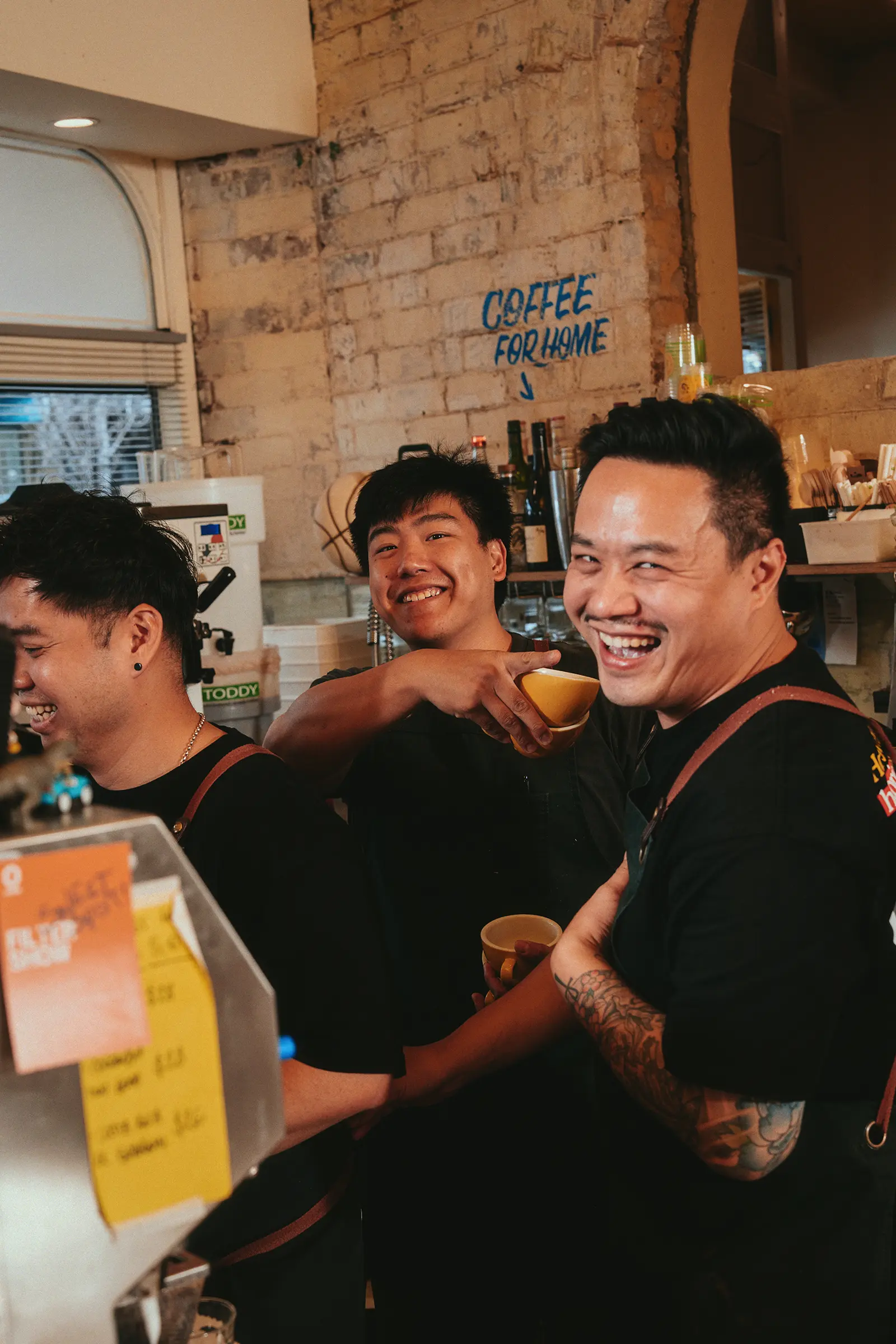
After that culture’s been created, it’s all about reinforcing it through proper recognition – vouchers, employee of the month schemes, even custom Happyfield-yellow sneakers as gifts. That naturally leads to hang-outs and team dinners outside of work. And even a few friendly basketball games.
By looking after their team, Theodosi and Orleans are looking after their customers.
“Our team pass on that energy and the happy vibes,” Theodosi says. “If they’re not happy, the customers will definitely feel it.”
Make your customer’s visit special
When someone decides to visit your venue, it means they think your business and its services could make them feel good. Orleans and Theodosi are steadfast about honouring their customers’ choice to choose them over others somewhere else.
“You don’t know what someone’s going through outside Happyfield,” says Theodosi. “At least when they come here, and step into our realm, it becomes a happy vibe, and hopefully cheers you up a bit.”
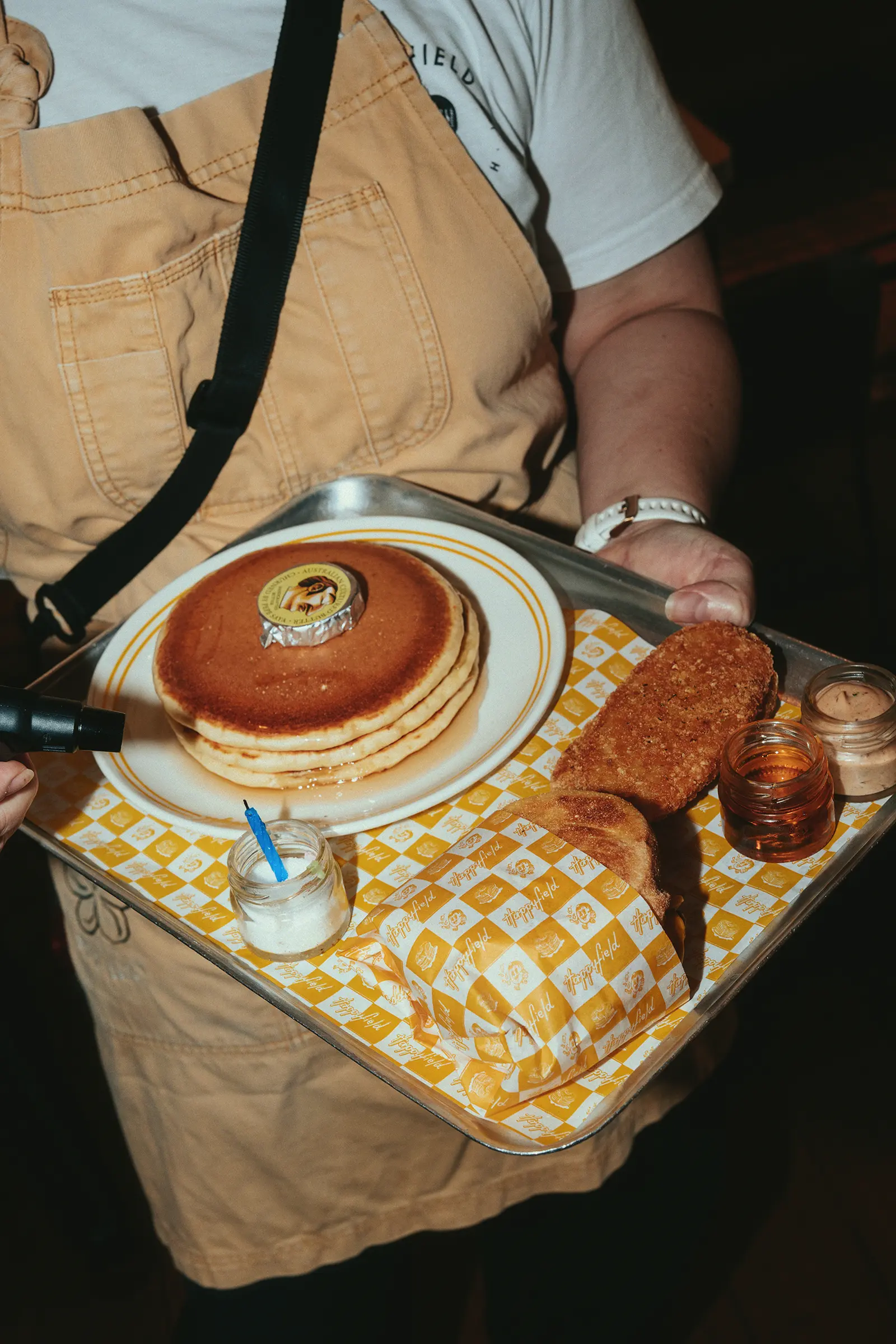
The pancake stacks and beignets might be what gets a customer to visit for the first-time, but it’s the service – and the feeling it gives you – that’s kept them coming; turning visitors into loyal regulars.
“Some people are coming for their morning coffee, some are here for a birthday, or it’s their first time from interstate,” Theodosi says. “So you just need to make sure you create a warm and happy experience for everyone, because you can literally be the highlight of someone’s day.”