




Table of contents
TL;DR
Aussies are trading big splurges for small, premium-feeling treats and it’s a durable behaviour you can design for.
To win: price for every day, lock in a couple photogenic signatures, share the deliciousness on social (and make sure your product matches it in-store), show and tell your craft, and reward frequency.
Track what matters: add-on attach rate, repeat purchase within 14 days, average fulfilment time.
A cultural shift is underway in Australian dining. As cost‑of‑living pressures reset household habits and investing in a long-term future feels more and more uncertain, consumers are choosing small, mood‑boosting moments to lift their spirits. Even though discretionary spend is tight, quick food occasions are holding up and even thriving. Coined the ‘little treat’ or ‘affordable luxury’, these destination goods are bespoke, crafted and priced accordingly, but they punch above their weight in joy and shareability. In other words: less quantity, more quality.
This is good news for hospitality operators. It’s not a fad to chase; it’s a durable consumer pattern you can design for: in your menu, space, content and systems.

What is the ‘little treat’ economy?
It’s not a product category, it’s a purchase pattern. The ‘little treat’ economy describes customers choosing small, premium-feeling moments that fit into everyday routines and feel worth it on their own. The value equation is simple: high feeling, low friction: a quick, crafted experience that’s easy to say “yes” to.
How it works (in practice)
- Occasion > size. The “why now?” (micro-celebration, reset between tasks, quick meet-up) matters more than portion.
- Perceived craft. A clear point-of-difference (technique, texture or story) signals care and justifies a slightly higher price than the basic version.
- Fast path. From noticing to enjoying in minutes: easy ordering, quick build, clean hand-off.
- Repeatable by design. It’s enjoyable today and easy to come back for tomorrow — no heavy commitment, no long wait.
Five shifts shaping the little treat economy
1) The price of a good feeling
Booked dinners and drinks are still a thing, but consumers are celebrating small wins or meeting up over smaller but still special experiences. The ‘little treat’ can be between‑meal, a daily ritual, or a short stop for a drink – a quick feel-good hit that feels special yet affordable. For operators, that means packaging joy at a price point that elevates it beyond its more basic version but is still affordable.
Operator moves
- Price for weekdays. Set your hero treat at a weekday-friendly price (but at the premium that your product warrants).
- Build micro-upgrades. Offer $1–$3 add-ons (extra shot, dusting, dip, crunch) that lift perceived value.
- Bundle smart. Pair “treat + small drink” at a psychological threshold (e.g., under $15) to lift average order value.
- Feature the feeling. Name and describe for emotion and occasion (“after-school bite”, “train-home pick-me-up”), not just ingredients.
- Measure: add-on attach rate, repeat purchase within 14 days, gross margin per unit.
There’s often this idea in the franchise world: things need to either be a bargain or a treat. And I think that it hits the dopamine receptor.”
Bradley Wynne → Co-owner, Slowpoke Lounge & Lookout

2) Modern flare and flavours
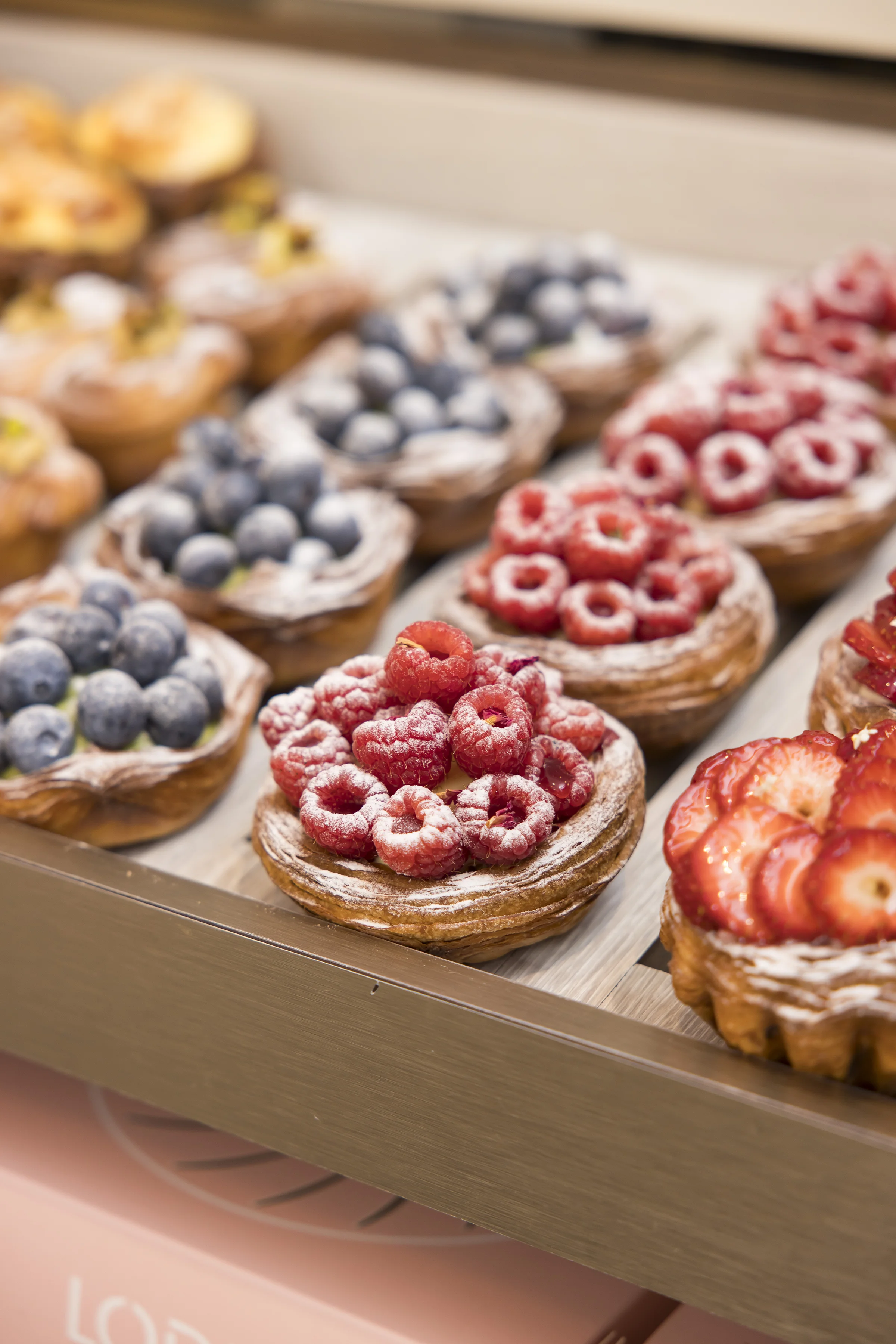
Give consumers a reason to visit your venue over someone else’s. What makes your product unique? Treats win when they’re portable, photogenic and sensorial (colour, consistency, textures). Flavour‑wise, “newstalgia”, familiar comforts with a twist, keeps the feed fresh without risky complexity.
Operator moves
- Lock your signatures. Keep 2–3 always-on treats with a clear point-of-difference (colour, flavour combination, texture, temperature).
- Rotate with intent. Run a specials calendar: e.g. a “newstalgia”, a seasonal, and/or a collab; retire anything with a low attach rate.
- Tighten the spec. Use build cards with grams/mL and a plating photo so every serve matches the post.
- Pre-test quickly. Sample to a group of customers; keep only flavours scoring high on taste and “would buy again”.
With this younger generation, they want a fun colorful drink or they want a fun dessert. I feel like a little kid when I’m getting a strawberry matcha.”
Vic Kyzintas → Owner, Bakehouse by Vic
3) The algorithm is the front door
Discovery is increasingly algorithmic. Guests arrive pre‑primed by social photos and videos, expecting the in‑venue moment to match the trailer. It’s not uncommon for people to pull out a social media post asking for what they see in the video.
Operator moves:
- Post the moment. Shoot vertical clips of the hero action (pour, garnish, plating); publish with location tags and clear item names.
- Name it once, everywhere. Match item names across menu boards, POS and captions so guests can order what they saw.
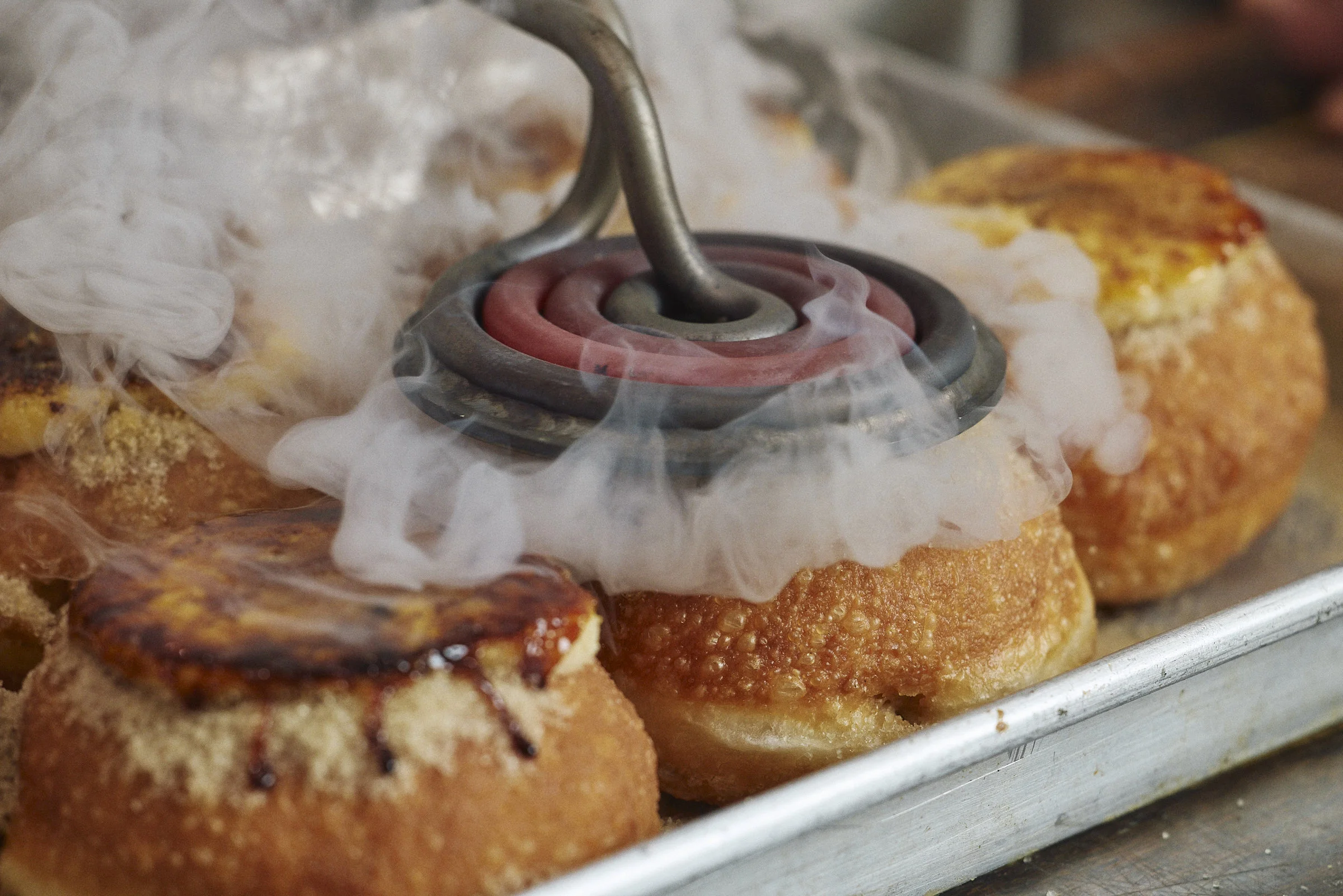
- Design for the camera. Standardise a photogenic finishing move (pour, torch, sprinkle) and a portable build that survives the commute.
- Train the hand-off. Script a simple line: “Did you find us on Insta/TikTok?”
- Measure: see what percentage of orders reference social, and how much traction you get within a week of posting a popular reel.
I would say 98% of my clientele had seen the social media from TikTok and Instagram and have come. Every day they come in and say, ‘we came from Instagram,’ or, ‘we saw your TikTok on how to get here.’”
Vic Kyzintas → Owner, Bakehouse by Vic
4) Beyond the product
Price sensitivity is more than just the food a consumer eats, it’s the story and the experience of the product. Putting your craft on display gives a sense of theatre to guests, and your store’s fit-out, your team’s hospitality and how your product is served all contributes to the guest experience.
Operator moves:
- Put the craft on show. Finish at the pass or a window so guests see (and film) the theatre.
- Stage the space. Design your lighting, and interiors to be photo-friendly.
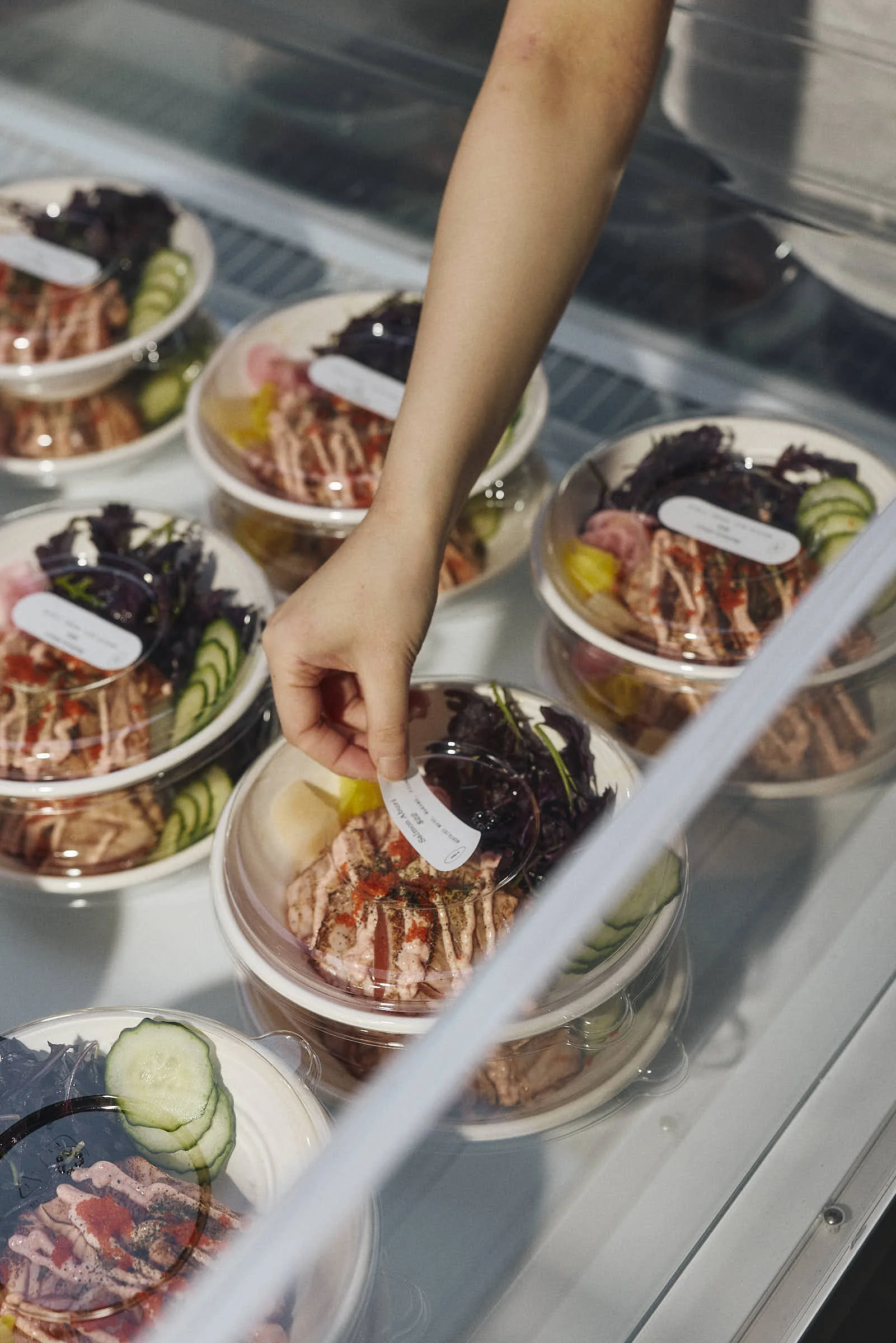
- Match packaging to promise. Use sturdy, photo-friendly packaging that protects structure and keeps your product looking good.
- Script hospitality. Greet by name, repeat the order back, and add a small flourish at hand-off (stamp, sprinkle, sticker).
- Invite the story. Add a one-liner on menu boards about the item’s story, ingredients or technique to justify premium pricing.
Engage with your customers. Remember their names. Remember where they work. Greet them at the door… throw them a couple extra chips here and there. We’re really focused on the human experience.”
Bradley Wynne → Co-owner, Slowpoke Lounge & Lookout
You don’t realise it but someone has turned the lights on to a different setting, how much that impacts the vibe.”
Tom Davies → Co-owner, Mission District
5) Seamless ops are part of the brand
The shortest path from ‘see → want → have’ wins the ‘little treat’ moment. When tech is invisible (orders route to the right screen), ordering and payments don’t break flow, and wait times are kept to a minimum, service feels premium even when the ticket is small.

Operator moves:
- Route by station. Use a kitchen display workflow to send drinks (hot and cold) to the right screen; cut verbal hand-offs.
- Offer choice, not friction. Consider adding QR code ordering for dine-in and a self-serve kiosk for takeaway during busy rushes.
- Speed up payment. Default to digital receipts (or no receipts) to keep the queue moving.
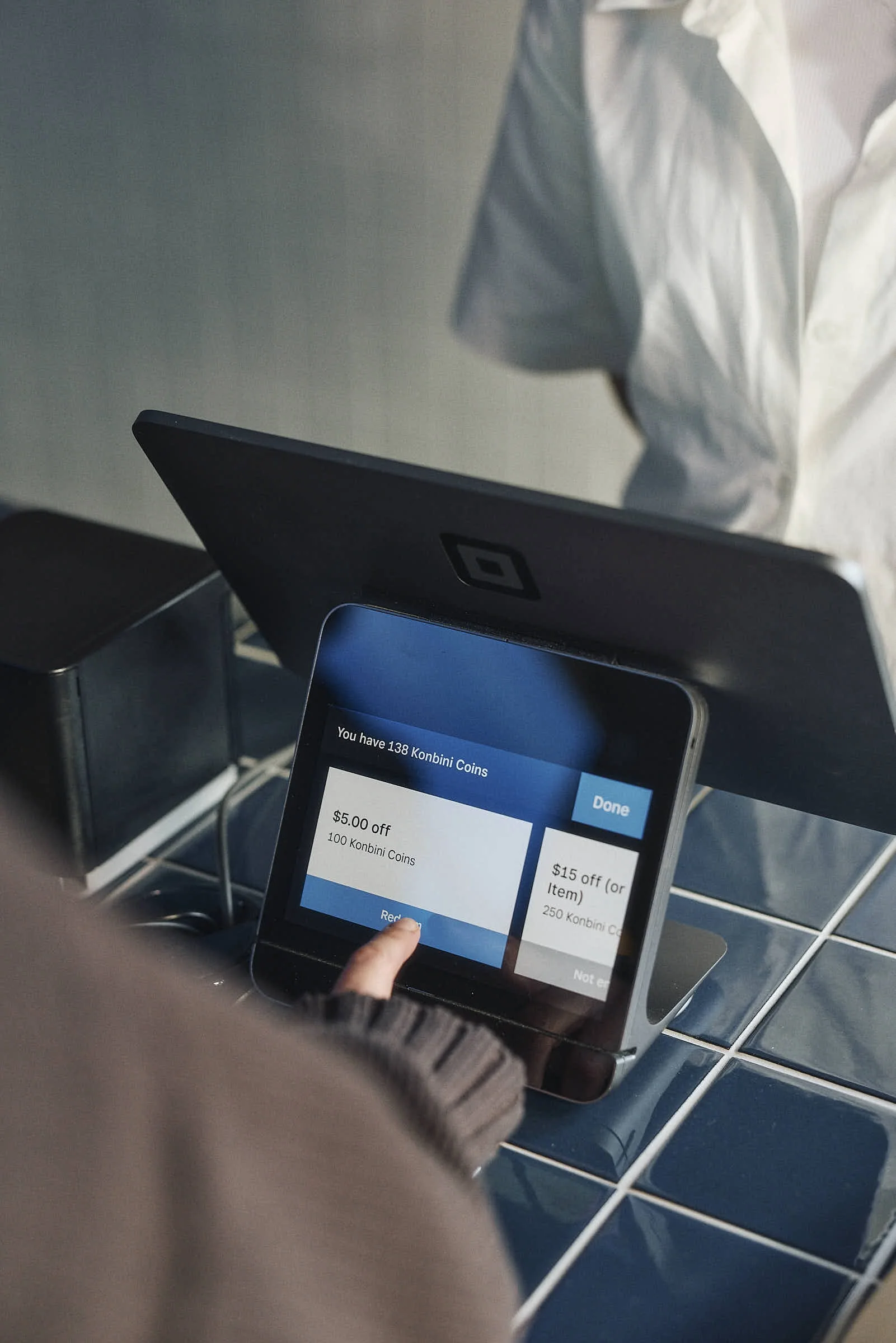
- Reward frequency. Keep a simple loyalty program (earn on treats, automatic surprise on the 5th/10th visit) to convert impulse into habit.
It’s not how many locals can you get in to buy a burger or to have a taco or to have a pretzel. It’s, ‘how many times do they come back?’ Repeat customers are so much more important than new acquisition.”
Bradley Wynne → Co-owner, Slowpoke Lounge & Lookout
Case study: Suupaa and the rise of ‘affordable luxury’
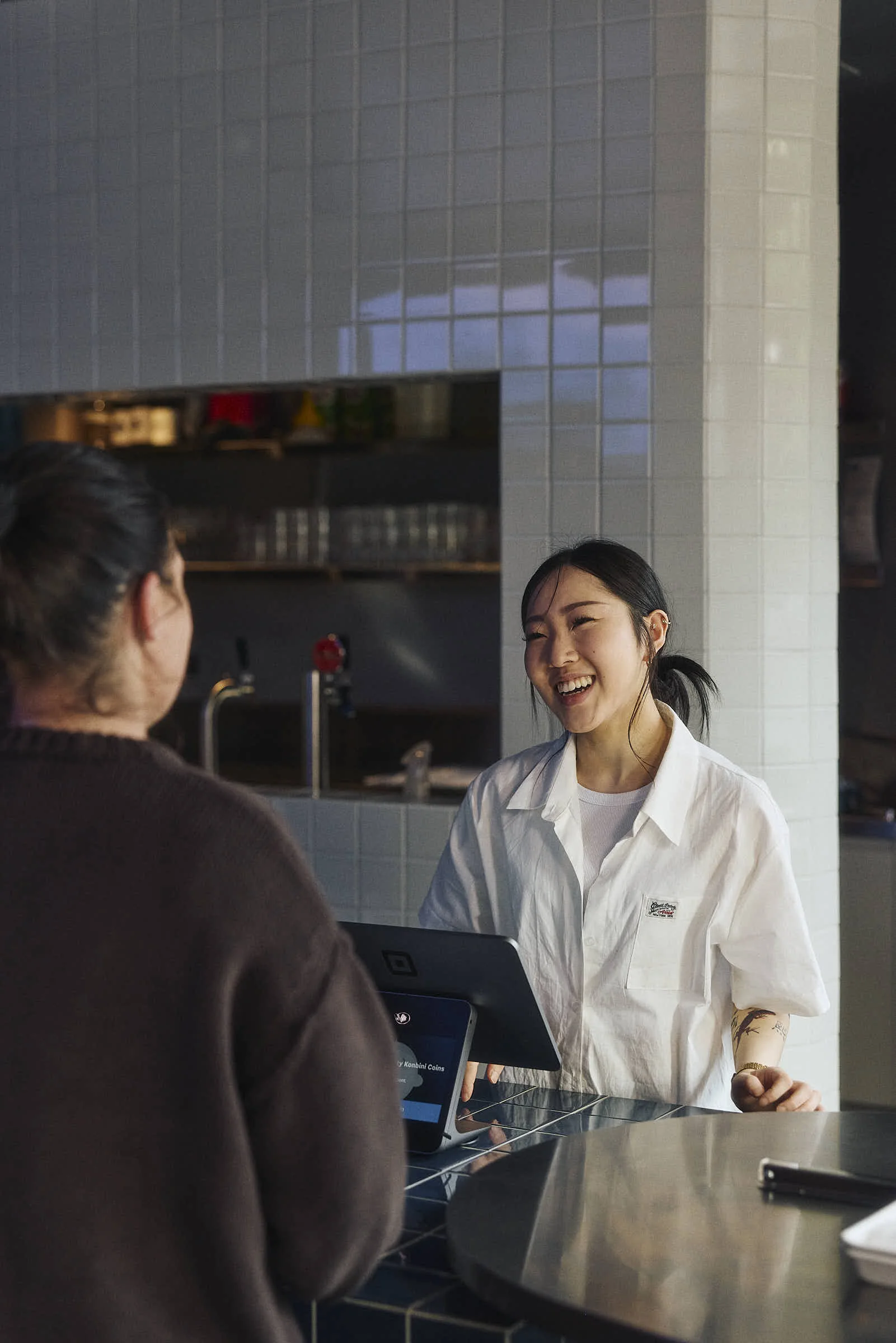
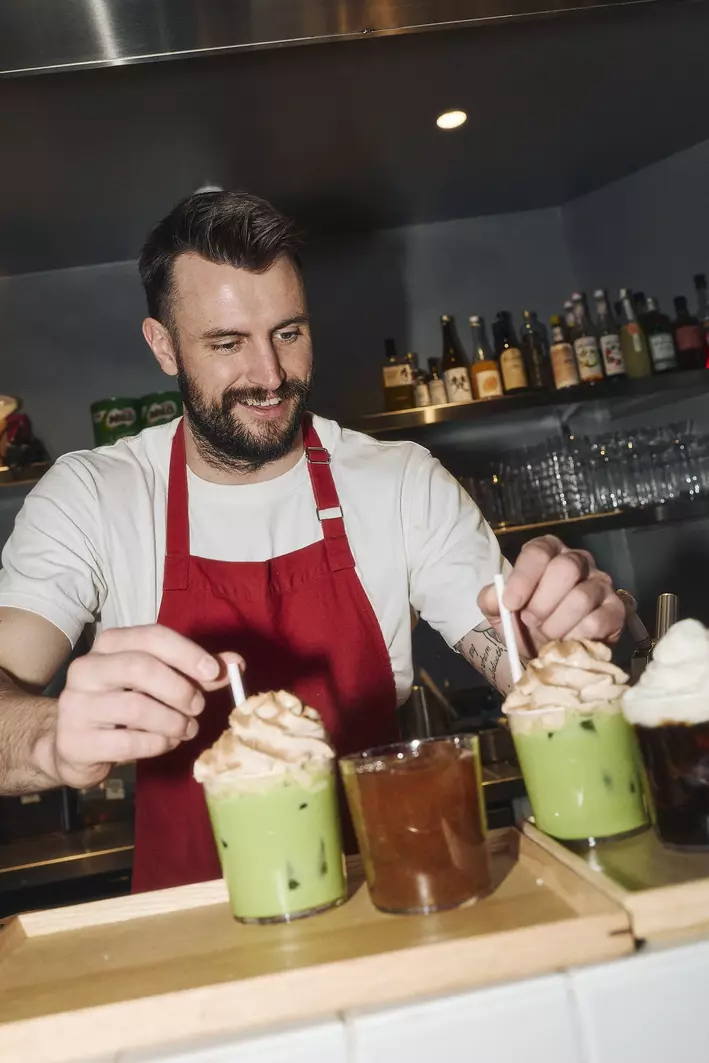
Cremorne’s Suupaa translates Japanese konbini culture into Melbourne: fast, convenient, good‑looking everyday food and drink. Co‑founder Stefanie Breschi calls it “our ode to the Japanese convenience store known as a konbini,” and they design the offer to be “accessible, affordable, and fast and every day.” The cult hero? Matcha Milo, “not seen anywhere else,” a playful Japan‑meets‑Australia mash‑up that guests love to film. Atsushi Kawakami keeps the theatre in view: “one big open kitchen… It’s like a show.”
Why it matters: Suupaa shows that treat value = emotion per dollar. Make the craft visible, nail your signatures, and price it for every day of the week.
FAQ’s
How should I price a signature treat?
Start from your target margin, see what others in your area are charging, then charge the premium you think your product deserves (but at a pricepoint that still feels affordable). Run a simple A/B of ±$1 for a week, and review attach rate and repeats.
Which menu items work best as little treats?
Ones with a clear point-of-difference (texture, flavour combination, story, technique, presentation). Think: something you can’t get from competitors in your area, and something that looks good but also tastes good.
How often should I rotate flavours or specials?
This is up to you, it could be weekly, monthly, or seasonally. Keep a winner if it drives strong attach rate and gets traction on social.
How do I know if the little-treat strategy is working?
Track add-on attach rate, repeat purchase within 14/28/60 days, social media posts/saves/shares, and sell-through of limited runs.
Is this only about desserts and Gen Z?
No, drinks and savoury snacks qualify, and while younger diners may lead discovery, the behaviour spans age groups. The common thread is speed, craft and consistency.


