





In a world of infinite connection, we still value community so highly and we’ve seen firsthand the lengths people will go to protect the keystones of their community, rallying together to support against adversity whether this is created by relentless rising costs or any other factor – voting not only with their voice but with their feet and wallets on a regular basis. We can name countless businesses brought back from the brink by the pure united force of their regulars.
But that’s just the world from our eyes and experience. This report puts data behind what many of us instinctively feel. It shows how everyday habits build loyalty, how regular customers create stability, and how local businesses thrive when they’re part of a wider network rather than standing alone. It reflects what’s already happening on high streets across the country: people consistently choosing familiarity, connection and quality.
We don’t want to buy from soulless businesses, we want to connect with people. When local hospitality is human, familiarity and trust ensues and we will choose this over and over.
–Topjaw

Introduction
When your local community is thriving, you can feel it. There’s a queue at the coffee shop. Someone’s nipped in after a nail appointment, or popped by the bakery next door, or grabbed a click-and-collect before heading to the supermarket down the road. Someone else is killing time while their car’s in the garage around the corner. None of these moments are “big” on their own – but together they’re the everyday signs of a community that’s busy, connected, and flourishing.
This Square Local Economy Outlook combines UK consumer research (with comparisons to the US, Canada and Australia) and exclusive Square data to show what today’s customer behaviour looks like in practice. We explore the pressures people are navigating, what drives repeat visits, and how businesses can build stronger relationships, grow sustainably, and help their local communities thrive.

A nation of local networks
We’re a nation that’s committed to our local communities. Our latest consumer data shows within our local areas UK consumers most often visit retailers and shops, followed by cafés and coffee shops, and then restaurants – quick and full service.
But the bigger question here is: what does that commitment to our local communities actually look like?
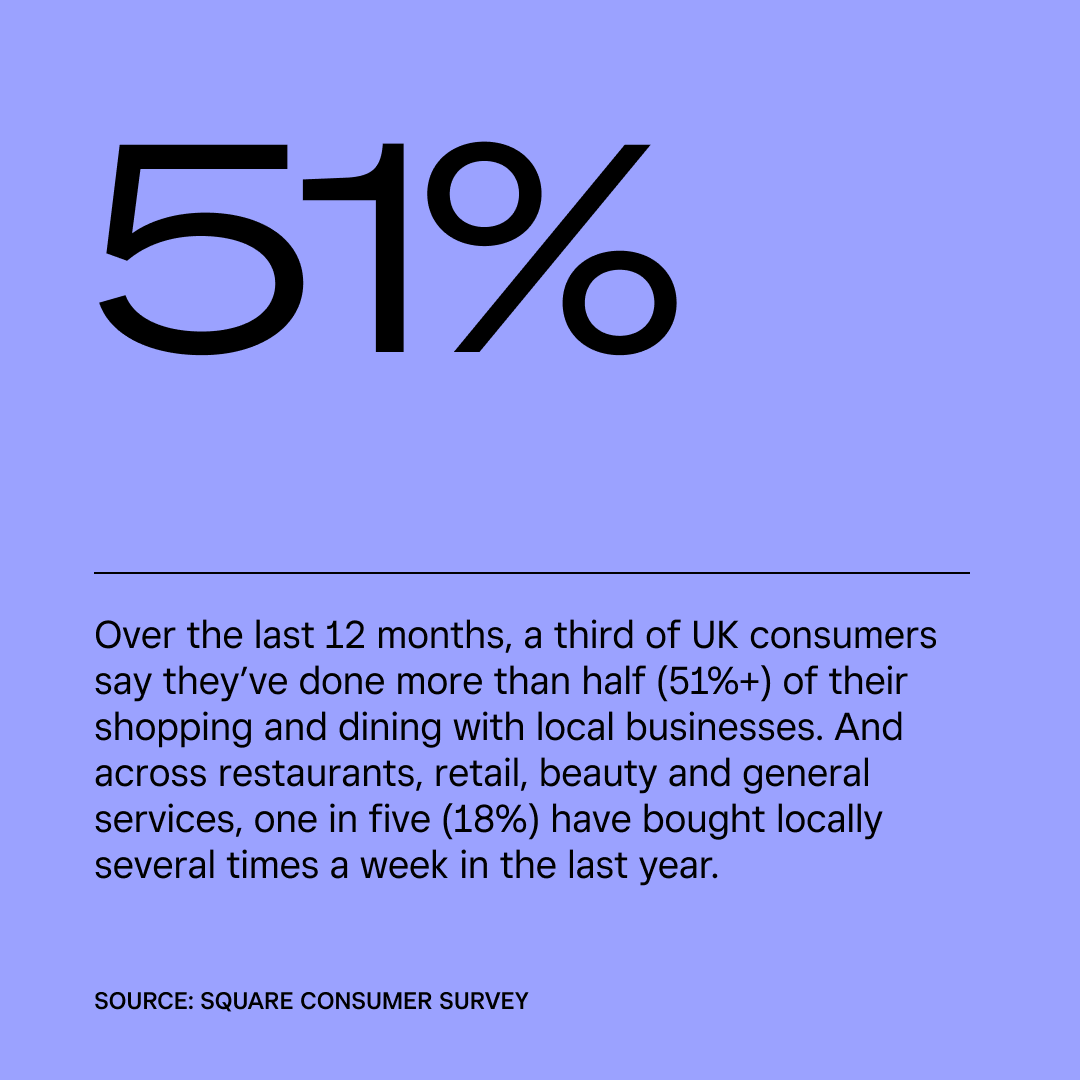
That commitment shows up differently depending on what we’re buying. In restaurants and cafés, 44% of UK consumers have made local purchases at least weekly in the last year – and 74% have done so a few times a month or more.
Retail is even stronger: 70% of UK consumers shop locally at least weekly, the highest rate across the four countries surveyed (UK, US, Australia and Canada).
Beauty is a regular habit too, with around half of us (49%) buying from local beauty businesses multiple times a month. And for general services – things like garages, tradespeople, and home contractors – 37% of consumers say they purchase locally multiple times a month.

Regular customers anchor your business, in good times and bad
Regular customers are the ones who keep the lights on – those familiar faces who pop in without thinking, know what they want, and make your business feel like it belongs to the area.
We leveraged our internal transaction data to explore consumer trends and regular behavior across the UK and in six major cities: Edinburgh, Leeds, Liverpool, London, Manchester, and Sheffield. We defined regulars as customers who return to the same business at least four times in a year. We find that they are indeed the steady heartbeat of local commerce.

Nationally and within each city, regulars account for at least 5X as much annual revenue, compared to transient customers.1 Sheffield stands out here, where regulars account for 10X as much annual revenue. The mechanism behind this outsized worth is entirely rooted in how consistently regulars come back – they don’t necessarily spend more on a given transaction, but they typically return to a seller 11 times throughout the year. All those visits add up.
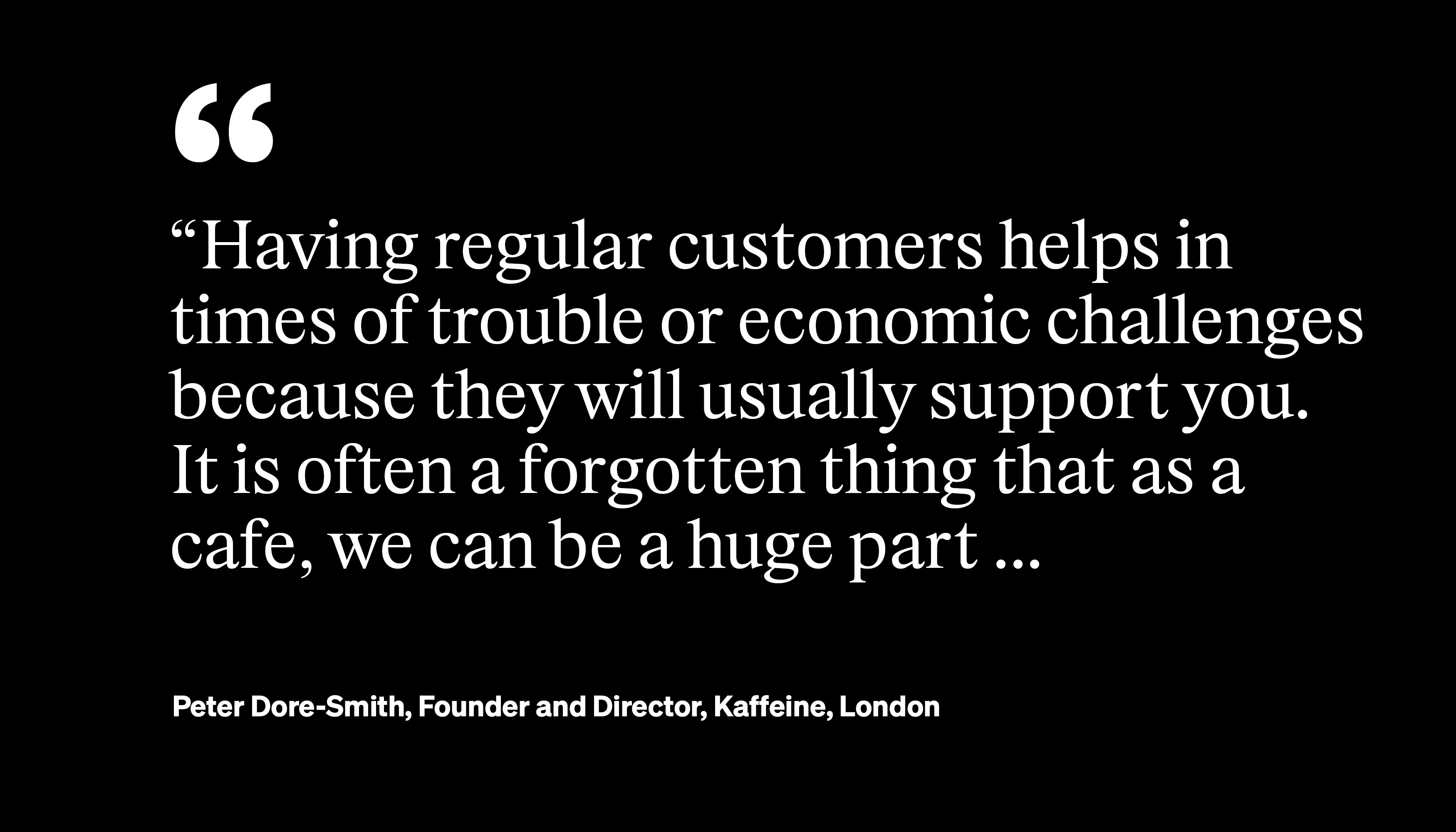
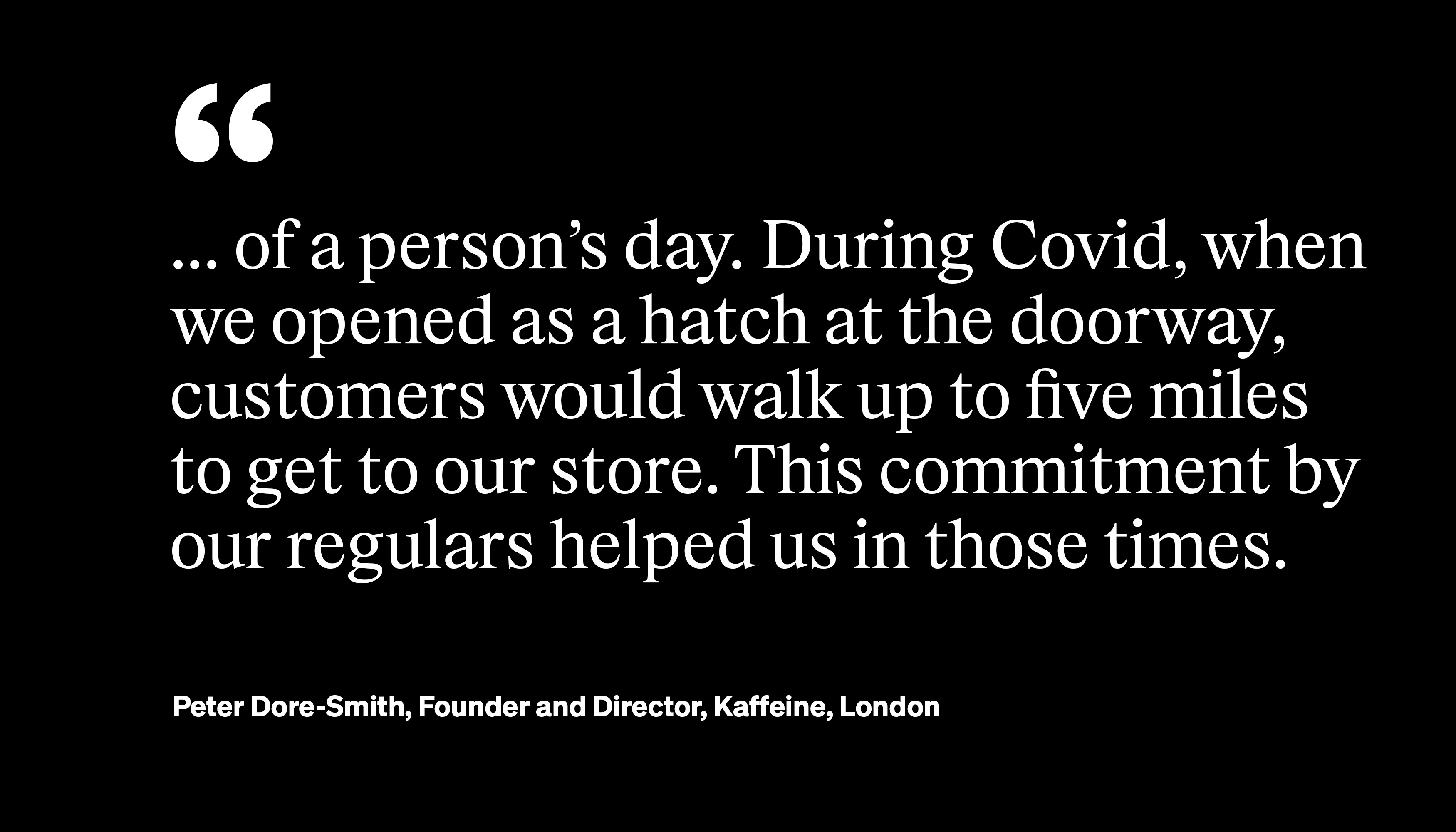
And Peter Dore-Smith, Founder and Director of Kaffeine in London, agrees: “Identifying and nurturing our regular customers comes from our primary goal and defining principle. That we are first and foremost a hospitality business and secondary to that we are an Australian-owned specialty coffee shop with equal focus on food, coffee and service.”
Loyalty and habits go hand in hand
Most of us are creatures of habit when it comes to local spending. More than three in five UK consumers (61%) say they spend about the same amount of money every time they visit a local business, but there’s headroom here: more than a quarter (27%) say they tend to spend more per visit, which is a huge growth opportunity for local businesses who get the experience right.2
And it’s not just that regulars return. They often return for the same thing. In beauty, F&B and professional services, regular customers buy their favourite item in the majority of their transactions.
- In beauty, it’s three-quarters of the time (75%)
- In professional services, it’s 61% of the time.
- In food and drink, it’s more than half (56%)
But what turns a customer into a regular? Partly this is fueled by pragmatic drivers like affordability (57%) and convenience (52%). But people don’t build routines around businesses that don’t treat them well. Friendly, reliable service (54%) is right up there, and high-quality products keep people coming back too (47%).
It’s the combination that does it: easy to choose and reassuringly good once you’re there. As Dore-Smith says, “Mostly it is about consistency and always being the best we can be time after time after time.“
The regular ripple effect
Regulars also have an impact that’s bigger than the purchases they make with you. When people head out to visit one local business, they often turn it into a browse of the area.
Over a third of UK consumers3 (35%) say they always or often visit other types of local businesses when they’re already out shopping locally. In fact, only 18% say they rarely or never visit more than one local business in the same trip.

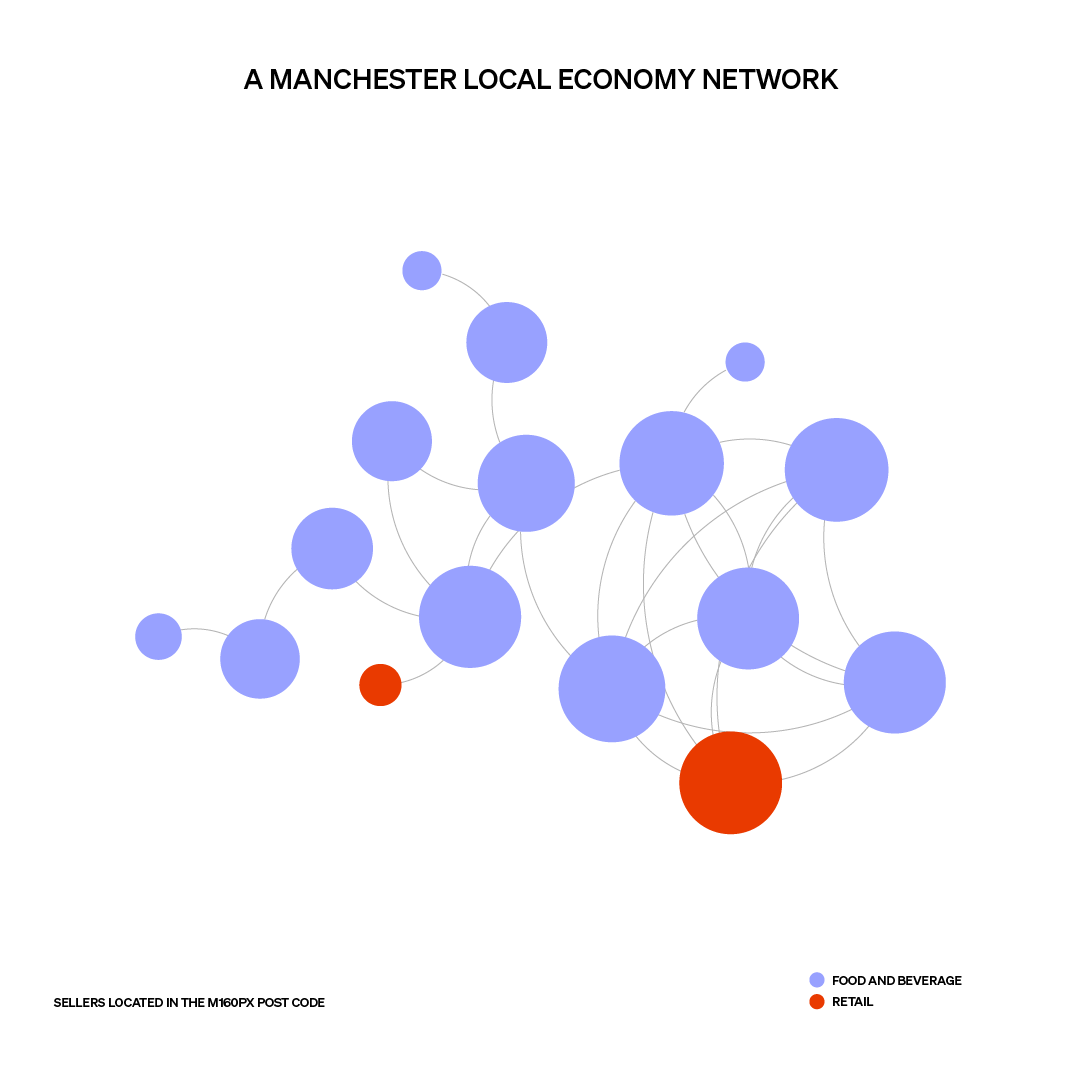
It is exactly this local network effect that is so powerful (ref: figs 1 and 2 below). Square’s data exclusively shows how many sellers in London and Manchester are part of these networks, where sellers are connected to other sellers in their city through shared regular customers. The rate is the highest in Manchester, where the majority (53%) of all sellers have connections in the network; in London, half of sellers (50%) are in the network.4
Which is why earning repeat customers is so valuable. Regulars don’t just anchor individual businesses – they help stitch local economies together.
Securing their loyalty is one of the most important things a local business can do, for its own stability and for the wider community around it.

Customers care, but they're navigating a lot
Customers really do care about spending locally. The challenge is they’re doing it while juggling many other priorities, too.
Household budgets are still under pressure5, and plenty of people have to think twice before they treat themselves. But even with costs rising, the pull of independent local businesses hasn’t disappeared. If anything, it’s become more meaningful.
Square’s local insights show that, across all categories, consumers visited more local businesses on average in 2025 than they did in 2024 – up 11% y-o-y.6
That does not happen by accident. It’s because people don’t see local spending as “just shopping.”
Joanna Mangion, Founder and Director, nue ground Wellness Lifestyle shares that, “After six years in Clapham, our growth has come through loyalty, increased frequency, and a widening customer base. Since opening the studio next to the café, customers are spending more time with us: coming for a class, staying for brunch, getting a massage, enjoying a wellness drink, or working from the café. Spending has become more intentional as quality matters more, and overall engagement has increased.”
Emotionally connected
In the previous section, we explored the impact of regulars on local businesses. But what about the impact businesses have on them?
An emotional connection comes through loud and clear in our survey.
80%
of UK customers say their relationship with their favourite local business is much more than transactional.7
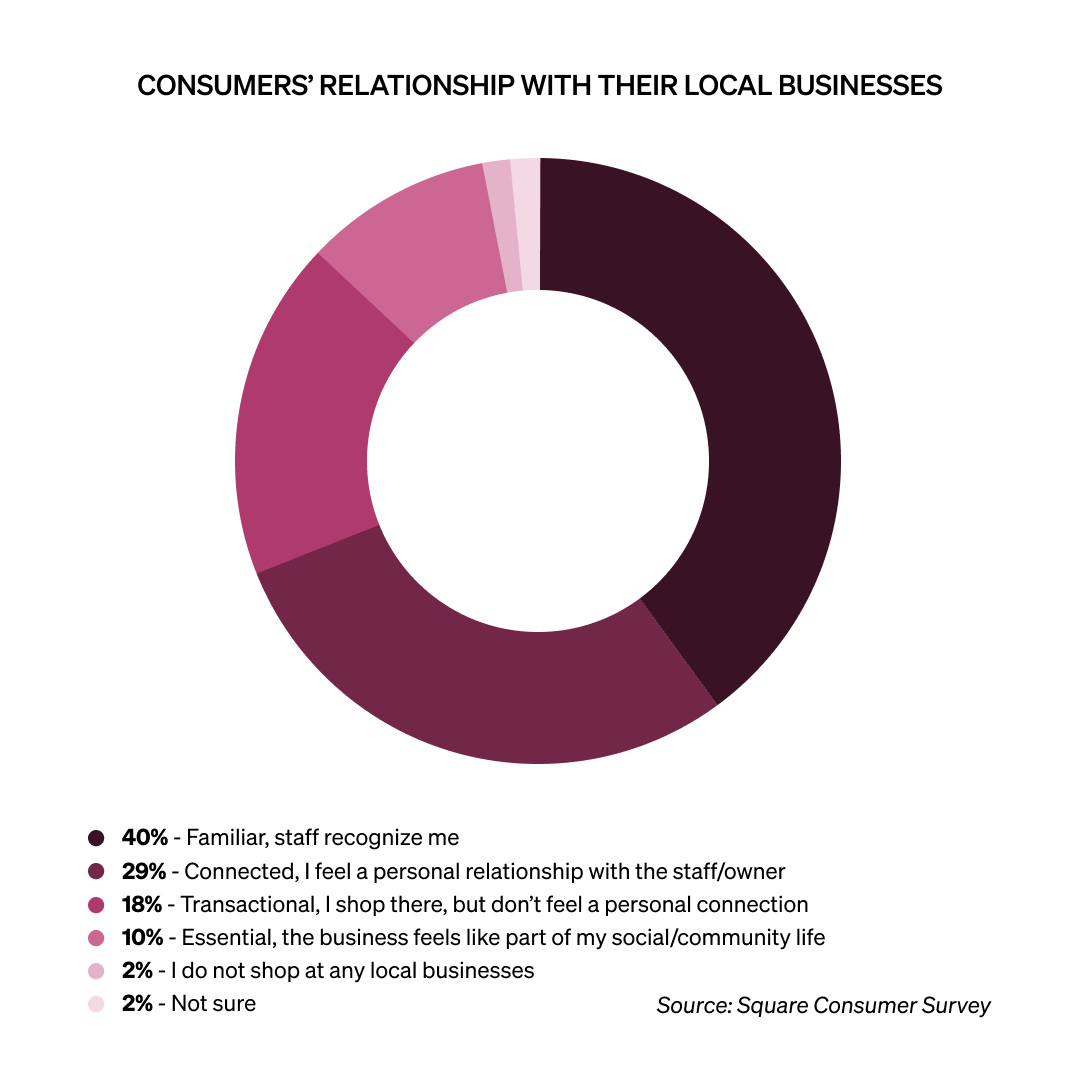
For some, it’s genuinely essential. One in 10 describe their favourite local business as part of their social and community life – not just somewhere to buy things, but somewhere they belong.
Another 29% say the relationship feels connected with a personal bond between the customer and the staff or owner.
And 40% describe it as familiar – that simple but powerful feeling of being recognised when you walk through the door.
It’s also not lost on customers what’s at stake. UK consumers readily point to the wider role local businesses play in their communities8 – supporting local jobs and the economy (59%), strengthening community ties (48%), and increasing neighbourhood value (44%). More than a third (37%) even say local businesses improve the appearance of the area.
In other words, people value local businesses because they are part of the infrastructure of a thriving community.
Mangion makes fostering this connection a priority too. “Across both the café and studio, our team builds genuine, ongoing relationships with clients, creating a strong sense of familiarity and trust. Instructors take time to connect with clients after class, and that flow into the café has led to clients forming connections with one another. As a result, the community continues to grow organically, grounded in shared experiences and genuine care.”
Better experience, higher spending
This sentiment is only reinforced by the experiences they have when shopping or spending locally. Over the last 12 months, consumers report overwhelmingly positive interactions with local businesses: on average, seven in 10 (70%) rate their experience of shopping or dining locally as good or very good.
Mangion shares that: “Rather than scaling back, we’ve continued to invest in the experience, from a high-quality menu to a deeply experienced, connected team, and thoughtful touches that make people feel genuinely looked after.”
And despite the economic squeeze, this is translating into real spending behaviour. In the last 12 months, nearly a quarter of UK consumers (22%) say they spent more at local businesses and a further 55% say they spent the same amount. Retail is the most striking example here: a third of consumers (33%) say they’ve increased their spending in-store and online with local retailers.


You can see the impact of this in Square’s own data. Food and drink average spend was up nationally in 2025 by 3%; average spend in the beauty sector was up 2% and it was up 1% in retail.9
Looking ahead, there’s optimism too. Consumers are confident about their ability to keep spending locally over the next year. A fifth feel very confident and expect to spend more; and a further 56% expect to spend the same if not more.10
Consumers understand how important local businesses are. They want to do right by their communities, and they want the businesses (and the people behind them) to thrive.

Growth begins with understanding your customer
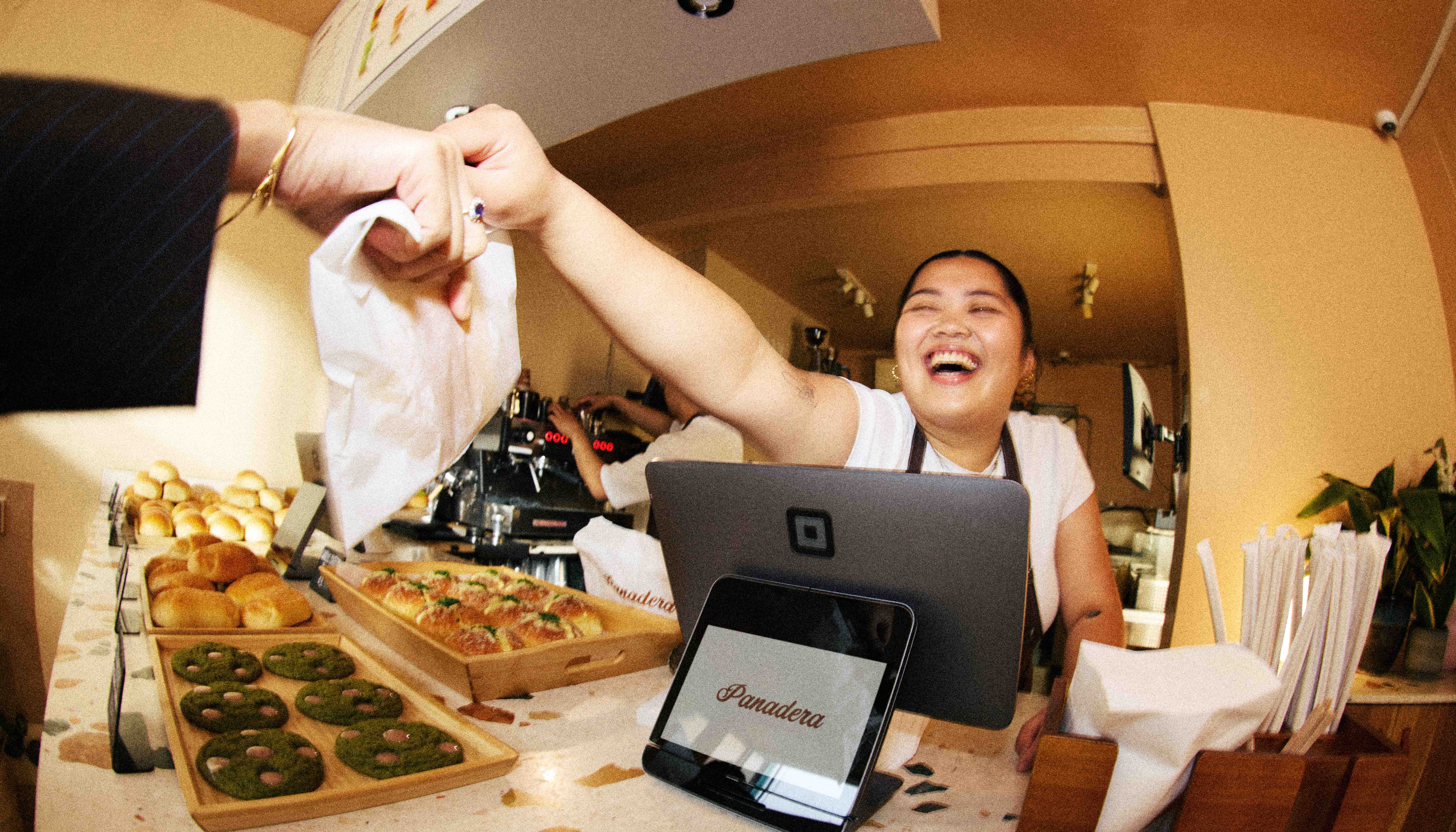
What makes someone fall in love with a local business isn’t one big, cinematic moment – it’s the small stuff, done consistently well. The barista who remembers your order. The salon that somehow knows the colour nail varnish you want before you do. The shop that makes it easy to pay, easy to pick up, and gives you a reason to come back.
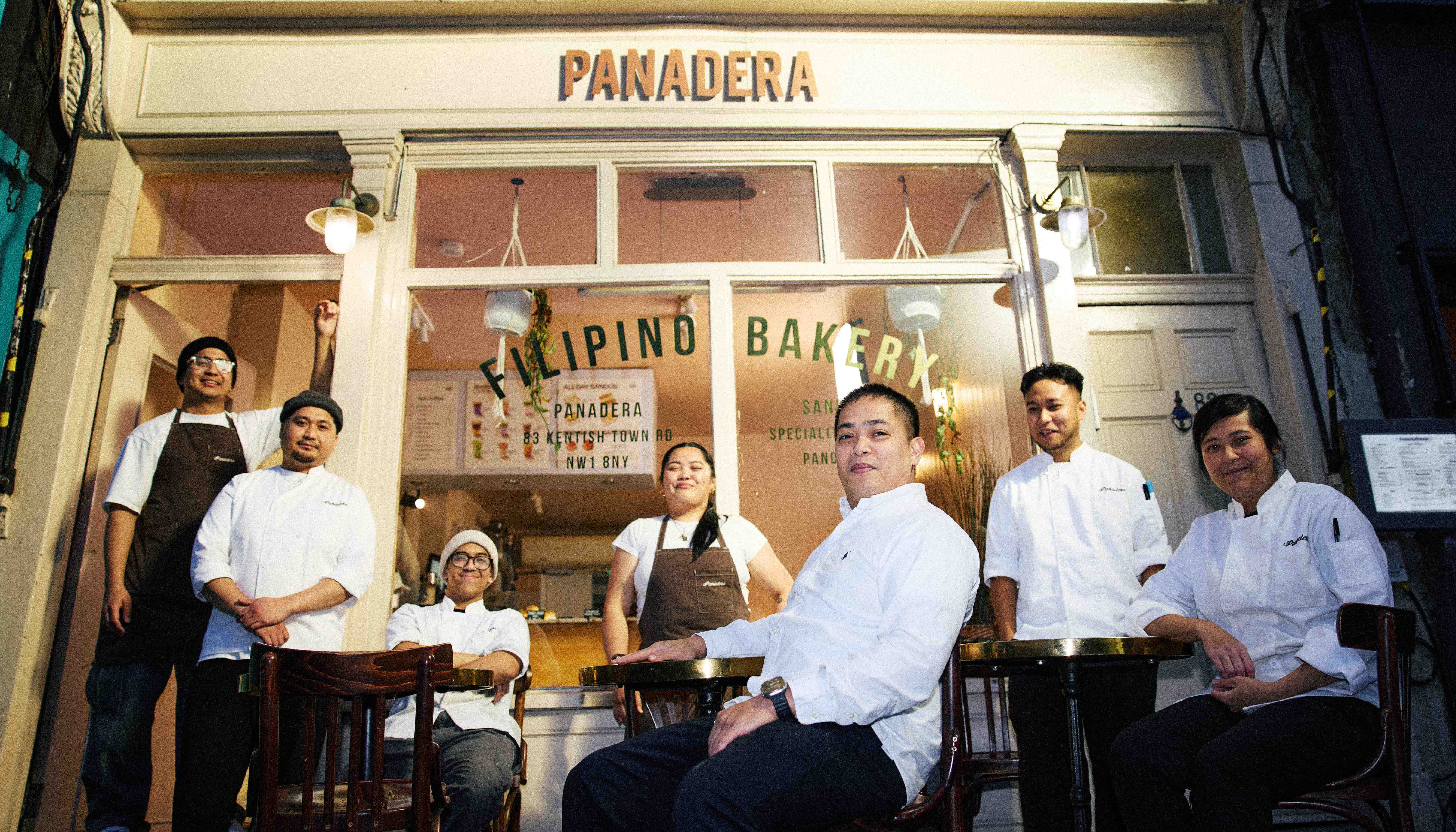
That’s how a one-off visit quietly turns into something steadier – a regular who is worth five times11 as much as someone who drops in once and doesn’t return. As Florence Mae Maglanoc of Panadera describes: “Convenience gets people in at first but consistency and quality keep them coming back. I’d rather have someone who comes in three times a week than someone who pops in every few months.”

93%
of UK sellers that use a marketing product successfully maintain regulars, compared to 39% of sellers that don’t use a marketing product.12
Square’s data reveals local insights, showing us that more sellers are actively investing both in attracting new customers but also in building relationships with them. Nationally, use of Square’s marketing products has risen every year since 2021. In 2025 alone, subscriptions to email marketing grew by 26%, and loyalty subscriptions grew by 46%.13
And this isn’t marketing for marketing’s sake: using a marketing product is associated with stronger day-to-day performance such as higher average daily transactions, higher average daily spend and higher spend per transaction.
Additionally, Square data shows that across all sectors nationally, use of a marketing product is associated with 7X higher average daily transactions and 4x higher average daily spend, compared to absence of a marketing product. This is particularly pronounced in Manchester, where using a marketing product is associated with 13x higher average daily transactions, 6x higher average daily spend, and 13x more daily customers. In fact 93% of sellers that use a marketing product successfully maintain regulars, compared to 39% of sellers that don’t use a marketing product.
Experience drivers
But the most useful reality-check comes from consumers themselves: what makes the experience memorable?
In our survey14, people point first to staff expertise – knowledge of products and services (53%). Close behind are atmosphere and ambience (52%), and that feeling of being connected to the staff and wider community (50%). In other words: warmth plus competence beats gimmicks every time.
77%
of UK consumers want to communicate with local businesses.15
And again, we are reminded that connection matters to consumers. A plurality want to hear from local businesses by email (40%), while 32% want social content and presence, and 27% welcome direct messages – reinforcing the positive impact marketing solutions can have for local businesses.
On the practical side, customers say the digital touches that would most draw them in are delivery or in-store pick-up (43%), mobile payment options (42%), and a loyalty programme (38%).
Still, none of this overrides the basics. Quality reigns supreme as the most important factor in choosing where they shop or dine (73%), followed by price (63%) and convenience (57%).
But there’s a real opportunity hiding in the margins – nearly three in 10 (29%) are looking for something unique or personalised. And the flip side is sharp: half of consumers say high prices would make them hesitate to try somewhere new, with limited selection, inconvenient location, and doubts about quality all clustering around 30%.
In the end, loyalty isn’t a mystery formula – it’s an everyday experience, repeated with care.
When local businesses pair quality and fair value with warmth, consistency, and the right digital conveniences, they make it easier for customers to choose them repeatedly. And that’s the shift that matters most – turning interest into habit, and habit into the kind of regular relationship that sustains growth.

The next 12 months
Even as many households tighten their belts, the intent to keep spending locally is holding strong and that creates a clear opportunity for local business owners who can stay in step with changing habits.
Over the next 12 months, more than a quarter of UK consumers (27%) say they plan to shop or dine locally more often, higher than the average across the four countries surveyed (21%).16 Crucially, a further 61% expect to do so about the same amount, signaling a sizeable number of customers who are already loyal. Only 6% say they plan to do it less. And Square’s data shows that nationally, the share of revenue contributed by regulars has grown steadily every year since 2020.
38%
of UK consumers say they’ll shop or dine in person more often at local businesses in 202617
What’s also striking is where that spending is expected to happen. There’s a clear preference for in-person: 38% plan to shop or dine more often in person at local businesses, compared with 15% who plan to do so more often online. That doesn’t mean digital doesn’t matter – it does – but it suggests the winning formula will be in-person experiences that are frictionless, supported by simple online touchpoints that make it easy to discover, decide, and come back.
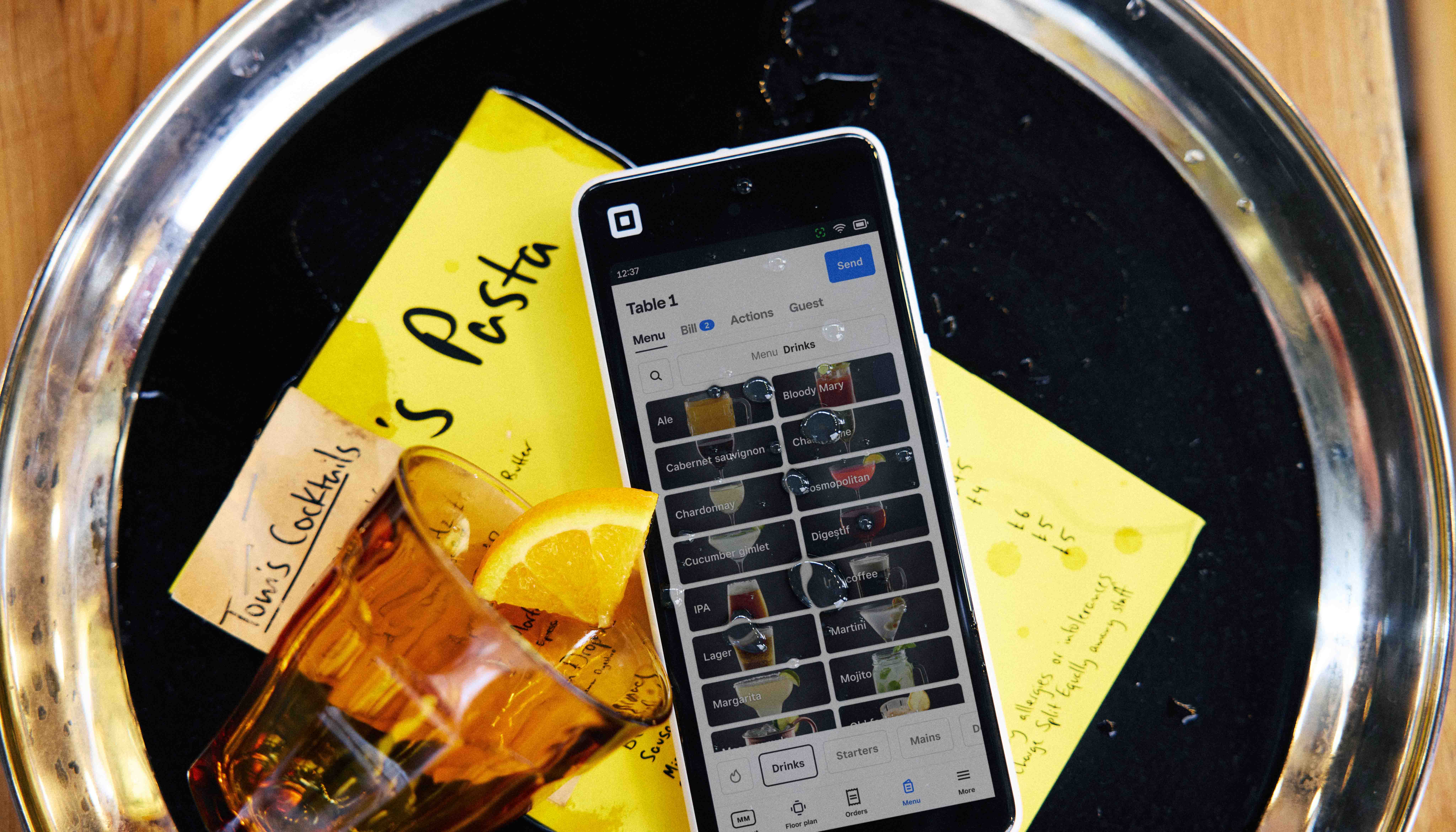
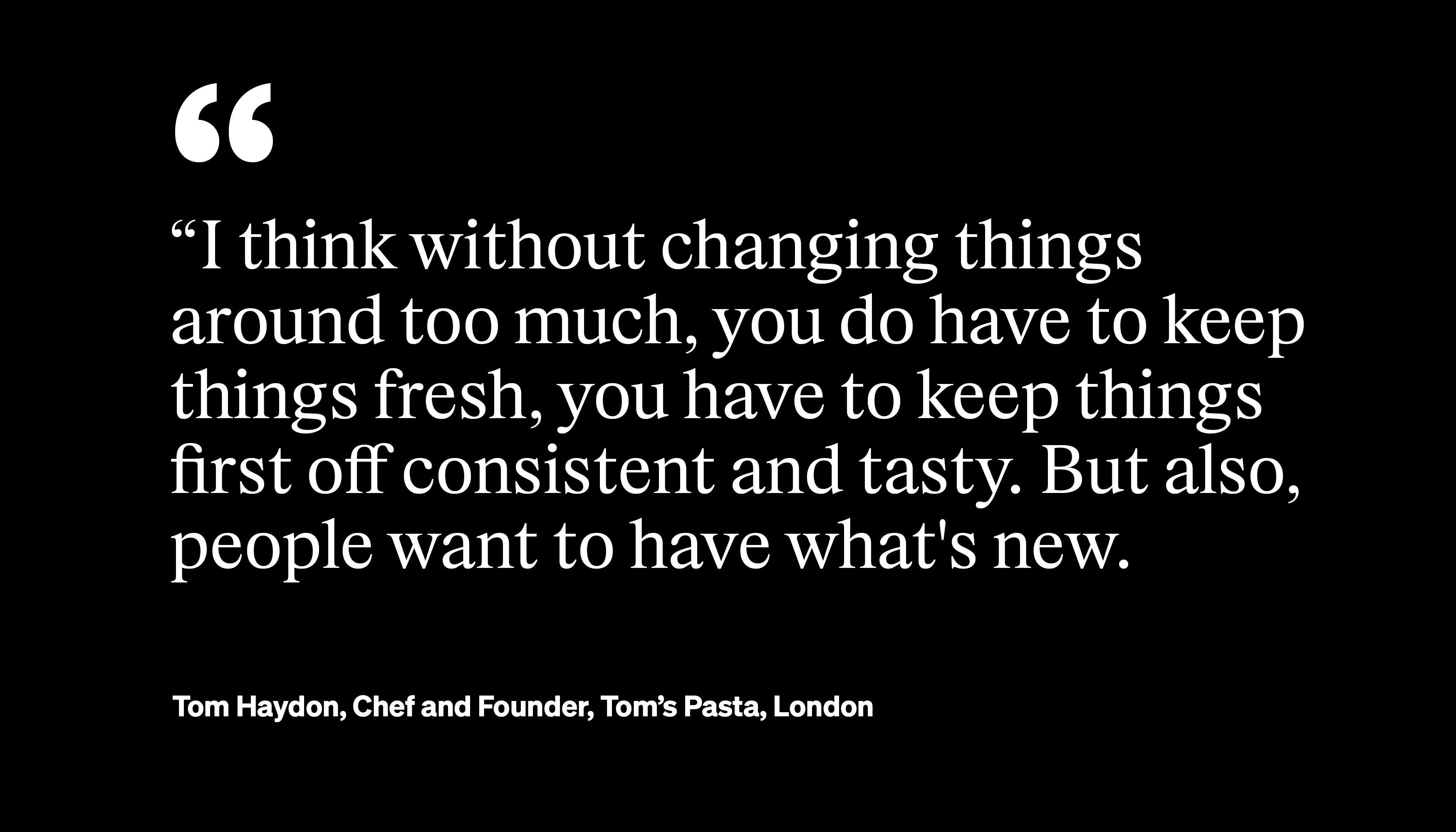
Tom Haydon from Tom’s Pasta in East London agrees. “Some people love being a local regular. So it might not be the best, it might not be the cheapest, it might not be the easiest place to get to, but if there’s a barman standing behind the other side of the bar greets you by name when you walk in, that makes you feel good.”

And while price sensitivity is real, consumers aren’t saying “cheap at all costs.” They’re telling us they’ll accept higher prices when the value is obvious. In fact, 69% say they would be likely or very likely to keep shopping with a local business or eating in a local restaurant if it raised prices to offer increased value – better service, better products, or more compelling offers.
This resonates with Haydon. ”Nowadays you just have to follow the current climate and I think people still have that sense that it might be a bit more expensive than the other place, but it’s worth it for me.”
Thriving in 2026
If there’s one thread that runs through this Square Local Economy Outlook, it’s that local growth doesn’t come from a single “big bet”. It comes from building repeat behaviour and then making it easy for that behaviour to spread in the community.
Regulars are the stabilisers: they spend more over time and they create the ripple effect that keeps nearby businesses busy too. It is crucial to design your business around repeat visits and low-friction loyalty.
- Train for “regular-making” moments, not just good service
Friendly, reliable service is one of the biggest drivers of repeat visits but the difference between “nice” and “I’ll be back” is consistency plus recognition. Build simple staff habits: greet people warmly, use names when you can, make one personal recommendation, and end with an invitation that creates a next visit. - Make expertise visible and easy to access
Consumers rate staff knowledge as one of the most memorable parts of the experience. Turn that into a system: quick product/service explainers, recommended favourites, “ask us” prompts, and basic internal cheat-sheets so newer team members can confidently advise customers. Expertise builds trust and trust drives repeat behaviour even when budgets are tight. - Win on value, not discounting
Price sensitivity is real, but customers will stick with you if you’re clearly delivering more value, be that better service, better product, or a genuinely better experience. In 2026, many businesses will be forced to adjust pricing; the winners will be those who pair any increase with a clear “what you get” message and then deliver it reliably. - Build a loyalty loop that feels effortless
Loyalty programmes work best when they’re simple and immediate: points, stamps, “every Xth is on us”, or small perks for regulars. The goal is giving customers a reason to return soon, and a feeling of being recognised. Tie loyalty to the customer’s usual purchase so it reinforces existing habits. - Communicate consistently between visits
Most customers want local businesses to communicate with them, and email is the single most preferred channel, with social content and DMs playing a supporting role. The practical move is to set a simple cadence you can sustain. Make messages useful such as what’s new, what’s back, what’s limited, what’s happening locally, and what regulars should know. - Turn community involvement into something customers can see and join
Customers value local businesses because they strengthen community ties and support local jobs, but they need to see it. Sponsor something small, support a school event, host a local mini moment or partner with the business next door. - Use sustainability as a trust signal
A meaningful group of customers notice waste and sourcing. You don’t need perfection – you need credible steps: reduce packaging, offer re-use options, source locally where possible, and communicate what you’re doing without over-claiming. Done well, it reinforces value and trust.
What this adds up to for 2026
Local customers are committed. Many plan to shop locally as much or more, and they prefer doing it in person. The businesses that thrive will be the ones that make repeat visits inevitable: consistent quality, human connection, clear value, and convenient ways to pay, collect, and stay in touch.
Do that, and you’re not just chasing footfall, you’re building the regular relationships that underpin a resilient local economy.
Footnotes
- Square data sourced from transactional data from January 2019 through December 2025
- Consumer survey carried out by Square and Studio by Informa TechTarget – 1,009 consumers in the United Kingdom between September 23 and December 30, 2025
- Consumer survey carried out by Square and Studio by Informa TechTarget – 1,009 consumers in the United Kingdom between September 23 and December 30, 2025
- Square data sourced from transactional data from January 2019 through December 2025
- https://www.ons.gov.uk/peoplepopulationandcommunity/wellbeing/bulletins/
publicopinionsandsocialtrendsgreatbritain/november2025 - Square data sourced from transactional data from January 2019 through December 2025
- Consumer survey carried out by Square and Studio by Informa TechTarget – 1,009 consumers in the United Kingdom between September 23 and December 30, 2025
- Consumer survey carried out by Square and Studio by Informa TechTarget – 1,009 consumers in the United Kingdom between September 23 and December 30, 2025
- Square data sourced from transactional data from January 2019 through December 2025
- Consumer survey carried out by Square and Studio by Informa TechTarget – 1,009 consumers in the United Kingdom between September 23 and December 30, 2025
- Square data sourced from transactional data from January 2019 through December 2025
- Analysis of enrollment and usage data across Square’s marketing products
- Analysis of enrollment and usage data across Square’s marketing products
- Consumer survey carried out by Square and Studio by Informa TechTarget – 1,009 consumers in the United Kingdom between September 23 and December 30, 2025
- Consumer survey carried out by Square and Studio by Informa TechTarget – 1,009 consumers in the United Kingdom between September 23 and December 30, 2025
- Consumer survey carried out by Square and Studio by Informa TechTarget – 1,009 consumers in the United Kingdom between September 23 and December 30, 2025
- Consumer survey carried out by Square and Studio by Informa TechTarget – 1,009 consumers in the United Kingdom between September 23 and December 30, 2025
Disclaimers and data methodology
Methodology
Square Data Collection
Square analysed all buyer-seller interactions from January 2019 through December 2025. A buyer-seller relationship was considered to be “regular” if there were transactions between them on four or more distinct dates within a year; all other relationships were considered “transient.” Note that a single buyer can have both regular and transient relationships with different sellers. To calculate regular versus transient statistics, Square grouped transactions by regular and transient labels and computed summary metrics for each group, such as average spend and total transaction volume.
Network Data
Square isolated all “regular” buyer-seller relationships in 2025 based on the methodology described above. Square constructed city-level networks by drawing a connection between two sellers if they share at least one regular buyer. Most analyses are based on each network’s largest connected component – i.e., the largest subgraph where there exists a path between every possible pair of nodes.
Network visualisations represent the subgraph of a given city by postcode. For each city, we select the postcode that produces a subgraph containing 10-100 sellers and the greatest number of connections to demonstrate local connectivity and ensure visualisation clarity.
Marketing Data
Square analysed statistics based on enrollment in any of the following marketing products: Email Marketing, Text Message Marketing (US only), and Loyalty Programs. We compared two groups of sellers: enrolled in a marketing product versus not.
Consumer Survey
Square and Studio by Informa TechTarget conducted an independent survey of 1,009 consumers in the United Kingdom between September 23 and December 30, 2025. Respondents were screened to include a representative sample of age groups (18 to 61+) and geographical locations within the United Kingdom.
Where appropriate, all Square data is aggregated to protect privacy.
Download the
2026 Local Economy Report
Millions of companies use Square to take payments, manage staff, and conduct business in-store and online.
Download Now


