




Table of contents
Restaurant loyalty programs are everywhere, with their market value in Canada reaching $1.78 billon in 2025 – something that is expected to grow to $2.83 billion by 2029. From Chipotle Mexican Grill to Panera Bread, restaurants are harnessing the power of rewarding loyal customers. Research shows the investment is worth the effort, and helps to ease some of the economic pressures that both restaurants and consumers are facing.
The Square 2025 Future of Restaurants report found that 63% of consumers have cut their spending on restaurant purchases in the past 12 months. To accommodate, 98% of restaurant leaders say they’ve added or expanded their discount or value offers. Loyalty program discounts are the most popular of these strategies, with 43% of restaurant leaders included in the survey actively using them at their restaurants. Consumers are loving this focus on value-added programs, with almost half hoping restaurants will either keep or add to their current loyalty programs over the next year.
In this article we explain what a restaurant loyalty program is, how they benefit restaurant owners, how to run one yourself and share examples of the most successful programs in Canada.

What is a restaurant loyalty program?
A restaurant loyalty program is a customer retention strategy that rewards customers for dining and engaging with your brand. There are nine types of common restaurant loyalty programs, each with its own approach:
- Points-based: Guests earn points for every purchase and redeem them for rewards like with Subway’s MVP Rewards.
- Tiered: Members unlock new levels of benefits as they spend or visit more often, like with Starbucks Rewards’ green and gold levels.
- Paid (subscription-based): Customers pay a small fee for enhanced perks or exclusive discounts, like RBC’s Avion Rewards.
- Value-based: A portion of each purchase supports a cause, community or initiative that reflects your brand values. A&W Canada’s Burgers to Beat MS campaign shares a portion of their Teen Burger sales to the MS Society of Canada each year.
- Coalition: Points earned at your restaurant can be redeemed with partner brands, such as Swiss Chalet’s partnership with Scene+.
- Game-based (gamified): Rewards are tied to fun challenges, contests, or limited-time promotions that boost engagement. Think Tim Hortons’ Roll Up to Win.
- Visit-based: Guests earn rewards after a set number of visits rather than total dollars spent. Domino’s Rewards, for example, awards a lump sum of points after six separate visits.
- Amount-spent: Rewards are based on how much a customer spends per transaction or over time. Chipotle Rewards operates like this.
- Item- or category-based: Points or rewards are earned when customers buy specific menu items or categories, like in Panera’s MyPanera program.
Some restaurants opt to have more than one type of loyalty program. For example, they might have a free points-based tier alongside a paid VIP option for their most loyal guests.
The benefits of a loyalty program in restaurants
There are a number of benefits to having a restaurant loyalty program. They include:
- Increasing sales and driving repeat visits. Square data shows 83% of restaurant leaders with a loyalty program have seen increased order sizes and repeat visits as a result.
- Creating happier customers through personalized offers. 69% of diners value personalized loyalty programs and 29% love it when restaurants offer discounts on menu items they have purchased before.
- Driving more effective marketing efforts. A well-structured loyalty program is great marketing material, allowing you to promote specific deals and benefits to your customers. When promoted through social media, these efforts can help create organic brand ambassadors who share your content or create promotional content of their own on your behalf.
Tim Hortons’ Roll Up to Win (formerly Roll Up the Rim to Win) is one of Canada’s most recognizable loyalty campaigns, and a great example of how a company can use loyalty programs to realize the three benefits listed above.
Running for more than 60 years, it serves as the brand’s annual marquee marketing event, evolving from a physical cup contest into a digital-first, app-based experience that now anchors the Tims Rewards ecosystem. To help promote this campaign, Tim Horton’s and its partners promote the #RollUpToWin hashtag, encouraging customers to share their wins on Facebook, Instagram and X, and market it heavily across their owned channels.
Each spring, millions of Canadians participate in the program for a chance to win coffee, cars or travel rewards, creating a sense of FOMO and social buzz across the country. To play, customers download the free Tims app, create an account and tap the “Roll Up To Win” icon when they want to play. Each time the customer makes a purchase, they can scan a personalized QR code in the app at checkout (or order through the app) to collect digital rolls. To play, customers tap “roll now” and are given a chance to win a prize.The more Tim Hortons you buy, the greater your chances of winning a big prize, creating a flywheel of repeat businesses for the iconic Canadian brand.
How to set up a restaurant loyalty program
The steps to setting up a restaurant loyalty program will depend on the type of program you choose, and the systems you currently have in place to track customer data and transactions. Here’s the typical process.
Invest in loyalty tools
While some businesses may opt to offer a punch system where customers keep track of a physical loyalty card, these can be easy to lose and manipulate. A digital loyalty program makes keeping track of progress simpler for you, your customers and your staff.
Digital programs also help you gain a better understanding of your customers’ habits. With data around how loyalty customers spend in comparison to non-loyal customers, you can track the customer journey and figure out how to convert diners easier and quicker.
For example, by tracking a customer’s past orders, you can dynamically offer them personalized discounts or combo pricing that aligns with the items they’ve repeatedly shown interest in.
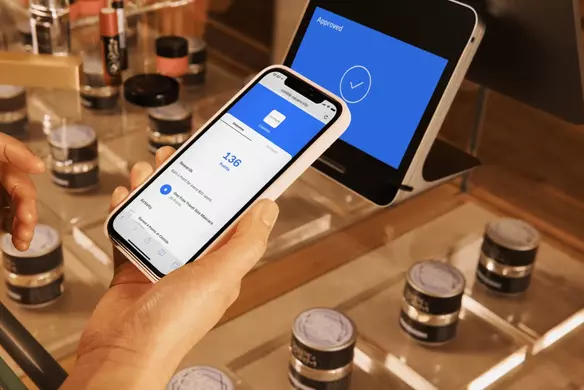
Digital loyalty programs like Square Loyalty integrate directly with your Square POS and Customer Directory, automatically tracking visits and purchases in real time. Each sale is synced across in-restaurant orders as well as online and mobile delivery or pickup orders, so rewards and points can be applied instantly without any manual steps.
This data can also be used to create customer segments that feed into Square email marketing and automation tools, allowing you to send personalized emails to loyal customers. The Square Future of Restaurants 2025 report showed 64% of diners appreciated alerts and notifications about relevant deals, with 84% valuing exclusive discounts most highly.
Choose a program type
The nine types of loyalty programs outlined earlier can seem daunting at first, but choosing the type that makes the most sense for your business can help narrow things down. For instance, if you’re interested in driving traffic to your website or app, a gamified loyalty program might make the most sense. If you’re interested in driving more revenue, consider implementing a loyalty program based on the amount spent. Using your goals and business needs to drive your decision can help position you for long-term success.
Pro tip: To design or revamp a restaurant loyalty program that truly resonates with your customers, look at your sales data. Spot trends, hot items and seasonal spikes that might help you understand when your guests most like to visit your restaurant, and what they like to buy. Use this data to structure a loyalty program that times offers with these buyer behaviours to help boost sales volumes.
Create irresistible perks
It goes without saying, but the perks included in a loyalty program matter. The most successful programs have rewards that offer free treats and discounted goods. But whatever the loyalty program, the rewards must be attainable. Depending on the pricing structure of your business, implementing an amount-spent-based loyalty program that doesn’t offer any perks until $500 is spent might not be the best course of action. Keeping your program reasonable can work to increase your success rate and make it more attractive to customers.
Market your program
Once you have your program structure set, tell the world. Use social media marketing, email or text campaigns and make them visible on your website and in your restaurant to help spread the word.
The Square 2025 Future of Restaurants survey found email was the number one way (63%) consumers wanted to be reached by restaurants, followed by text messages (44%). Email and text campaigns work best when they’re clear, visual and offer-forward. Lead with the incentive — whether that’s bonus points, a free treat or a limited-time discount — and keep your message short enough to scan at a glance.
Encouraging staff to mention loyalty programs to customers at the sit-down or checkout process is another direct and impactful way to promote your offers. This helps show customers its value in real time. Adding loyalty program information to your receipts, even if customers opt out, also gives them a chance to change their mind and still gain points. Running special promotional offers for loyalty program members only is another great way to encourage customers to sign up.
Measure results
Once your loyalty program has been live for two or three months, be sure to track how it’s performing. Analyze your results to see where you can improve or where you can add further value. Don’t be afraid to pivot and test out different options to discover which program works best for your business.
Outside of using data, talk to your customers. Using tools like Square Feedback can help you hear from customers in their own words and help you further determine how you can grow and improve your program.

Examples of successful loyalty programs in restaurants
Panera Bread
MyPanera, Panera Bread’s loyalty program, is a free program that earns visitors 10 points for every $1 spent. It also offers the standard free birthday treats and the option to receive rewards based on your favourite orders. The loyalty program had 48 million members as of 2022.
What sets MyPanera apart is its smart use of gamification to drive engagement and repeat visits. Through the app, members can take part in personalized challenges, track their progress toward rewards and unlock new perks as they spend more. For example, a frequent soup buyer might get a custom challenge to try a new flavour, earning bonus points or a free bakery item as a reward.
The program also uses visual progress bars and streak tracking to motivate customers to keep ordering, while personalized offers and in-app notifications help Panera make each reward feel timely and relevant. Together, these features create a sense of momentum and accomplishment that keeps members coming back.
When thinking about how to set your loyalty program apart, think about what your customers crave, what could surprise and delight them, and how you can keep them coming back.
Chipotle Mexican Grill
Chipotle Rewards is another free program that’s based on the amount spent. The program includes free birthday treats and an instant reward simply for signing up. Chipotle also offers value-added deals for frequent diners with members-only specials on new food drops.
Perhaps one of the greatest things about Chipotle’s Rewards program is that it markets itself as “the fastest way to free Chipotle”. This is enticing for customers because it lets them know upfront what to expect. A unique differentiator for Chipotle Rewards is that its rewards can also be used towards sustainable branded merchandise or charitable causes. Because Chipotle prides itself on using natural ingredients, aligning itself with sustainable apparel and charities such as the National Young Farmers Coalition makes sense for its brand and its audience.
To help your loyalty program resonate with your audience, analyze what they care about and why they should be loyal to your brand.
Pizza Pizza
Pizza Pizza is a Canadian-based quick service restaurant franchise. It offers an amount-spent loyalty program called the Club 11/11 Loyalty Program. By signing up, customers can earn 5% in Loyalty ‘Dollars’ that can be redeemed after every fifth visit towards their subsequent purchase.
Loyalty ‘Dollars’ are calculated on the subtotal of the purchase before taxes and can be earned both through take out and delivery purchases, and even added to gift card redemptions. By offering customers both an easy and realistic way to earn and redeem points with every sixth purchase, Pizza Pizza is earning itself a steady stream of returning customers.
Swiss Chalet
Canadian casual dining chain Swiss Chalet offers a points-based loyalty program through Scene+, which allows customers to earn one, point for every $3 spent on dine-in or takeout purchase of food and beverages (excluding alcohol where required by law).
At certain times of the year, customers can earn bonus Scene+ points with a minimal spend by loading the special offer. Customers can then redeem their points towards travel, movies, dining and shopping with Scene+’s participating partners. By offering customers flexibility and customization through this program, Swiss Chalet is showing an understanding of its customers’ rewards preferences, which can further encourage brand loyalty.
Starbucks Canada
Starbucks Canada offers coffee fans a tiered loyalty program that’s built around the idea of earning “Stars” that can be redeemed for free drinks, food and in-store merchandise. Starbucks Rewards members earn two Stars for every $1 spent when paying with a registered Starbucks Card, the Starbucks App or the TD Aeroplan Visa Card. Customers paying with cash, debit or other types of credit cards earn one Star per dollar spent, which they can load into their Starbuck app account.
Starbucks Rewards offers two tiers: Green and Gold. Everyone begins at the Green level, which unlocks benefits like birthday rewards, free in-store refills on brewed coffee and tea and access to bonus Star days, where they can earn multiple Stars on a single purchase.
After a customer collects 300 lifetime Stars, they’re bumped to the Gold tier, getting priority perks like free customizations and add-ons, exclusive offers and early access to promotions. Integration with Aeroplan and TD Rewards allows members to earn and redeem Stars even faster, linking daily coffee runs to broader travel and financial reward ecosystems.
Wendy’s
Popular fast food chain Wendy’s offers another points-based program. Members earn 10 points for every $1 spent through the app or online. Points are automatically loaded into the customer’s Wendy’s Rewards app. When the customer earns enough points, they can redeem them in-app, at the store or through an online order to buy any menu item. Customers can also use the app to scan the barcode on an in-store receipt to load rewards into their profile.
In true Wendy’s style, the company promotes their rewards program heavily on social media, with seasonal offerings, fun marketing campaigns and promotions to earn more points during certain sales windows.
Thai Express
Thai Express is a true Canadian success story. Offering quick service Thai food, the company began as a single restaurant in Montreal before expanding rapidly to more than 300 locations around the world. Part of this expansion included the launch of Thai Express Rewards, a straightforward spend-based loyalty program designed to reward repeat customers.
Customers start by joining the rewards program either through the Thai Express website or app. As a welcome offer, they receive 50 points that they can use right away, along with an offer for $10 during their birthday month. For every dollar spent, customers earn one point that can be used in-store, through the app, or via online ordering. For each 75 points earned, the customer also get $5 off their next order.
Thai Express also doesn’t shy away from direct communication with their customers. They invite users to sign up for email and text messages to learn about exclusive ways to earn bonus points, which are diner’s two most preferred ways to communicate with restaurant businesses.
La Cage
La Cage is a popular sports bar and brewery, with locations across Quebec. To reward loyal customers, they offer Club Cage, an exclusive, tiered membership program designed to boost repeat business and provide maximum personalization.
The program divides members into four progressive tiers — Pro, Elite, Platinum and Master — based on the total number of lifetime points they’ve accumulated. As members advance through the tiers, they unlock superior benefits, including increased points per dollar spent and more exclusive rewards. Points can be earned through the app for dine in, takeout and delivery orders.
In addition to the tiered system, the Club Cage app also uses gamification and spontaneous rewards to surprise and engage users. They also offer location- and event-specific rewards, like an offer of eight free wings whenever the Montreal Canadiens score five goals.
What do successful restaurant loyalty programs have in common?
The most successful restaurant loyalty programs are:
- Easy to join and use
- Track customer shopping habits
- Are fully integrated with how customers already order and pay
Programs like Starbucks Rewards or Pizza Pizza’s Club 11/11 automatically track purchases through the app or POS, removing the need for punch cards or manual scans. Rewards are calculated instantly, and customers can redeem them in a few taps either online or in the restaurant.
The best programs also personalize rewards based on customer behaviour. Panera Bread’s personalized challenges, create unique experiences for customers that are based on their dining behavior – catering to the 69% of customers that want personalized experiences from their loyalty programs.
Exclusivity is another defining trait of top-performing programs. Restaurants like La Cage use members-only perks and app-exclusive offers to keep customers engaged. This type of program is in high demand for restaurant-goers today, with 84% of restaurant guests saying exclusive discounts were the most valuable feature of any loyalty program.
Lastly, the most successful restaurants aren’t afraid to promote their loyalty programs on their website, social channels and via email or text message. And while this might seem uncomfortable at first, it’s something consumers want: 44% of restaurant-goers say restaurants need to improve customer relationships with faster and easier communication channels, and 64% specifically called out alerts and direct notifications as a way to do so.
Restaurant loyalty program FAQs
What do restaurant loyalty programs mean?
A restaurant loyalty program is a customer retention tool that rewards guests for their repeat business. It lets diners earn points, perks or discounts every time they order, either in-person, online or through an app. Over time, those rewards encourage customers to come back more often, increasing their overall spend and strengthening their connection to a brand.
What is the purpose of a restaurant loyalty program?
The purpose of a restaurant loyalty program is to drive repeat visits, increase average order value and build long-term customer relationships. By rewarding guests for consistent purchases, restaurants can turn one-time visitors into loyal regulars.
Are loyalty programs integrated with the restaurant POS system?
Yes, most modern restaurant loyalty programs integrate directly with a point-of-sale (POS) system for tracking and management.
For example, Square Loyalty integrates with Sqaure Point of Sale. Every sale made through your Square POS or online store counts toward a customer’s rewards in real time. Points and visit data are synced to your Customer Directory, so you can see spending history, segment your audience and send personalized email or SMS offers all from one dashboard.
Do restaurant loyalty programs attract customers?
Yes, restaurant loyalty programs are one of the most effective ways to attract and retain customers, especially when paired with exclusive discounts or personalized offers. In the Square 2025 Future of Restaurants report, 83% of restaurant owners said they were successful in driving both repeat visits and increasing average order sizes.