




Table of contents
Effective visual merchandising can help your retail store appeal to consumers, gain a competitive edge and boost your bottom line. Research shows consumers rate visual merchandising at 4.3 out of 5 for its influence on buying decisions, placing it near the top of factors that drive in-store purchases.
Let’s take a deep dive into what visual merchandising is, including planning, product placement and how careful curation can make a world of difference.
What is visual merchandising?
Visual merchandising is the retail practice of displaying your merchandise in an appealing way to encourage customers to buy more products and maximise sales. Visual merchandising encompasses more than just aesthetics and products: It’s also about advertising, brand awareness, displays, in-store layout, shopping experience, product promotion and more.

Merchandising strategies
There’s no one-size-fits-all approach when it comes to visual merchandise management. What works for a competitor might not be a fit for your business or customers. The merchandising techniques you employ will depend upon your goals, whether they’re to increase sales, raise brand awareness, build customer loyalty or increase foot traffic.
Some popular visual merchandising strategies include:
- Engaging displays: Creating unique, eye-catching window and in-store displays.
- Cross-merchandising: Pairing complementary products together to increase multi-product purchases.
- Free trials: Offer freebies to potential customers and clients, like trials, samples, tastings, giveaways and more.
- Strategic placement: Carefully curating products where they’ll catch customers’ eyes.
- Stocked shelves: Keeping shelves well stocked by leveraging smart inventory management techniques.
6 types of visual merchandising
There are several core types of visual merchandising that work together to shape the in-store experience and guide shoppers toward the products you want them to notice. Retailers often showcase items for specific reasons, such as limited-time offers that drive urgency, seasonal products with short selling windows, high-margin goods that lift profitability or slow-moving stock that needs to be cleared to free up space.
1. Window displays
Your window is your store’s first impression, and customers decide quickly whether or not to step inside. You only have moments to get noticed so your window display needs to be eye-catching and attractive enough to signal it deserves more attention. A strong window display should stop people in their tracks, showcase your newest or most compelling products and communicate your brand at a glance. When your windows feel fresh and intentional, you can increase foot traffic and set clear expectations for what customers will find inside.
2. Store layout
Your layout shapes how customers move through your space and how long they stay. A thoughtful layout guides people through key categories, highlights seasonal promotions and encourages natural browsing instead of quick exits. When customers can navigate easily and find what they need without frustration, they are more likely to explore, discover add-ons and return in the future.
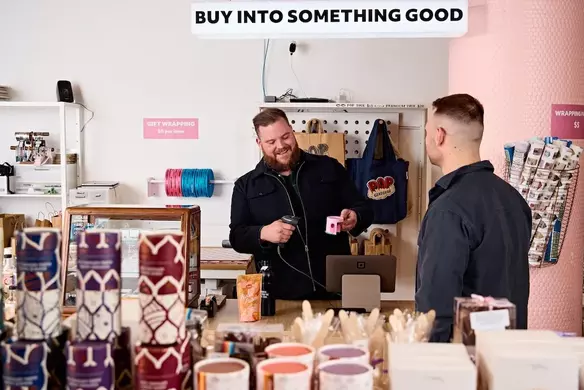
You can use queuing areas strategically, since shoppers often browse out of boredom while they wait. A meta-analysis in the Journal of Retailing and Consumer Services found that impulse purchases, including those in the checkout aisle, account for 40-80% of shoppers’ spending. That makes the checkout area a smart place to feature small, low-cost or promotional items that encourage last-minute purchases.
3. Product displays and focal points
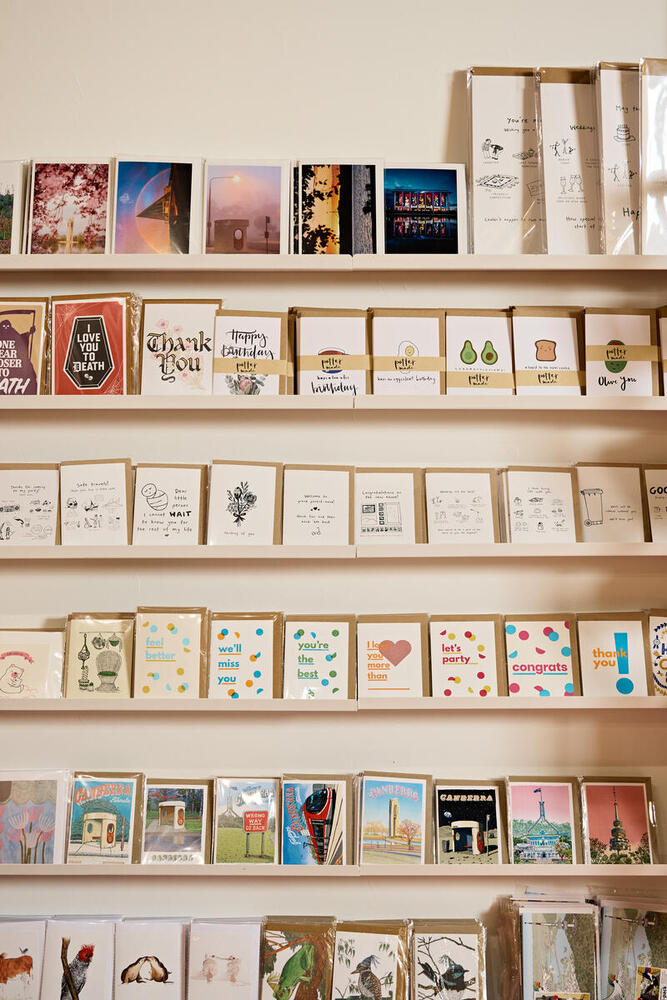
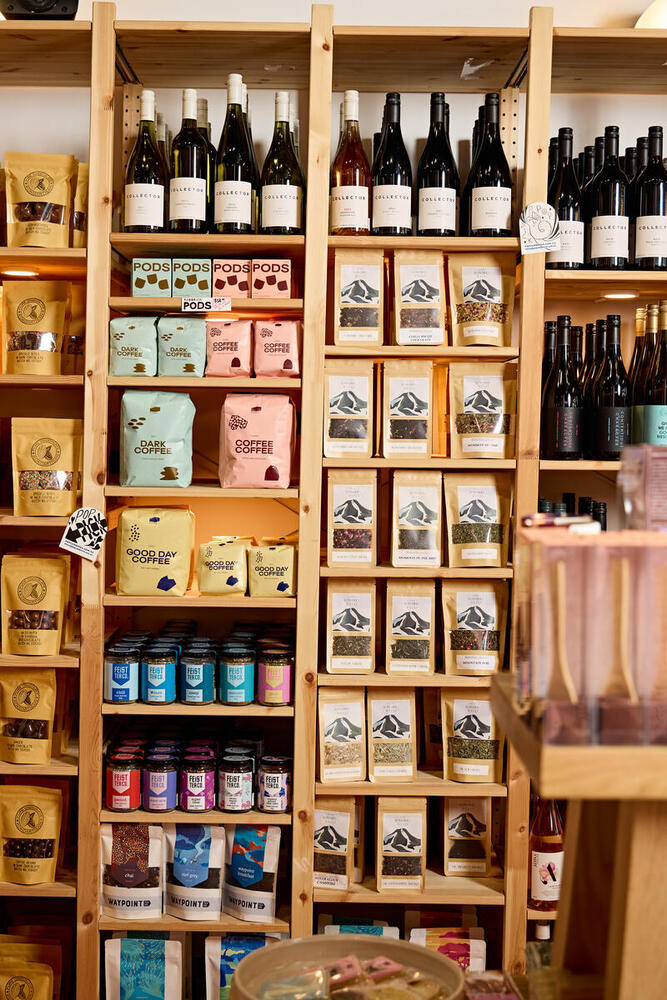
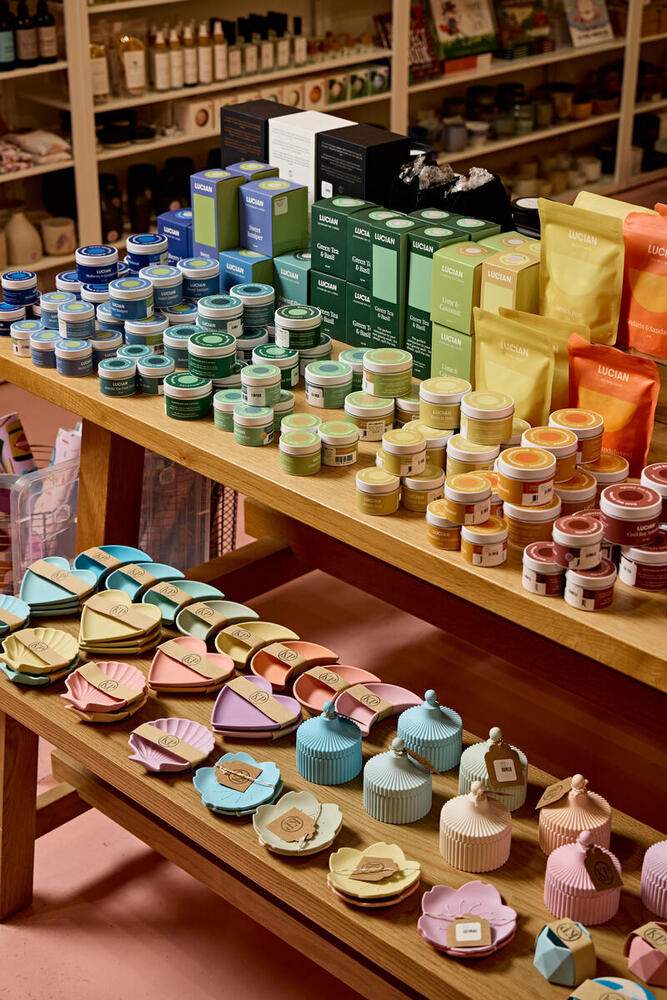
Tables, racks, shelves and feature walls act as visual anchors that tell customers where to look first. These displays help shoppers understand what items belong together and what deserves extra attention. Clean, well-styled focal points reduce overwhelm, support cross merchandising and make it easier for customers to picture products in their own homes or routines.
4. Mannequins and styled outfits
For apparel retailers, mannequins do more than display clothing. They show customers how pieces fit, move and work together as full looks. Styled outfits help people imagine themselves wearing the products and often lead to bigger baskets, since customers can see accessories, layers or complementary items that complete the look.
5. Signage and wayfinding
Clear, visible signage reduces friction and helps customers shop with confidence. Signs can direct people to departments, share product details or call out promotions and they should all feel consistent with your brand. When shoppers know where to go and what they are looking at, they spend less time searching and more time engaging with your products.
6. Lighting
Lighting shapes how your store feels and determines what customers notice first. Bright lighting can draw attention to hero products, while softer lighting creates warmth in areas meant for more reflective browsing. Good lighting reveals colour, texture and detail accurately, which helps customers make decisions and leaves a stronger overall impression of quality.
Visual merchandising tips
Here are our top tips to help you build displays that work harder for your business.
Plan your layout strategically
A well-planned layout helps customers move through your store easily and notice the products that matter most. Clear pathways encourage people to browse instead of heading straight to checkout. Keep aisles open, remove clutter and place high-margin items at eye level so they are easy to spot.
- Add a feature table near the entrance.
- Group related products to encourage add-on purchases.
- Use small “speed bump” displays, such as bins or tables placed in walkways, to slow customers down in high traffic areas.
Use lighting with intention
Good lighting brings products to life. Bright lighting highlights new arrivals or featured items, while softer lighting helps create warmth in the rest of the store. Layering different types of lights keeps your space looking polished and helps customers see details clearly.
- Check for burnt out or aging bulbs regularly.
- Use spotlights to draw attention to hero products.
Leverage colour and contrast
Colour influences how customers move through your store and how easily they notice product differences. A simple palette keeps displays clean and cohesive, while intentional contrast helps highlight promotions or seasonal items.
- Use colour blocking (grouping items by similar colours) to make collections feel cleaner and easier to browse.
- Add a small pop of colour on signage or props to draw attention.
Create thematic and seasonal displays
In visual merchandising, a theme is the central idea that connects the products in a display, giving customers instant context and helping them understand what the display offers. Seasonal or event-driven displays make your store feel current and guide shoppers toward timely purchases. Rotating themes keeps your space interesting for returning customers.
- Build simple stories such as “holiday hosting”, “spring refresh” or “back-to-school.”
- Feature staff picks to spotlight popular or recommended products.

Incorporate interactive and sensory elements
When customers can touch, test or experience products, they may be more likely to purchase. According to research from The Harris Poll, 86% of shoppers aged 18-44 say that being able to touch products is essential to deciding whether to make a purchase. Sensory elements like music, scent or interactive tools help create a memorable shopping experience and increase engagement.
- Keep key products unboxed so customers can try them.
- Add QR codes that link to reviews, sizing or product details.
- Use scent or music thoughtfully to influence pace and mood.
- Build Instagrammable displays that inspire customers to stop, snap and share.
Strengthen your brand through design
Every display should reinforce the look and feel of your brand. Consistent fonts, colours and signage help customers recognize your store immediately and build trust. Props and styling choices should match the experience you want your brand to deliver.
- Use the same style of signage throughout the store.
- Keep fixtures and decor consistent with your brand’s personality.
Refresh and refine your displays regularly
Merchandising has the most impact when it evolves with customer behaviour. Regular walkthroughs help you spot clutter, gaps or displays that feel outdated. Updating windows, feature tables and layouts keeps your store feeling active and encourages repeat visits.
- Review your point of sale (POS) data to see which products are often bought together.
- Refresh seasonal displays and feature tables on a set schedule.
Benefits of merchandising
Appealing to the senses can give a retail store that extra wow factor and draw people in to browse. Even if customers aren’t in a buying mood when they enter a business, effective and on-brand merchandising helps in other ways that can lead to longer-term success.
- Brand-building: Brand recognition and loyalty that make people want to tell others about your business.
- Customer engagement: More engaged shoppers who spend more time in store.
- Greater customer satisfaction: Positive in-store experiences can help you build up clientele and increase sales over time.
- Faster inventory turnover: Reduced chance of dead stock and better inventory management.
Consider hiring a visual merchandiser
A visual merchandiser is a retail professional who designs and maintains the in-store displays, layouts and product presentations that shape the customer experience. They decide how products should be arranged, styled and highlighted so shoppers can find what they need easily and feel inspired to explore more. A strong visual merchandiser understands design, customer behaviour and brand storytelling, and uses that mix of skills to help a store look its best and sell more effectively.
If design isn’t something you want or have time to handle, you could consider hiring a visual merchandiser to help you display the right products in the right quantities to influence shoppers and increase sales. Better still, they’ll create a merchandising plan you can implement throughout your retail outlets to maintain consistency. Hiring a merchandiser is an added expense, but one that could pay for itself by driving more revenue.
Visual merchandising FAQs
How important is visual merchandising?
Visual merchandising is important because it directly influences buying behaviour, making it easier for customers to discover products and increasing the likelihood of a sale. At its core, visual merchandising lies in reducing friction by helping shoppers navigate the space, understand product groupings and make decisions without feeling overwhelmed or lost. When these visual cues are thoughtfully designed, they create a more engaging shopping experience that encourages exploration, interaction and purchase.
What is considered merchandise?
Merchandise is any product or item a retailer stocks and sells, including everyday essentials, specialty items and seasonal goods. Anything displayed on your shelves, racks or feature tables for customers to buy falls under merchandise.
What is an example of merchandising?
A common merchandising example for a retail store would be to create an eye-catching display at the store entrance. If it’s a clothing store, this will likely involve mannequins dressed in well-styled outfits. For other retailers, such as kitchenware suppliers, displays could feature coordinated cookware sets, styled countertop scenes or utensil groupings that show how the products work together in a real kitchen.