




Table of contents
As a healthcare practitioner, you understand the value of happy patients. But keeping your patients happy doesn’t end with your prescribed treatments. Every aspect of the office visit adds to patient experience – and determines if they’ll return to you for future care.
Payments Options, Efficiency, and Satisfied Patients
Aside from providing patient care, your practice’s core administrative activity includes processing payments. There are different types of payment systems in healthcare. If you can offer flexibility so patients determine where and how they want to pay for your services, you improve their entire experience. Tools like those offered by Square make it simple to streamline your healthcare payment systems.
A typical day in the life of a patient is likely quite busy – work, family responsibilities, household chores – and the occasional doctor appointment. With such a busy schedule, your clients can’t afford lengthy appointments spent filling out an intake form. Square now integrates with IntakeQ so you can offer your patients customized forms that they can fill out wherever and whenever it’s convenient for them – even if that means five minutes before they arrive for their appointment.
When your patients arrive, they’ll have minimal wait times because they can book their appointments through the app. They’ll spend the majority of their time in your office with you, which adds a favorable impression to visits. No flipping through magazines while waiting – and no more complicated forms.
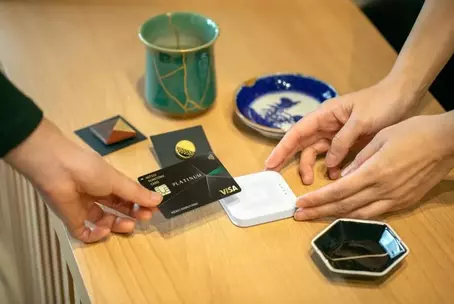
After the appointment, it’s time for payment. You can offer various payment options at your reception desk and opt for streamlined hardware that will look nice in your office, such as:
In addition to these physical payment options, you can also integrate invoices and appointment setting so patients can see your availability and choose the day and time that works best for them. You can even incorporate an online payments portal so patients can pay how they wish, such as prior to their appointment.

Protecting Patient Data – PCI DSS & PIPEDA Compliance
Personal Information Protection and Electronic Document Act (PIPEDA) regulations state that all medical providers must protect their patients’ medical information. You must not only protect your patients’ private medical information, but you must also protect any other personally identifying information, including but not limited to:
- Name
- Age
- Gender
- Address
- Credit card or bank information
PCI DSS, or Payment Card Industry Data Security Standards, are the standards that sellers must meet when accepting, storing, processing, and transmitting cardholder information during a transaction.
If you have a merchant ID and you accept cards for payment, you must follow PCI DSS compliance rules to help prevent breaches. Some requirements include setting security policies for your employees and the business, as well as not storing card information in your processing system or payment terminal.
Maintaining PIPEDA Compliance When Processing Payments
After you enter a business associate agreement, or BAA, with your payment processor, you’ll need to take specific steps to ensure you remain in compliance with PIPEDA. These include:
- Keeping patient health information (PHI) private, which includes treatment or care details, and only offering the necessary information to process payment.
- Not sending payment receipts through text message or unsecured email – your payment processor shouldn’t either.
- Keeping your encryption tech updated, such as point-to-point encryption (P2P) and P2P encryption validated by PCI.
- Never storing any patient information or card information unencrypted in any form. It could fall into the wrong hands and you could be held liable.
- Upgrading to chip card readers, which has been shown to help reduce fraudulent activity by 76%.
Work With Square Today
We can help you ensure all of your patient health data and transaction information remains safe and secure. Choose just the tools you need, or get the entire suite of Square tools for healthcare practices. Work with Square today.