




Table of contents
The layout of your restaurant can create a special atmosphere and experience for your customers. It also plays a crucial role in building an efficient and well-run restaurant.
When a customer enters a restaurant, they notice the atmosphere and take notes. Maybe the dining room is airy and spacious or feels more cozy and intimate. But if they bump into a server on the way to their table or get seated in a less-visible corner and wait 20 minutes to get water, it can throw a wrench in their evening. These are only a couple of examples of why your restaurant layout matters.
If you’re wondering how to create a restaurant floor plan that makes sense for your space, this guide breaks down everything you need to know about the process.

What is a restaurant floor plan?
A restaurant floor plan is a map of your restaurant that includes detailed drawings of your dining room and other front of house spaces, your kitchen and back of house areas, as well as all entrances and exits and even washrooms. It encompasses both indoor and outdoor service areas, whether you have a lobby bar, a rooftop or sidewalk patio.
Each area includes its own elements. For example, the dining room floor plan shows the placement of tables and chairs, while the kitchen floor plan shows where prep areas, refrigerators, sinks and equipment are.
When you create a restaurant floor plan, you’re trying to achieve a few key things. Design an enjoyable experience for diners, facilitate effective workflows and comply with health and safety regulations such as the National Fire Code of Canada or provincial/territorial food safety guidelines, which are governed by local public health units. You’ll typically be asked to provide your restaurant floor plan when applying for permits and licences like a food premises permit.
Who designs a restaurant floor plan?
There are two paths to designing a restaurant floor plan. Hiring an architect or interior designer who can help guide the vision and provide final designs, or doing it yourself. The best choice depends on the size of the space you’re working with, your concept and budget — and how comfortable you are playing around with design tools.
Hiring a professional makes the process seamless, as you’ll only need to give feedback and approve designs. They’ll be able to tell you what’s possible or not, what you need to function and stay compliant, and how to tie everything together in an aesthetically pleasing way. Restaurant design experts are also aware of details you might overlook, like whether servers can see all tables easily or how to map out paths that flow well between the entrance, dining room, kitchen and other areas.
That said, outsourcing your restaurant floor plan design is an investment, and architects and interior designers typically work on a package basis that includes both the conceptualization, layout and the build-out. According to Build It, restaurant interior design can cost anywhere between $85 to $500 per square foot including the build-out.
But what if you are working with a small, simple space that doesn’t need extensive renovations? In that case, a DIY restaurant floor plan can make a lot of sense. There are a number of tools you can use to help design your space, like RoomSketcher, SmartDraw and Floorplanner. They’re relatively easy to use if you’re comfortable with technology and include drag-and-drop features to design your floor plan.
You’ll need to double-check all measurements and look into local health and safety requirements to include elements that inspectors would look at in a permit application, like a separate handwashing sink in the kitchen.
If you feel good about your layout but just want a second opinion about technical details, consider hiring a restaurant design consultant on an hourly basis. It’s cheaper than going with a full-service design and build-out package, but still helps you avoid issues that can cost more money down the line, like realizing too late that you need to renovate a section of your kitchen. According to Articulated Design Studio, consultant rates can vary across the interior and architectural design industry, but they typically begin at $150 per hour.
How to create a restaurant floor plan
Whether you create your own restaurant floor plan or hire a professional to do it, it’s important to understand the steps involved before diving in. There are several priorities to balance. Your space needs to be functional and compliant while bringing your brand vision to life (often on a budget).
You might need to adjust your original ideas based on practical constraints like the size of your space. Let’s say that you picture a large bar at the end of the dining room, but you also want 50 seats and a few booths. Once you start creating your floor plan, you might realize everything won’t fit – so you decide to skip the booths.
The steps below will help you successfully create your restaurant floor plan with style and function in mind.
1. Define dimensions and visibility
Whether you’re starting from scratch and turning a space that wasn’t a restaurant into one, or working with a space that’s already outfitted to be an eatery, you’ll need to start with measurements.
This is a crucial step of the process, as the accuracy of your floor plan depends on getting dimensions right. It’s not just about figuring out what fits, but considering how different elements interact. You’ll also need to identify infrastructure that can impact how and where you place furniture, decor and equipment, such as plumbing lines or ventilation systems.
What to measure
Start with the total length and width of the space, and repeat the process in each room. This will give you your total square footage. Then, measure the length and height of each wall separately. Ceiling height can impact your lighting and there are also fire code compliance requirements to consider. For example, commercial kitchens exhaust hoods need to be installed at a specific height in relation to cooking surfaces.
Move on to the doors and windows, measuring their width and height as well as how far they are from adjacent walls. You should also write down whether doors and windows open inwards, outwards or slide, since it can impact other design decisions. For example, a door can block traffic and windows can affect ventilation.
You’ve covered the big areas but the measuring work isn’t over. You have to measure potential walkways and service paths too, noting any partitions, beams or columns that you have to work around. You’ll need to include walkways and service paths on your floor plan when applying for licences and permits, as maintaining clear, unobstructed pathways is necessary to comply with fire code laws and accessibility requirements. For example, Ontario’s fire code dictates that every required exit has to be served by an aisle with a clear width of at least 1100 mm, while accessibility standards require barrier-free routes.
Finally, measure any built-in pieces of equipment or furnishings, like a bar, kitchen island or kitchen appliances, as your restaurant floor plan should give you a real picture of the usable space you have. These furnishings can also impact workflows, like the way you arrange food prep stations.
What to locate and identify
Once you’ve measured dimensions, there are structural elements to identify and locate. Things like plumbing lines can’t be easily moved (at least not without spending a lot of money) and they can impact design decisions, so you need to know where they are.
- HVAC ducts and vents: Kitchen ventilation is one of the most important compliance considerations, as a restaurant can generate a lot of heat and grease buildup. Take note of HVAC ducts, vents and exhaust hoods. You can often leverage the existing ventilation system of your space, but you’ll sometimes need to make modifications based on cooking volume. A mechanical contractor can help estimate airflow capacity and tell you whether it aligns with your vision.
- Plumbing lines and drains: Locate existing water lines, floor drains and waste pipes, as you can’t change these without breaking down walls, which can cost a lot and take time. They also impact where you place certain things, like kitchen and bar sinks.
- Electrical outlets and circuits: Identify all outlets and their respective voltages, since you’ll have to make electrical-based design decisions like where to put kitchen appliances or install your point-of-sale (POS) system. For example, if you use Square for Restaurants, you’ll need outlets near your Kitchen Display System (KDS), receipt printers and charging stations if you go with portable terminals like Square Handheld for taking orders and payments.
- Gas lines: Gas stoves and grills are common in the Canadian restaurant industry, as gas systems offer high performance and tend to be cheaper than electricity. Before imagining your chef expertly handling open flame cooking, confirm where gas lines are placed, as rerouting them can be tricky and expensive.
- Sprinkler systems and fire alarms: Maybe you’re set on having a big chandelier in the middle of your dining room, but it won’t work because it’s too close to a sprinkler. Map out all sprinklers and fire alarms early to comply with fire code requirements.
What to note
How your floor plan impacts the way your space is perceived from the street forms the perception guests have of your brand. Consider the following aspects of your layout to increase street visibility:
- Entrance placement: Where is your entrance located? If it’s on a main street with high foot traffic, you can place your host stand right next to the door to give passersby a glimpse of the action inside. If it’s tucked away, maybe you make up for it with more lighting and decor right in the entryway to reinforce your brand and guide guests inwards. Is the cold wind coming in? You might want to add heavy curtains to keep customers warm.
- Window placement: Windows can help you maximize natural light. You can decide to add larger windows if your budget allows for it, or strategically design your floor plan around window placement. For example, window seating is often an appealing option for diners.
- Exterior signage: While your exterior signage and lighting doesn’t need to be on your floor plan, it can affect where you place other things. For example, if your sign partially blocks a window, you can move a table to put it closer to the light.
2. Identify key zones
It’s time to zoom in on the core areas of your restaurant. While some decisions are more rigid, like placing the washroom and kitchen where plumbing and equipment allows for it, there is room to get creative. Plan the placement of the following zones:
- Waiting area: Your waiting area follows your entrance but it shouldn’t be so close to the main door that it causes congestion. The placement of your host stand matters too — customers need to be able to quickly spot hosts, while hosts need to be able to see the entire waiting area to effectively greet guests and manage wait times.
- Dining room: Your dining room is the star of your restaurant so it should take up the most space, be bright and visible and ideally be near windows too. Guest seating should be kept far away from washroom doors or dish return areas.
- Bar: If you’re going to have a bar, it’s most efficient to place it between your dining room and kitchen. That way, servers can easily grab drinks on their way to the dining room. Your bar also needs its own plumbing and electricity, which can affect your placement. Both staff and guests will also need enough space to move around the bar safely.
- Washrooms: Diners should be able to easily find the washrooms but not notice them while they’re eating. Clear signage and a well-lit path help to guide people in the right direction.
- Kitchen: Maybe you want an open kitchen concept and need to knock down walls between your kitchen or dining room, or you’d prefer a less-visible setup. Regardless, it’s usually best for your kitchen to be behind or near your dining room for service efficiency. You’ll need a pass-through counter for servers to be able to easily grab dishes and easy access to waste disposal areas.
- Storage: Storage should be easily accessible from the kitchen. Cleaning supplies typically need to be kept separate from food to comply with public health regulations, which vary depending on your municipality. You’ll also need enough extra space to easily restock goods.
- Office space and staff rooms: You’ll ideally need at least one office for your restaurant manager, a designated break area for your team, lockers for personal belongings and, if space allows for it, a separate washroom for team members.
- Pickup/dropoff zone: If you plan on offering takeout and food delivery, is there somewhere where you can put clear signs and a counter for delivery app drivers? Your pickup and dropoff zones should be easy to access and keep organized.

3. Choose furniture and equipment
Your furniture, equipment and restaurant layout go hand-in-hand. From your tables and chairs to your server stations, selecting all your furniture early and knowing the exact dimensions of each item can help you make sure everything fits together and flows.
Here are a few tips to make the right choices:
- Prioritize durability: Products that meet ANSI/BIFMA industry standards, which provide a benchmark for the safety and performance of commercial furniture, tend to be more durable, safe, ergonomic and sustainable, so look for a furniture supplier that checks that box. Your furniture should not only look good but also be easy to clean and repair, as your tables and chairs will be used thousands of times. Prioritize pieces with solid construction, sealed surfaces and long-term warranties. As for kitchen equipment, high-grade stainless steel is a solid choice.
- Think of ergonomics and staff comfort: Your team will be spending hours on their feet serving guests, preparing and cooking food or cleaning. When choosing tables and counters, consider whether they have a comfortable working height. Appliances and shelves should also be easy to reach without crouching or overextending.
- Consider concept and customer experience: Whether you’re opening a modern fine-dining restaurant with a seven-course tasting menu or a cozy gastro-pub with a classic look, your furniture has to match your vision and take the customer experience into account. For example, if you’re going with a contemporary aesthetic, think clean lines and sleek chairs. Premium materials like marble or walnut can elevate the sophisticated atmosphere of a high-end restaurant. If you’re opening a casual eatery, consider rustic, mismatched furniture or simple wood tables with metal chairs.
- Factor in safety and compliance: Electrical products that plug into an electrical outlet, like kitchen and bar appliances, must meet Canadian national safety standards and have accredited certification marks like CSA, cUL or cETL. Tables and counters need to have non-porous, easily sanitizable surfaces to comply with hygiene regulations and upholstered or fabric materials should be flame-retardant for fire safety.
4. Define the concept and atmosphere
From the colour of the walls to the material of the seats and the placement of lighting, there are several decor and design choices that can help turn your restaurant vision into a reality. For example, the warmer the lighting, the more intimate your space might feel. And that large wall that you’ve recently measured? It would be perfect for statement artwork that customers can admire on the way to the washroom. Even acoustics matter. Hard surfaces like concrete tend to amplify noise, whereas upholstery and curtains can absorb it.
Once you’ve given thought to all the details of your layout that are going to affect the atmosphere of your restaurant and bring your concept home, make sure everything feels cohesive, from the entrance to the dining room and washrooms.
5. Visualize the layout
Visualizing your layout with restaurant floor plan software like RoomSketcher, SmartDraw or Floorplanner can help you check scaling, test various configurations and troubleshoot potential issues.
A digital layout also helps you walk through the customer journey. Put yourself in your customers’ shoes. What do they see when they walk to their table or as they make their way to the washroom? How can you improve their experience? Maybe it’s by putting clear signage to show them the direction of the washroom or placing the cream and sugar right next to the coffee station.
As you finalize your layout, think about operations too. You can use your POS system to plan seating arrangements, reservation zones and map out the flow of service in different scenarios. For example, with Square for Restaurants, you can create a floor plan in your Square Dashboard. You can group tables in sections such as your dining room, bar or outdoor patio and have multiple floor plans for different occasions, like a lunch and evening layout. You’ll quickly notice if your seating plan clashes with your staff schedule.
Plus, Square integrates with tools like OpenTable to automatically sync online reservations with your floor plan. This prevents double-bookings and helps hosts, servers and managers see table status in real-time to keep service moving smoothly.
Types of restaurant floor plans
When you design different areas of your restaurant, consider the unique features that make them function well and impact the customer experience. From your entrance and waiting area to your payment station, washrooms, bar and dining area, here are different types of restaurant floor plans and how to best design them.
Restaurant kitchen floor plan
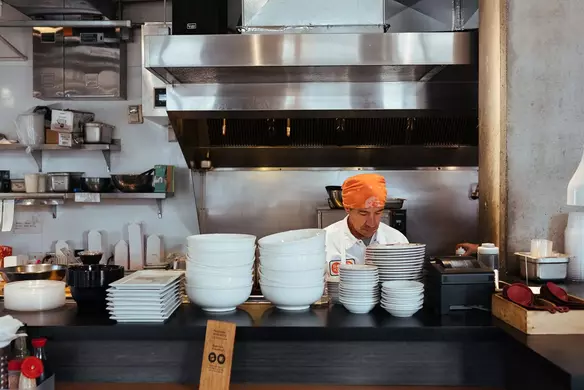
Your kitchen is the heart of your operations. Without efficient workflows, you can compromise food quality and safety. You need to think about designing a kitchen configuration that allows staff to efficiently create meals at a fast pace. You also want an ergonomic design that minimizes movement in the kitchen so no one is bumping into each other.
This time, put yourself in the position of each kitchen staff member to create the best flow. If a dishwasher has to walk through a crowd of several other people to put clean dishes back on the shelves, you have to revisit your process. Ideally, people’s lines shouldn’t be crossing. Draw out the flow of team members, hot and cold food, dishes and other items to optimize your kitchen floor plan.
This also means the appropriate ingredients and tools should be easily accessible to each staff member. To do this, you may create an assembly line configuration, zone configuration or island-style configuration.
- An assembly line configuration where dishes move through stations in sequence is ideal for kitchens that serve a lot of people quickly or restaurants with limited menus that make a lot of the same food, such as sandwiches or pizza.
- A zone configuration puts the major equipment along the walls and separates the kitchen into specialized areas for prep, cooking and plating, leaving the centre space wide open. This allows for strong communication and seamless movement. It works well if you have a large team and a more complex menu, as it prevents cooks from getting in each other’s way and lets team members specialize in their areas of expertise, from desserts to plating.
- An island configuration puts the ovens, ranges, fryers, grills and other core cooking equipment together, side-by-side, at the centre of the kitchen. The other sections of the kitchen are placed on the perimeter walls to preserve a circular prep and cooking flow, while chefs have a central workspace where they can easily move around and communicate with the team. This might be the right fit if you have an open-concept kitchen or a smaller team – there’s enough space for everyone and it’s a visually appealing setup for customers watching the action.
The dining room floor plan
Your dining room layout can make the difference between an enjoyable visit and a disappointing one. If tables are too cramped, guests might feel uncomfortable. If they’re too spaced out, it might slow down service.
If you’re unsure where to start, there are industry guidelines around seating density, which is your total square footage divided by the number of seats. According to Back of Napkin, you should aim for the following space-per-customer ratios when designing your dining room floor plan:
- Fine Dining: 18–20 sq ft per person
- Casual Dining: 15–18 sq ft per person
- Fast Casual: 12–15 sq ft per person
Mixing up different table sizes and types can help you balance the intimacy of the dining experience with operational efficiency. For example, you can have a blend of two-person and four-person tables, which you can always bring together for group reservations, with one or two larger communal tables and a few booths.
Regardless of the configuration you go with, always leave plenty of room for both guests and servers to comfortably move without bumping into furniture or people. And avoid putting tables in high-traffic areas, like in the pathway between the dining room and kitchen.
Payment station and POS system floor plan
You may not think of mapping out payment stations and your POS system, but it’s an important step to prevent bottlenecks that slow down service.
Position POS stations near server sections so they’re easy to reach, close to a power outlet and away from busy parts of the restaurant. They don’t have to take up a lot of room and you could consider a wall-mounted setup to make the most of a small space.
A discreet counter near a power outlet can accommodate modern hardware like Square Stand, which turns your iPad into a sleek POS or Square Register, which features one screen for your customers and one for your staff. You can also add charging docks for portable terminals such as Square Handheld, which only weighs 315 grams and lets servers take tableside payments.
The entrance and waiting area floor plan
Your entrance and waiting area shouldn’t be an afterthought, as it can make or break a customer’s first impression. Don’t leave any detail up to chance. Ask yourself, what are guests going to experience when they walk through the door? Will they spot the host easily and be welcomed with eye contact and a smile? What will they see while waiting to be seated?
There are a few key elements to consider when creating the floor plan of your entryway:
- Host stand placement: The host stand should be immediately visible when guests walk in, while also letting hosts have clear sightlines to both the entrance and dining room. Just don’t put it too close to the door or it can cause congestion.
- Traffic flow into the dining room: Leave enough space between the entrance and dining room for people entering and exiting the restaurant. Keep the path clear of decor or chairs so it’s easy for guests to follow the host into the dining room.
- Waiting area design: Depending on how much space you have, offering a few simple, comfortable seats to customers waiting for their table is an appreciated gesture — think benches or even a small lounge. Don’t block access to the host stand or dining room.
- Branding elements: Your entrance and waiting area provide an opportunity to reinforce your brand from the get-go. Elements like a wine display, a textured accent wall or layered lighting can set the mood and get customers excited about discovering your establishment.
The bar floor plan
Your bar plan informs the customer experience and overall atmosphere. A central bar can foster a lively ambiance as it’s visible and fosters interaction. On the other hand, a side or back wall bar encourages intimacy and gives off a more subdued vibe.
Bar size and seating can affect service and ambiance too. More bar stools means a higher seating capacity but you’ll need more staff and space to serve guests, whereas fewer seats can make for a more relaxed experience with a single bartender.
Regardless of the option you choose, a clear, accessible pathway between the bar and kitchen is key. Bartenders can take food orders and send them straight to the kitchen with Square for Restaurants, while servers or bussers deliver dishes to customers at the bar. This allows servers to focus on the dining room and bartenders to focus on drinks while maintaining a smooth flow of service.
The washroom floor plan
A floor plan for your washrooms should cover a few different bases, from accessibility requirements to continuity with the style of your restaurant. Here’s what to keep in mind when mapping out your washroom floor plan:
- Location: Nobody wants to look at a washroom while eating. Washrooms should remain easy to find but not visible from the dining room, and if possible, shouldn’t be so close to the kitchen that patrons using them cause an obstacle for staff. The back or side of the dining room is ideal, and if you can afford a private washroom for your staff in the back of house, it’ll be better in terms of hygiene and efficiency.
- Accessibility: Look into your provincial or territorial building codes to understand accessibility requirements. They will generally follow CSA/ASC B651 accessible design standards, like having at least one accessible toilet, sink and accessories, as well as a minimum floor space of about 2,100 mm by 2,100 mm in front of accessible stalls.
- Hygiene and maintenance: A guest can have an amazing meal only to be turned off by the state of your washrooms. Cleanliness is a non-negotiable. If you can include a janitorial closet in your washroom floor plan, it will be easier to perform regular maintenance. Touchless flushing, faucets, soap dispensers and hand dryers can also help reduce germs. Make sure that there is sufficient ventilation to control odours and humidity.
- Design and guest experience: Harsh, bright lighting can clash with an elegant, dimly-lit dining room. Design your washrooms like you would design the rest of the space, keeping materials and finishes consistent. Small, intentional touches like art or a basket of real hand towels can elevate the customer experience.
Save room with portable POS systems
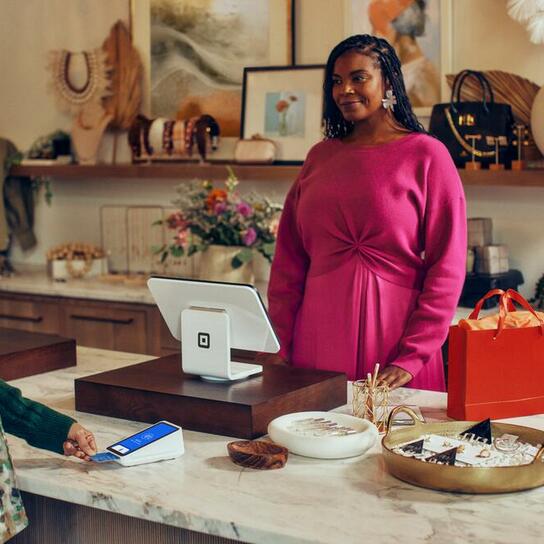
It’s often hard to make everything fit in your restaurant floor plan. But your POS system and payment stations don’t need to take up much space. Equipping servers with a portable POS like Square Handheld can save precious space by removing the need for extra counters, clunky cash registers or wires. The battery is meant to last all day, so servers don’t have to worry about charging devices mid service.
Square Handheld enables tableside payments, which can transform the flow of service for the better. A server can take an order, send it to the kitchen, get flagged by another table for the bill and quickly go over to take the payment without missing a beat. This minimizes traffic in the dining room and speeds up service for guests, which keeps customers happy and allows you to turn more tables.
Factors to consider when creating your restaurant floor plan
A successful restaurant floor plan balances compliance, efficiency, comfort and profitability. Before committing to a final design, consider all the factors below to avoid costly revisions.
Restaurant building codes and regulations
Building and fire codes in Canada are provincial/territorial, but typically enforced on a local level, so you’ll need to consult your municipality’s website early on to make sure your restaurant floor plan is compliant with local regulations.
Laws can be very specific and impact your design. For example, restaurants in Toronto have to install grease traps on any pipe that connects directly or indirectly to a sanitary sewer system. Look into regulations around the placement of fire exits, lighting and ventilation, maximum occupancy rules and kitchen requirements.
Accessibility guidelines
Accessibility isn’t just about compliance but offering an inclusive customer experience. Exact laws vary based on your location — a restaurant in Ottawa would need to comply with the Ontario Human Rights Code, the Accessibility for Ontarians with Disabilities Act (AODA) and the Ontario Building Code, for instance — but there are a few universal principles to keep in mind when designing your space.
Pathways need to be wide enough for wheelchairs. According to CAN-ASC standards, this means floor space that is a minimum of 900 mm in width and 1500 mm in length. Where a wheelchair user has to perform a turning manoeuvre, like in a washroom, you need a minimum turning space of 2100 mm by 2100 mm. There are also specific guidelines around doorways and table heights, which you can consult here.
Dining area size
The size of your dining area is a crucial aspect of your restaurant floor plan, as it affects seating capacity, service speed and atmosphere. Think about how many guests you can serve comfortably and efficiently without compromising safety and compliance.
A very large space can slow down service, as servers have to walk around more to turn tables, while a smaller dining room limits your capacity and can also easily lead to congestion. A bar takes up space, but including one can be a strategic decision, as people tend to spend less time at the bar, which means you can increase the volume of guests you serve.
You’ll need to balance your front and back of house space when making decisions. Many establishments choose to have a larger front of house to maximize seating capacity (and therefore profit potential), but it depends on the concept. For example, there are very small, high-end restaurants with only a few seats that provide an exclusive dining experience. Yet, they are profitable because they’re always booked, their menu prices are higher than average and they operate with a lean team.
Space per customer
As much as you want to maximize seating capacity, you don’t want to do it at the expense of the customer experience. When a diner can’t get to their seat without asking their table neighbour to move, your space is probably too cramped. And that customer isn’t likely to come back, which can impact your long-term revenue potential.
According to Back of Napkin, these space-per-customer ratios are ideal for comfort:
- Fine Dining: 18–20 sq ft per person
- Casual Dining: 15–18 sq ft per person
- Fast Casual: 12–15 sq ft per person
Space planning is all about balance, and these numbers are only guidelines. Your ideal setup should prioritize the comfort of guests, help staff work efficiently and maximize revenue potential.
Profitability
When you create a restaurant floor plan, you’re not only making aesthetic and functional choices, but shaping your business’s profit potential. Talk to local industry peers and restaurant consultants to determine revenue goals based on your concept and location. Calculate how many seats you need to reach those goals, factoring in how many tables your team will realistically be able to turn and your average menu spend.
Restaurant table type and spacing
Your table type and spacing can also affect your layout, and there are pros and cons to different options. For example, round tables can help create a warm, friendly atmosphere by encouraging people to chat more, but they take up more space than square or rectangular ones and are less easy to reconfigure.
Mixing and matching different types of tables can give you more flexibility and accommodate groups, small parties and everything in between. Remember that you’ll need to leave enough space for both servers and staffers to move around comfortably.
Budget considerations
It’s easy to keep adding elements to your restaurant floor plan, but chances are, you’re not working with an unlimited budget, and certain choices can increase total costs quickly. To invest smartly, think about the elements of your layout that impact operations and customer experience the most, like your kitchen equipment and furniture.
Technology is also a huge part of running a successful restaurant. According to Square data, 77% of Canadian restaurateurs spend more time researching and implementing new tech than they did a year ago to elevate the guest experience and streamline operations.
Outfitting your restaurant with a modern restaurant POS system is a smart move. An all-in-one solution like Square for Restaurants helps you save valuable counter space by replacing bulky hardware with sleek, wireless devices like Square Handheld. Meanwhile, Square KDS helps maximize service flow by keeping communication running smoothly between front and back of house and minimizing the need for back-and-forth trips, which reduces errors and helps your team work smarter.