







At a time when costs are rising, margins are tightening and staffing remains a challenge, these connections matter more than ever. When individual businesses become part of a community, they create resilient neighbourhoods where one owner’s success supports the next.
There are thousands of these local networks around the country, making up the heart and soul of Canada’s national economy.
For this report, we examined internal Square transaction data along with a survey of more than 1,000 Canadian consumers and business owners to explore how these connections work: how loyal customers stabilize local economies, what people prioritize when budgets are tight, and how businesses can grow – and help neighbourhoods thrive – by making customer experiences smooth and memorable.

Why neighbourhoods matter to how customers spend
Customers care about spending locally – but they’re navigating a lot
People are feeling a financial pinch – and it’s showing in how they choose to spend their money. Of the Canadians we surveyed, 21% said they expect to spend less and just 14% said they will be spending more on retail items over the next 12 months, with a similar trend in salons, gyms, and general services like contractors and auto shops.
The first thing to go when money is tight is discretionary spending. In our survey, 31% said they would reduce spending in full-service restaurants first, 28% said bars and breweries, and 23% said spas and wellness services.
But that doesn’t mean customers are abandoning spending completely. What they want are quality products, services and experiences; for instance, 61% of Canadians surveyed say they would continue shopping at a local business even if prices increased, in exchange for better value.
Spending patterns in 2026 are all about trade-offs: cutting back, not cutting off spending altogether. When customers do spend money, they want to feel like it’s really worth it.
How can you give them that feeling? Through value, consistency and loyalty.
People want to spend close to home
Neighbourhoods are important to people, and they make up a big part of everyday routines. Canadians will build a day around neighbourhood stops – picking up what they need at various shops, getting a bite to eat, making it an outing.
In our survey, 74% said they visit multiple local businesses on the same trip, at least sometimes. This often involves eating out or popping into a retail store – 78% said they go to restaurants and 86% visit a retail store at least a few times a month.

74%
of Canadians surveyed say they visit multiple local businesses on the same trip, at least sometimes
Square transaction data shows that these neighbourhood trips aren’t just one-time or occasional. In Toronto, 49% of sellers share regular customers with at least one other local business; in Vancouver, that figure rises to 55%.
That means the same people are repeatedly visiting several independent businesses as part of their familiar neighbourhood routines. These shared regulars create measurable local networks, where customers are spending time and money regularly rather than isolated, single-visit transactions.
Being part of a bigger community – a stop on people’s neighbourhood route – can help you grow and succeed.

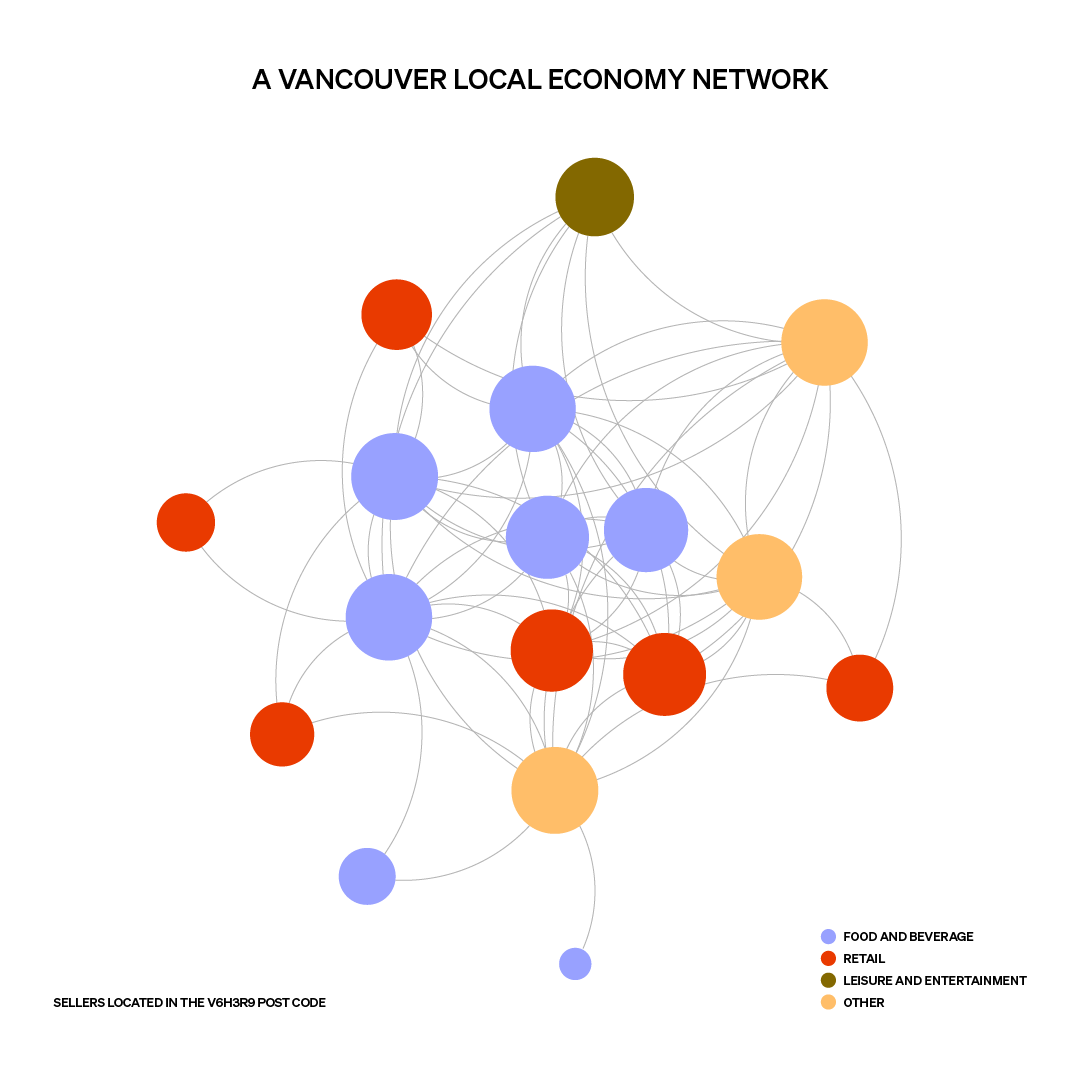
Neighbourhood spotlight: A connected local routine in Vancouver’s Mount Pleasant
Mount Pleasant is a vibrant and eclectic neighbourhood in Vancouver, populated by families and urban professionals. It’s packed with shops and restaurants that have become not just a community but the heart of everyday routines for locals. A typical trip around the neighbourhood might include a coffee break at Forecast Coffee followed by some delicious Wilder Cookies, a search for finds at vintage shop Glory Days, falafel for lunch at Superbaba, ice cream for dessert at Yum Sweet Shop, and then picking up a bouquet at Blossom & Vine Floral to take home. Running simple errands becomes an experience in a neighbourhood like this one.
Being part of a neighbourhood network brings measurable value
The biggest opportunity in becoming part of a regular neighbourhood routine comes from people stopping in frequently. They might not spend more on each visit than one-time customers, but they spend more often.
In addition, every one of your customers who also visits a neighbouring business equals more revenue opportunity for you. In Toronto, for example, Square data shows that each additional local connection is associated with an extra $2,067 in annual revenue for the business.
Most often, coffee shops are neighbourhood hubs connecting local businesses. They appear in nearly every top cross-category connection shown in Square data. Someone might grab a coffee on their way to get their oil changed, for instance, or stop in to pick up a sweet treat from the bakery while they’re on a coffee run.
Regardless of the business you’re connected to, being a stop on a regular routine – and part of a neighbourhood network – can boost your bottom line.

Regular customers anchor your business, in good times and bad
Growth is important, but stability and predictability can equal survival in tough economic times.
Regular customers bring stability to a business. When they return time and again, they offer predictable revenue – our survey shows that 84% spend at least the same amount per visit once they become a regular.
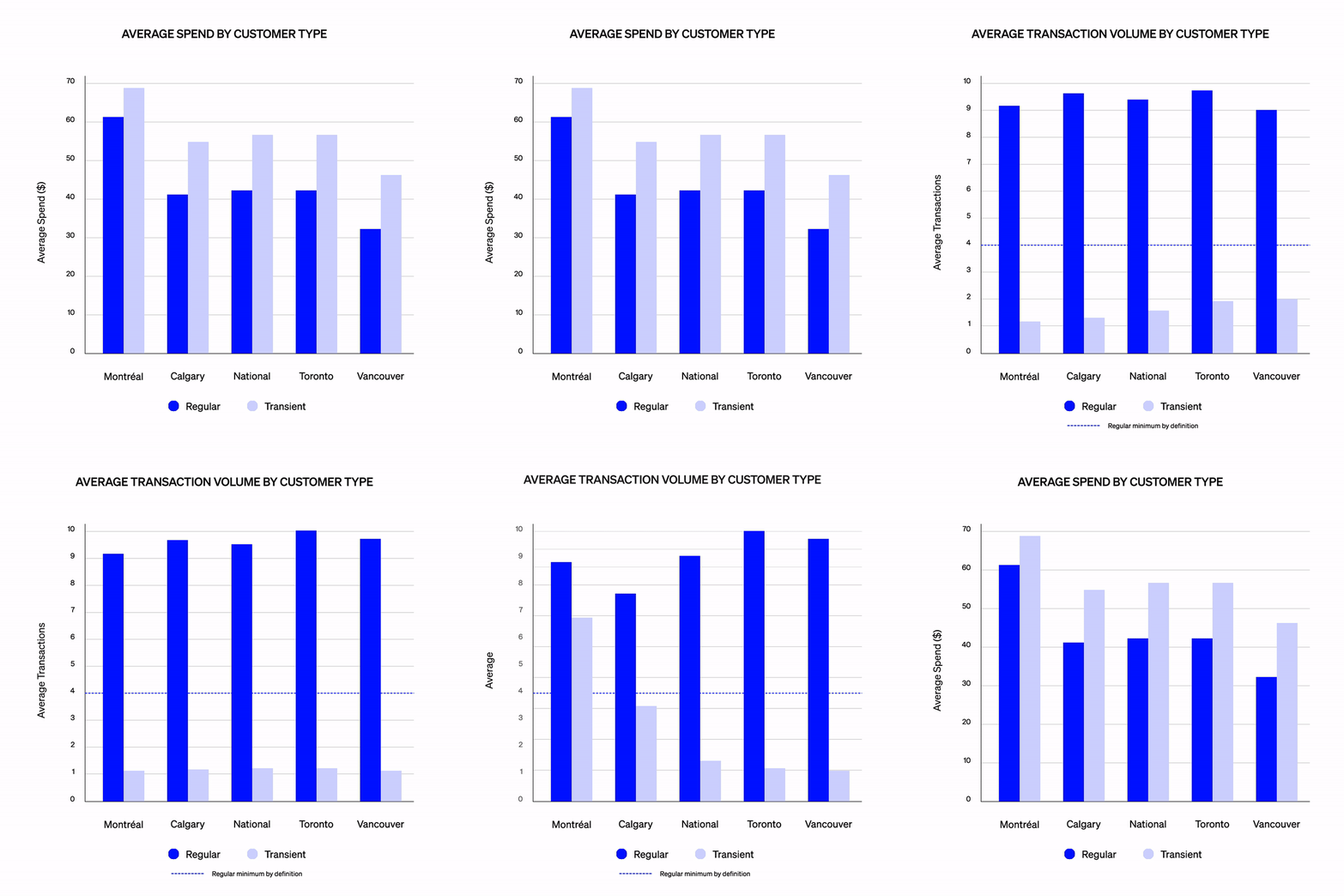
As you can see in the graphic below, Square data show that regulars do, on average, spend less per visit than non-regulars, but they come back at least nine or 10 times per year. And their repeat visits add up over time.
Square transaction data also show that regulars generate nearly six times the annual value of one-time visitors nationally – and roughly seven times in Montreal – with the difference driven by consistency rather than spending more each time they come in.

56%
of Canadians surveyed say convenience is top of the list when deciding whether to visit a local business
That makes them worth far more to your business than a one-time customer, and well worth investing in. So what should you focus on to cultivate regulars?
Start with value, quality and community. In our survey, 40% said they choose a business based on word-of-mouth advice. And it needs to be easy – 56% said convenience is top of the list when they’re deciding whether to visit a local business.
Customers are also looking for affordable prices (69%), friendly and reliable service (51%), a convenient location (48%), and good quality (40%). Good service matters, too. People want to feel welcome when they walk through the door, and appreciated when they make a purchase or come back.
But, at the same time, while 40% of those surveyed said they are familiar with their favourite local businesses, just 21% feel deeply connected and only 9% report that the relationship is an essential part of their social or community life.
Focusing on that can build loyalty, which helps to create regular customers and word-of-mouth ambassadors – and make you part of that all-important neighbourhood network.
From familiar to regular: Black Sheep Coffee Roasters
An independent café with two locations in the Niagara region of Ontario, Black Sheep Coffee Roasters roasts its own coffee and serves it with house-made pastries, seasonal drinks, and zero pretension. It’s all about quality coffee, good vibes and community.
Regulars make up a big part of the clientele, but as the business grew the owner wasn’t able to be behind the bar as often – which made it harder to personally track loyal customers. Without a system, staff goodwill sometimes meant the same regulars received free drinks repeatedly, while other frequent customers went unnoticed.
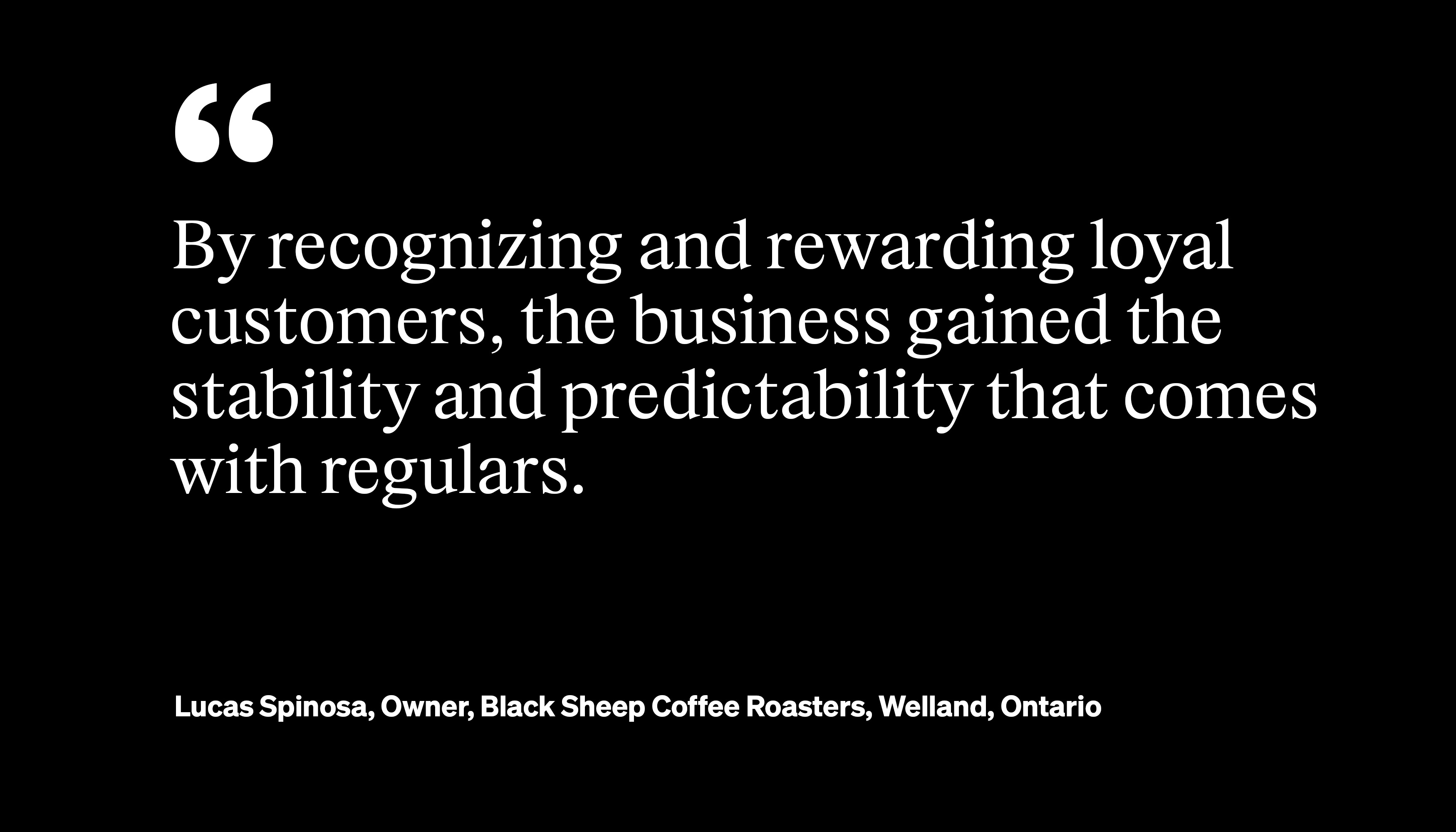
Knowing they needed to make all their regulars feel valued, Black Sheep brought in a loyalty system. The results exceeded expectations: by recognizing and rewarding loyal customers, the business gained the stability and predictability that comes with regulars.
By implementing Square Loyalty, Black Sheep was able to measure repeat visits and purchases – even small, everyday orders. This means the team can now track repeat behaviour even if they don’t know the customer personally.
Black Sheep also introduced a tiered loyalty rewards program which means rewards are now standardized, from free drinks to discounts on coffee to $50-$100 gift cards. There’s no more guesswork, and rewards are consistent and fair.
And regulars often use their points to buy gift cards for friends and family. “They are getting their favourite people into their favourite place,” said Black Sheep Coffee Roasters owner, Lucas Spinosa. For Black Sheep, that means the rewards program is now gaining them new customers, too.
Black Sheep has also discovered that even small purchases add up when they happen frequently. “There are people with tens of thousands of loyalty points who have spent thousands of dollars here.”
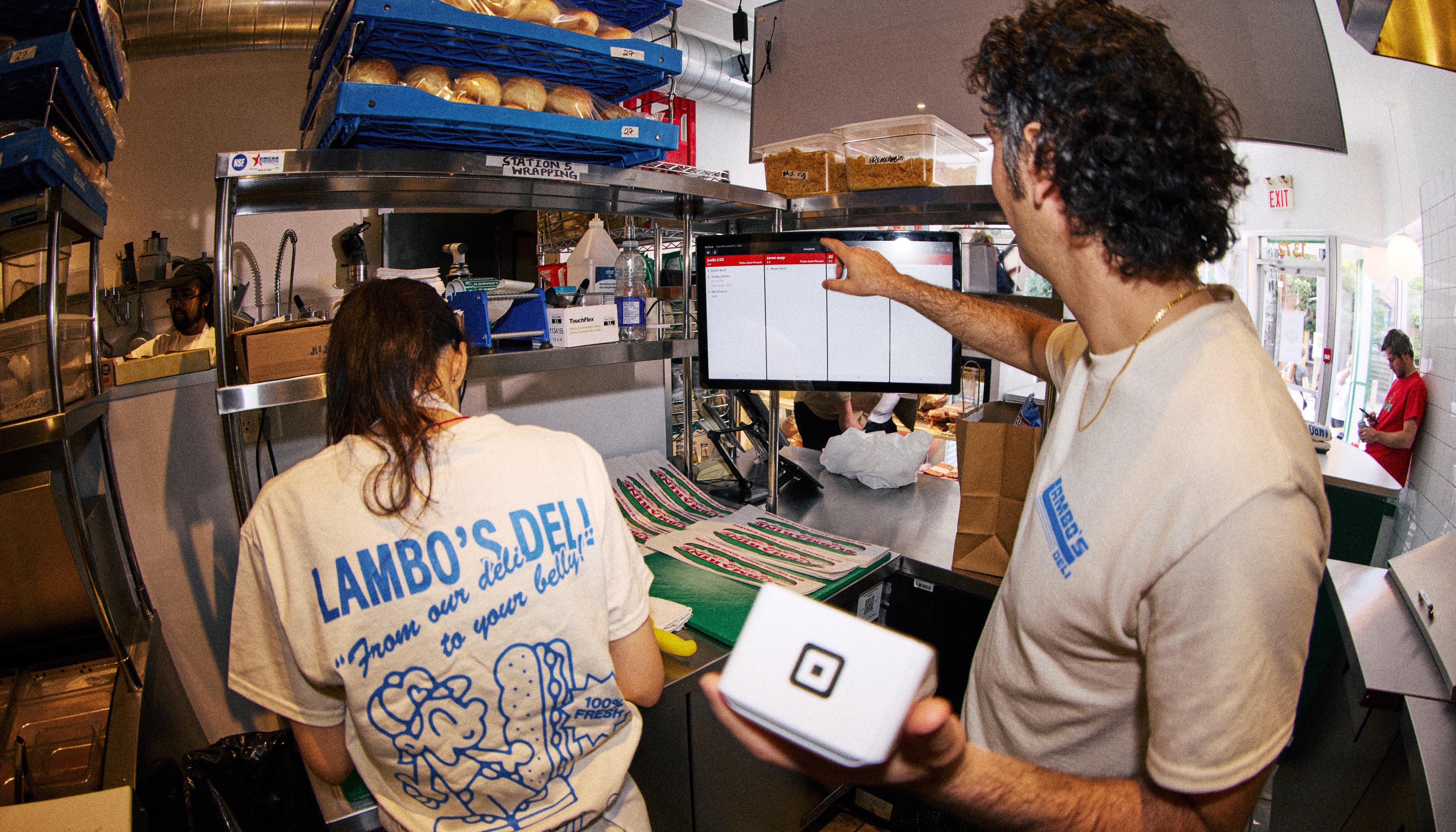
Local businesses make neighbourhoods work
Canadians recognize the impact local businesses have on their communities – turning them into neighbourhoods where people want to live, work and spend time. Local businesses create jobs, make running errands easier and more convenient, build community, and help to make neighbourhoods great places to be.
In our survey, 62% said the biggest impact they see from local businesses was the jobs they create and the money they inject into local economies. The convenience they offer came in at 57%, followed by a strengthened sense of community at 44% and greater neighbourhood value at 40%.
Vancouver’s Mount Pleasant is a great example of a place where local businesses make a positive impact on the neighbourhood. The eclectic shops, restaurants, bakeries and services in this part of the city form a connected network that generates economic impact as well as convenience and community.
Local businesses help make neighbourhoods feel vibrant and worth spending time in, not just functional.

How to attract and retain neighbourhood customers
Canadians want to shop locally. So how can you attract these customers, and keep them coming back?
The answer isn’t necessarily bigger discounts or louder marketing. It’s understanding your customer, making it easy for them to shop with you, and creating experiences worth remembering – and returning for.
What do customers want (but aren’t getting)?
Customers are largely happy with the experiences they get when they visit a store in person (80% positive) or go out to eat (77% positive). But they’re less satisfied with general services such as auto shops (48% positive), wellness businesses (55%), and online retail shopping (55%).
This means there is competitive opportunity for those who step up and fill those gaps. “Good enough” just won’t cut it. You need to create convenience and consistency by putting as much focus on the customer’s experience with your online store, order pickup, service booking, and payment as you do on your in-person interactions.
By delivering a smooth, positive experience, you might cultivate a regular customer.
If you don’t, you just might lose them altogether.
What turns a visit into a relationship: how to make it easy for a customer to choose you
Customers want value and convenience. Here’s how to encourage people to give your business a try.
- Give them value: When customers are spending selectively, value matters. Combine products or services together with a special price. Give short-term, limited-time offers. Create promos that are unique to your business, including promoting gift cards – 23% of those surveyed said gift cards are among the tools that would make them frequent a local business. Combos, limited-time offers and gift cards all help customers feel confident they’re getting something worthwhile – especially when they’re trying a business for the first time.
- Keep it personal: Personalization turns a transaction into a relationship. When customers feel recognized or remembered, they’re more likely to return – not because of a discount, but because the experience feels human rather than just transactional. In our survey, 37% said personalization makes experiences memorable – so build loyalty with programs that offer a personal touch, like reward points, special perks on a customer’s birthday, or a VIP experience for regulars.
- Make it easy: Convenience removes the small barriers that prevent repeat visits. Pickup, delivery, mobile pay, and easy booking don’t just save time, they help local businesses fit more naturally into customers’ everyday routines. Our survey shows that people are more likely to frequent a local business if it offers pickup or delivery (34%), mobile pay (31%) or reservations and booking (27%).
- Show them they can trust you: For first-time customers, trust often comes before experience. Visibility through reviews, social media, and shared customer stories helps reduce uncertainty and reassures people that a business is worth choosing and worth returning to. About 29% of Canadians surveyed said they wouldn’t give a business a try without some awareness or reviews. Address this by encouraging your existing customers to leave reviews, or tell their stories yourself (with permission). Make sure your pricing is clear and consistent, and offer guidance on best-sellers so first-timers can gain the confidence of knowing others have gone before them – and left happy.
- Give them something good to remember: Memorable experiences keep people coming back. When asked what makes an experience memorable, 53% said atmosphere, 52% said staff knowledge and 46% said connection.
Making convenience visible: Hank Daddy's Barbecue
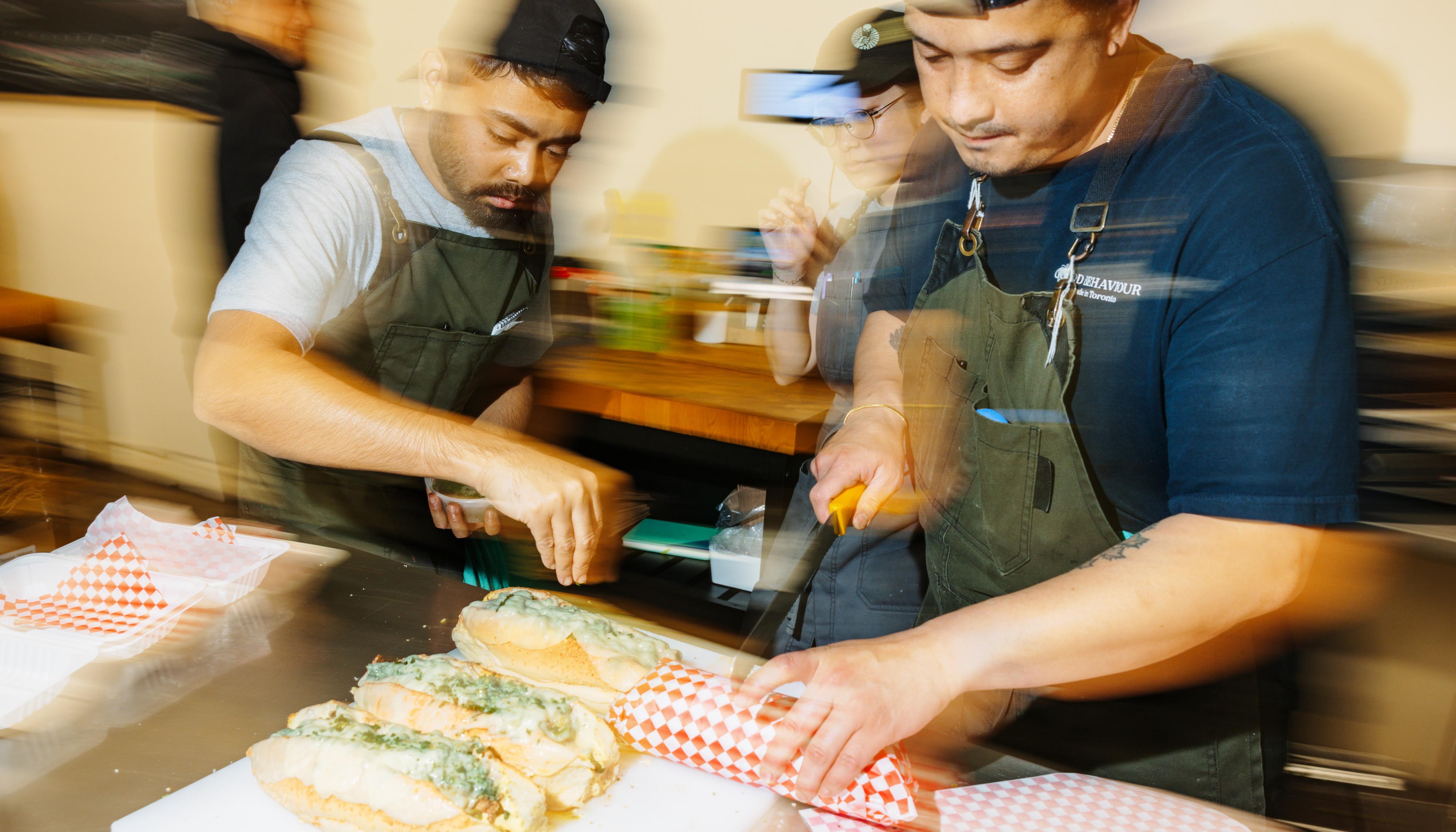
Hank Daddy’s Barbecue in Vaughan, Ont., is renowned for its casual vibe, delicious barbecue and personal customer service. But it wasn’t always smooth sailing for this family-owned restaurant as it evolved from quick service into full service.
The problem was, as demand grew, Hank Daddy’s wasn’t set up for higher volumes and group dining.
Pickup orders were made by phone or in person – which led to long wait times for customers in-store. And customers dining in often wanted to split one of Hank Daddy’s famous shared platters, meaning staff had to calculate bills manually. That slowed service, introduced errors, and took staff away from creating a fun and memorable experience.
So Hank Daddy’s made some changes.
They began offering online ordering, which reduced uncertainty and long waits. “Customers could pre-order their food before coming in – and that was huge,” said Olivia Caputo.The restaurant also connected their online and in-store reporting to better understand customer preferences.
To make bills simpler and eliminate the need for manual calculations, they set up item-level splitting for shared platters. Added Caputo “The most requested thing by customers… now we’re able to split food items on tickets.”
Hank Daddy’s also wanted a better way to track order pacing and readiness, so they adopted Kitchen Display Systems (KDS). “KDS lets us see if we’re in the range of where we want to be,” said Olivia Caputo.
Together, these changes delivered confidence, clarity and consistency. Guests now get a smooth, convenient experience along with the best barbecue in town.
How to turn familiar into regular
People make decisions using both their head and their heart: price and quality are first and foremost, followed by convenience. Focusing on all three will help you turn customers into regulars.
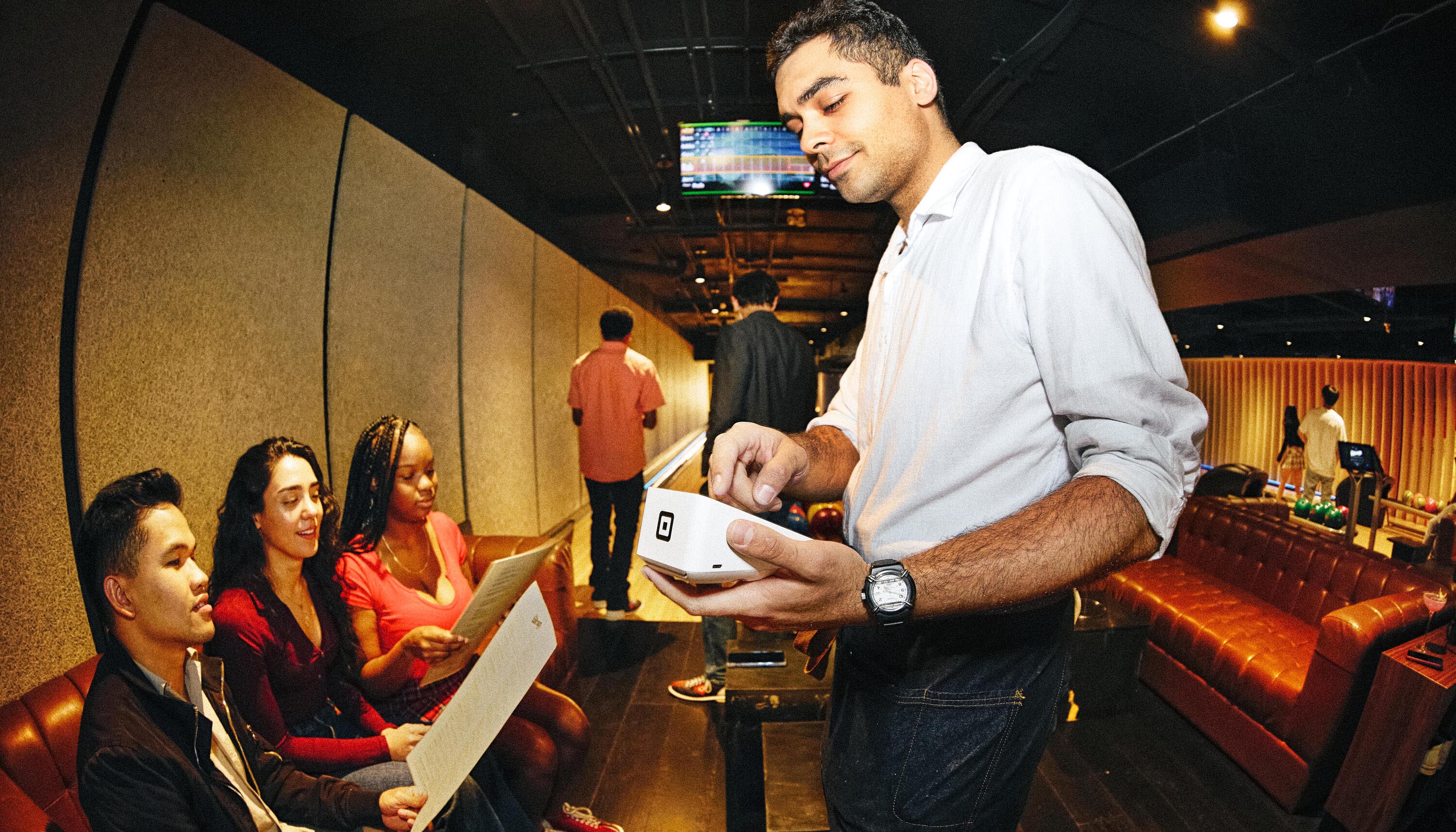
When a customer comes in for the first time, make them feel welcome. Connect with them as an individual and make sure their experience is smooth and memorable with a comfortable atmosphere and knowledgeable staff. Give them a reason to return soon, whether that’s simply booking their next appointment, or mentioning an upcoming promotion or other highlight unique to your business. And reward them when they come back, with points or other perks.
Keep the relationship alive by staying in touch with updates, specials and reminders. Of those we surveyed, 41% said they prefer email communications, 24% like social content, 22% prefer SMS, and 21% direct messages. However, 22% don’t want any communication at all, so make sure you get the customer’s permission before you send them anything.
Remember: it’s not about communicating more often, but about communicating with consent and only when the message is genuinely relevant and useful.
Build loyal customers and a stronger local economy with Square
Becoming part of a customer’s regular routine doesn’t come from one great visit. It comes from consistency, recognition, and making it easy to come back. Square helps turn those everyday moments into repeat behaviour.
- Train for “regular-making” moments, not just transactions: Friendly service matters, but what really drives repeat visits is consistency and recognition. Simple habits go a long way: greeting customers warmly, remembering preferences, making one personal recommendation, and ending with an invitation to return. Square Customer Directory helps teams recognize regulars and track preferences so personal service isn’t left to memory alone.
- Make expertise visible and easy to access: Customers consistently say knowledgeable staff are one of the most memorable parts of an experience. Give your team the confidence to recommend, explain and guide. Use simple prompts, favourites lists, or quick internal cheat-sheets, and support that with data from Square Dashboard so you know what actually sells and what regulars come back for.
- Win on value, not discounting: Price sensitivity is real, but loyalty is built on value, not constant discounts. If pricing changes, customers need to clearly understand what they’re getting in return, whether that’s better service, better product, or a better experience. Square tools help you test offers, track performance and communicate value clearly.
- Keep in touch in meaningful ways: When a customer gives their consent to receive marketing messages from you, they want information that is relevant and useful. That can help to bring them back to your business: Square data shows 17% growth among sellers using a marketing product in 2025, with email marketing outpacing loyalty growth in most cities.
- Build a loyalty loop that feels effortless: The most effective loyalty programs are simple, immediate and tied to existing habits: points, stamps, or “every Xth one’s on us.” Square Loyalty makes it easy to reward repeat visits automatically, recognise regulars, and give customers a reason to come back sooner – without adding friction at checkout.
- Make it easy and fast to pay for purchases: Customers don’t want hassles when it comes time to pay. Give them a seamless experience whether they are ordering online or paying in-store with tools like Square Tap to Pay, Online, mobile payment, and point-of-sale products.
- Improve pickup and delivery: When people place an order for pickup or delivery, they want to know when it will be ready and what’s expected of them. The process can’t be complicated or chaotic. A predictable, trackable pickup and delivery experience builds trust and keeps customers coming back. Square tools can help you manage online ordering and fulfillment so there’s no frustration or confusion.
- Make appointment bookings smooth: Delivering outstanding service – whether it’s a haircut, an oil change or anything else – is important. But equally critical, yet often overlooked, is having an efficient system for booking future visits. Square Appointments can help you simplify the process for making, confirming or changing appointments – including follow-ups to help turn one-time customers into regulars.
- Drive new business through current customers: Customers appreciate the feeling of being welcomed as regulars and treated to memorable experiences, and they want to share that with their friends and family. With Square Digital Gift Cards, they can invite their loved ones to try your business – and you then gain an opportunity to cultivate new regular customers when the gift card holder comes in to see what you have to offer.
- Build trust and consistency across channels: People spend with businesses they trust, and that’s built through consistent experiences. Whether they are buying online or browsing in person, they should get the same level of customer service and value. Square Omnichannel can help make sure your presence in-store and online reflects the experience you want for every customer.
Thriving today … and tomorrow
Looking ahead, there is reason for optimism.
Although Square data from 2025 show that customers spent less per transaction, on average, across many sectors, they also visited more sellers on average in nearly every city. And for 2026, 81% of Canadians surveyed said they plan to shop in their local neighbourhoods just as much as they did last year – or even more.
Even if prices rise, 61% said they would be likely to keep shopping locally as long as value rises too. And they want to do that shopping in person: 39% of those surveyed said they plan to spend more time shopping in person, compared to just 13% who expect to shift more of their spending online.
Bottom line: local neighbourhoods matter.
Through everyday local routines, customers can turn into regulars. Regulars create much-needed stability. And, when the same customers become regulars at several businesses, that creates a connected local network that drives economic resilience.
Square infrastructure can provide insights to help you understand when and how to act on neighbourhood connections. One of these key insights: customers become regulars when they find value, quality, convenience and human connection.
Understanding this can help you adapt and grow as part of your neighbourhood network, so your business – and your local economy – can thrive, now and in the future.
Disclaimers and data methodology
Square Data Collection:
Data methodology
Square analyzed all buyer-seller interactions from January 2019 through December 2025. A buyer-seller relationship was considered to be “regular” if there were transactions between them on four or more distinct dates within a year; all other relationships were considered “transient.” Note that a single buyer can have both regular and transient relationships with different sellers. To calculate regular versus transient statistics, Square grouped transactions by regular and transient labels and computed summary metrics for each group, such as average spend and total transaction volume.
Network Data
Square isolated all “regular” buyer-seller relationships in 2025 based on the methodology described above. Square constructed city-level networks by drawing a connection between two sellers if they share at least one regular buyer. Most analyses are based on each network’s largest connected component – i.e., the largest subgraph where there exists a path between every possible pair of nodes.
Network visualizations represent the subgraph of a given city by postcode. For each city, we select the postcode that produces a subgraph containing 10-100 sellers and the greatest number of connections to demonstrate local connectivity and ensure visualization clarity.
Marketing Data
Square analyzed statistics based on enrollment in any of the following marketing products: Email Marketing, Text Message Marketing (US only), and Loyalty Programs. We compared two groups of sellers: enrolled in a marketing product versus not. To quantify the effects of activating a marketing product, Square analyzed all sellers whose earliest activation occurred on or after January, 2023, and compared performance in the three months preceding activation versus the three months following activation, only including sellers with at least 75 days of transactions in each period.
Consumer Survey Data Collection:
Square and Studio by Informa TechTarget conducted an independent survey of 1,010 consumers in Canada between September 23 and December 30, 2025. Respondents were screened to include a representative sample of age groups (18 to 61+) and geographical locations within Canada.”
Download the
2026 Local Economy Report
Millions of companies use Square to take payments, manage staff, and conduct business in-store and online.
Download Now


